Twelve Australian coral species get their names back after genetic study
A team from James Cook University and Queensland Museum reviewed 53 named Acropora coral species, 40 of them described from eastern Australia, and restored species status to twelve that had been treated as variants of others. The caveat: these are not newly discovered animals but corals that were already on the reef and are now correctly classified.
For decades, twelve corals from eastern Australia lived under borrowed names. They were treated as mere variants of other Acropora species, the branching and table corals that build much of the Great Barrier Reef. A study in Invertebrate Systematics gives them their own names back.
The work was led by Augustine Crosbie of James Cook University and Queensland Museum, as part of the museum’s CoralBank project. The team reviewed 53 named Acropora species, 40 of them first described from eastern Australia. According to the university, it supported 47 as distinct species, resurrected 12 names that had been treated as synonyms of others, and recognised as valid 4 whose status had been unresolved.
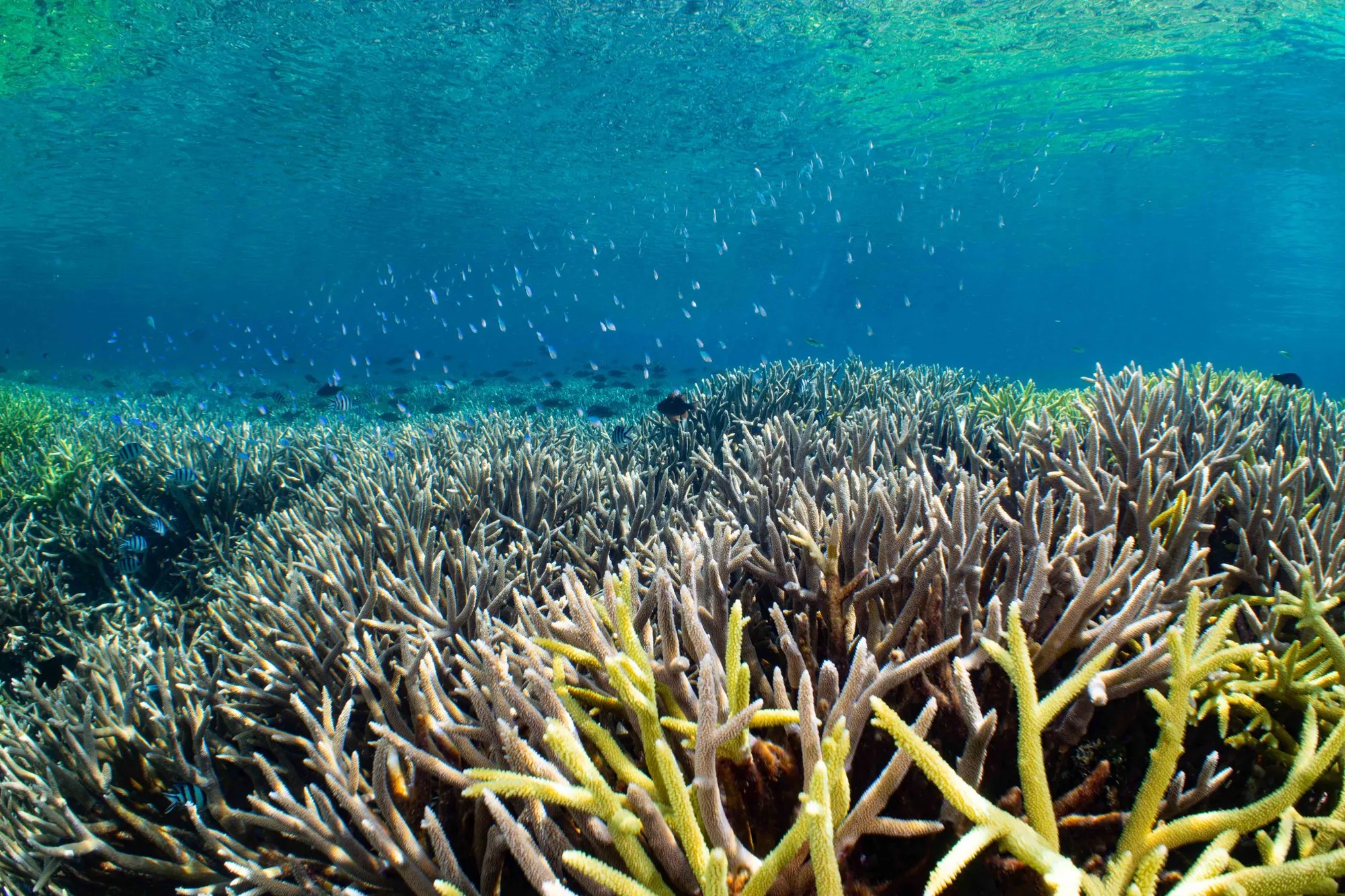
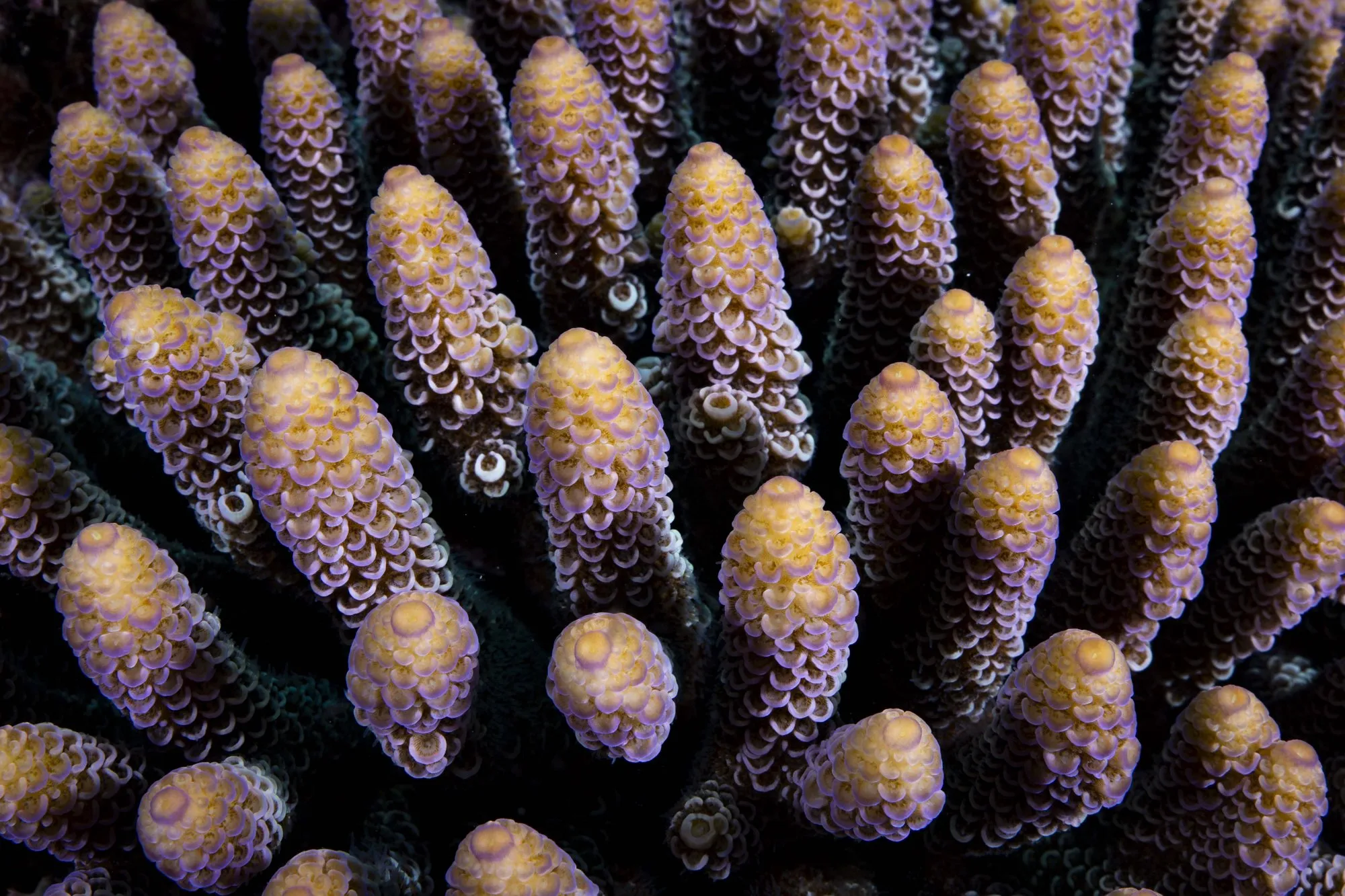 Close-up of Acropora branches. Photo: Tom Bridge · courtesy Queensland Museum.
Museum skeletons and living corals from the same spot
The starting problem was practical: the original specimens used to describe many species are dry skeletons that cannot be sequenced. So the team went back to the sites where they had been collected, sampled living corals and compared their genomes with the shape of those museum skeletons.
As Crosbie puts it, these were distinct species that “had been misinterpreted and treated as variants of other coral species”.
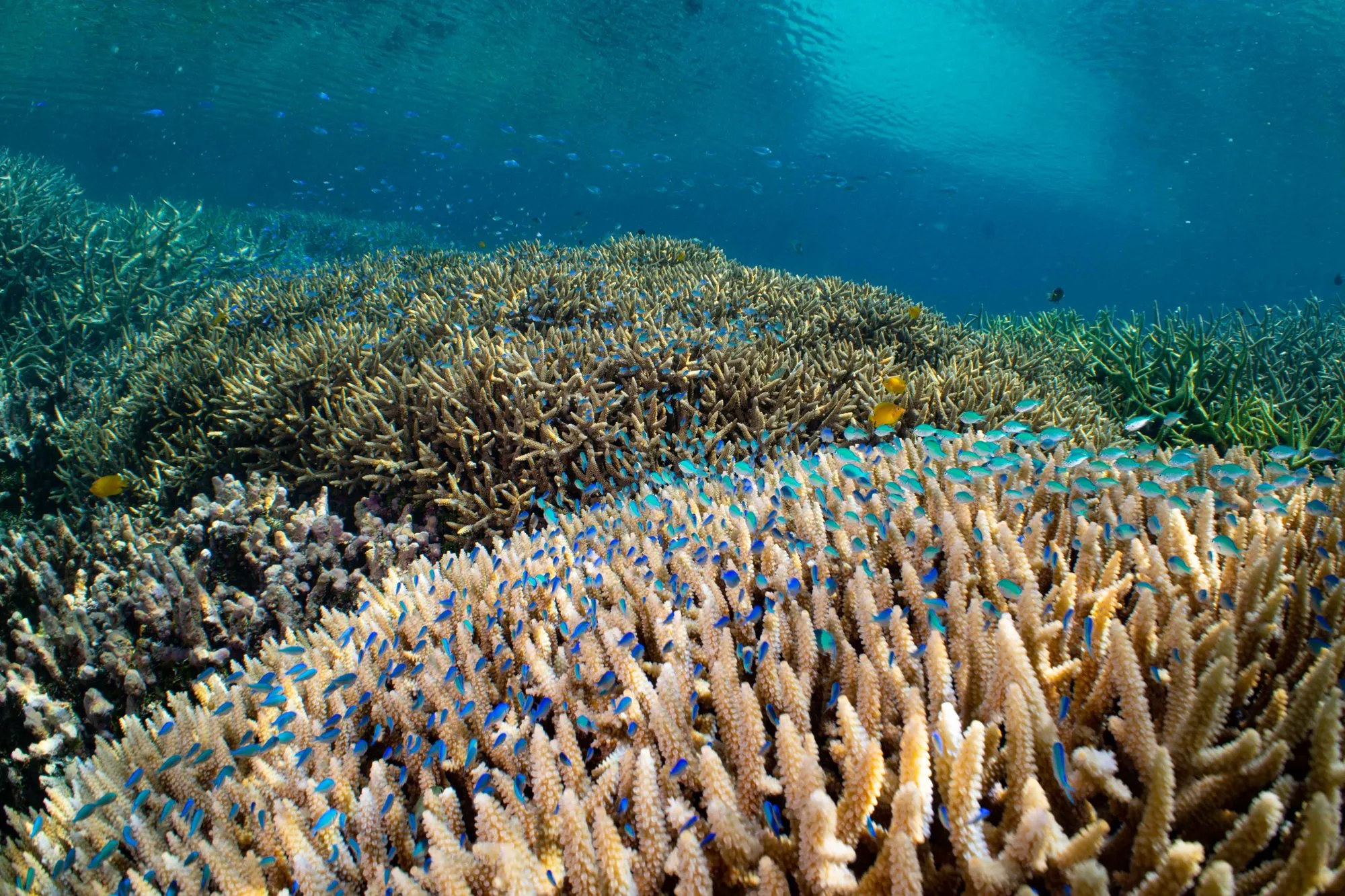 Acropora corals with small fish among their branches. Photo: Tom Bridge · courtesy Queensland Museum.
Counting properly before protecting
Naming each coral correctly is not a cataloguing detail. Peter Cowman, of the museum and James Cook University, notes that assessing extinction risk and planning conservation depend on knowing which species are there. If two different corals are counted as one, one of them could be declining without anyone noticing.
For Andrew Baird, also at James Cook University, the findings show that the number of coral species on the Great Barrier Reef has been underestimated. The study is not about corals recovering but about seeing more clearly the ones already there: the starting point for monitoring each of them separately.
Sources
- Crosbie et al. · On the nominal species of Acropora (Scleractinia: Acroporidae) described from eastern Australia · Invertebrate Systematics (2026)
- James Cook University · Hidden coral species brought back into the light on the Great Barrier Reef (12 Nov 2026)
- Queensland Museum · media release and photos (email to the newsroom, 19 Nov 2026)