Tobacco relative now makes Taxol, a key cancer drug, from scratch
A University of Copenhagen team has completed the recipe the yew tree uses to make Taxol (paclitaxel), a drug for breast, ovarian and lung cancer, and got a lab plant to produce it at levels similar to those in yew bark. The caveat: these are lab plants for now, and large-scale production is the next challenge.
For decades, Taxol has come from the bark of the yew, a slow-growing tree. Now a team at the University of Copenhagen has described for the first time the complete recipe the yew uses to make this drug, and has got a lab plant to produce it, according to a paper in Nature Chemical Biology.
Taxol (paclitaxel) is used against breast, ovarian and lung cancer. Today it is made by extracting similar compounds from plants and converting them through a series of complex chemical reactions, which makes it one of the most expensive medicines, according to the university. The caveat: this is a lab result and cannot yet be used to make the drug at scale.
Twenty yew genes in another plant
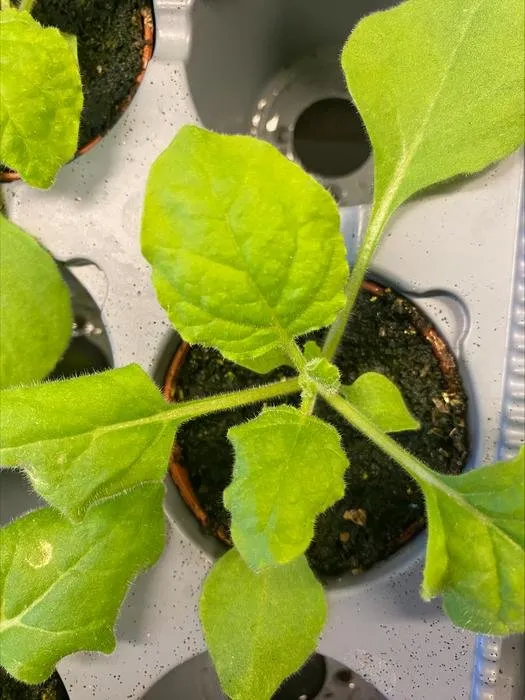
The plant they chose is Nicotiana benthamiana, a tobacco relative that grows fast and is widely used in research. “We introduced more than twenty of the yew tree genes into tobacco plants,” says postdoctoral researcher Zhen Fan, one of the first authors.
With them, the plants made Taxol at levels comparable to those in yew bark. “We now have a blueprint, essentially a recipe, that can be used to produce taxol in plants, yeast or other systems,” says Professor Sotirios Kampranis, who led the study.
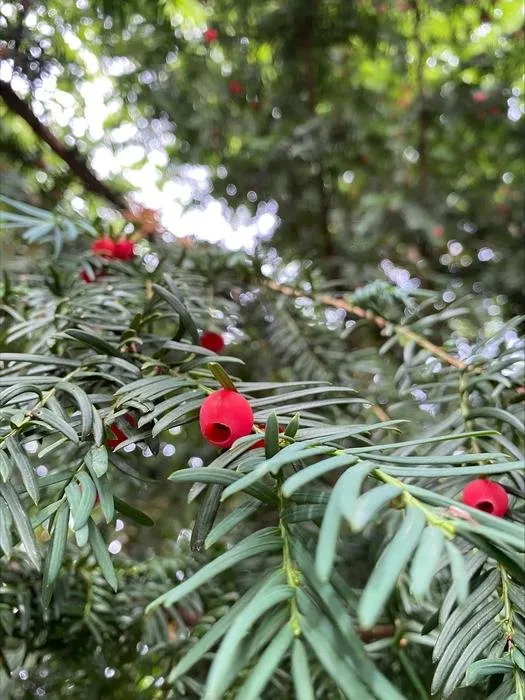 The yew, the tree that makes Taxol naturally. Photo: Feiyan Liang, University of Copenhagen.
Cheaper, especially for poorer countries
The team’s goal is a cheaper drug that reaches low-income countries more easily. “Our discovery could ultimately contribute to cheaper taxol, making treatment more accessible in low-income countries,” says Kampranis.
There is work to do. For now, the yew genes have to be introduced into each plant individually. To grow it in greenhouses, they need to become part of the plant’s own genome. “That is the next major challenge,” Kampranis says. Another promising route, the team says, is making it with yeast, as is done for other medicines.