Scientists crack the code of a 400-year-old padlock from a shipwreck: it was ANCE
The Ann Francis was wrecked on Margam beach, in Wales, on 28 December 1583 on its way back from Spain. Museum Wales and Cardiff University have looked inside the brass combination lock it carried, using micro-CT scanning and without damaging it: the letters were A-N-C-E. What the word means is still unknown.
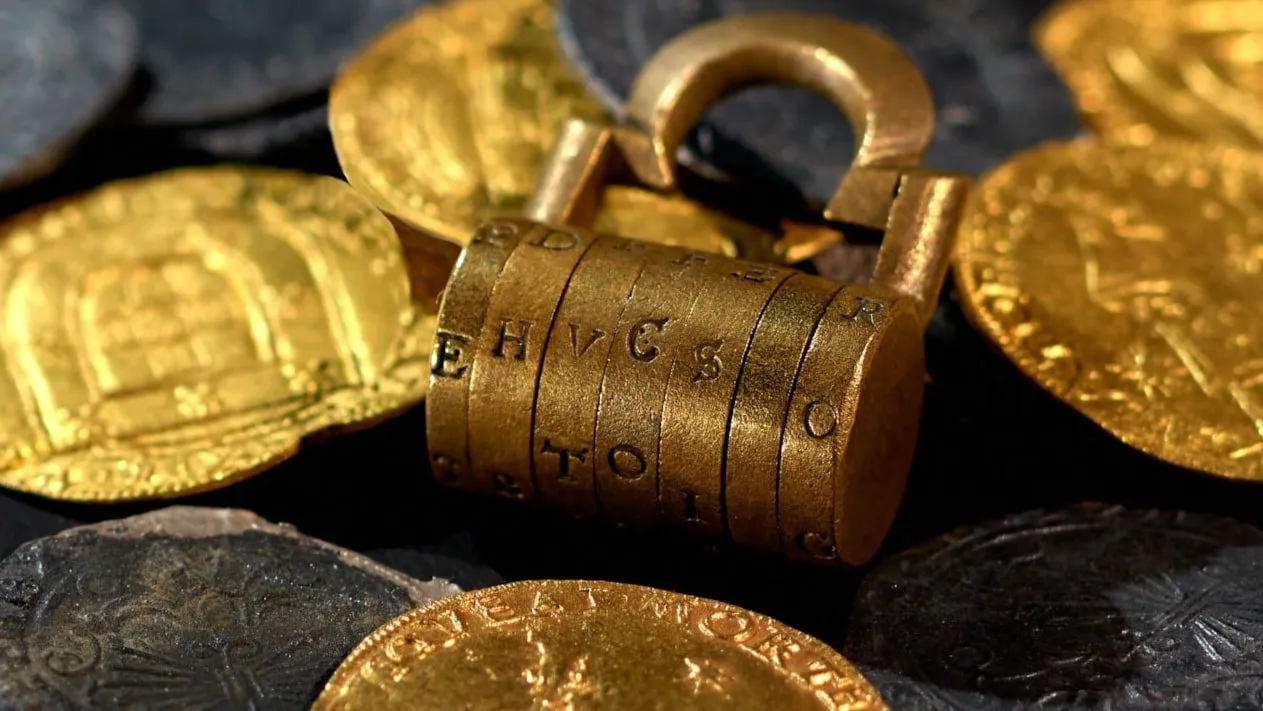
On the evening of 28 December 1583, a storm blew the merchant ship Ann Francis off course on its way back from Spain and wrecked it on Margam beach, near Port Talbot, in Wales. On board was a small brass combination lock. More than four centuries later, Amgueddfa Cymru – Museum Wales has worked out its code without forcing it: A-N-C-E.
To read it, the museum team worked with specialists at Cardiff University and put the lock through a micro-CT scanner, which builds a 3D image of the mechanism without touching it. “Micro-CT scanning allowed us to look inside the lock without damaging it,” says Dr David Williams, a research associate at the Musculoskeletal Biomechanics Research Facility in Cardiff’s School of Engineering. The images showed how the notches inside lined up with the letters on the rings. That same evening, the museum team set the combination and tested it.
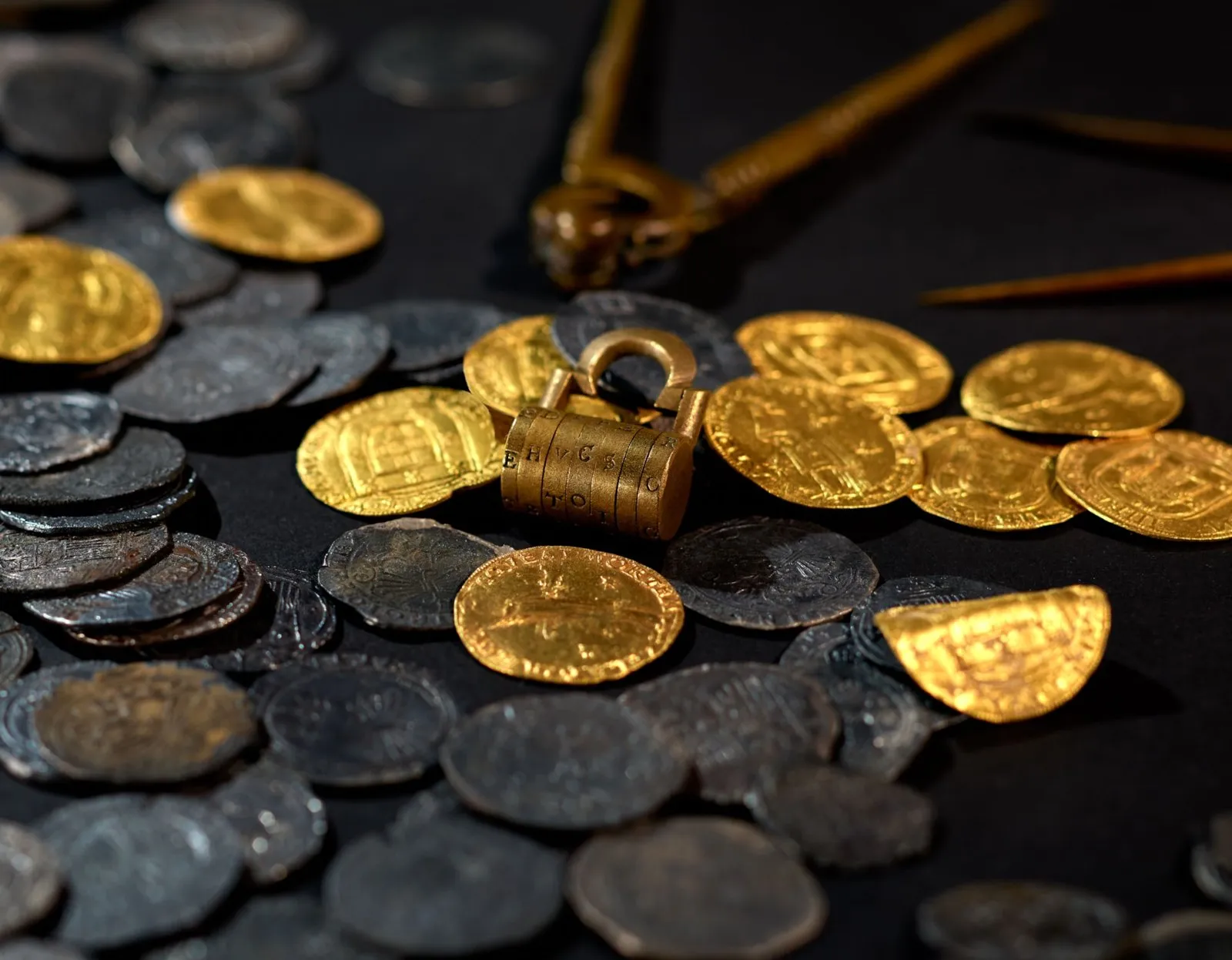
The lock with gold and silver coins from the Ann Francis. Photo: Amgueddfa Cymru – Museum Wales.
A word nobody can explain
What ANCE meant, if anything, is still a mystery. The museum wonders whether it meant something to the lock’s owner. According to the museum, the lock probably secured a small chest of valuables, perhaps documents or textiles that have not survived. It was found near Spanish silver coins and two coin weights.
Alastair Willis, the museum’s Senior Curator for Numismatics and the Welsh Economy, notes that Elizabethan combination locks are known in Britain, but this one is “in exceptionally good condition” and comes from a dated wreck, which makes it unique.
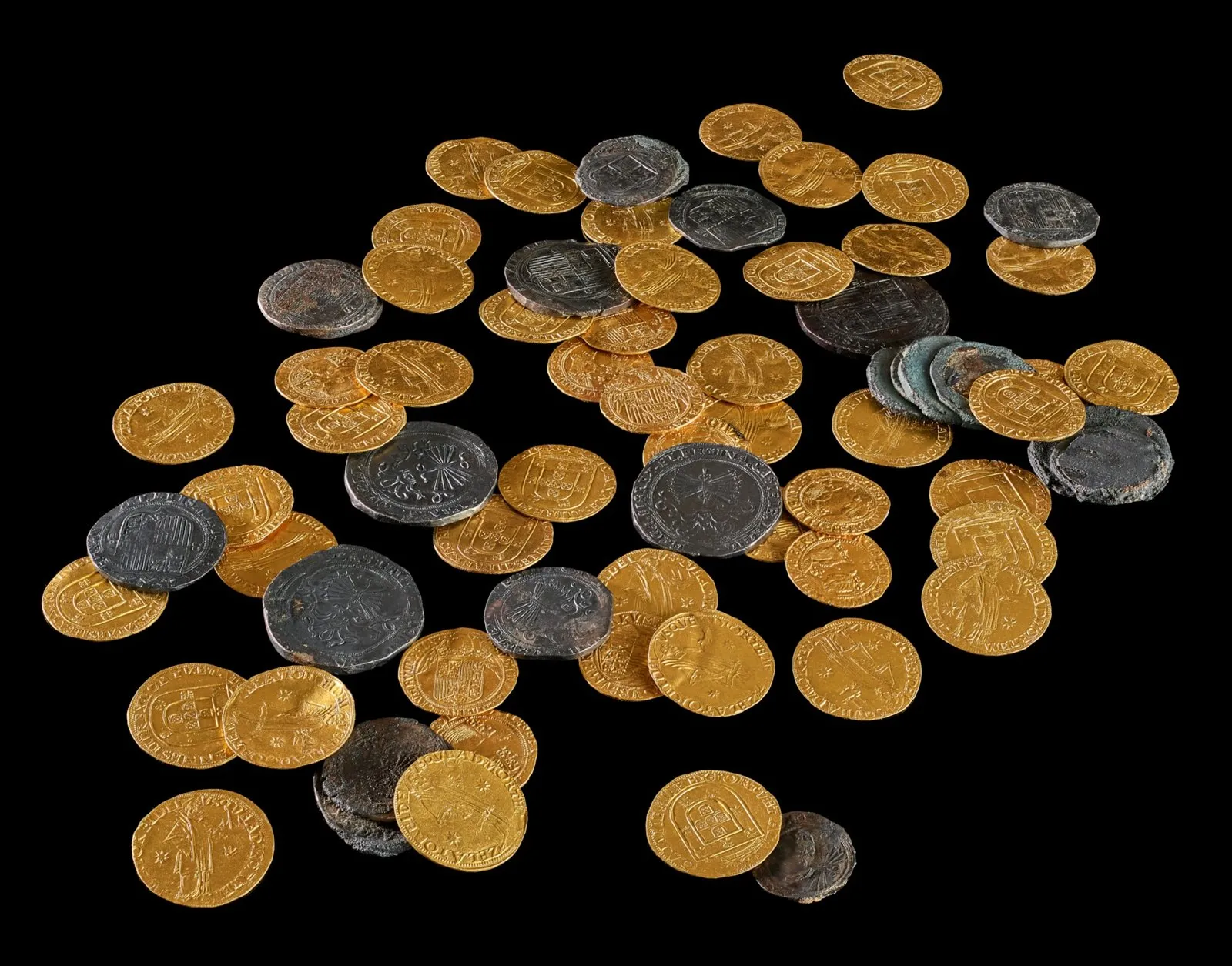
Some of the coins from the Ann Francis hoard. Photo: Amgueddfa Cymru – Museum Wales.
Twenty-one years searching the sand
Most of the hoard was found by metal detectorist Peter Hughes between 1996 and 2017, as dredging and storms exposed the sands at Margam. The museum acquired it with support from the Welsh Government. “When I moved the ring dials of the combination they turned with ease after over 400 years beneath the sands,” Hughes says.
The lock is on show in the free exhibition Tides of Treasure at the National Waterfront Museum in Swansea until June 2027, alongside gold coins from the reign of Ferdinand and Isabella of Spain and a boatswain’s whistle from the same ship.
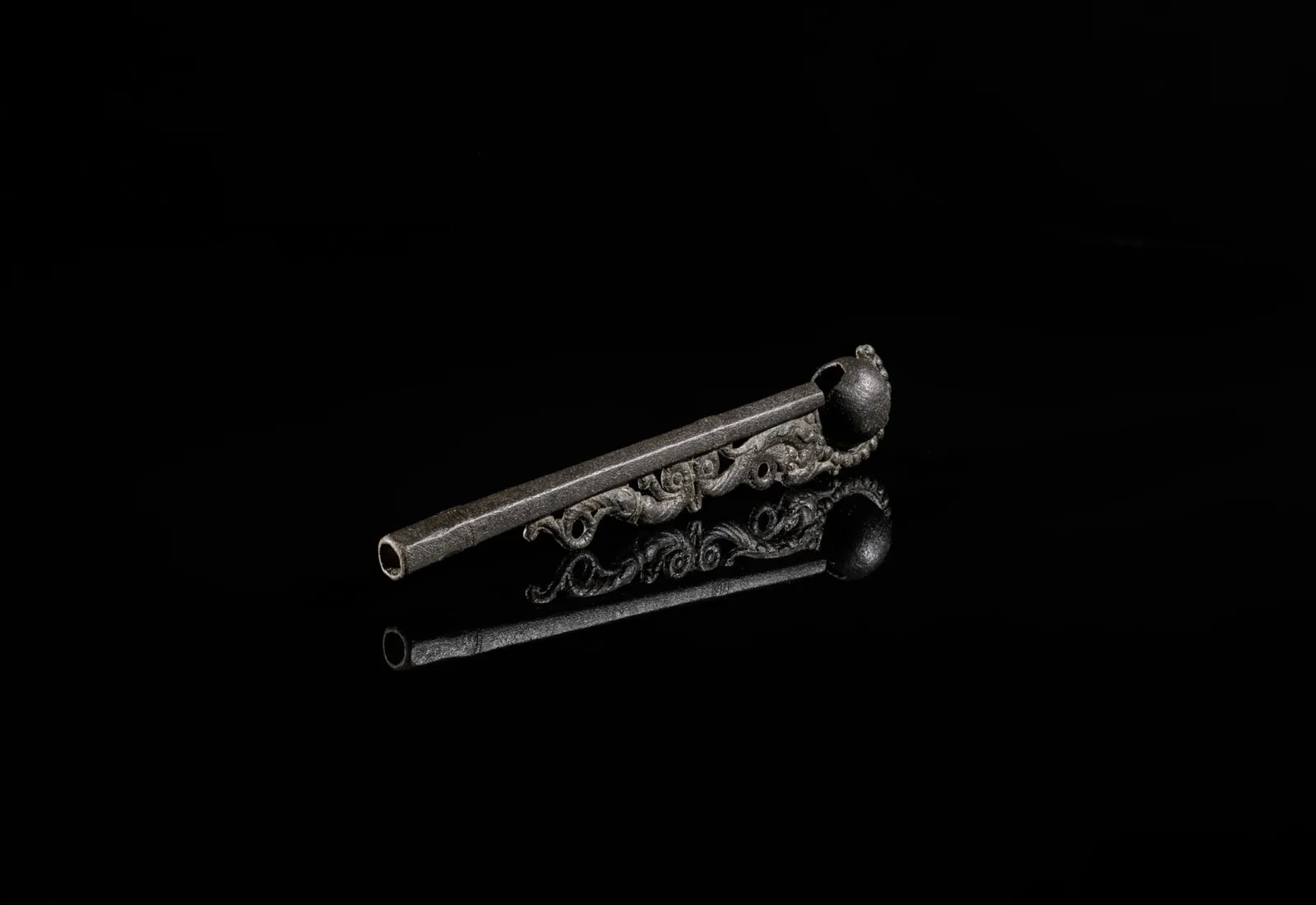
A boatswain’s whistle from the Ann Francis. Photo: Amgueddfa Cymru – Museum Wales.