Six African parks get $29.2 million to protect their wildlife
The Rob Walton Foundation is giving US$29.2 million to Peace Parks Foundation to strengthen six protected areas in Mozambique, Zimbabwe, Malawi and Angola, covering 82,000 square kilometres. The money goes into running the parks day to day: rangers, governance, life alongside neighbouring communities and long-term funding. The caveat: in Angola, the agreement with the government is still a memorandum to set up the management framework.
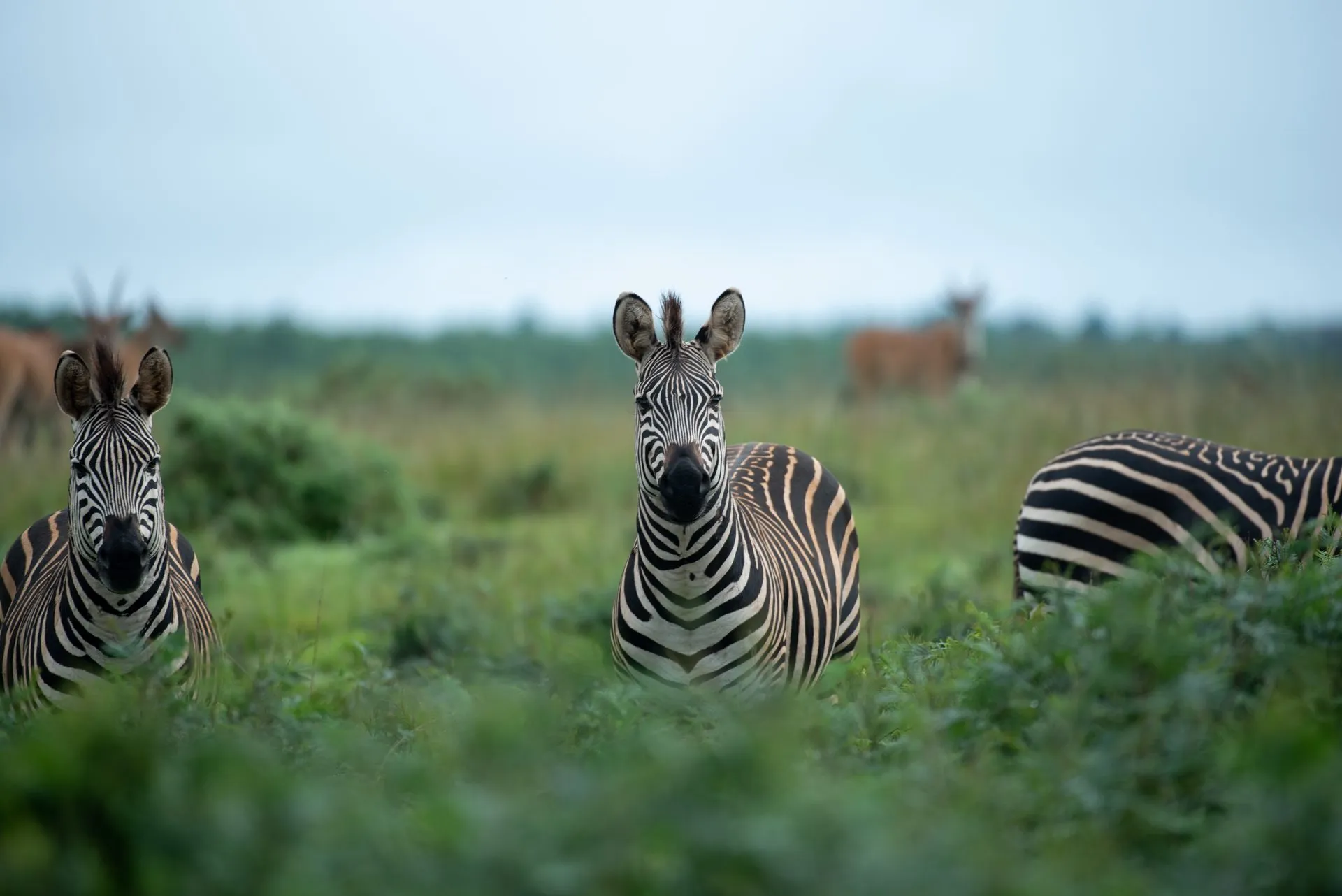
In Zinave National Park, in Mozambique, a young rhino walks through the long grass. According to Peace Parks, the return of key species there is helping the ecosystem recover. Zinave is one of six protected areas that will receive US$29.2 million from the Rob Walton Foundation, Peace Parks Foundation announced on 19 November 2026. Peace Parks manages the parks together with national governments.
The six are Limpopo, Zinave and Banhine in Mozambique; the Greater Mana Pools Ecosystem in Zimbabwe; the Nyika-Vwaza Complex in Malawi; and Luengue-Luiana in Angola. Together they cover 82,000 square kilometres. Peace Parks already has long-term management agreements with governments for five of them. In Angola, the two sides have so far signed a memorandum to develop that framework.
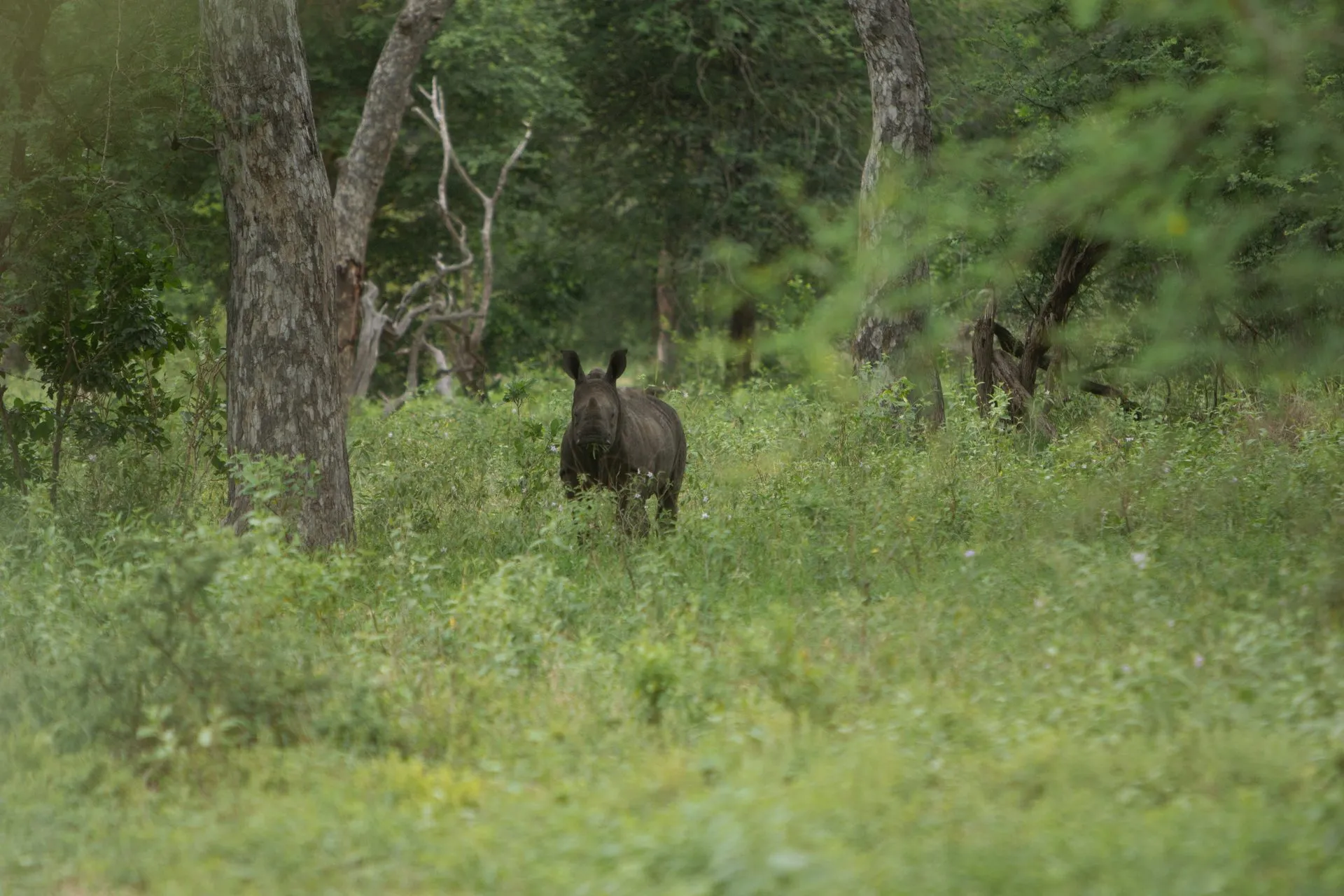 A young rhino in Zinave National Park, Mozambique. Photo: Peace Parks Foundation.
Money for the daily work
The grant does not fund a one-off project but the running of the parks: how they are governed, the capacity of teams on the ground, ecosystem protection, coexistence between wildlife and neighbouring communities, and building stable funding. The aim, according to Peace Parks, is for that foundation to draw in more public, private and philanthropic investment.
“Protecting Africa’s extraordinary natural heritage requires more than individual projects or short-term funding commitments,” said Werner Myburgh, CEO of Peace Parks. Duko Hopman of the Rob Walton Foundation said they want to build on that experience across the six landscapes and “encourage other funders to join this effort.”
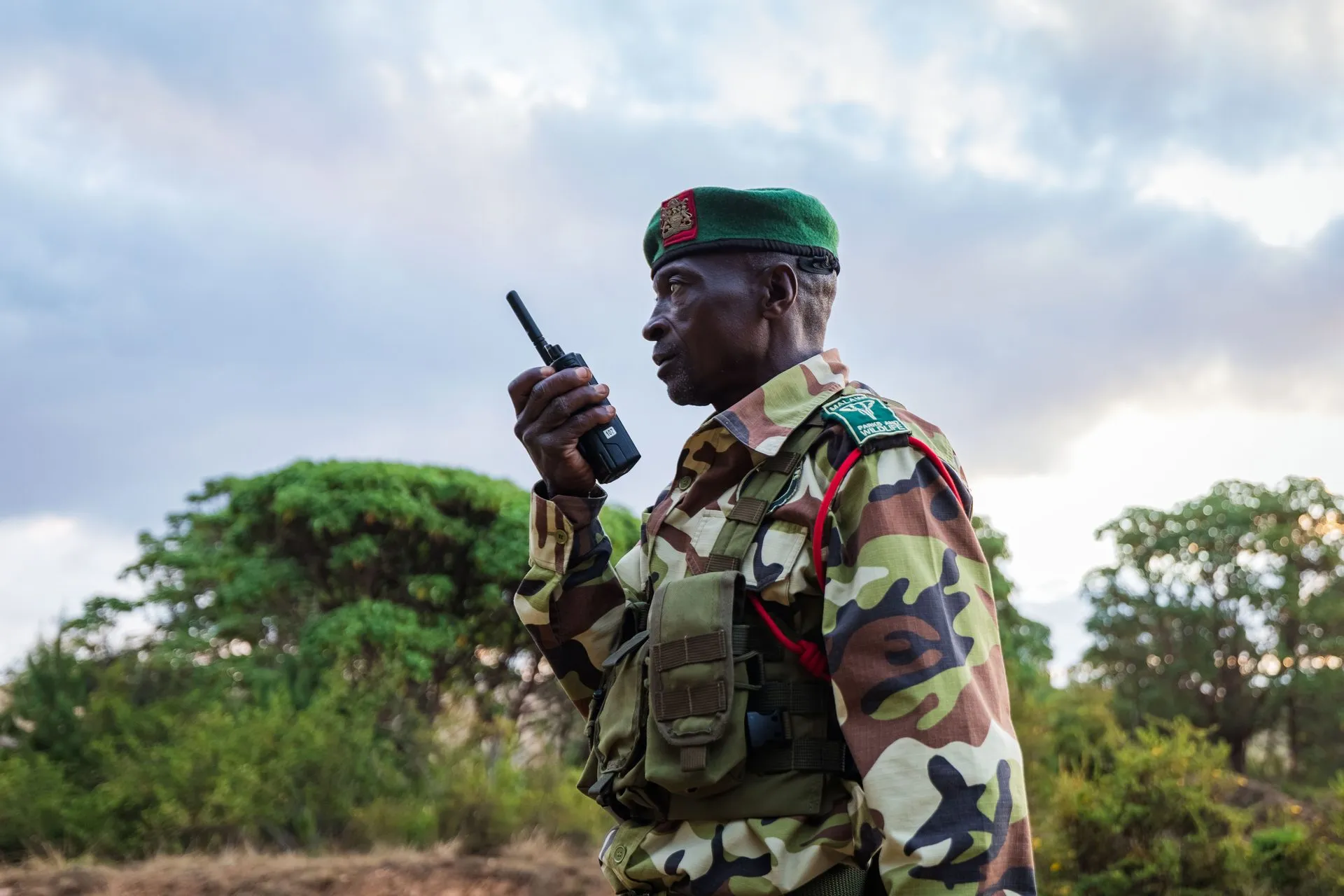 A ranger in Nyika National Park, Malawi. Photo: Peace Parks Foundation.
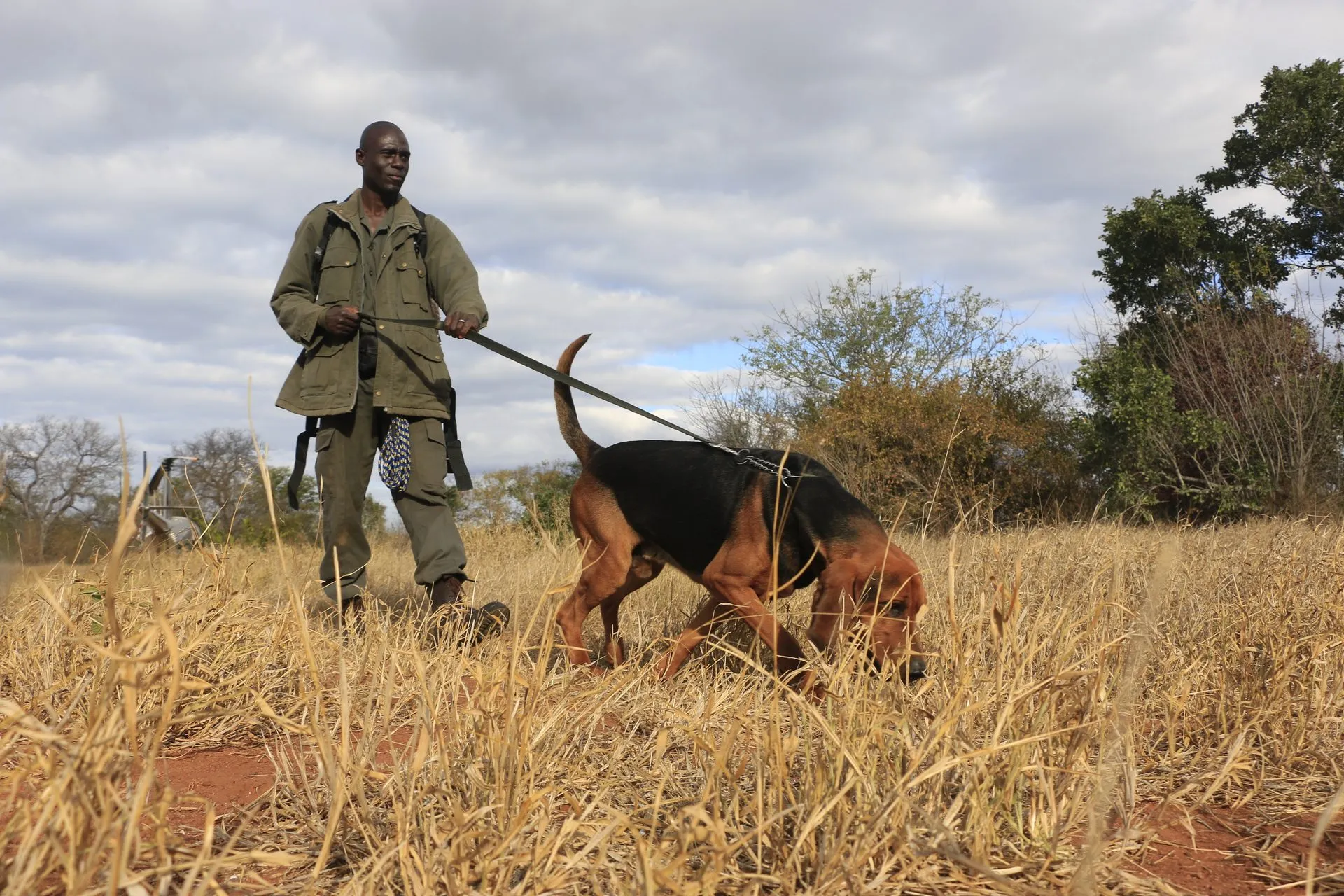 Field work with a tracker dog in Zinave. Photo: Peace Parks Foundation.
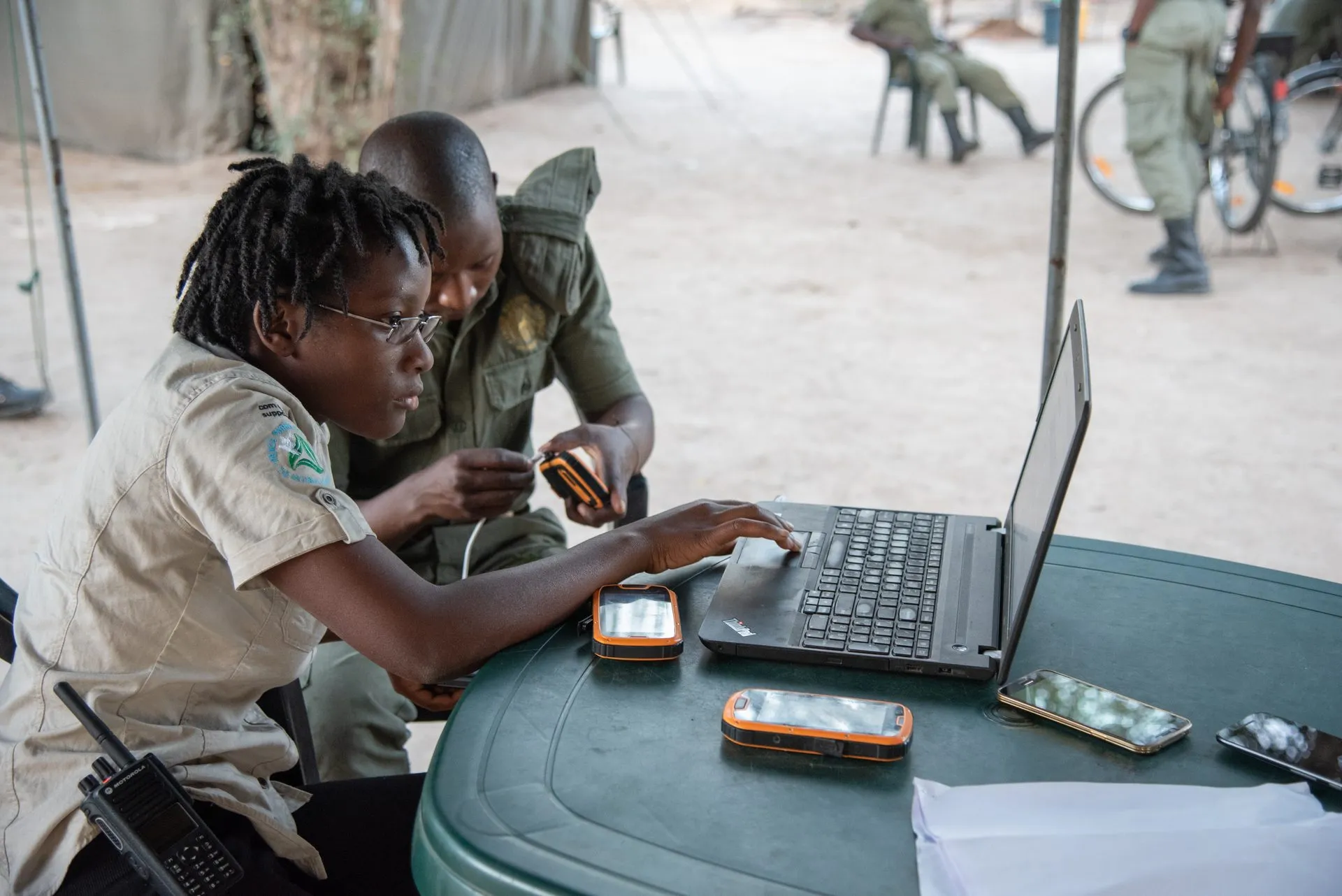 Park staff at the Zinave office. Photo: Peace Parks Foundation.
Water for 250 million people
The six parks are among the 162 protected areas that the Africa Keystone Protected Area Partnership wants to see well managed by 2035. Those 162 sites, across 33 countries, hold 71% of Africa’s threatened vertebrate species and provide water for nearly 250 million people, according to the partnership. In Nyika-Vwaza, for example, the park protects the plateau catchment that supplies water to surrounding villages.
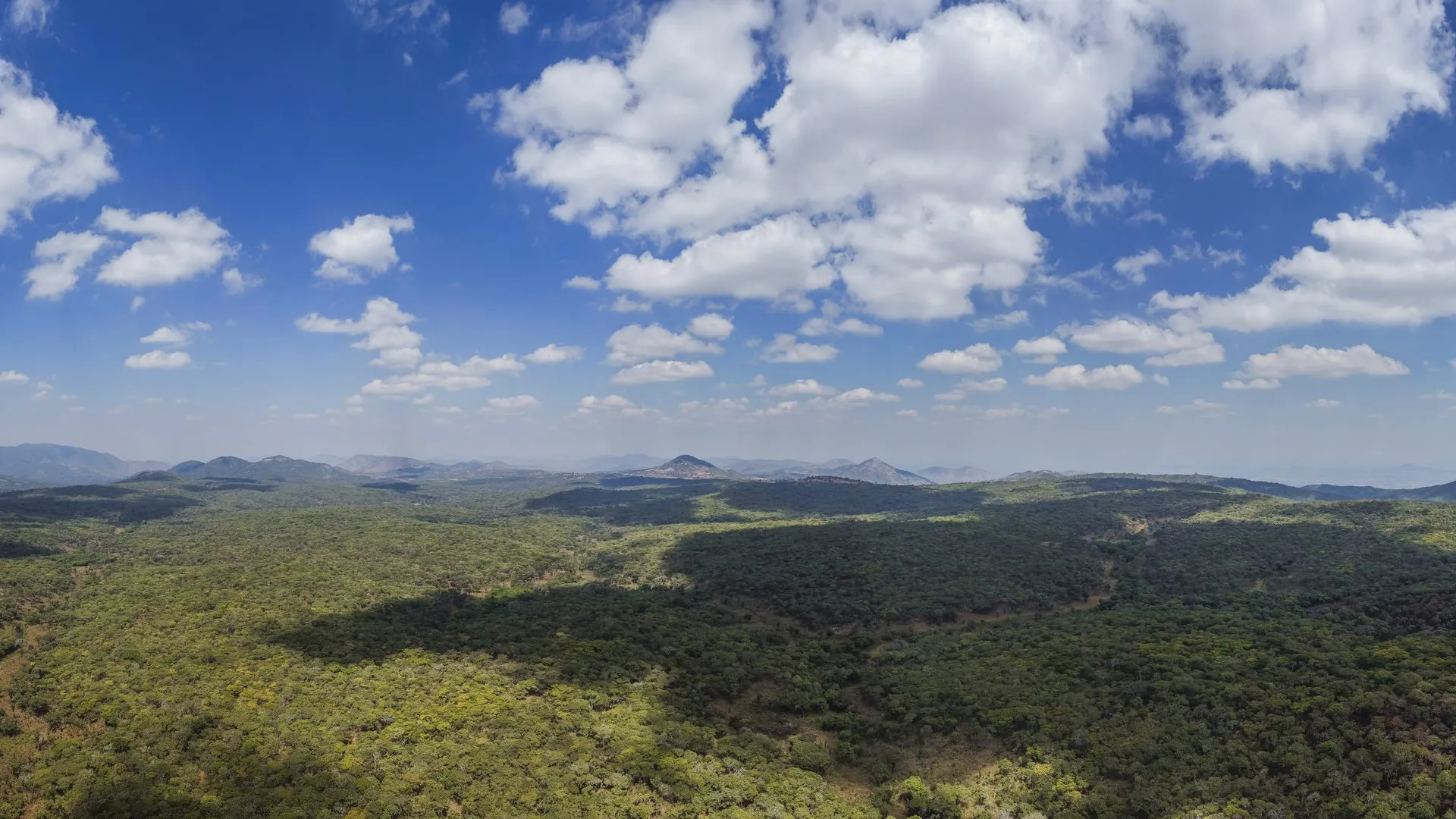 The Nyika Plateau, Malawi. Photo: Peace Parks Foundation.
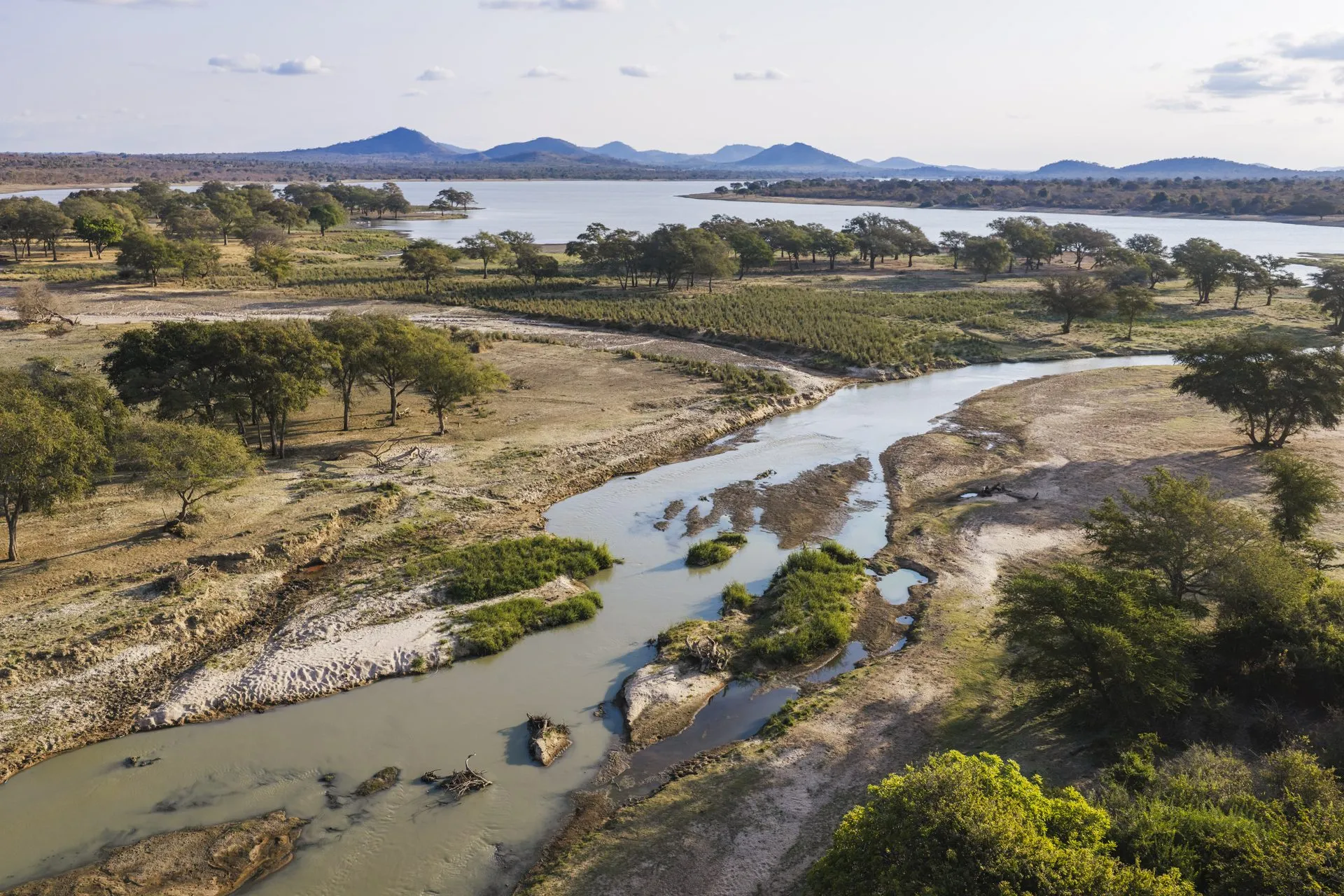 Vwaza Marsh Wildlife Reserve, part of the Nyika-Vwaza Complex, Malawi. Photo: Peace Parks Foundation.
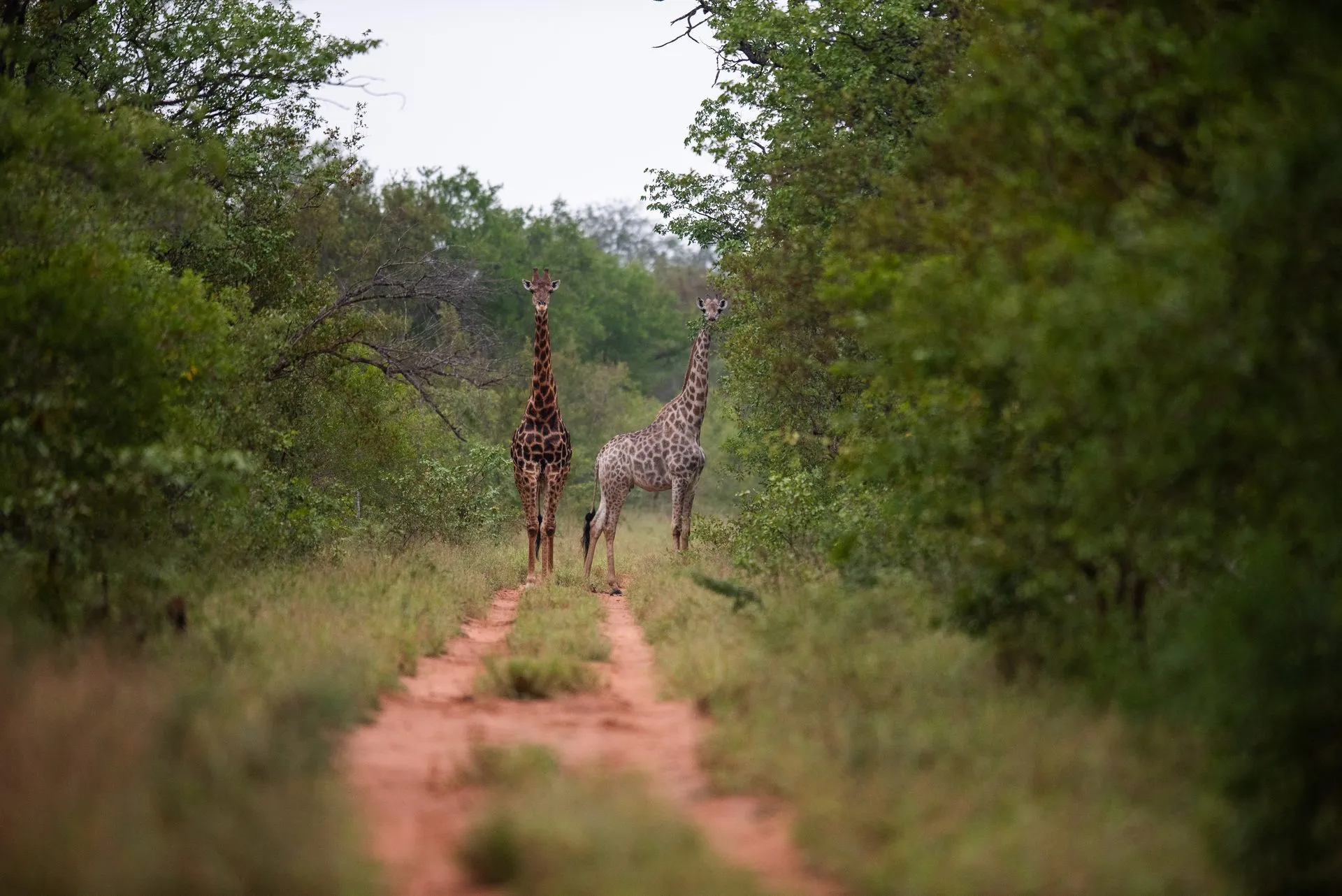 Giraffes in Limpopo National Park, Mozambique. Photo: Peace Parks Foundation.
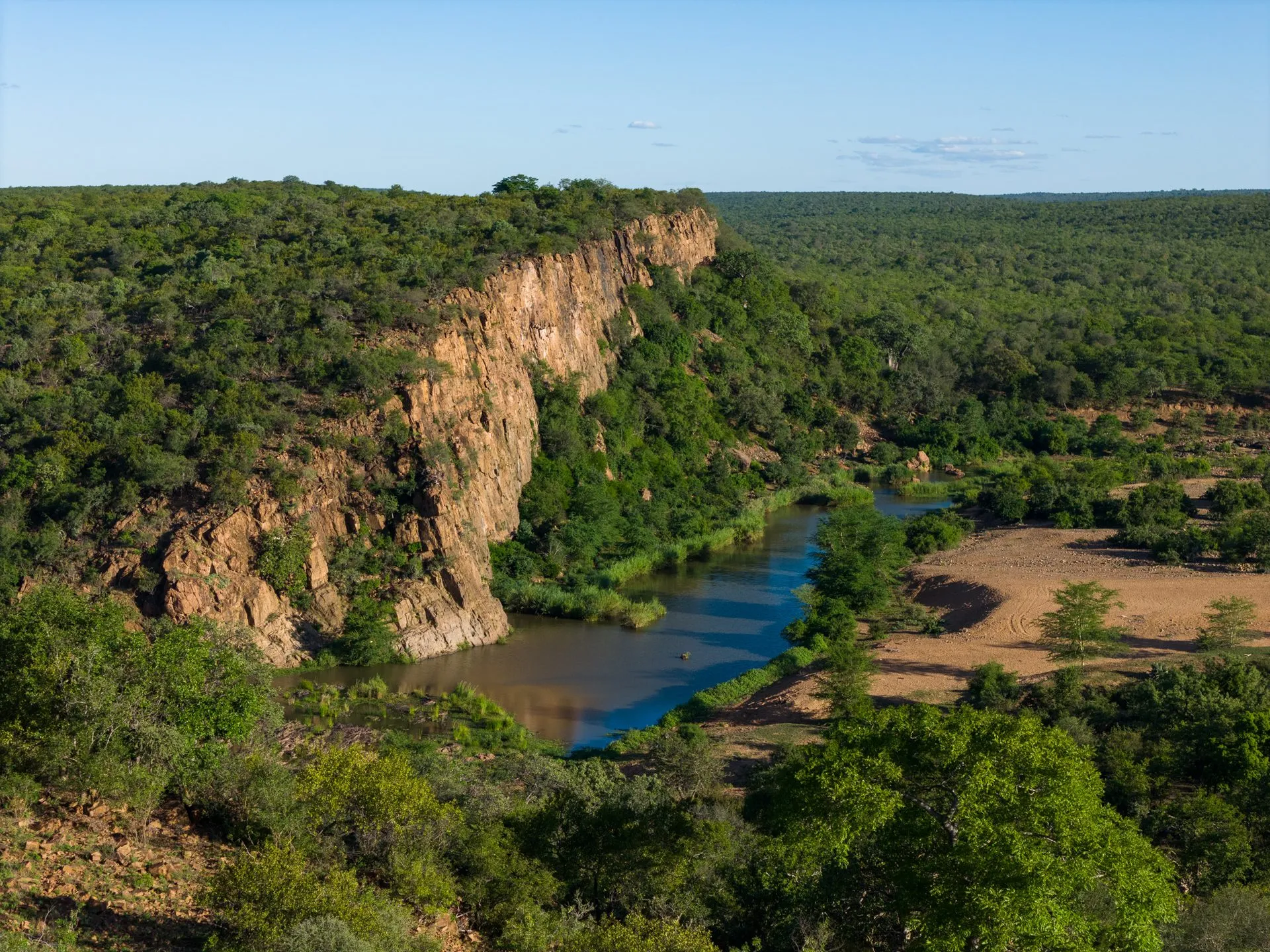 Limpopo National Park. Photo: Peace Parks Foundation.
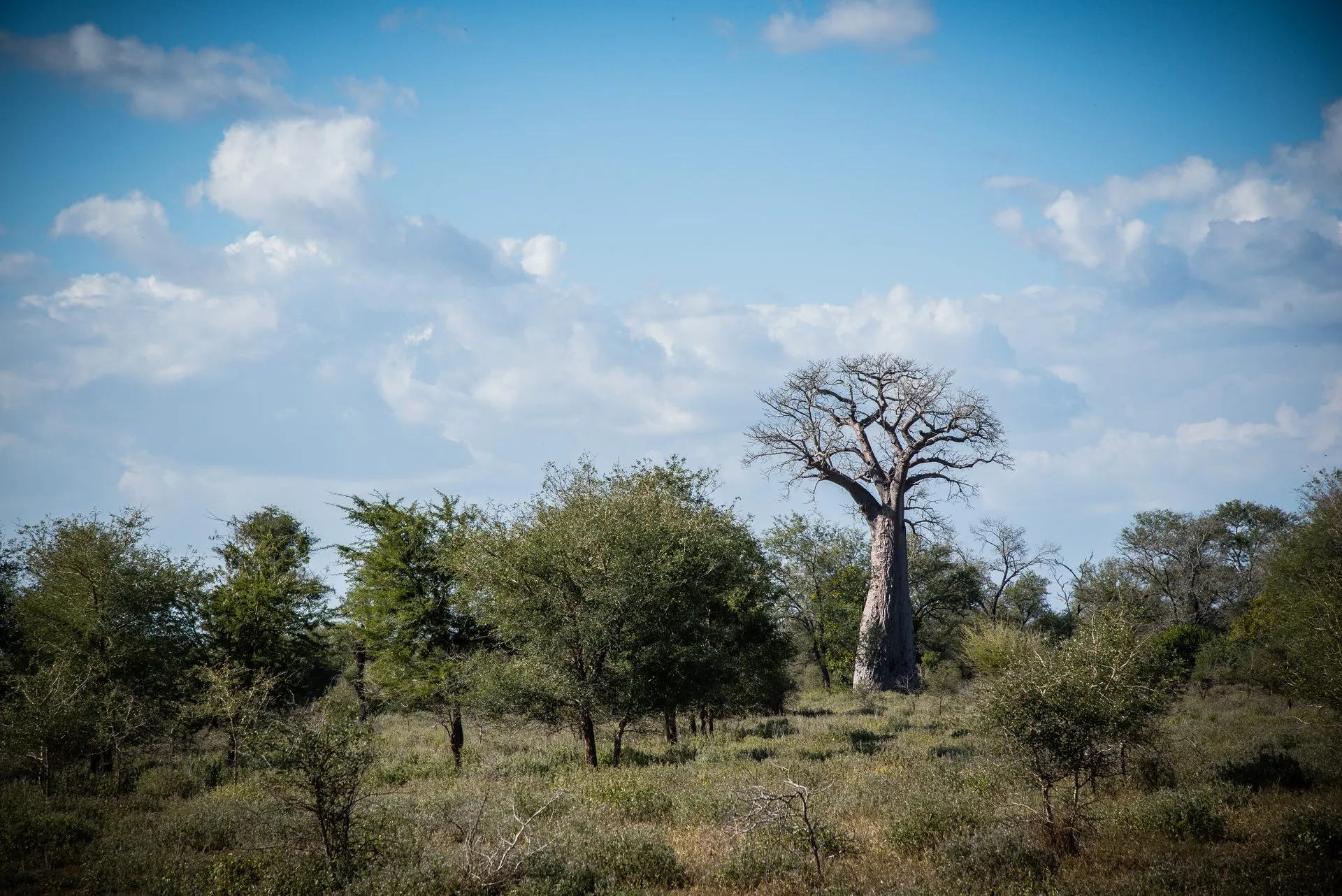 A baobab in Zinave. Photo: Peace Parks Foundation.
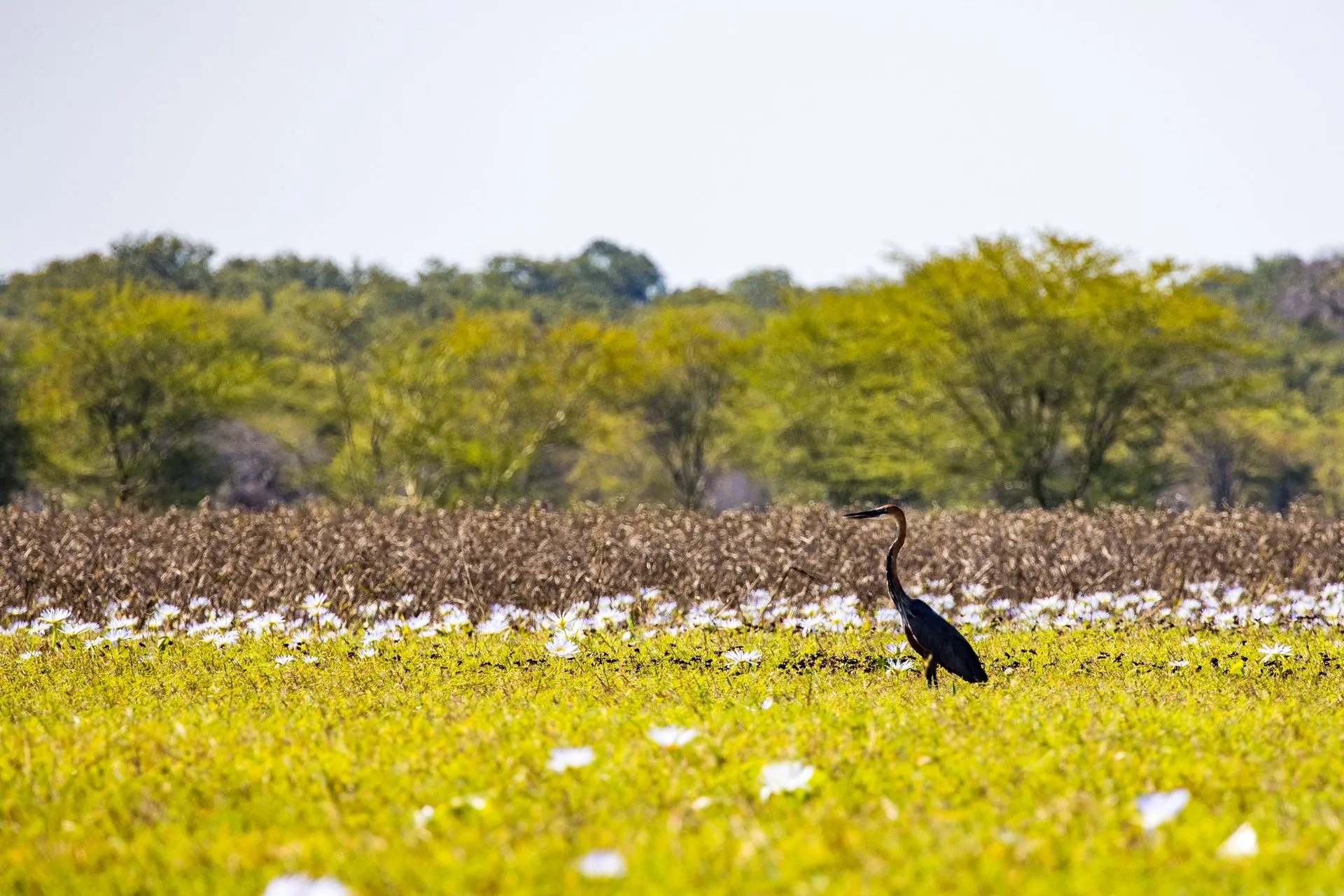 A Goliath heron in Banhine National Park, Mozambique. Photo: Peace Parks Foundation.
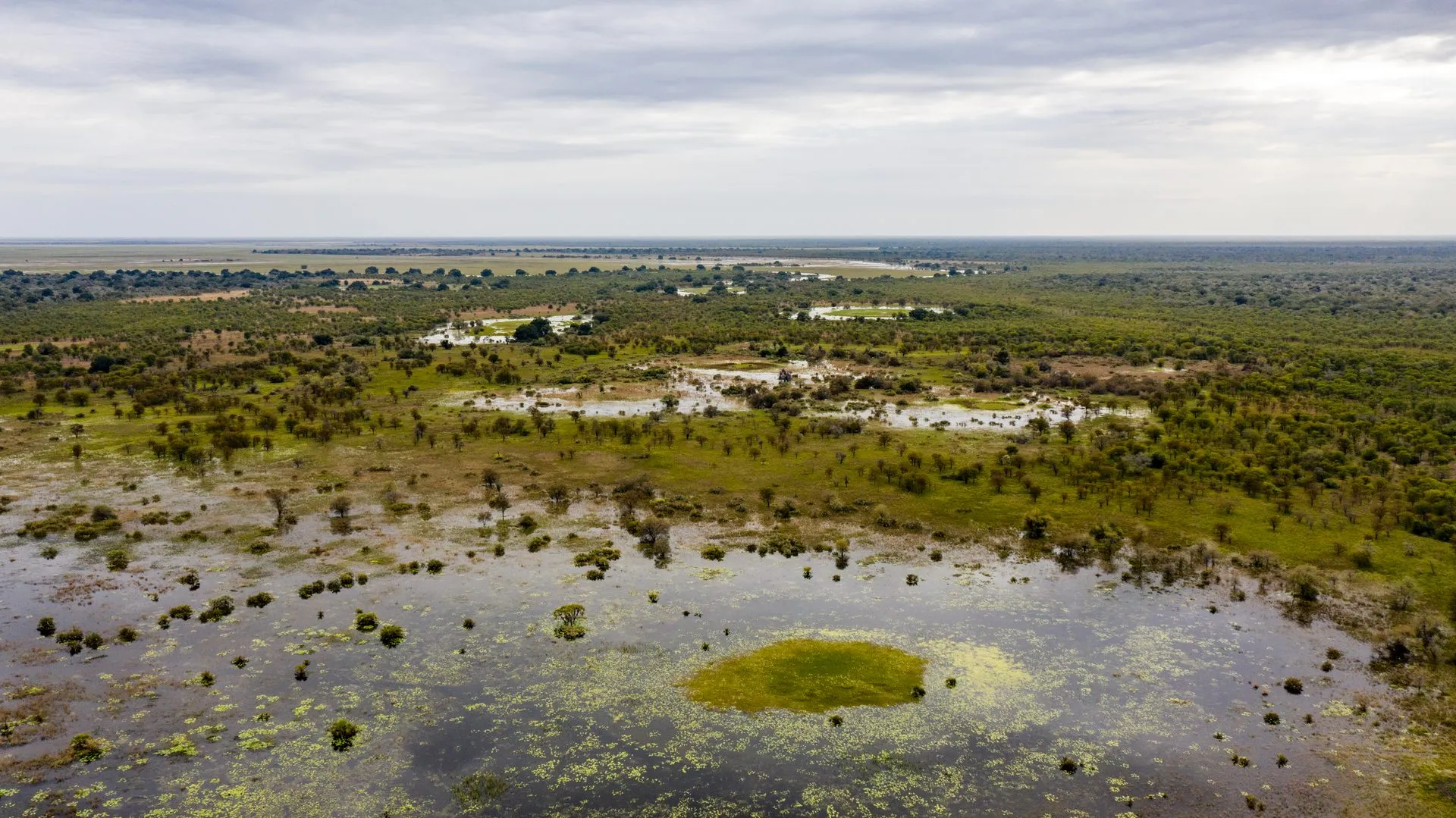 Banhine’s central wetland pans. Photo: Peace Parks Foundation.
What has worked elsewhere
Peace Parks, founded in 1997 by Nelson Mandela, Prince Bernhard of the Netherlands and Anton Rupert, co-manages eight protected areas with governments and says wildlife in them has increased fivefold. Neither organisation has said how the money will be split between the parks or over how many years.
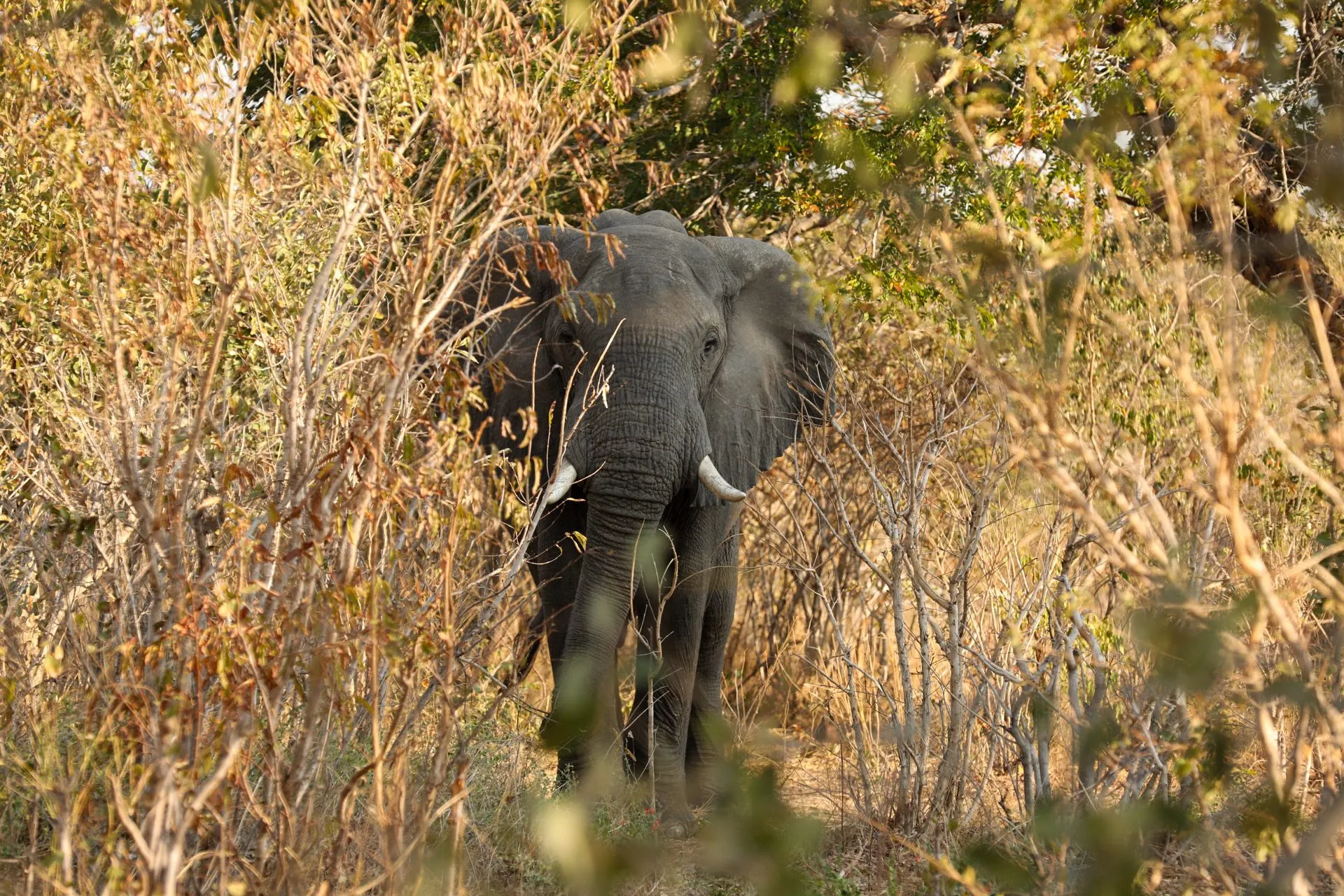 An elephant in Luengue-Luiana National Park, Angola. Photo: Peace Parks Foundation.
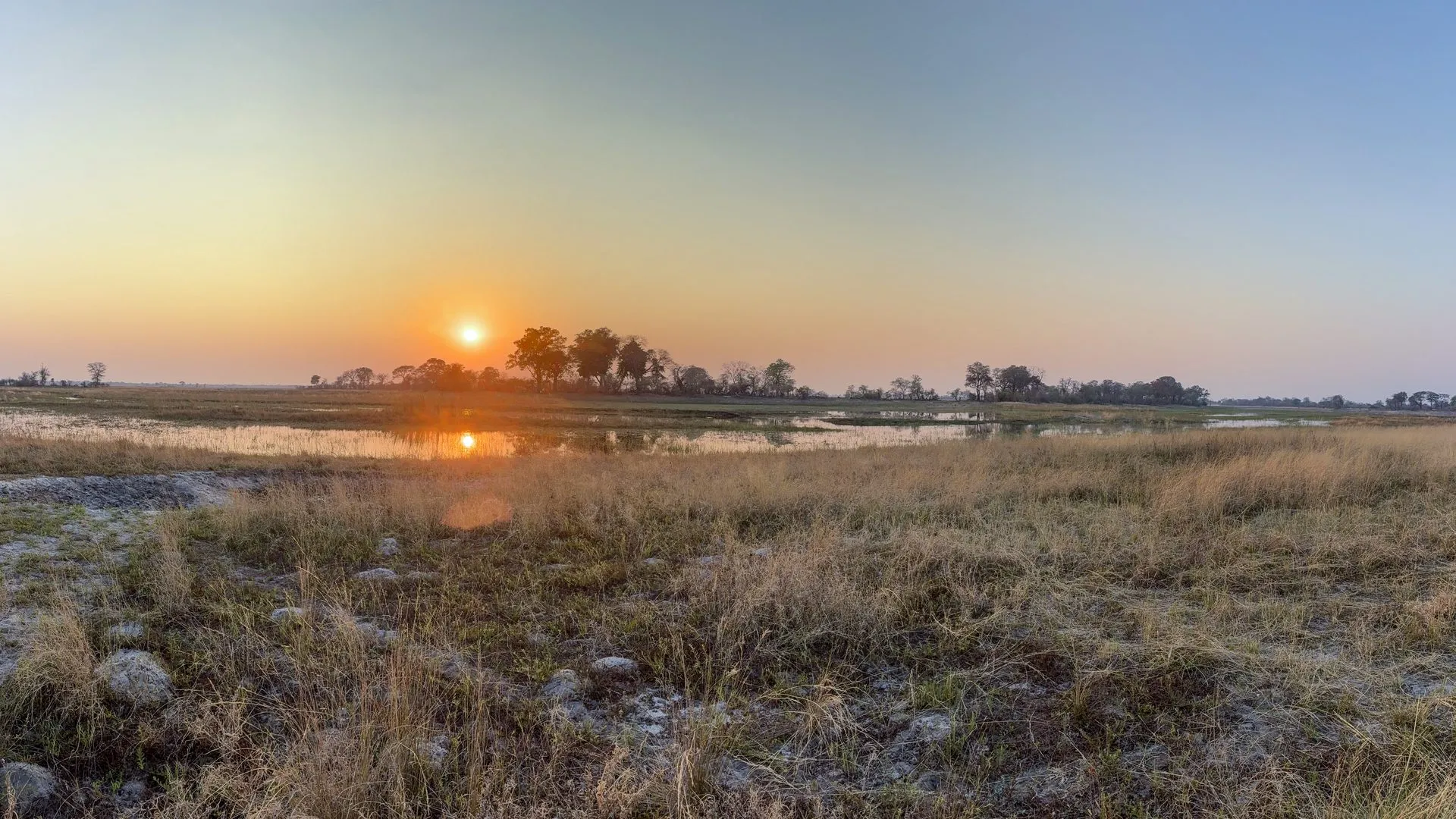 Sunset in Luengue-Luiana. Photo: Peace Parks Foundation.
Sources
- Club of Mozambique · Peace Parks and Rob Walton Foundation partner to strengthen six of Africa's most iconic protected areas (Peace Parks press release, 19 Nov 2026)
- Africa Sustainability Matters · Rob Walton Foundation commits $29.2 million to strengthen six African protected areas (19 Nov 2026)
- Peace Parks Foundation · photographs provided to the newsroom (email, 24 Nov 2026)