Borneo clinic that takes tree seedlings as payment wins BBVA Foundation biodiversity award
Indonesian organisation Alam Sehat Lestari (ASRI) has won the BBVA Foundation's Global Biodiversity Award, worth €250,000. Since 2007 it has offered affordable healthcare next to Gunung Palung National Park, in Borneo, and lets patients pay with native tree seedlings or reforestation work. A Stanford University study published in 2020 found deforestation in the area fell by 70%. That figure comes from a single study, which the jury has adopted.
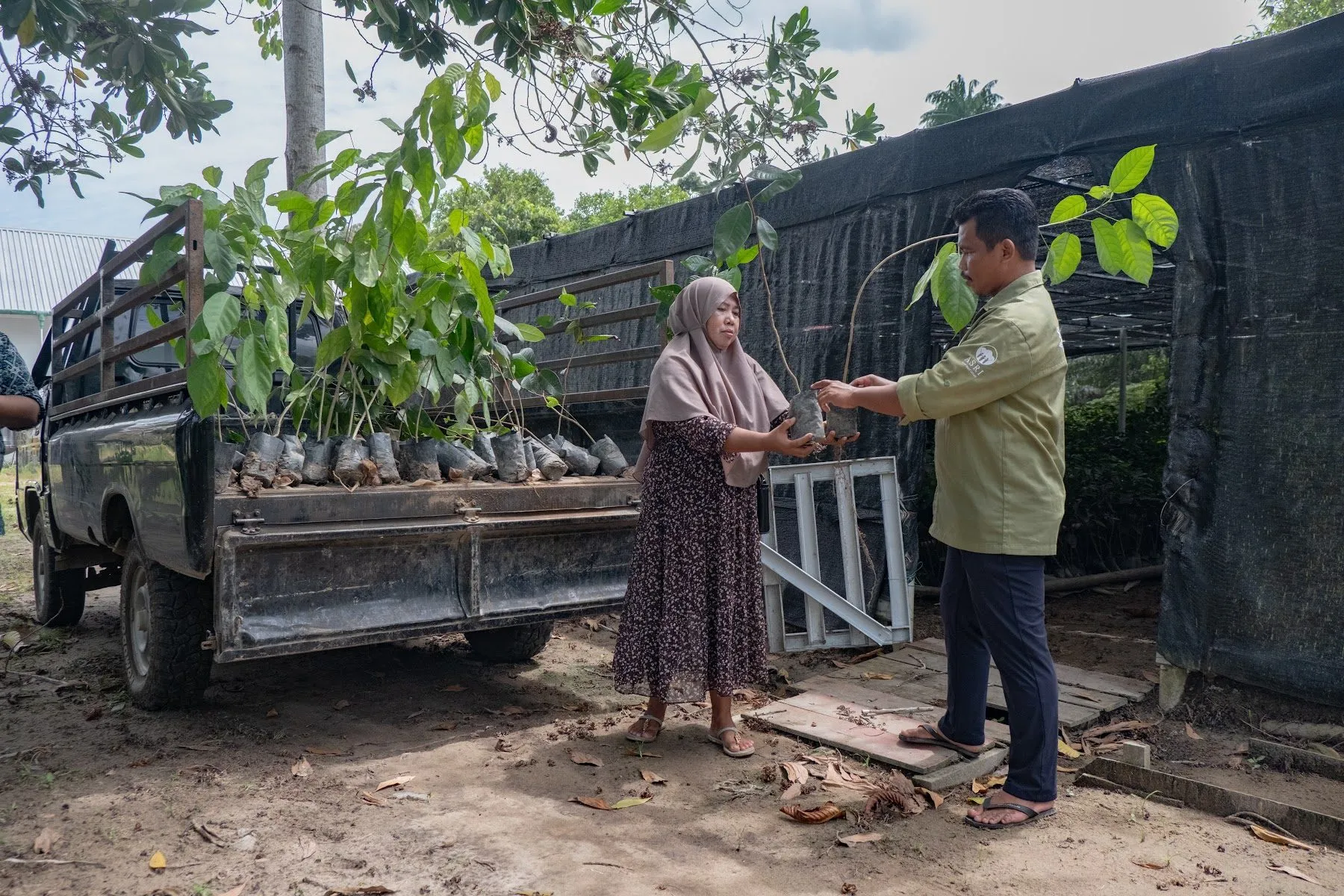
In the villages around Gunung Palung National Park, in West Kalimantan (Indonesian Borneo), a doctor’s visit can be paid for with cash, with hours of reforestation work or with native tree seedlings. That system, launched in 2007 by Alam Sehat Lestari (ASRI), has just won the BBVA Foundation’s Global Biodiversity Award, worth €250,000.
The jury, chaired by Rodolfo Dirzo of Stanford University, highlighted “the 70% reduction in deforestation” and “the recovery of thousands of hectares of tropical forest”. The figure comes from a Stanford study published in PNAS in 2020, as reported by Nova Ciencia.
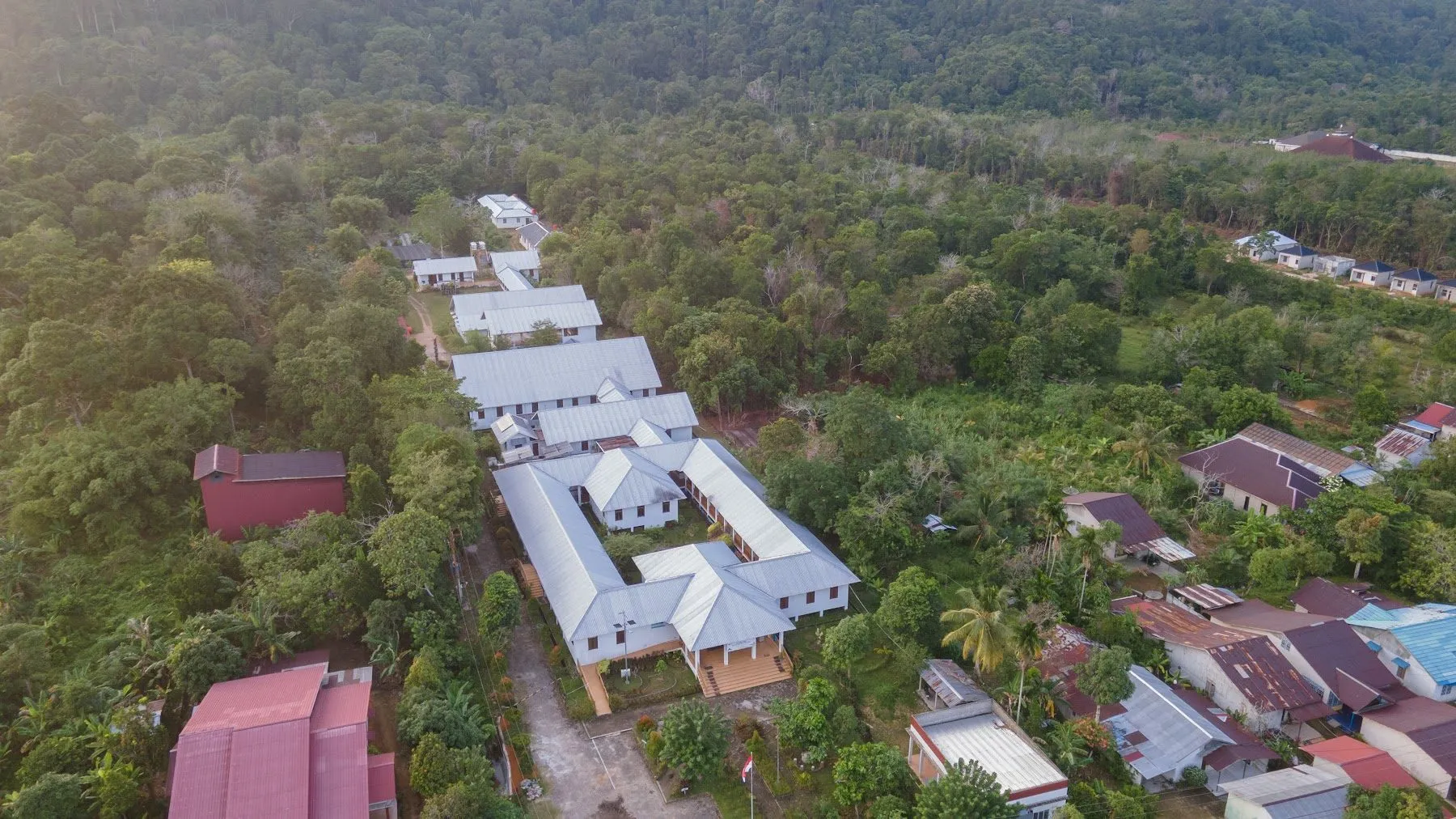
ASRI’s hospital, next to Gunung Palung National Park. Photo: ASRI · Alam Sehat Lestari.
Listening before offering anything
The park covers more than 100,000 hectares and is home to around 5% of the world’s remaining Bornean orangutans. Between 1989 and 2016 it lost about 10% of its forest cover to illegal logging, farming and fires. In some communities, up to 72% of households earned a living from cutting trees.
Before opening the clinic, ASRI spent more than 400 hours listening to some 500 representatives from 22 villages. “ASRI was born because the people cutting down trees were not really enemies of the forest,” says Yani Saloh, chair of its board. What they asked for was affordable healthcare.
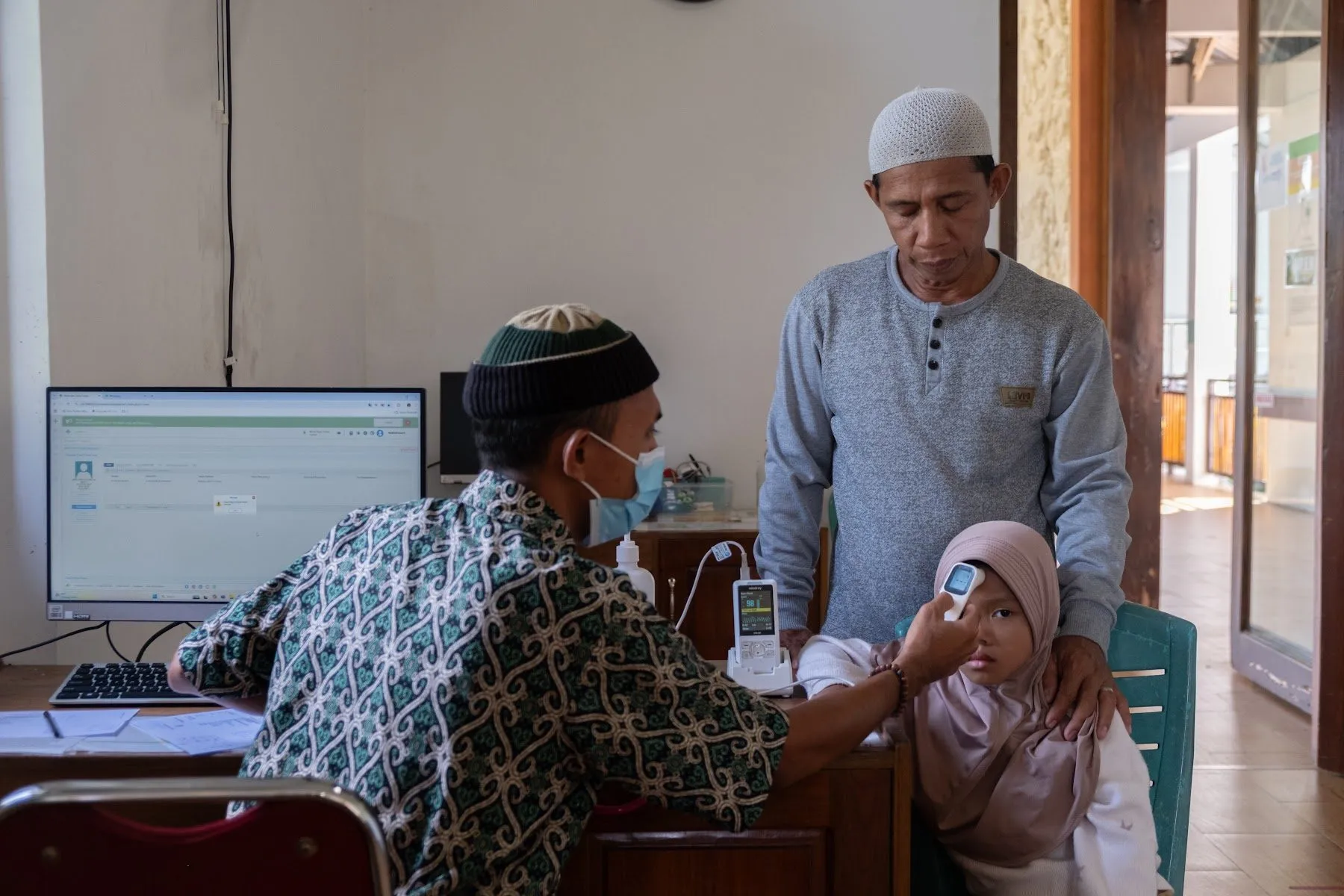
A consultation at the ASRI clinic. Photo: ASRI · Alam Sehat Lestari.
Medicines 70% cheaper
Villages that stopped logging entirely got a 70% discount on medicines. Patients can also hand in seedlings before they fall ill and build up credit for when they need care, one of the first health savings schemes in the region. ASRI runs mobile clinics for remote areas, teaches organic farming and buys back chainsaws so that those who made a living from logging can give it up.
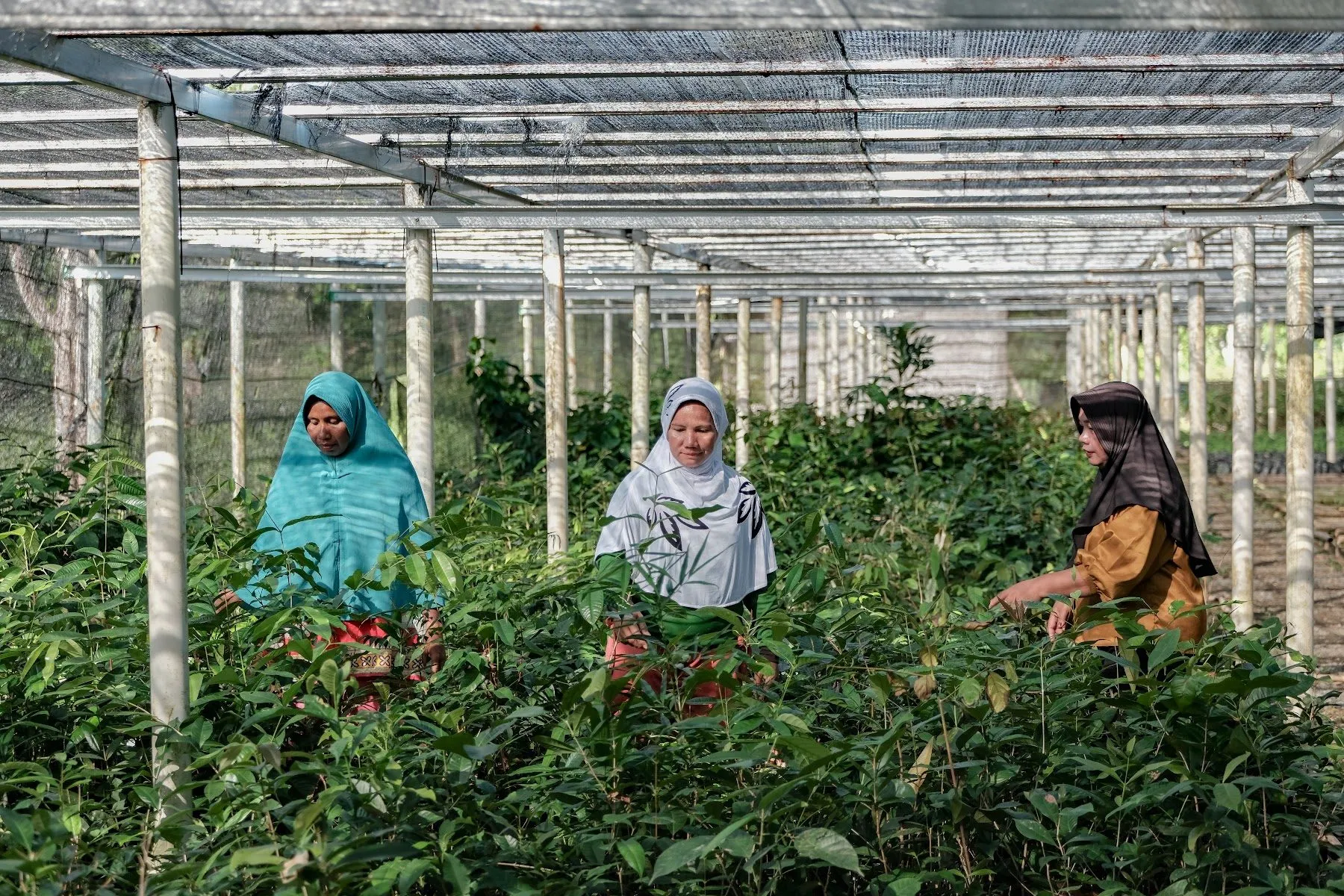
Villagers at the ASRI nursery. Photo: ASRI · Alam Sehat Lestari.
According to the Stanford study, the programme prevented the loss of about 2,740 hectares of forest and the emission of about 2.16 million tonnes of CO₂, and cut economic dependence on illegal logging by 90%. Camera traps have recorded 47 species returning to the forest, including the Bornean orangutan and the Sunda pangolin, both critically endangered.
“People’s health and the health of the environment are inextricably linked,” says Kinari Webb, ASRI’s founder.
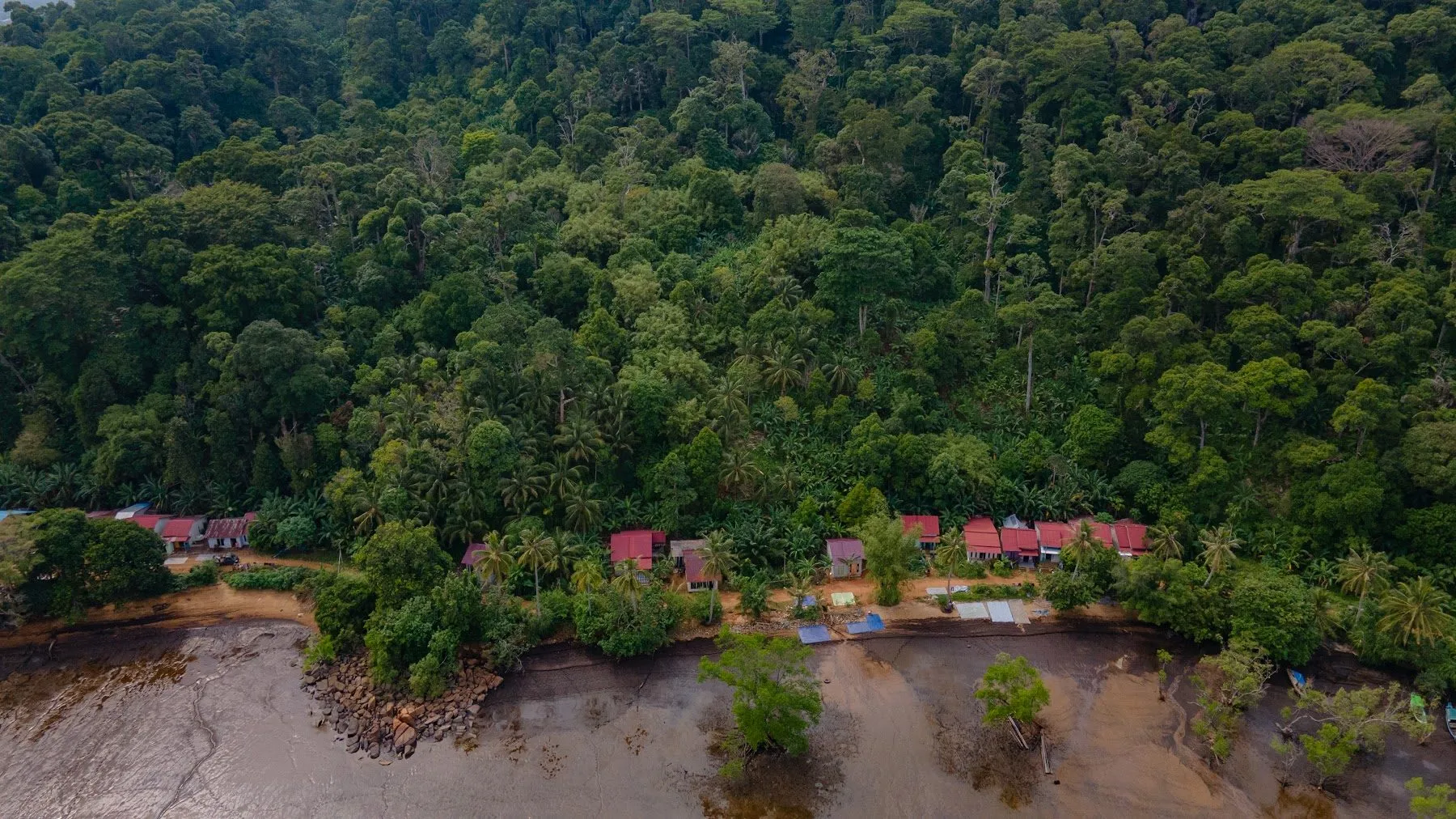
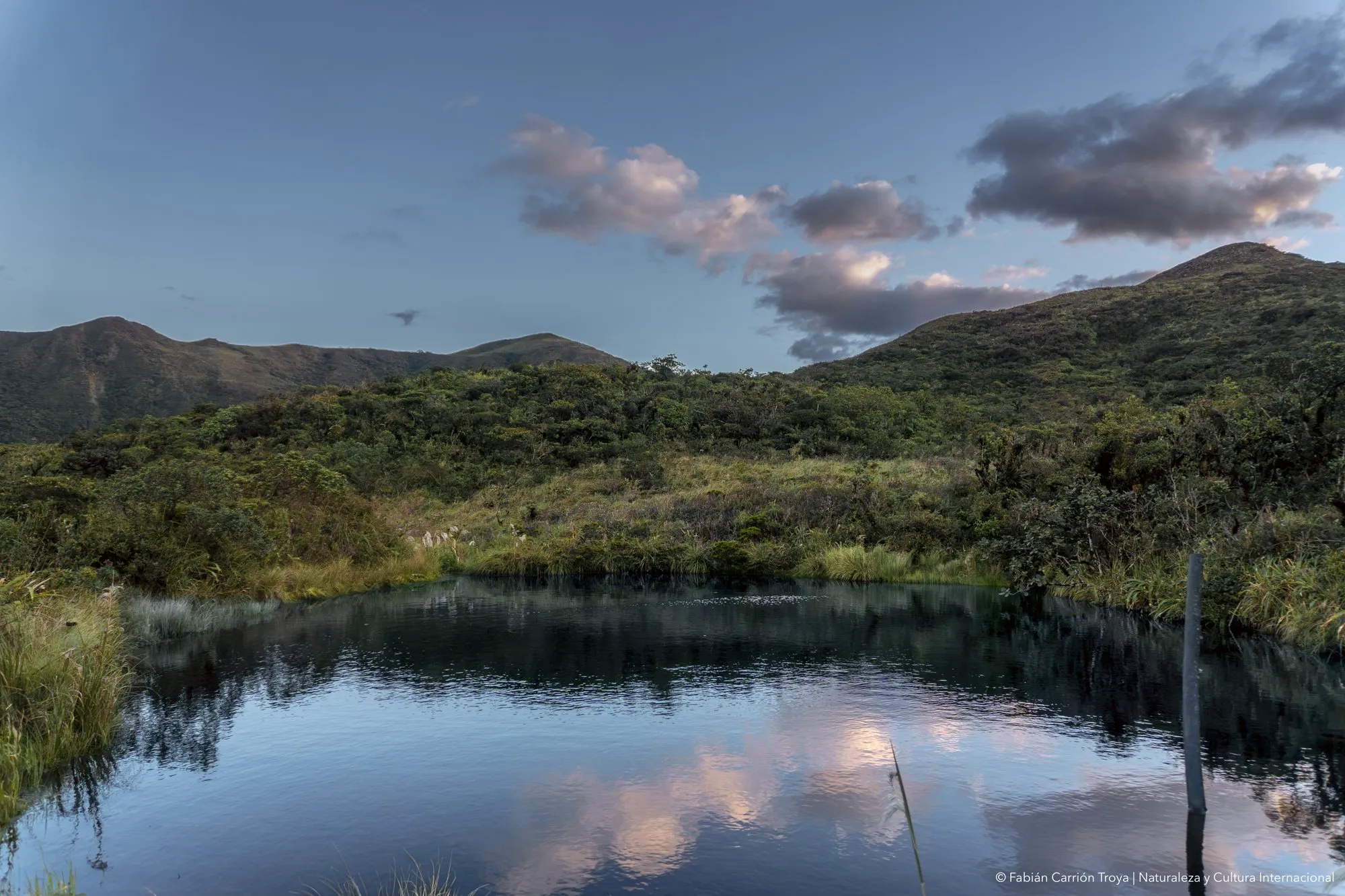
The forest next to the Gunung Palung communities. Photo: ASRI · Alam Sehat Lestari.
The model has already been used in Madagascar, Brazil and Panama. This year’s other two international awards went to Mexico’s Island Ecology and Conservation Group (GECI), for restoring 27 of 31 seabird colonies, and to the Rwanda Wildlife Conservation Association, for its work with grey crowned cranes.
Sources
- Nova Ciencia · 21st BBVA Foundation Biodiversity Awards: island ecosystems in Mexico, cranes in Africa and tropical forests in Indonesia (17 Nov 2026, in Spanish)
- Greentology · BBVA Foundation rewards initiatives in Mexico, Rwanda and Indonesia (18 Nov 2026, in Spanish)
- ASRI · photo permission (email to the newsroom, 24 Nov 2026)