Mali builds its own solar cookers to cut reliance on firewood
Solar Cookers International and the Malian company Togotilé have handed out 170 locally made solar cookers in two pilot communities, backed by the UN Climate Technology Centre and Network. They reach more than 2,400 people who used to depend on firewood and charcoal. The caveat: this is a pilot, and those behind it say funding is still needed to reach the poorest households.
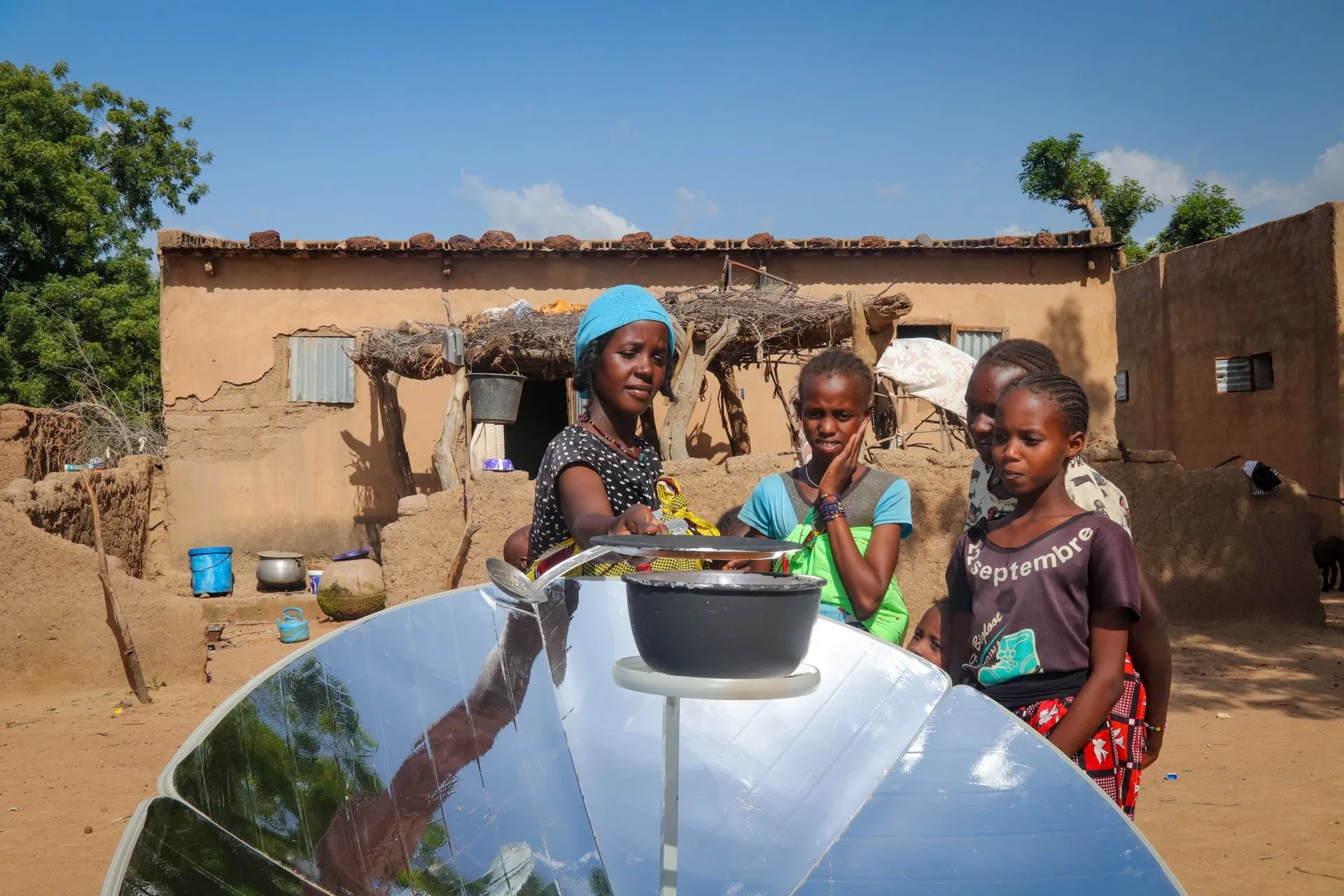
“Women feel that solar cookers give them time,” says Seydou Coulibaly, director of Togotilé, a Malian company that specialises in solar cookers. In rural Mali, gathering wood for cooking falls to women and children, and it drives the loss of forests. “Our forests are disappearing,” he told the EFE news agency at the COP31 climate summit in Antalya, Türkiye.
Togotilé works with the US charity Solar Cookers International (SCI) and the UN Climate Technology Centre and Network (CTCN). According to SCI, the project has handed out 170 cookers made in Mali in two pilot communities, reaching more than 2,400 people. It is a first phase: Coulibaly and Alan Bigelow, SCI’s director of programs, agree that money is now the missing piece to get cookers to low-income homes.
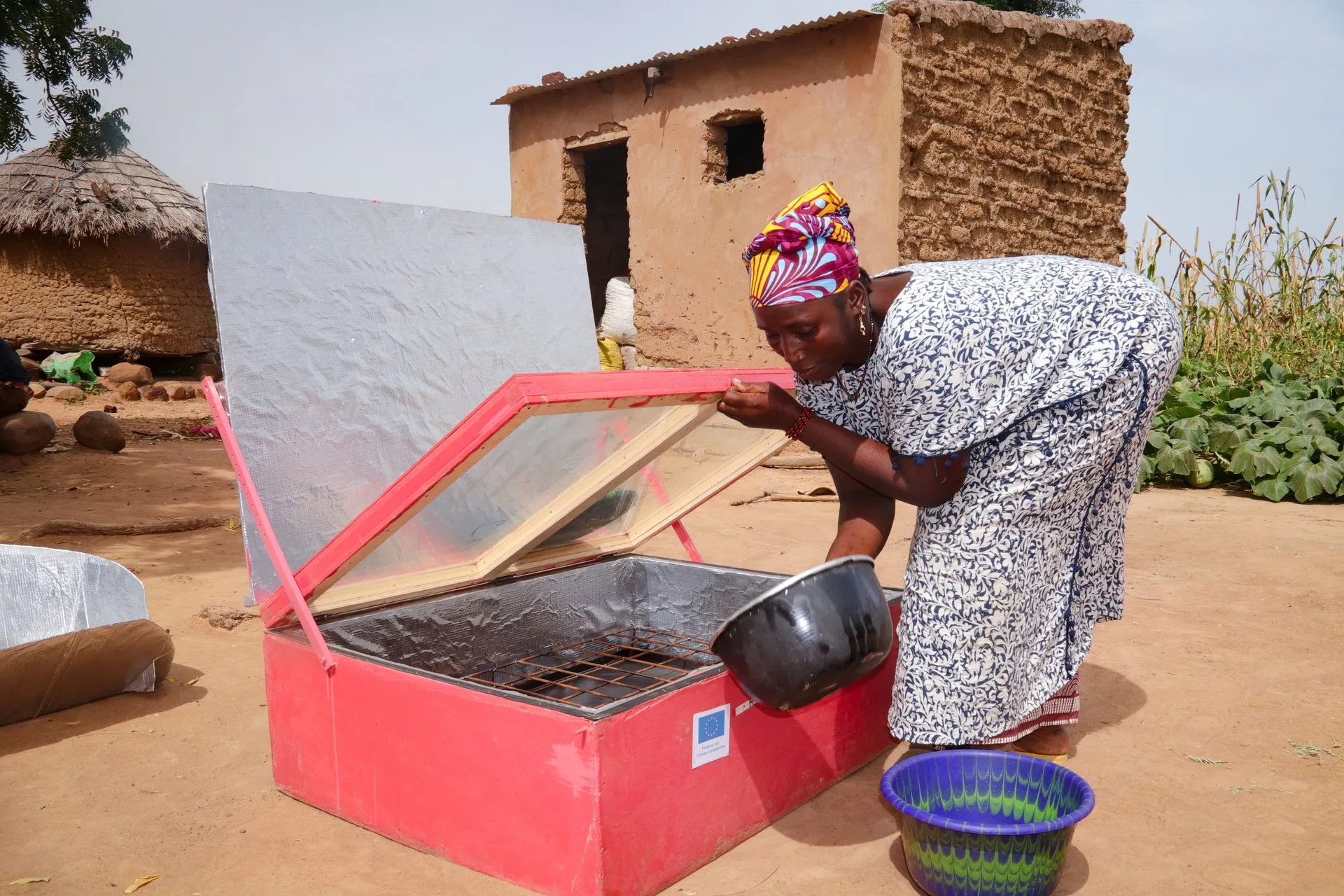 A solar box oven, one of the project’s models. Photo: Emmanuel Théra / Solar Cookers International.
Box ovens and parabolic mirrors
The project first tested four different designs, made in the country, before handing them out. Box ovens focus sunlight on a dark pot under a clear lid and suit slow cooking. Parabolic reflectors, shaped like satellite dishes, get hotter: they boil water quickly and can fry at more than 100°C, Bigelow told EFE.
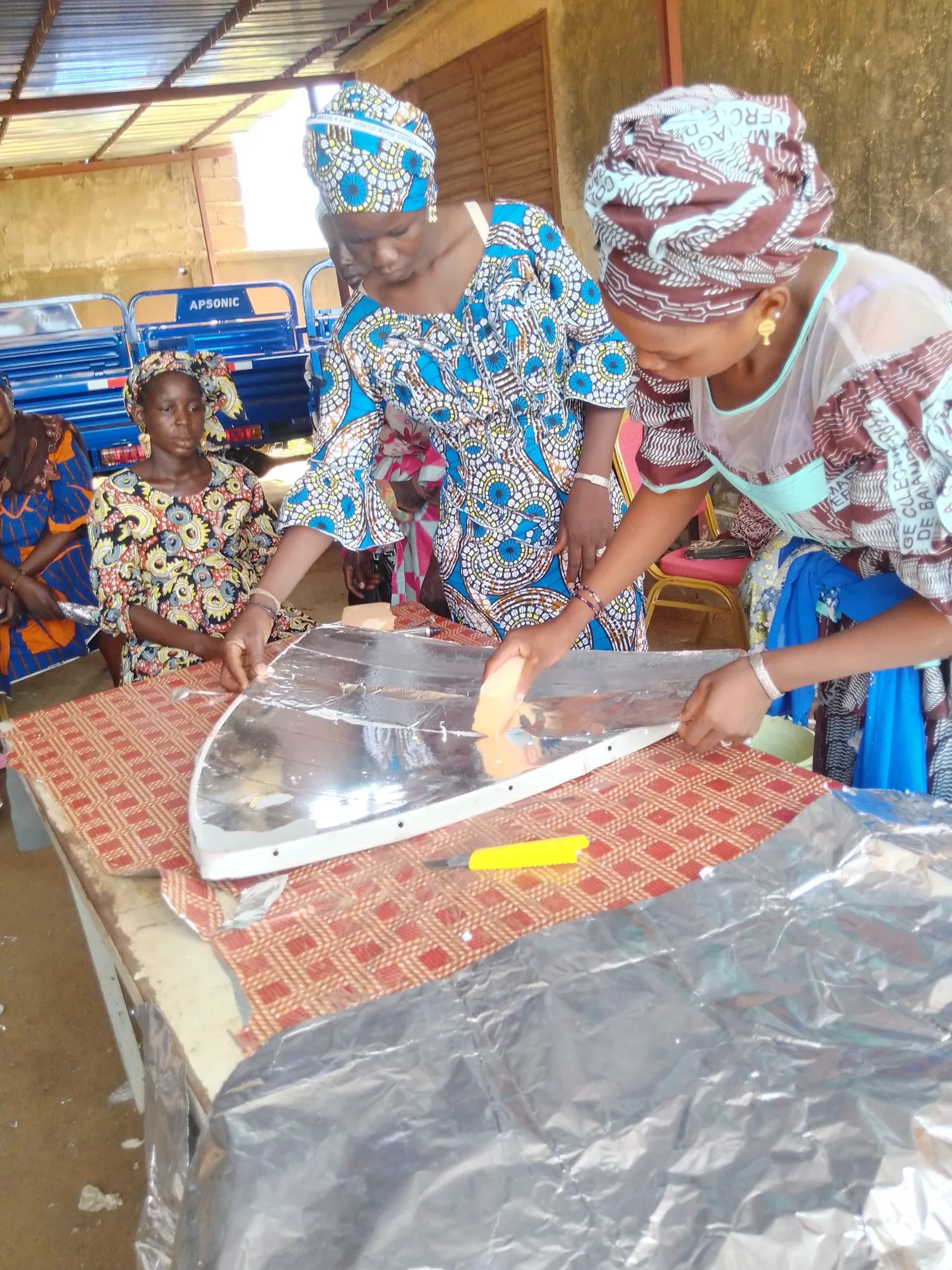 Working on reflector panels in Mali. Photo: Emmanuel Théra / Solar Cookers International.
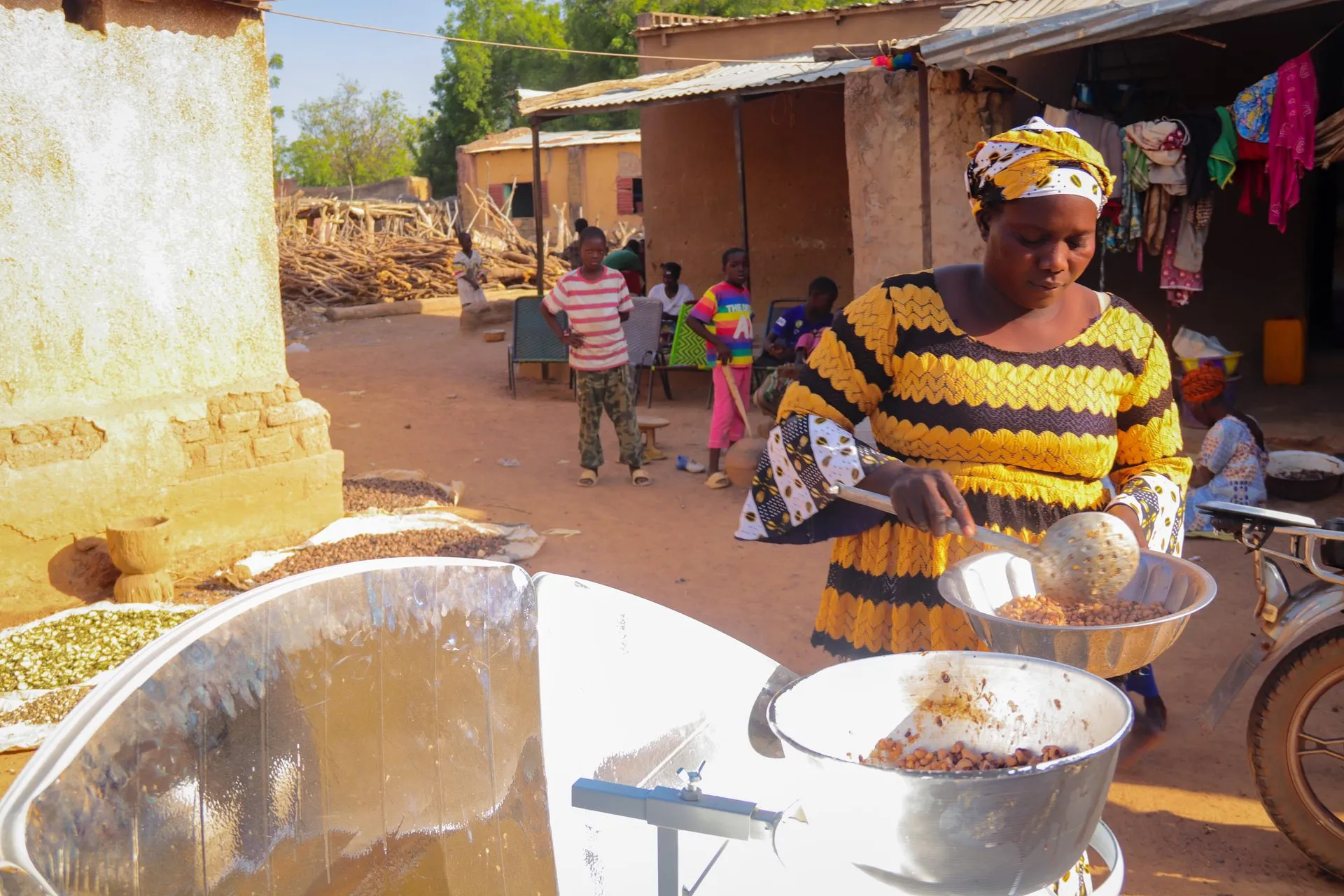 Photo: Emmanuel Théra / Solar Cookers International.
Less smoke, less spent on fuel
According to SCI, 95% of urban households in Mali cook with firewood or charcoal, and according to the World Bank, less than 1.5% of the population has access to clean cooking fuels. Open-fire cooking affects some 2 billion people worldwide, and the smoke causes respiratory and eye diseases, mostly in women and young children. The poorest families can spend “up to a quarter or more” of their budget on cooking fuel, Bigelow says. Sunlight is free.
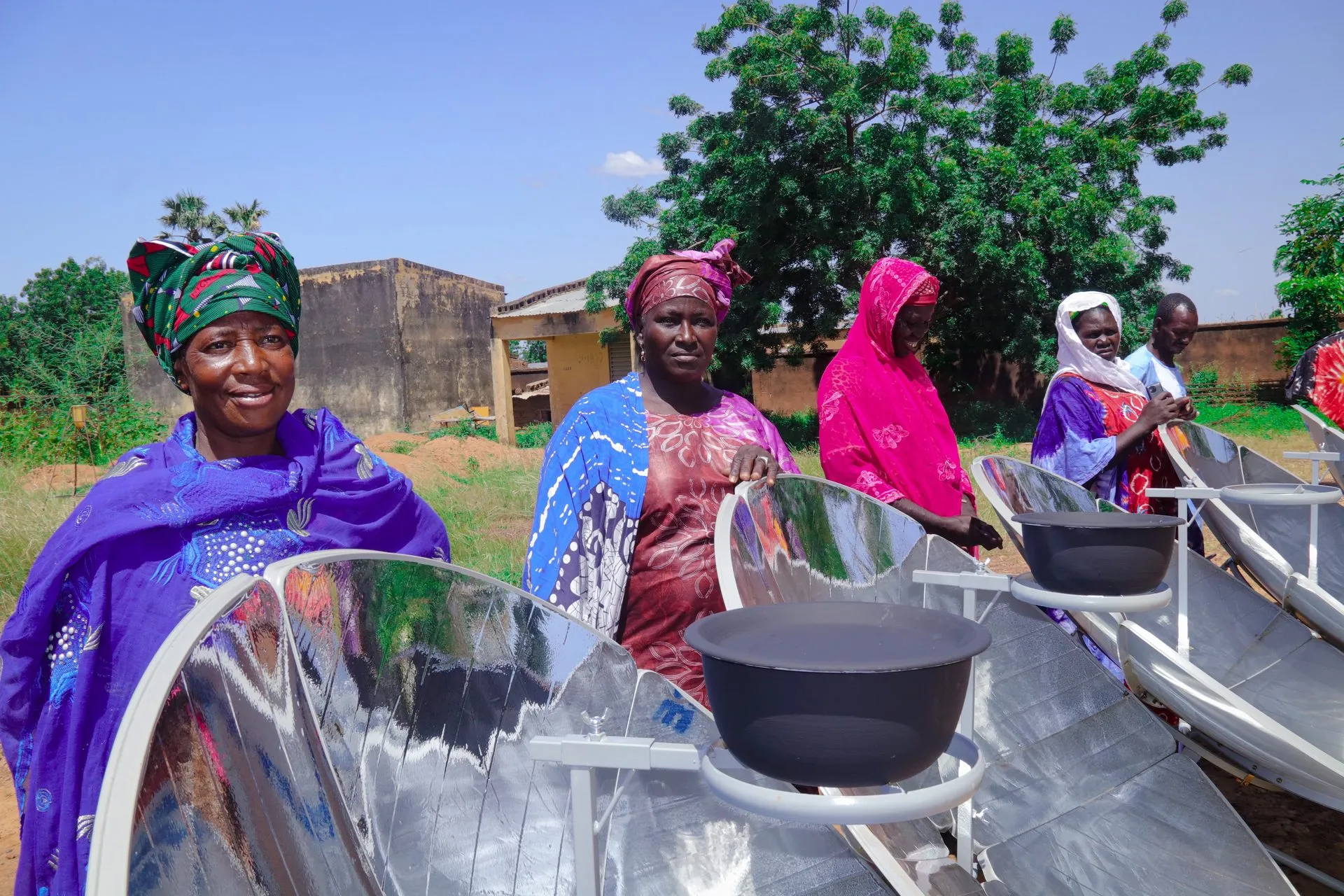 Photo: Emmanuel Théra / Solar Cookers International.
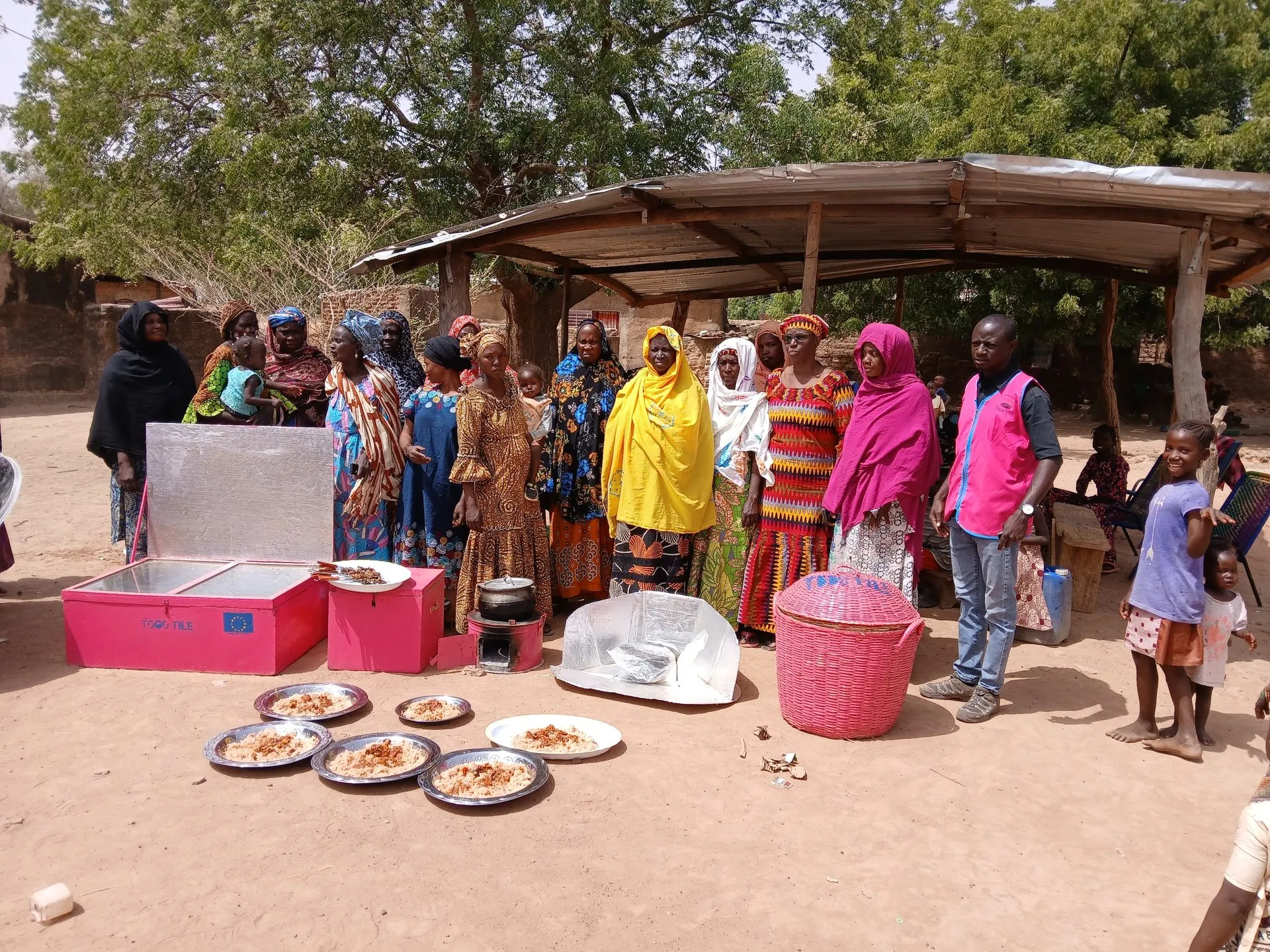 Photo: Emmanuel Théra / Solar Cookers International.
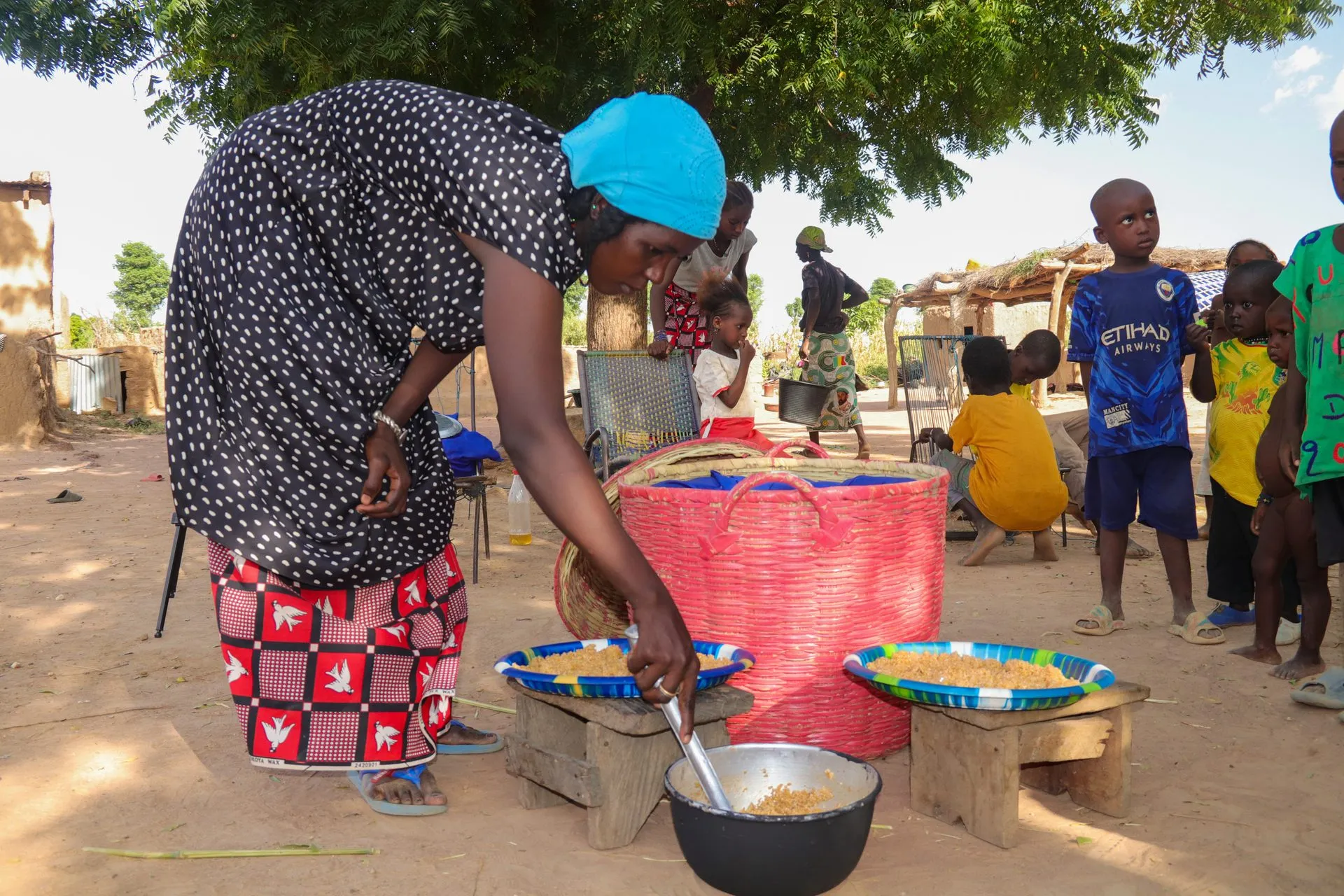 Photo: Emmanuel Théra / Solar Cookers International.
Six regions next
Women in the communities are trained as solar cooking advocates, and making and distributing the cookers creates work for women and young people, according to SCI. The project has the backing of Mali’s government, and Togotilé and SCI want to take it to six regions of the country. SCI is also drawing up a national roadmap to scale up solar cooking in Mali.
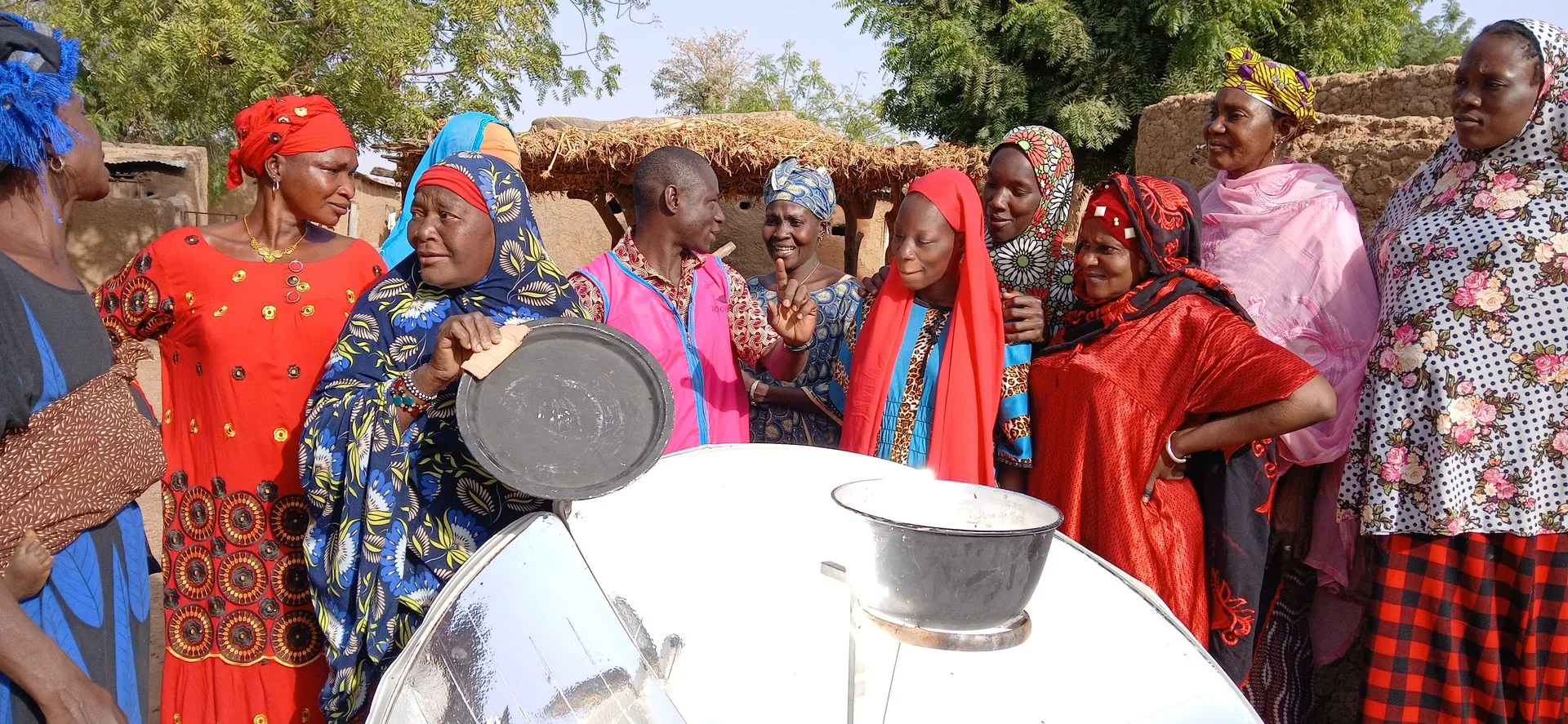 Photo: Emmanuel Théra / Solar Cookers International.
Sources
- Solar Cookers International · Solar Cooking for Climate Resilience in Mali
- EFE via Yahoo Noticias · When a solution to deforestation in Africa starts in the kitchen (18 Nov 2026, Spanish)
- Solar Cookers International · Cooking with the Sun: a new clean cooking collaboration with the United Nations
- Solar Cookers International · photographs by Emmanuel Théra (email to the newsroom, 19 Nov 2026)