Ecuador adds 15,108 hectares of forest and water sources to Podocarpus National Park
The park, between Loja and Zamora Chinchipe, grows from 138,492 to 153,600 hectares, almost 11% more, under a ruling by Ecuador's Ministry of Environment and Energy dated 30 October. It takes in the Abra de Zamora, where the ministry cites records of 14 amphibian species new to science, and the Numbala river valley. The caveat: the announcement gives no budget or timeline for managing the new area.
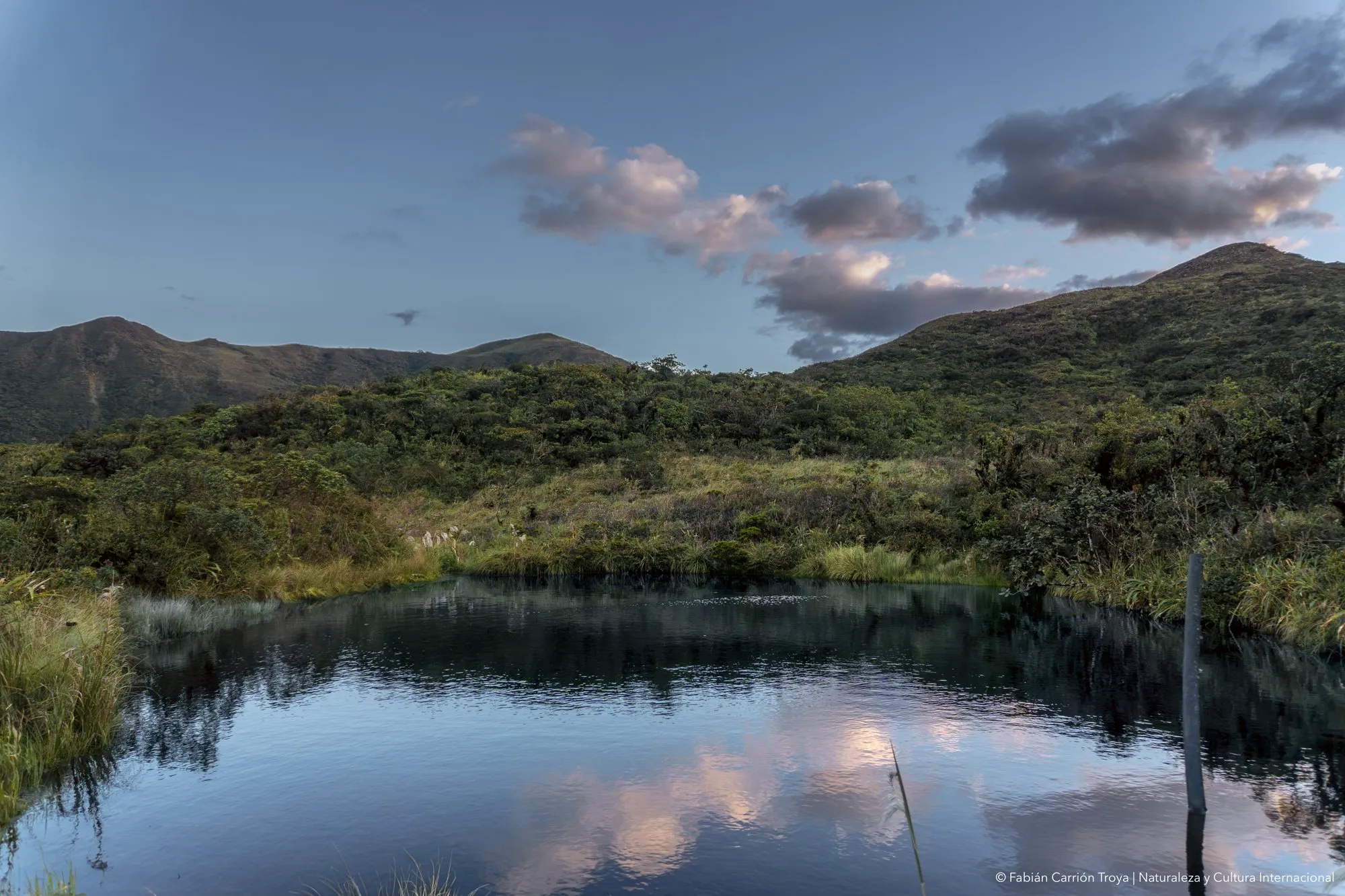
In the Abra de Zamora, a mountain pass on the northern edge of Podocarpus National Park, Ecuador’s Ministry of Environment and Energy cites records of 14 amphibian species new to science. Since 30 October, that place has been inside the park.
The ministry made the expansion official through ruling MAE-MAE-2026-0110-AM. According to Teleamazonas and El Comercio, the protected area gains 15,108.27 hectares, growing from 138,492.58 to 153,600.86, almost 11% more. The new boundaries cover ten parishes in the cantons of Loja, Zamora and Palanda, between the provinces of Loja and Zamora Chinchipe, near the border with Peru.
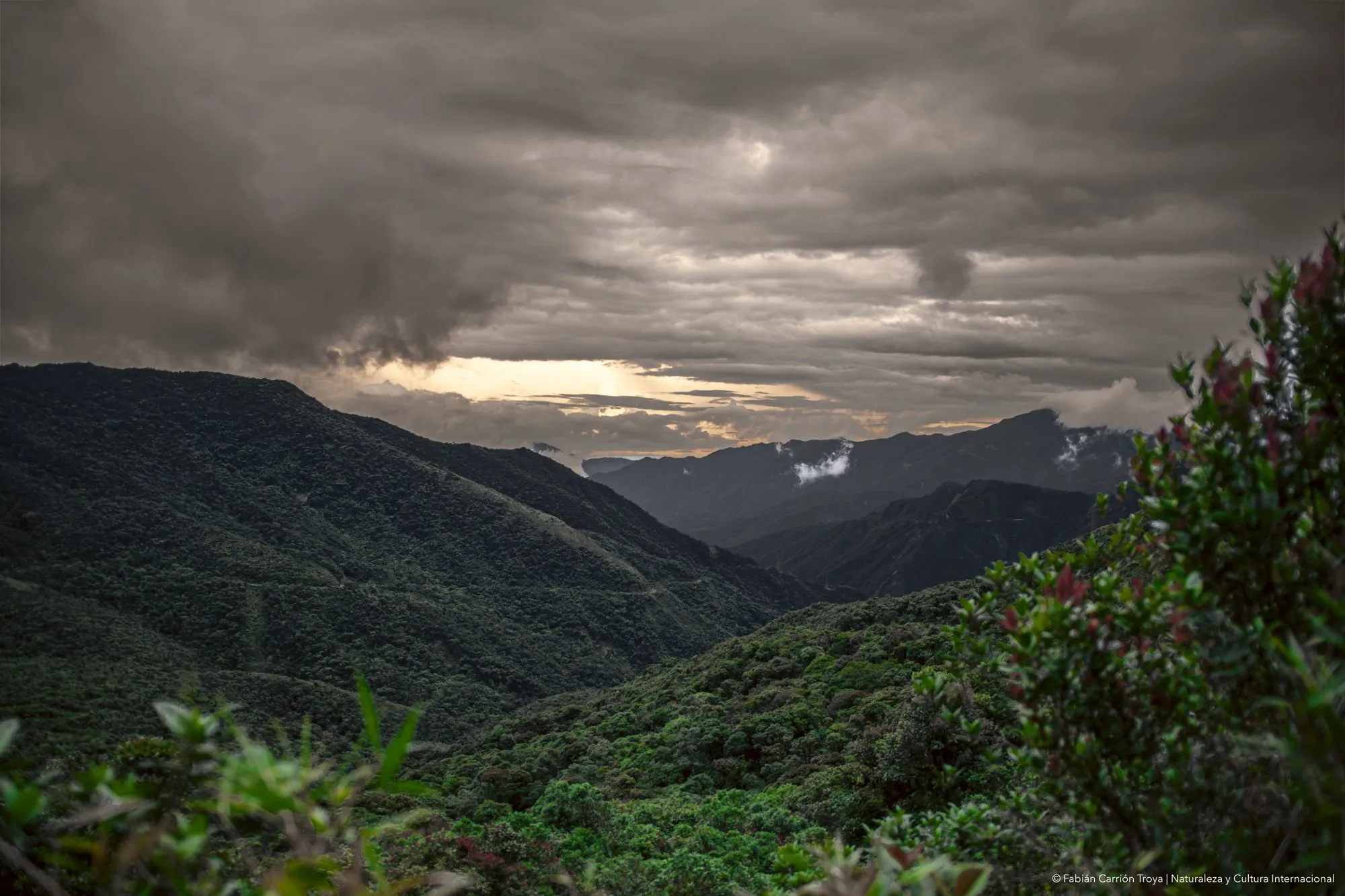 Sunset over the Abra de Zamora. Photo: © Fabián Carrión Troya / Nature and Culture International.
From the Zamora pass to the Numbala valley
The expansion adds two main areas. In the north, the Abra de Zamora, with forest, scrub and grassland. In the south, the Numbala river valley, which still holds remnants of Podocarpus forest, the tree that gives the park its name.
The aim, according to the ministry, is to protect the area’s forests and water sources and to better connect the Andean ecosystems of southern Ecuador, so that plants and animals can move between them.
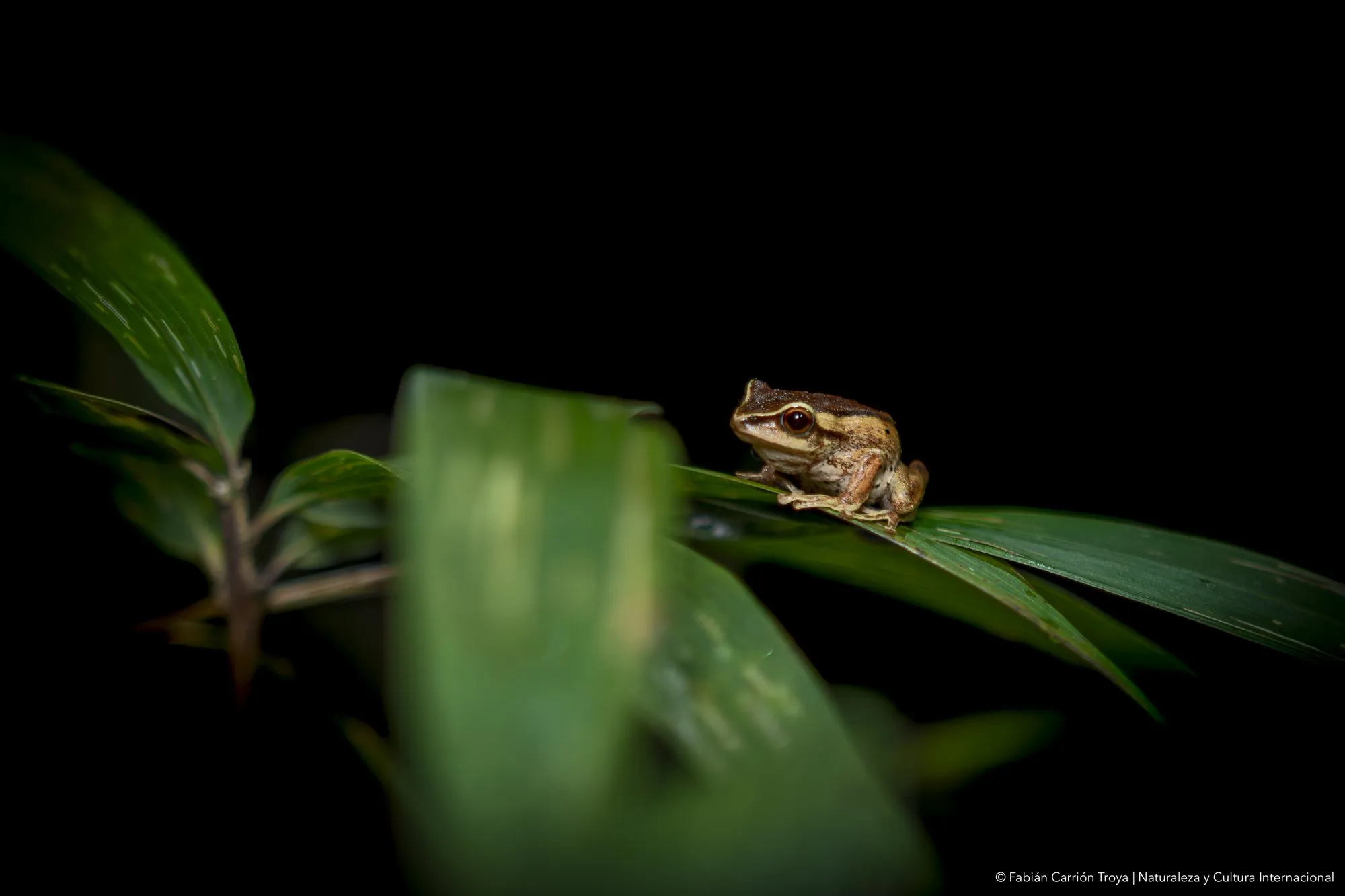 A frog in the Abra de Zamora. Photo: © Fabián Carrión Troya / Nature and Culture International.
What still needs to be spelled out
The park administration, the ministry’s protected areas directorate, its regional offices 7 and 10 and the organisation Nature and Culture International all took part in the process.
What the published information does not say is what budget and timeline will be used to manage the new area. That will decide whether the 15,108 hectares move from the map to the ground.
Sources
- Teleamazonas · Amplían 15 000 hectáreas en el Parque Nacional Podocarpus para proteger bosques (11 Nov 2026, Spanish)
- El Comercio · Parque Nacional Podocarpus amplía su superficie en Loja y Zamora Chinchipe (Spanish)
- EFE via Infobae · Ecuador adds more than 15,000 hectares to a protected park near Peru (11 Nov 2026, Spanish)
- Nature and Culture International · photos (email to the newsroom, 18 Nov 2026)