Two remote Marshall Islands atolls are still near-pristine, and now a marine sanctuary
A University of Hawai'i and National Geographic Pristine Seas study in Frontiers in Marine Science profiles Bikar and Bokak, two uninhabited atolls in the Marshall Islands: more than 260 reef fish species, 15 seabird species breeding or likely breeding there, and green turtles nesting on their beaches. Since 2025 they have formed the country's first national marine sanctuary, 48,000 km² closed to fishing. The caveat: the data come from a 2023 expedition, and even the most remote reefs are exposed to ocean warming.
A green turtle hatchling takes its first strokes under a breaking wave at Bikar, an uninhabited atoll more than 850 kilometres north of Majuro, the capital of the Marshall Islands. There and on neighbouring Bokak, scientists have found some of the least disturbed reefs in the tropical Pacific.
The study, published on 11 November in Frontiers in Marine Science, is led by Alan Friedlander, a marine ecologist at the University of Hawai’i and chief scientist of National Geographic Pristine Seas’ 2023 expedition to the two atolls. The team dived, filmed, dropped baited cameras to the seafloor and used a submersible to survey everything from the seabirds overhead to the deep sea.
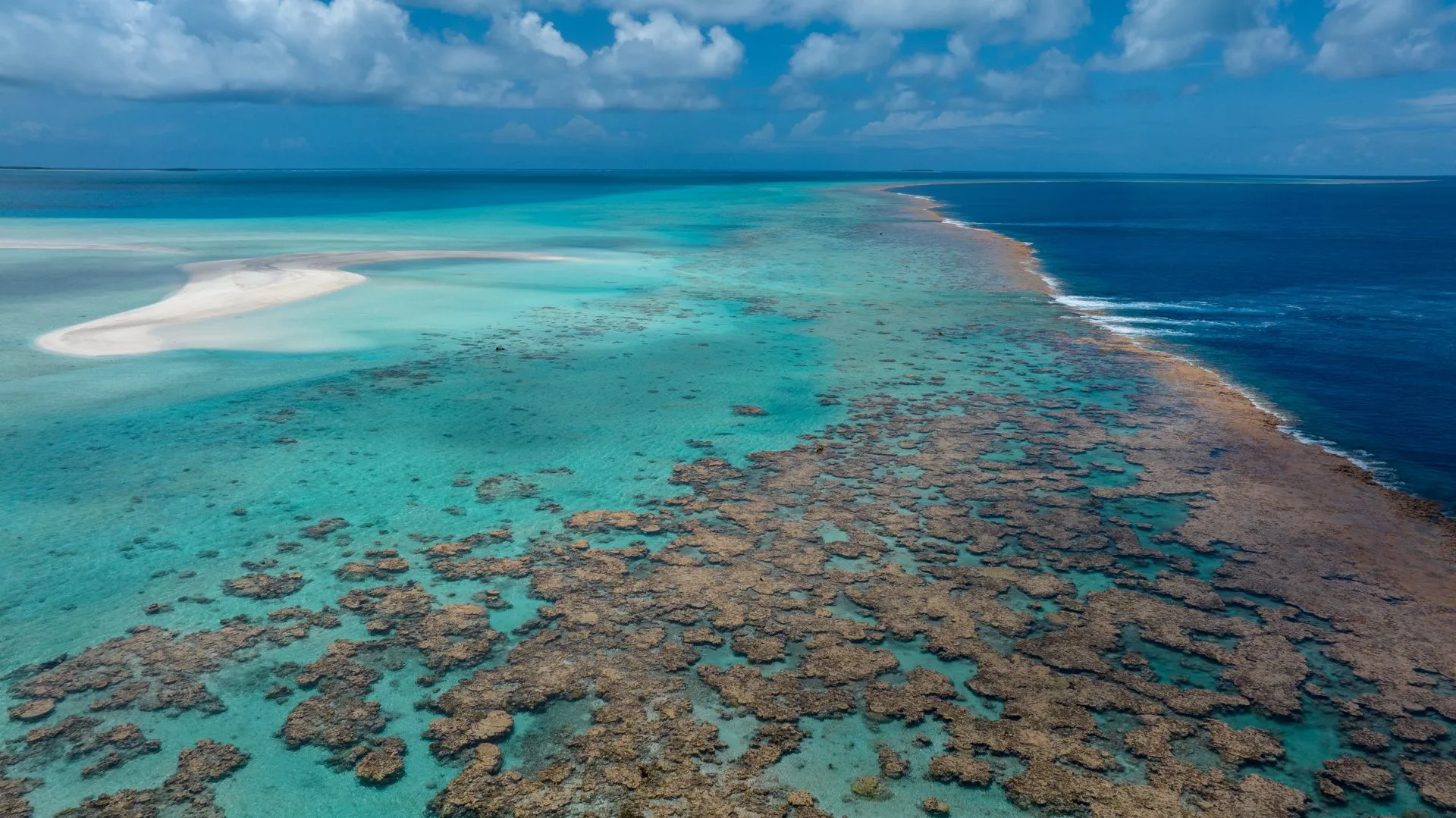 Bikar’s back reef from the air. Photo: Manu San Félix.
Over 260 fish, and two that may be new
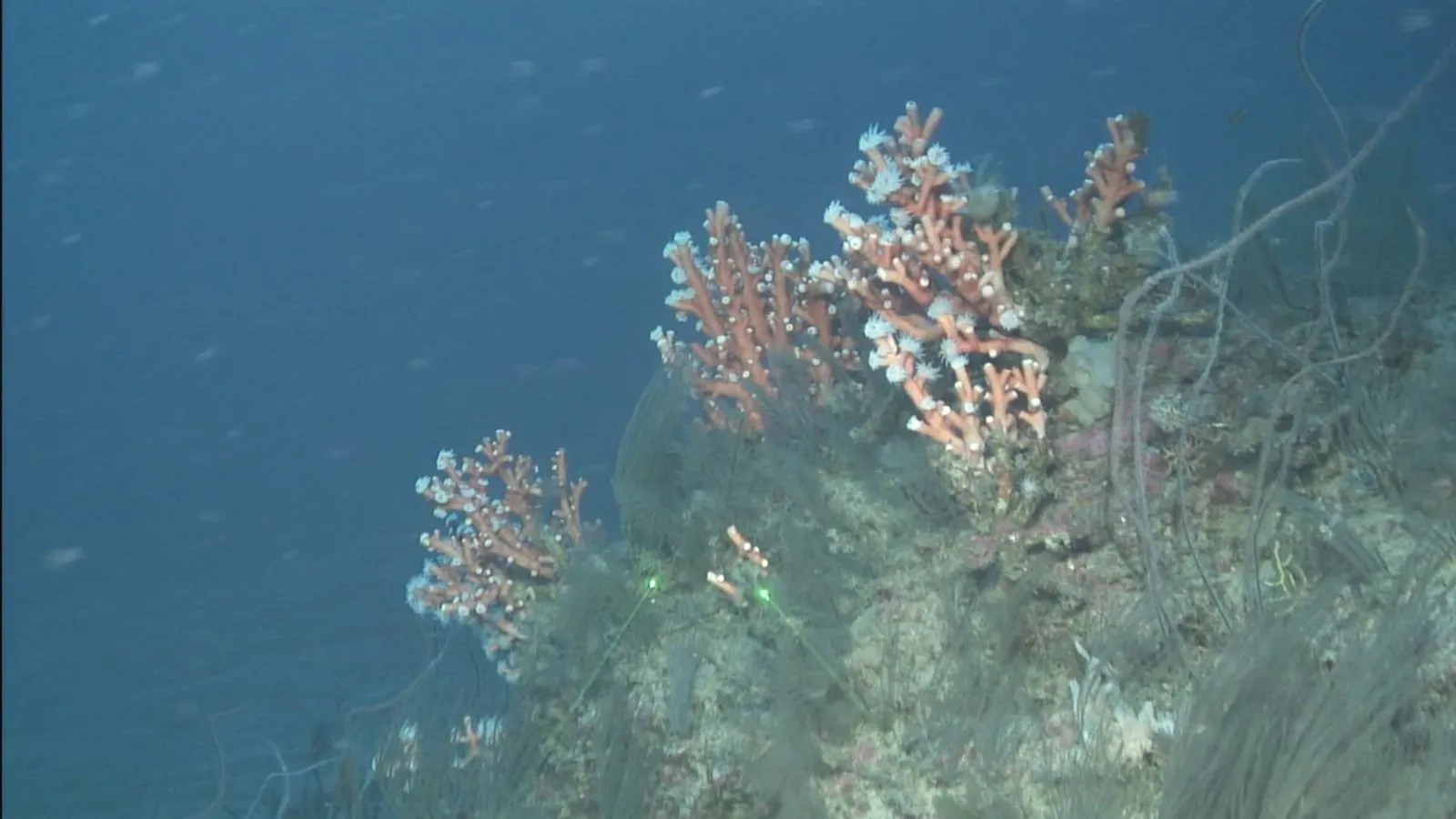
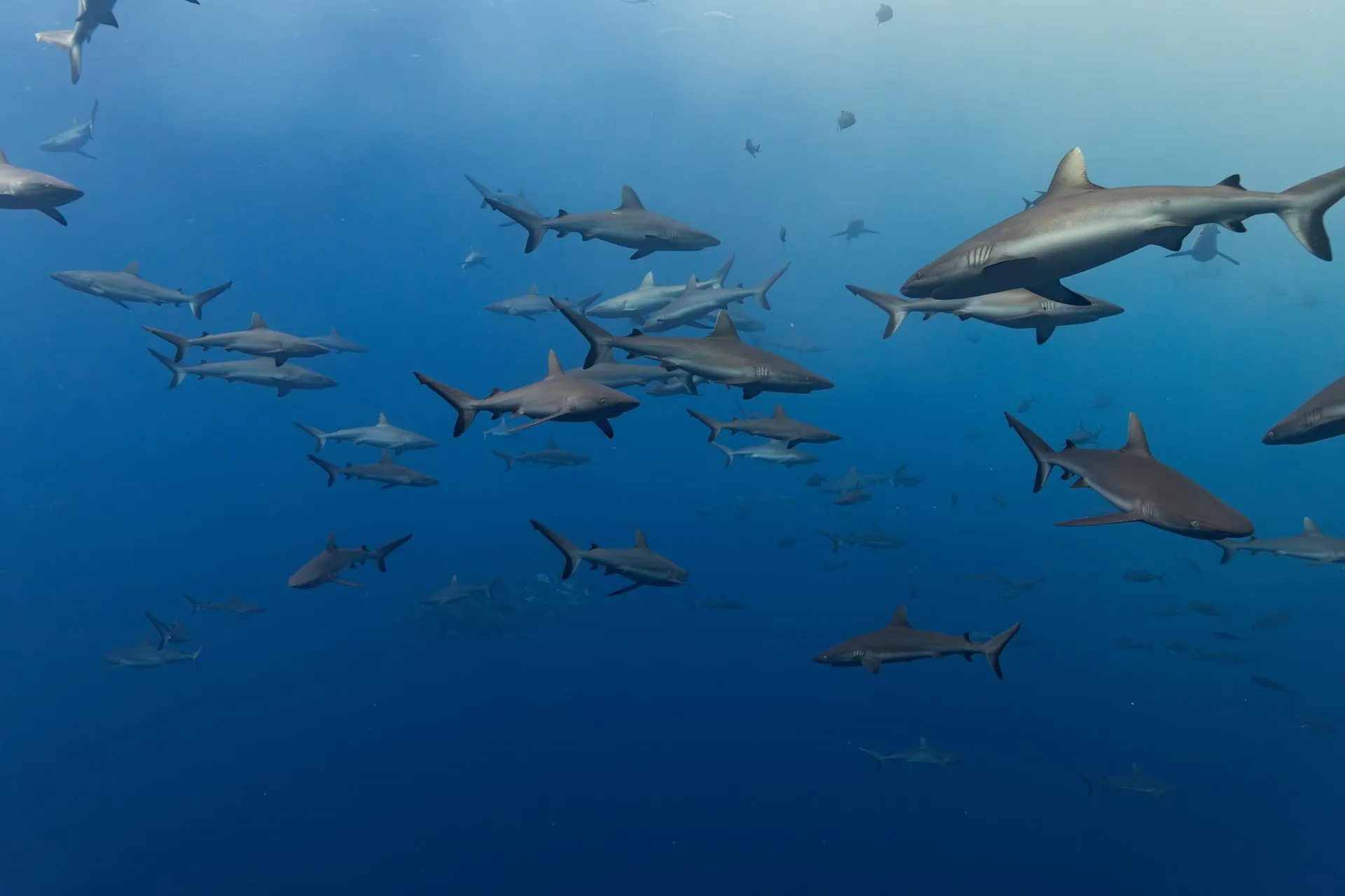
The team counted more than 260 reef fish species, plus open-ocean hunters such as sharks, jacks and wahoo. The deep-sea cameras recorded 79 kinds of fish and other animals, according to the study, several never recorded in the Marshall Islands before, and two fish may be new to science. On land, 15 seabird species breed or likely breed.
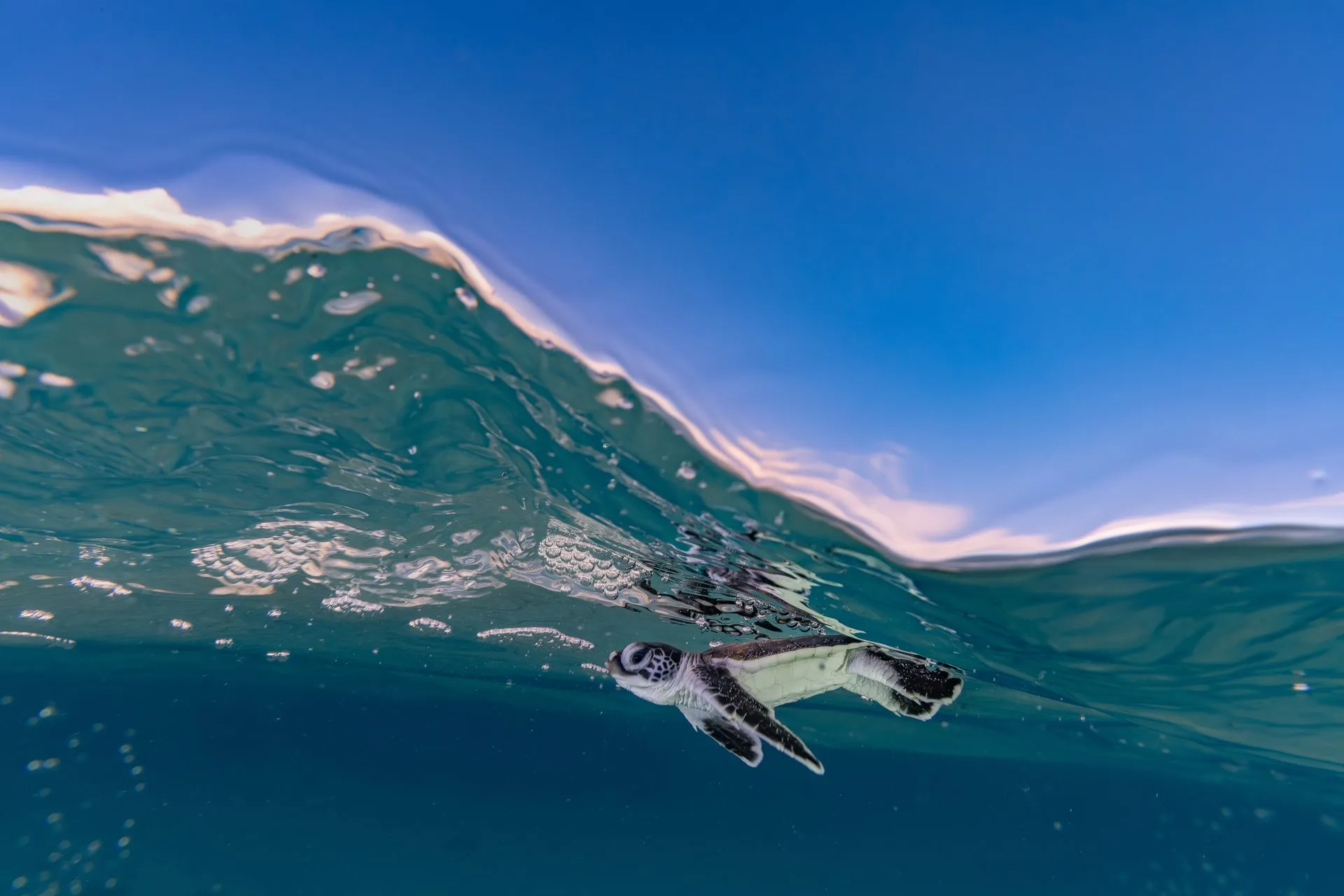 A green turtle hatchling at Bikar, where almost all the nesting happens. Photo: Manu San Félix.
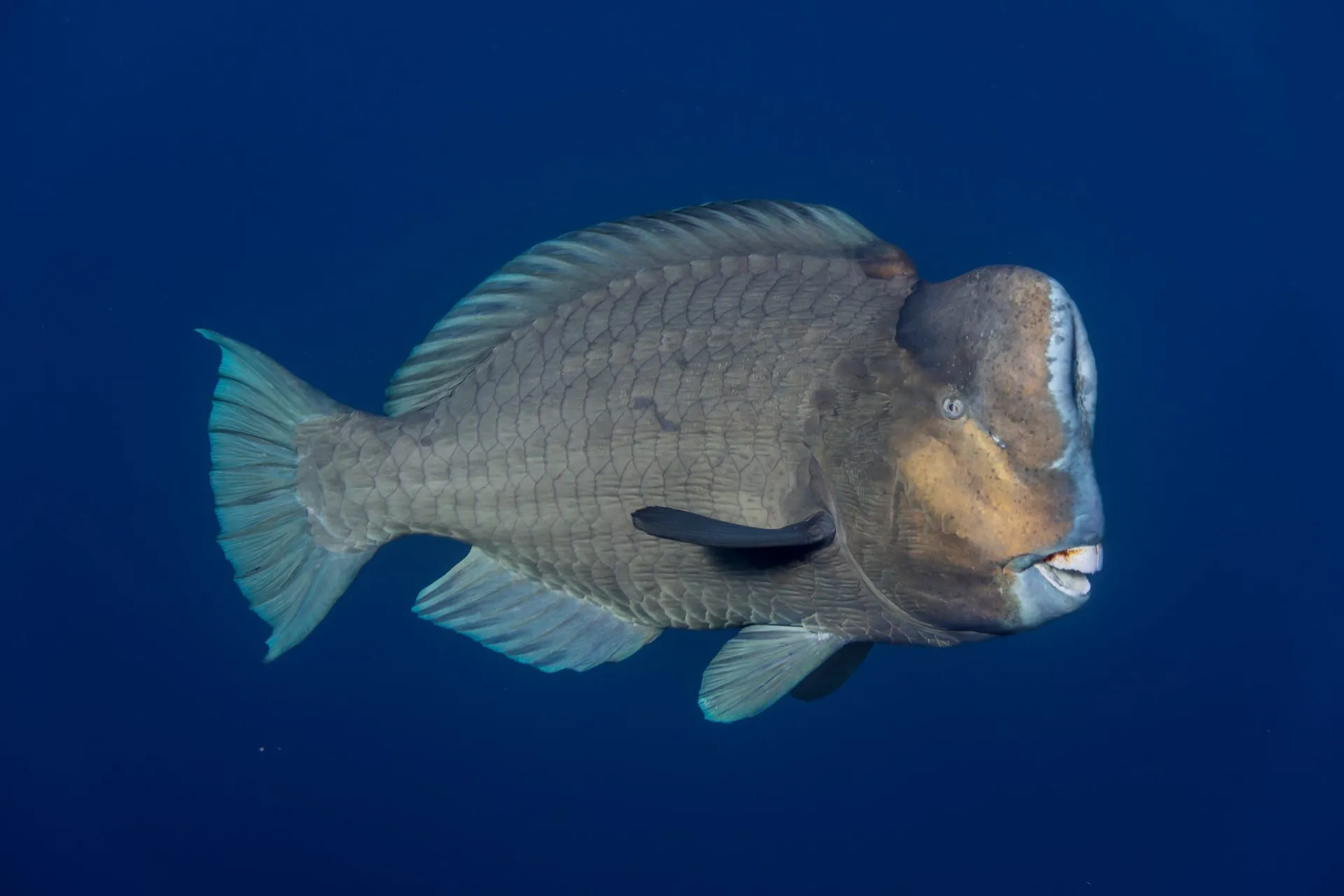 A bumphead parrotfish at Bokak, a vulnerable species. Photo: Manu San Félix.
Neighbours, not twins
The two atolls are not alike. Bokak, the larger, has coral-dominated reefs, about twice Bikar’s fish biomass and nearly 2.5 times its shark weight. Bikar has more seaweed on its reefs, a denser native forest and almost all the turtle nesting: the team counted 71 crawls and more than 130 nest pits. Why they differ so much is still unknown; the authors suggest causes such as atoll shape or lagoon water movement that remain to be tested.
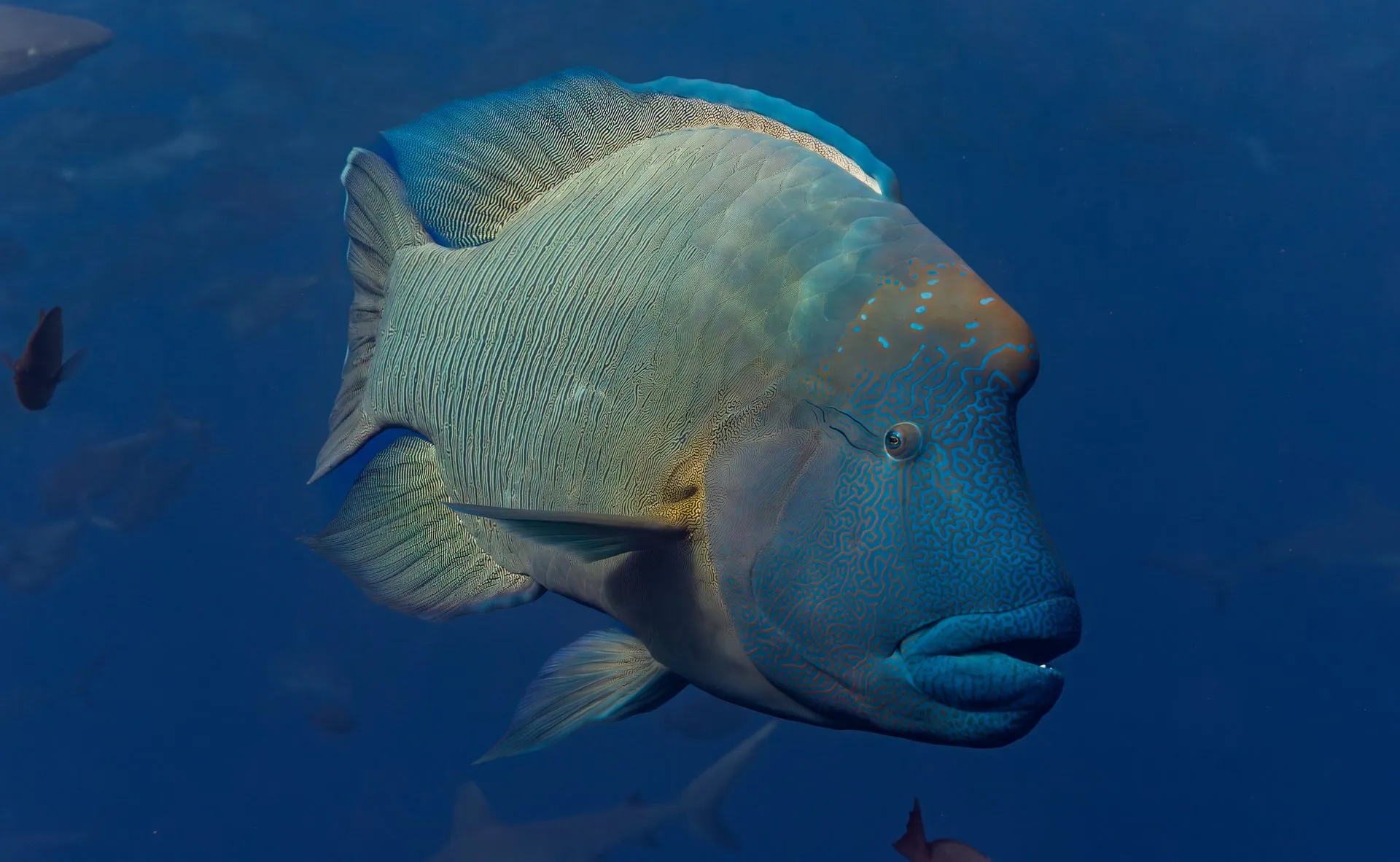 A Napoleon wrasse at Bokak, another of the vulnerable species the expedition found. Photo: Manu San Félix.
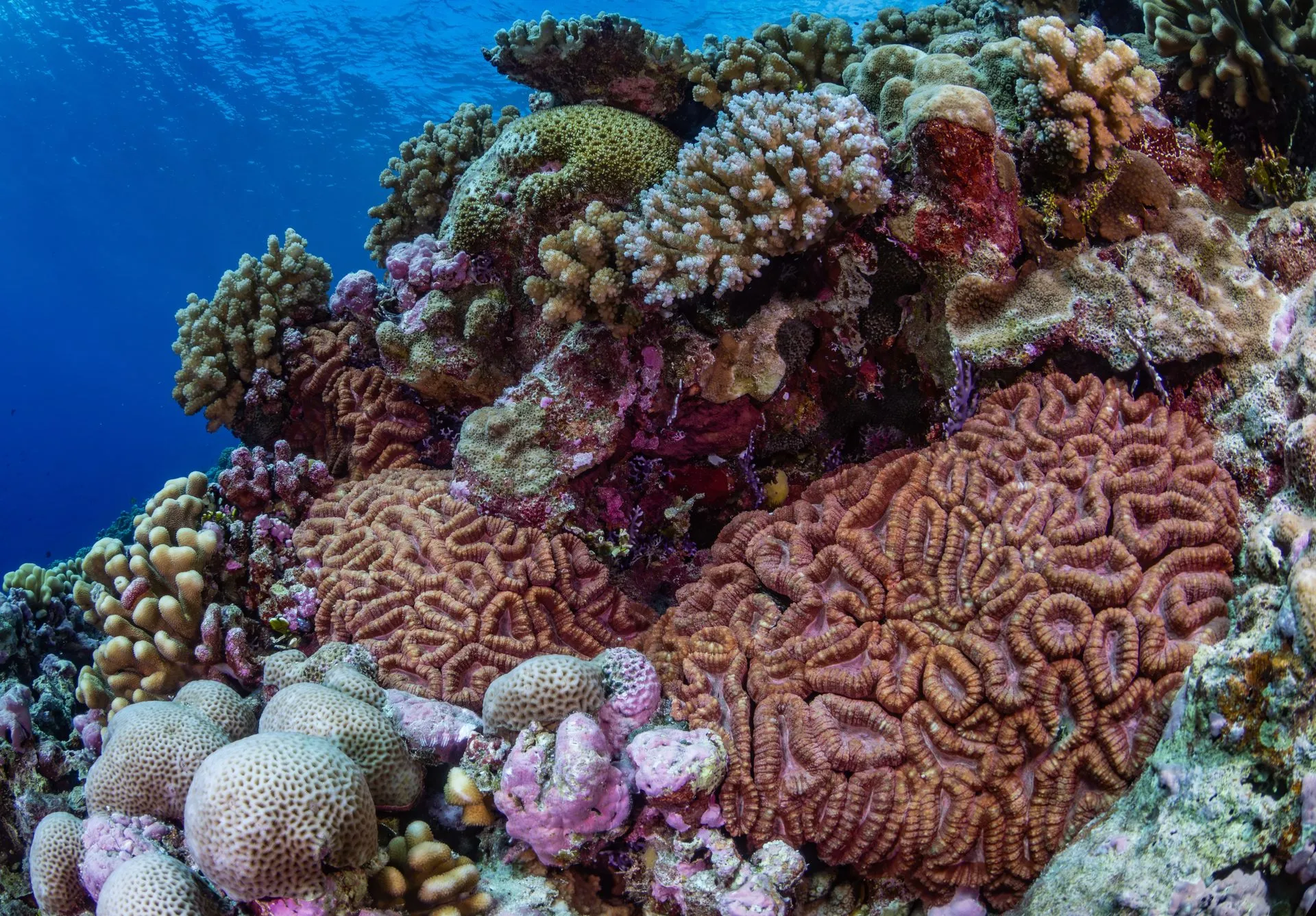 Corals on Bikar’s outer reef. Photo: Manu San Félix.
A 48,000 square-kilometre sanctuary
The surveys helped the Marshall Islands government declare its first national marine sanctuary in 2025: about 48,000 km² around Bikar and Bokak, protected from fishing and other destructive activities, according to RFA. The community of Utirik Atoll and its high chiefs have cared for these islands for decades as “mo”, or restricted, areas.
“Bikar and Bokak are not just treasures for the Marshall Islands but for the entire planet,” says Friedlander. The study notes that even these reefs are not safe from coral bleaching, warming and sea-level rise.
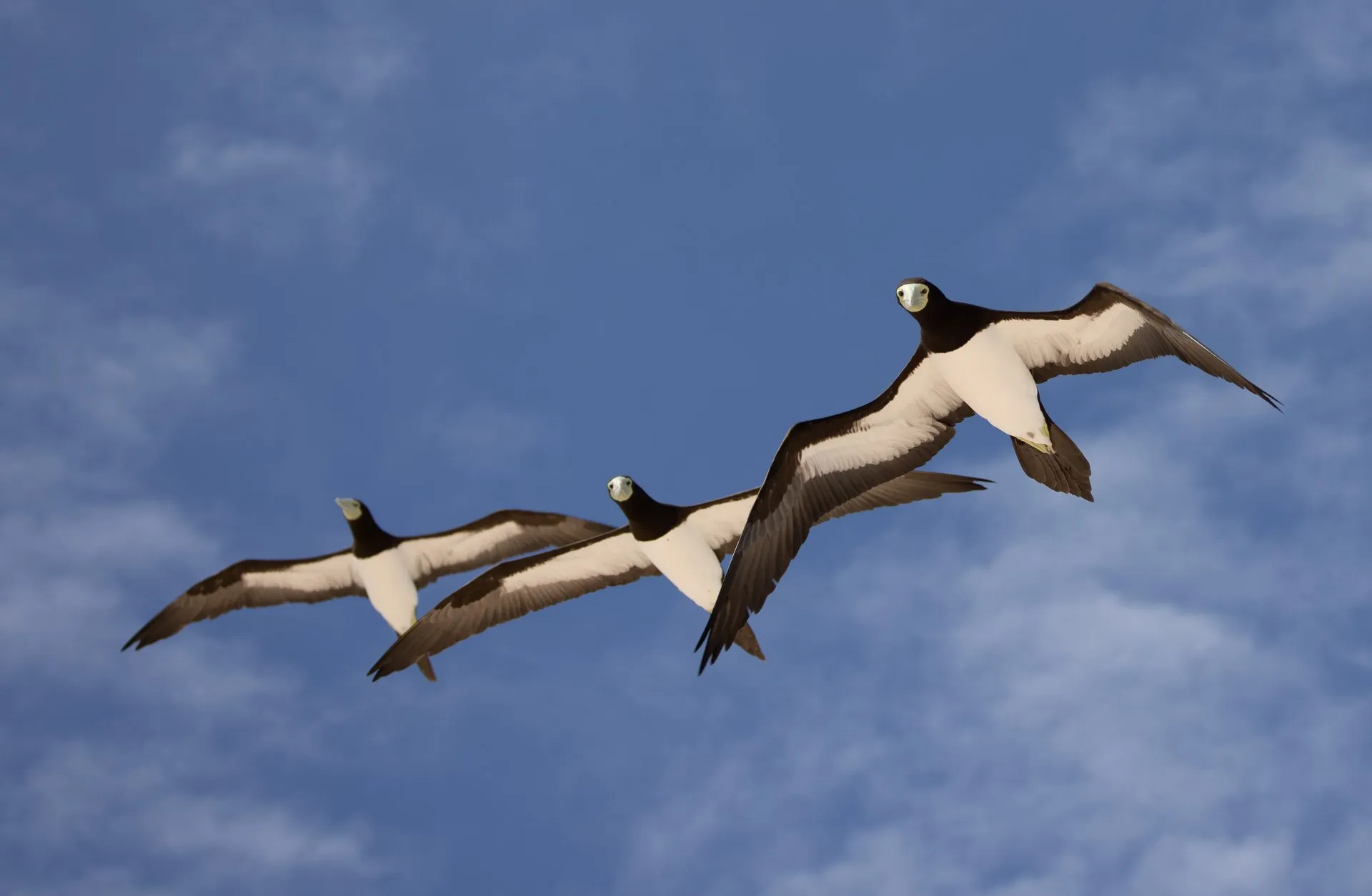 Brown boobies over Bikar. Photo: Chris Thompson.
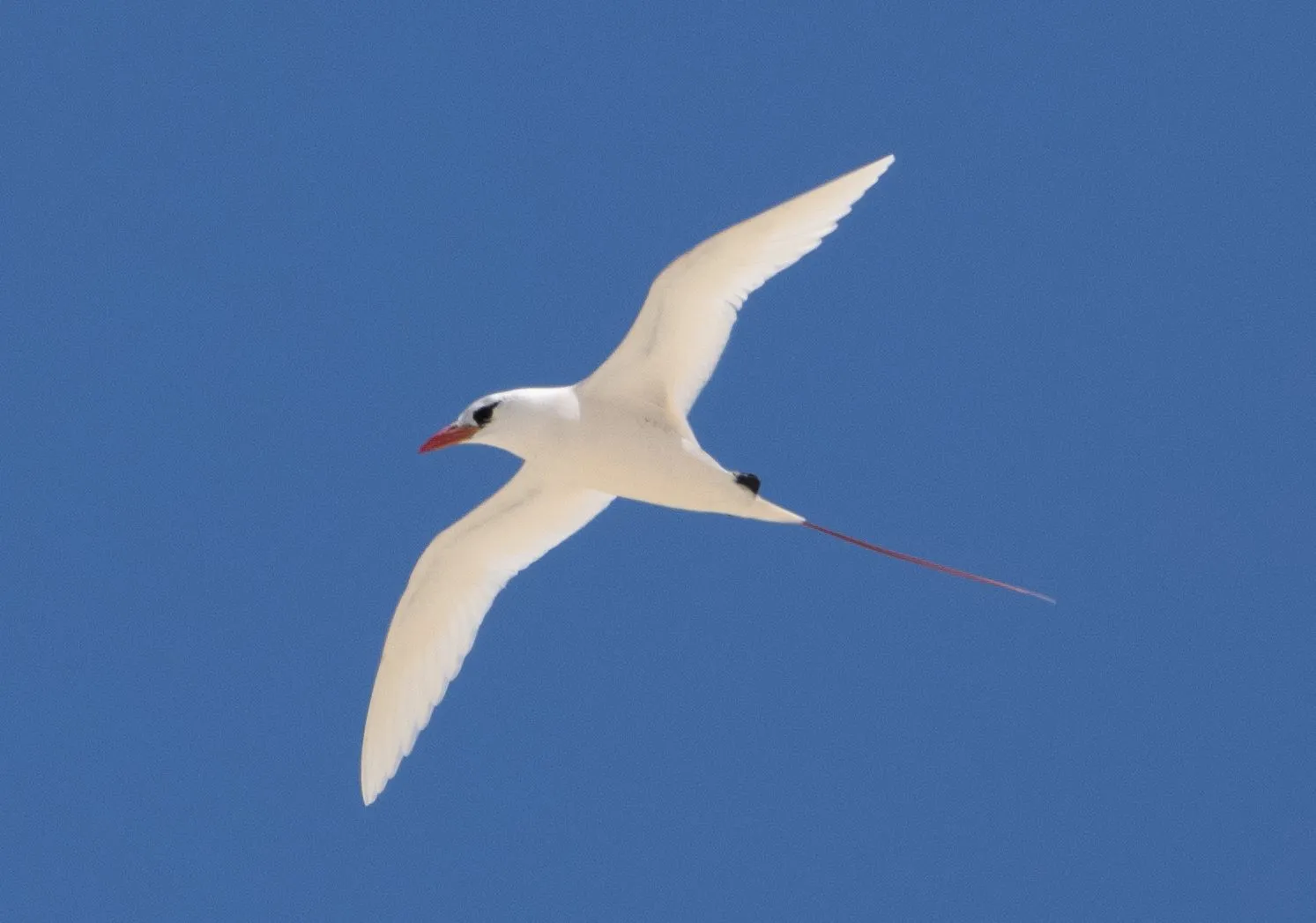 A red-tailed tropicbird, one of the atolls’ seabirds. Photo: Chris Thompson.
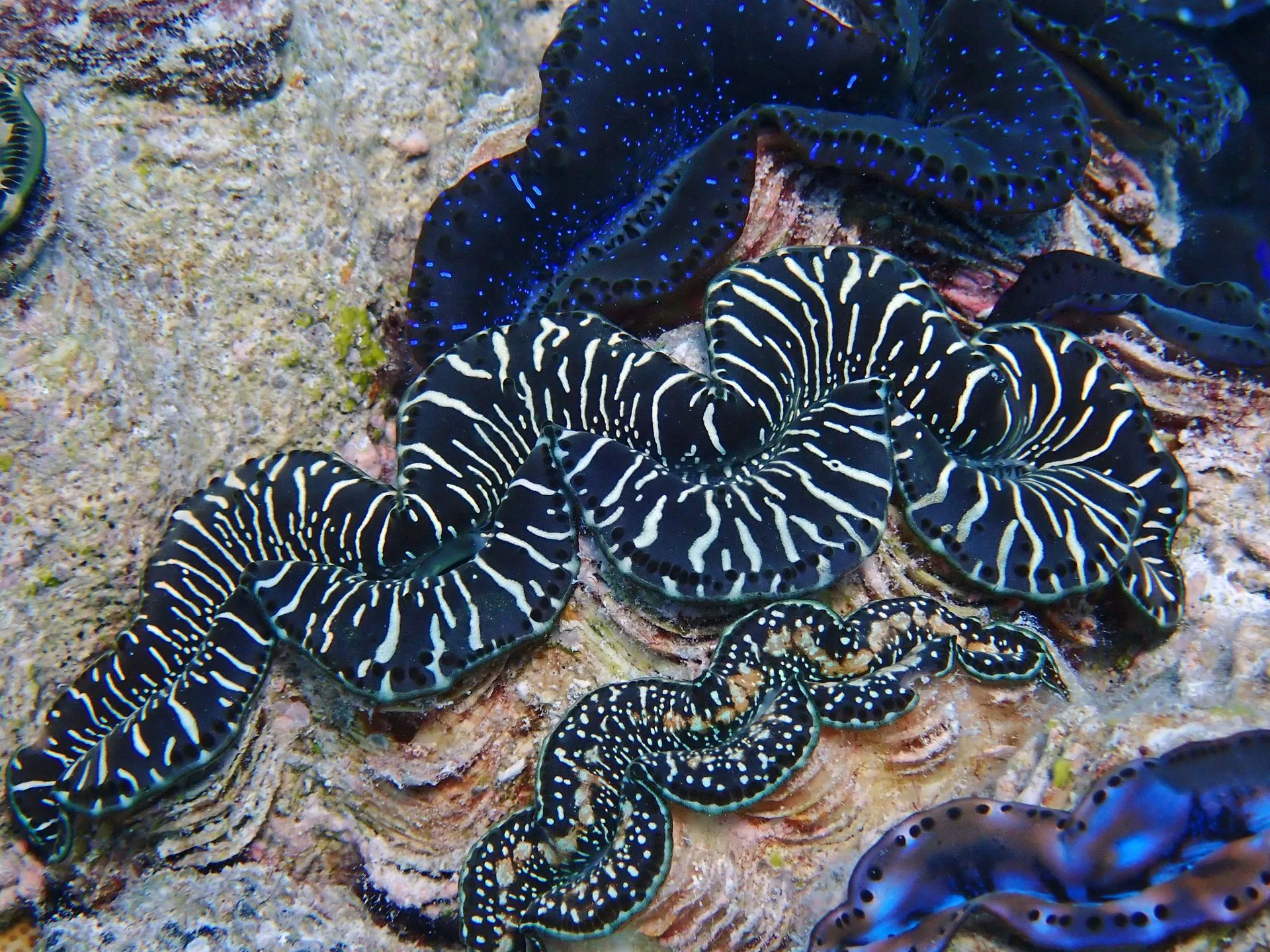 Giant clams at Bokak. Photo: Alan Friedlander.
Why it’s good news
Two of the healthiest reefs in the Pacific are now protected by law, and there is a detailed baseline to tell whether they change. As Friedlander puts it, they are a reference for understanding what has been lost elsewhere.
Sources
- Frontiers in Marine Science · From the sky to the deep sea: ecosystem structure and ecological integrity across the National Marine Sanctuaries of Bikar and Bokak, Marshall Islands
- Euronews · Treasures for the entire planet (12 Nov 2026)
- RFA · Pristine atolls, seas in Marshall Islands get marine sanctuary protection (31 Jan 2025)
- Frontiers · press release images (email to the newsroom, 17 Nov 2026)