Spain's first lung cancer screening programme catches 7 in 10 tumours early
Cassandra, the pilot project of the Spanish Society of Pulmonology and Thoracic Surgery (SEPAR), has given low-dose CT scans to 1,546 people at 16 hospitals. According to its co-coordinator, Luis Seijo, about 70% of the tumours found were at stage I or II, when they can still be operated on. The figures are preliminary and not yet published in a scientific journal, and the programme still has no stable public funding.
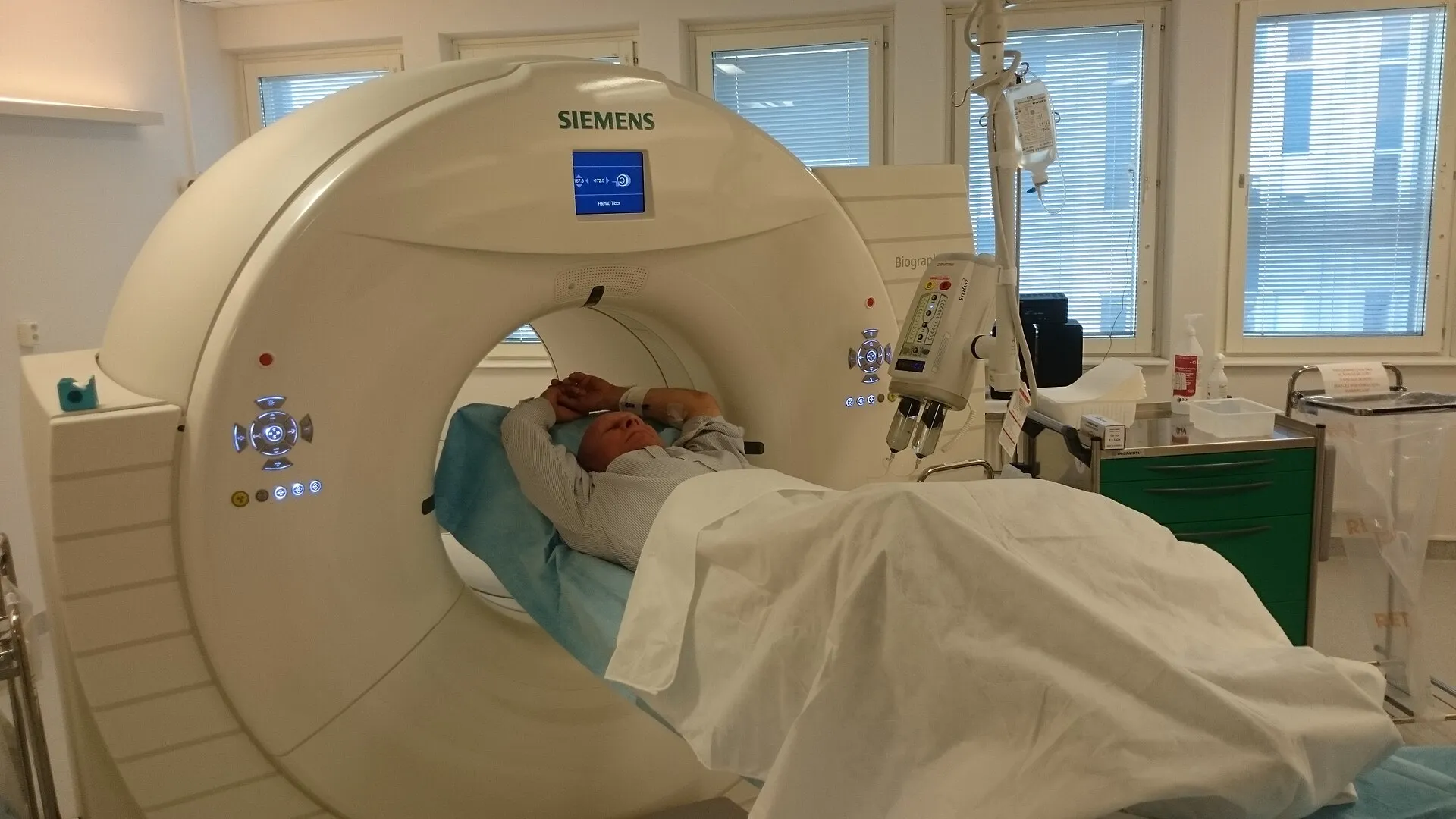
About 7 in 10 of the lung tumours found by Cassandra were at stage I or II, when they can still be operated on. That is the main result of this pilot project, Spain’s first lung cancer screening programme, according to its co-coordinator, Luis Seijo, in an interview with Redacción Médica. The figures are preliminary: they have not yet been published in a scientific journal.
Cassandra is run by the Spanish Society of Pulmonology and Thoracic Surgery (SEPAR). Since it began, it has given low-dose CT scans to 1,546 volunteers, 804 men and 737 women, at 16 hospitals. The ones that have enrolled the most people are Hospital San Agustín in Avilés (404), Germans Trias i Pujol in Badalona (208) and La Paz in Madrid (150).
What else the scans find
Screening does not only look for tumours. Among participants it has turned up 448 cases of COPD, 844 of emphysema and calcification in the heart’s arteries in 22% of participants. And 135 smokers have quit, a 40% annual quit rate.
“We have detected early-stage cancer rates comparable to the other programmes running in Europe,” says Luis Seijo, head of pulmonology at the University of Navarra Clinic. He says a cost-benefit analysis, using an English model adapted to Spanish costs, is “very favourable”.
What is still missing
After three years, the pilot still has no stable public funding. Four more hospitals in Madrid are about to join, and Seijo hopes screening will be rolled out across Spain “once and for all”.