AI helps a brain implant draw sharper flashes of light for a blind man in Spain
Researchers at Miguel Hernández University in Elche, the University of California, Santa Barbara, and ETH Zurich used a neural network to decide how to stimulate the 96 electrodes a blind man carries in his visual cortex. With the AI, the implant produced the brain response they were aiming for more precisely and with less current. It is one participant, and what he perceives are flashes and shapes of light, not useful sight.
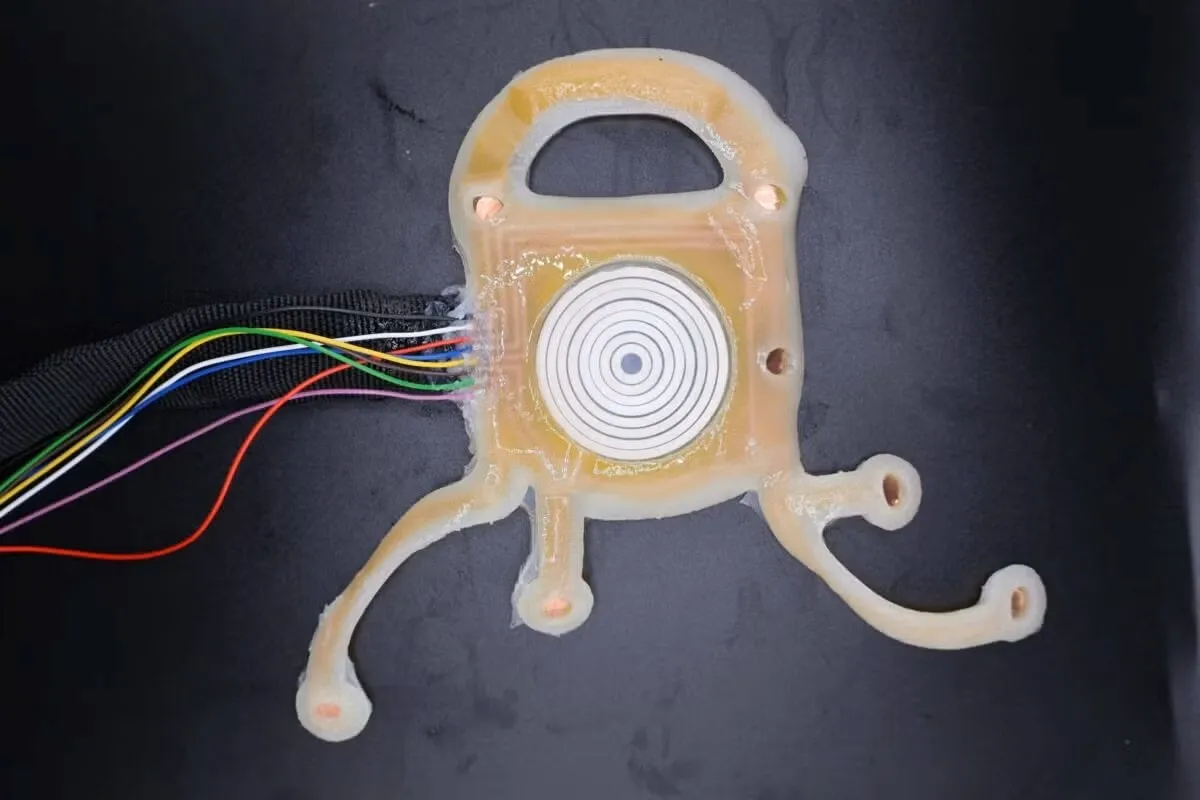
Since 2024, a blind man has carried a 96-electrode implant in his visual cortex, the area at the back of the brain that processes what we see. Each time the implant stimulates it, he perceives flashes and shapes of light. The challenge is choosing which electrodes to fire, and with how much current, so those flashes match what the system is trying to show.
A team from Miguel Hernández University of Elche (UMH), the University of California, Santa Barbara, and ETH Zurich handed that decision to a neural network. According to the study, published in Neuron, the AI let the implant reach the target brain activity more precisely while using less electrical current. The work is based on a single participant, from the trial UMH runs at IMED Elche Hospital, and it does not give him useful sight.
The AI learns how this brain responds
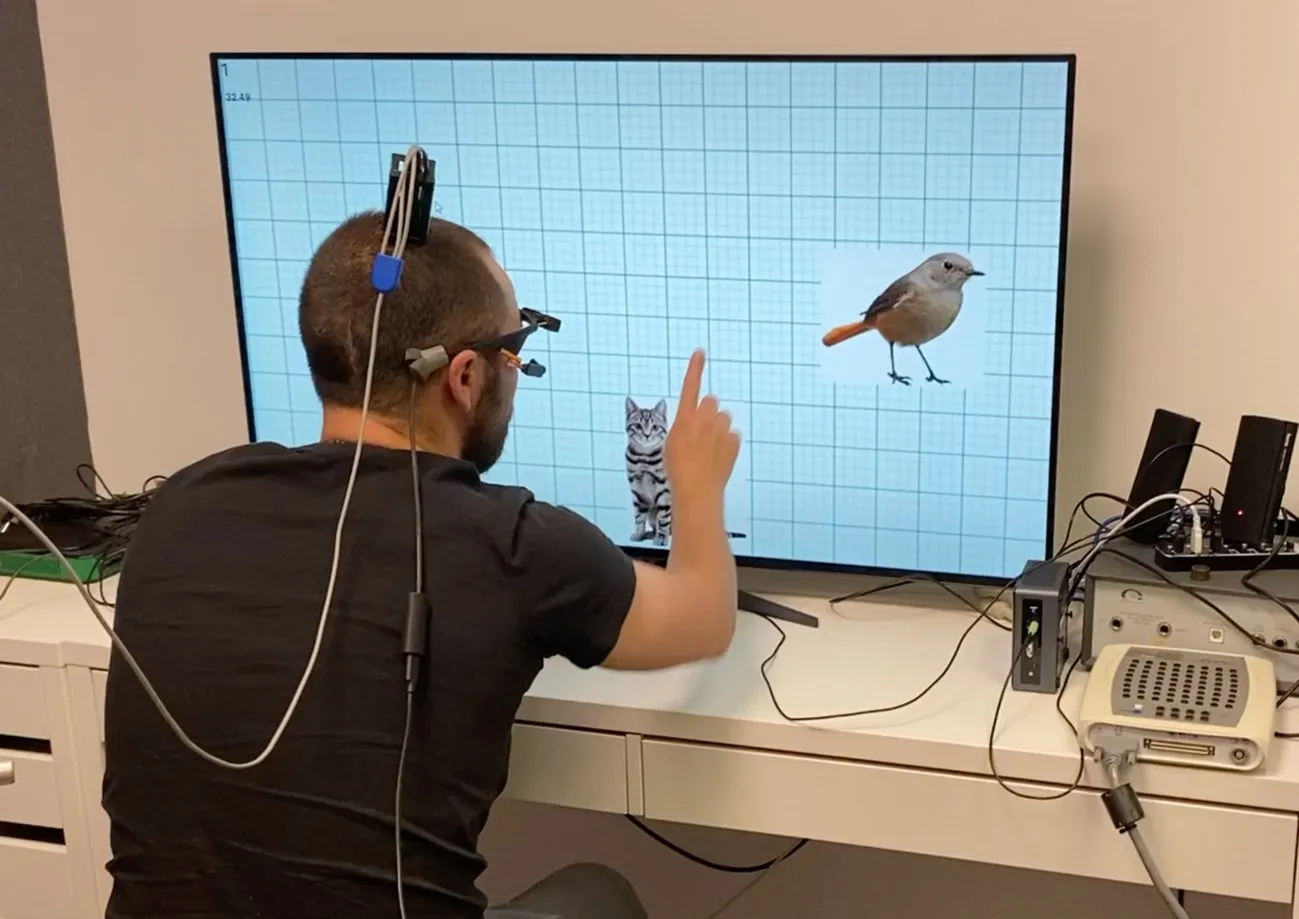
The electrodes do not only stimulate: they also record how the cortex reacts. From that data, the model learns which stimulation patterns produce the desired brain response, UMH explains. Instead of applying one recipe to everyone, the system adapts to how this person’s brain responds.
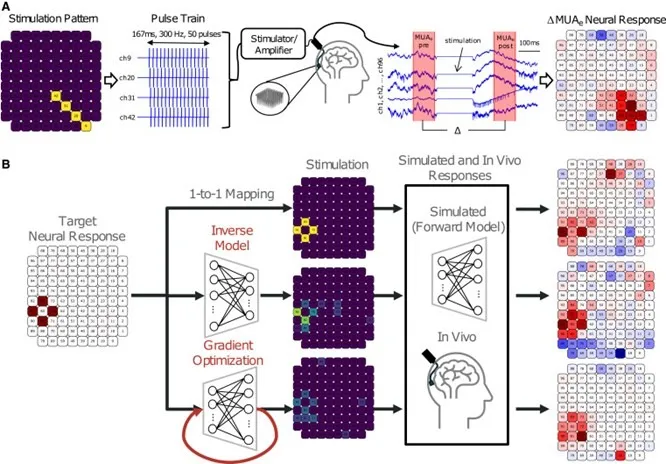 How the visual prosthesis and the AI model work. The electrodes stimulate the visual cortex and record its response. From this data, the model learns which stimulation patterns produce the desired brain response. Source: Moure, P., Granley, J., Grani, F., et al. (2026).
A trial with volunteers in Elche
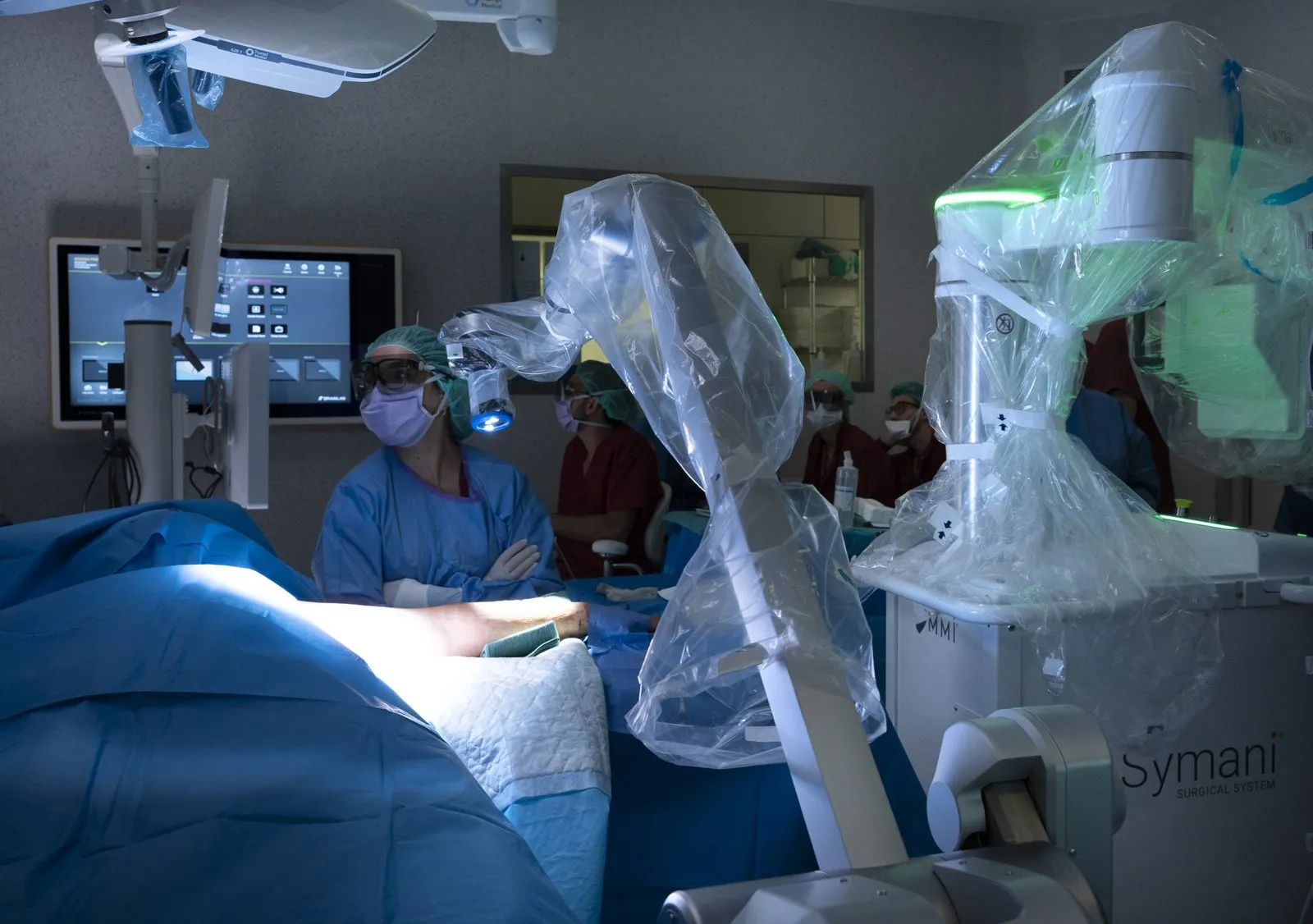
UMH’s Biomedical Neuroengineering group, led by Eduardo Fernández Jover, professor of cell biology and co-leader of the study, has spent years testing visual prostheses that talk directly to the brain, bypassing the eye and the optic nerve. Its trial, called Cortivis, works with blind volunteers at IMED Elche Hospital.
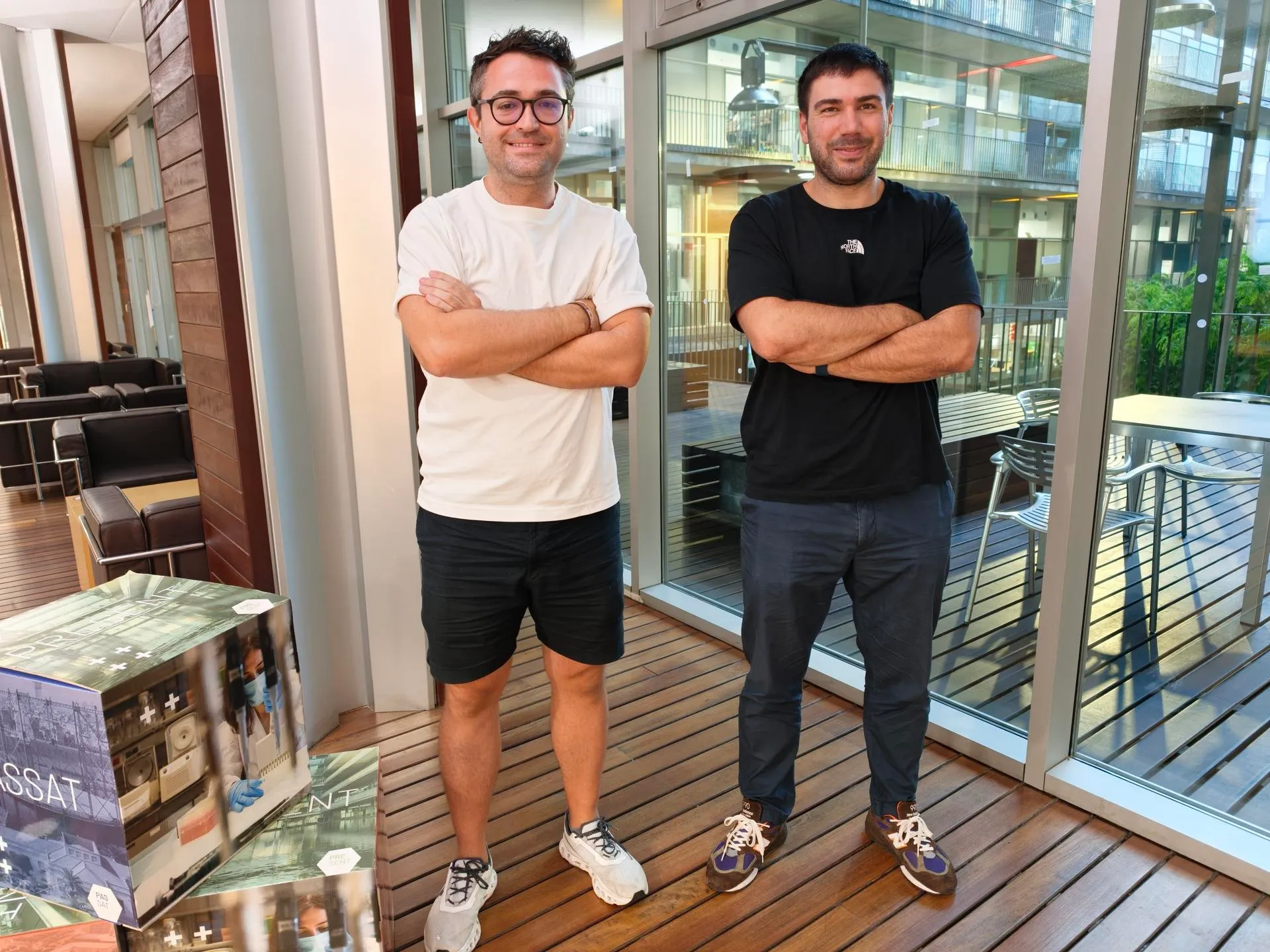
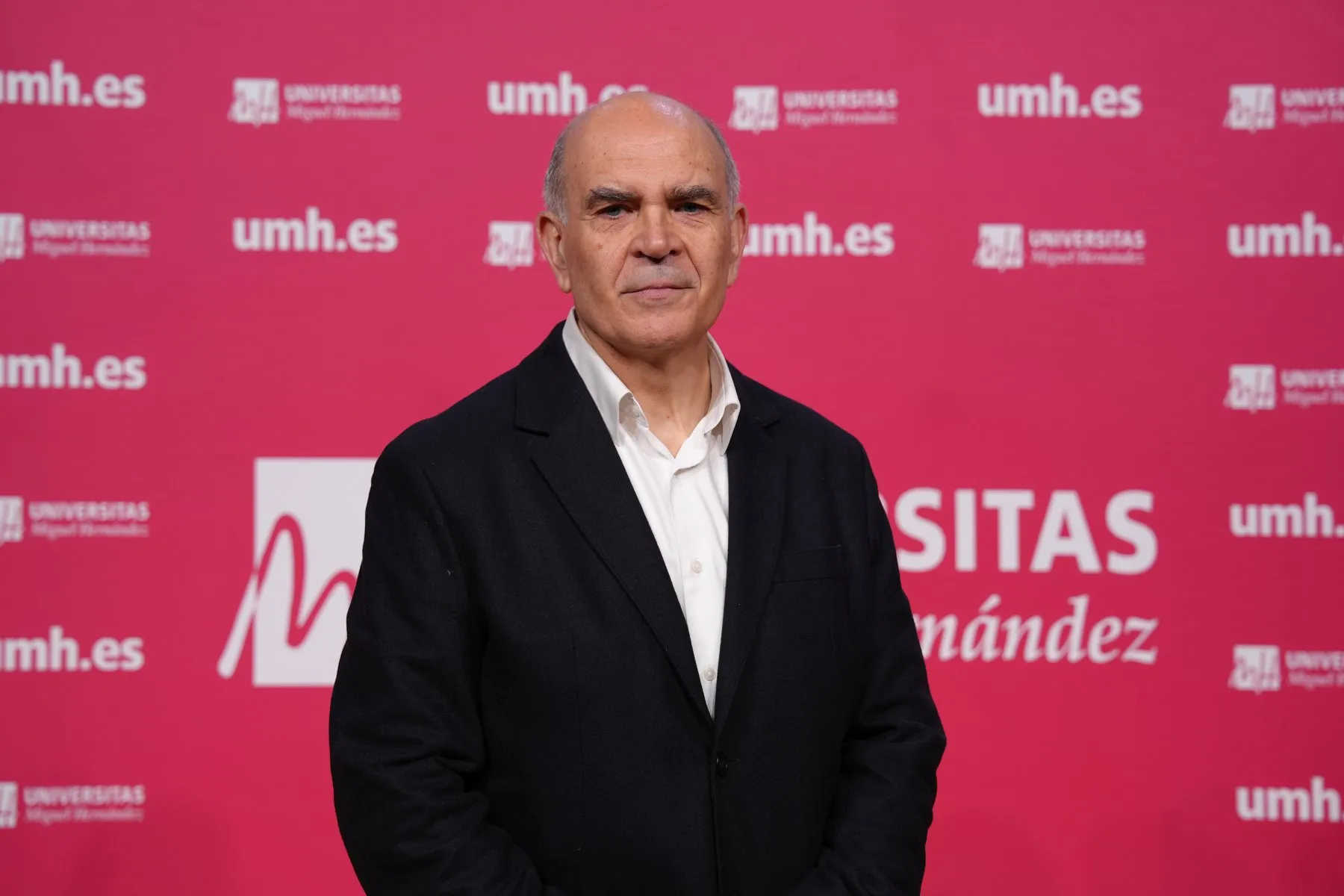 Eduardo Fernández Jover, professor of cell biology at UMH and co-leader of the study. Source: UMH.
The road ahead is long: testing the method in more people and finding out whether sharper flashes help them recognise shapes or move around more independently in daily life.
Sources
- ScienceDaily · University of California, Santa Barbara release on the Neuron study (November 2026)
- UC Santa Barbara, Computer Science · AI closed the loop on a vision implant, in a study co-led by UCSB
- Ruvid · AI tailors a visual prosthesis to a blind person's brain (in Spanish)
- UMH · Cortivis, cortical visual prosthesis trial
- Miguel Hernández University, Communications Office · images and captions (email to the newsroom, 20 November 2026)