Leisure-time exercise slows weight gain throughout life, Barcelona study finds
A Hospital del Mar Research Institute study of about 15,000 people in Catalonia finds that the least active gain weight 60% faster between the ages of 30 and 60, and that the most active have a 17% lower risk of obesity over their lives. It is an observational study: activity levels were recorded only once.
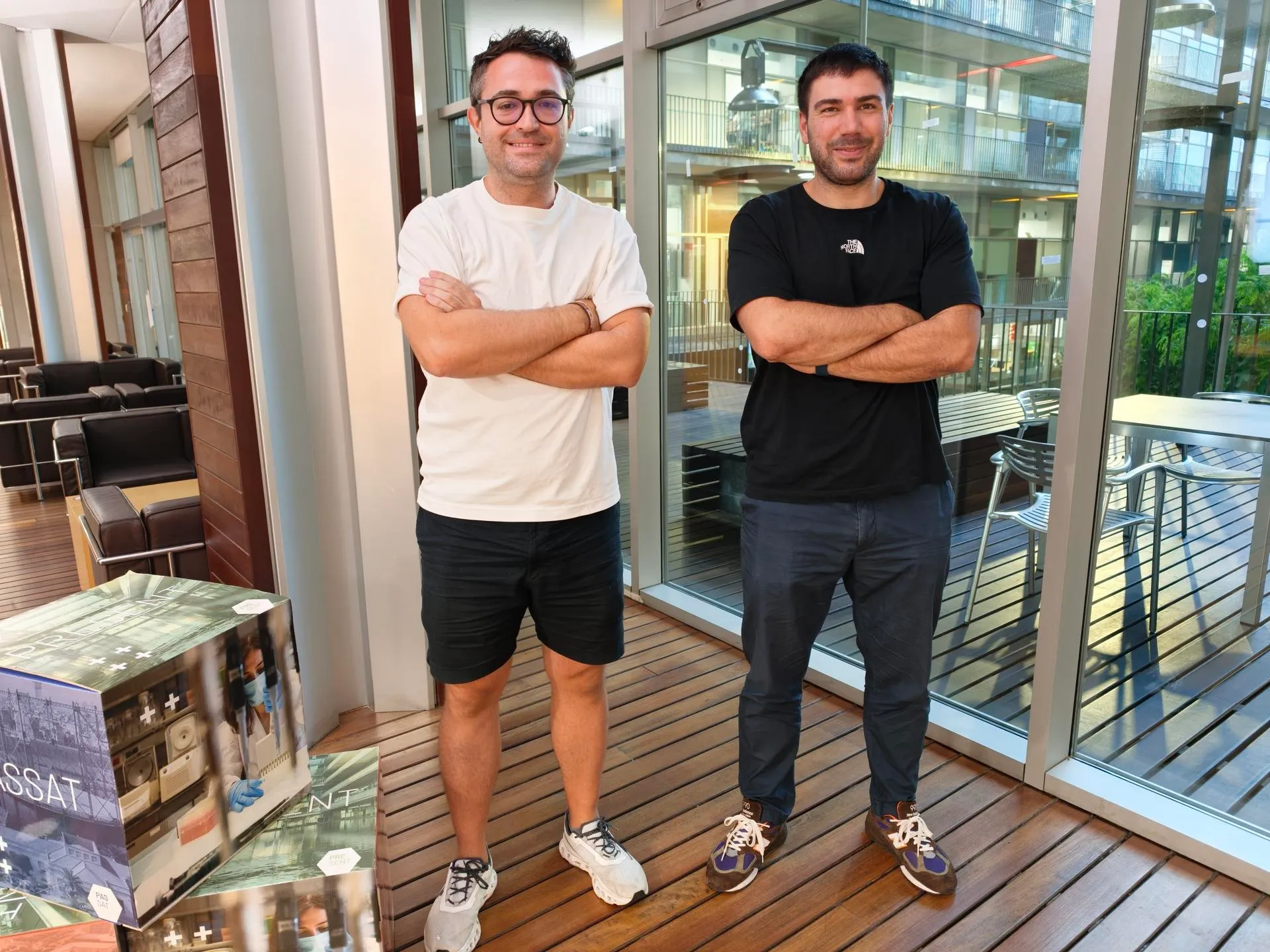
Between the ages of 30 and 60, people who are least active in their free time gain weight 60% faster than those who exercise. That is the main finding of a study by the Hospital del Mar Research Institute (HMRIB) in Barcelona, published in Diabetes, Obesity and Metabolism. It follows about 15,000 people over decades, although their exercise levels were recorded only once.
The data come from CORDELIA, Spain’s largest pooled cohort, which combines several Catalan studies. The researchers analysed more than 120,000 weight measurements from health records of adults aged 30 to 90. More than half were women.
Slower going up, gentler coming down
Exercise helps in both halves of life. “In young adults, body mass index rises more slowly thanks to physical activity, while in older age it falls less sharply,” says Javier Hernando Redondo, a researcher in the REGICOR group at HMRIB and CIBEROBN, in the hospital’s press release.
From age 70, the least active lose weight more steeply, which in later life is not usually a good sign. Overall, the study estimates a 17% lower risk of obesity over a lifetime among active people. The effect is stronger in men than in women.
Two routes to the same answer
The team also checked whether people with a genetic tendency to be fitter followed a similar pattern to the most active. They did. “When two complementary scientific approaches reach the same conclusions, it greatly increases confidence that this is not just an association, but that physical activity causes a better course of body weight,” says Álvaro Hernáez, a researcher at HMRIB and CIBERCV and a lecturer at Ramon Llull University.
The study is funded by Spain’s Carlos III Health Institute, the European Commission and the Catalan government.
Sources
- Hospital del Mar Research Institute · Physical exercise protects us from obesity throughout our lives (press release in Spanish, 18 Nov 2026)
- Diabetes, Obesity and Metabolism · Hernando-Redondo et al., Leisure-Time Physical Activity on Age-Modelled Trajectories of Body Mass Index and Obesity Risk Throughout Life (2026)