Rwanda's grey crowned cranes rise from under 300 to more than 1,400 in a decade
The Rwanda Wildlife Conservation Association (RWCA), founded by vet Olivier Nsengimana, has won the BBVA Foundation's Biodiversity Award for Africa. It ended the habit of keeping the birds as pets in hotels and homes, and brought local communities on board, including former poachers. The caveat: the figure of 1,438 cranes comes from the association's own census.
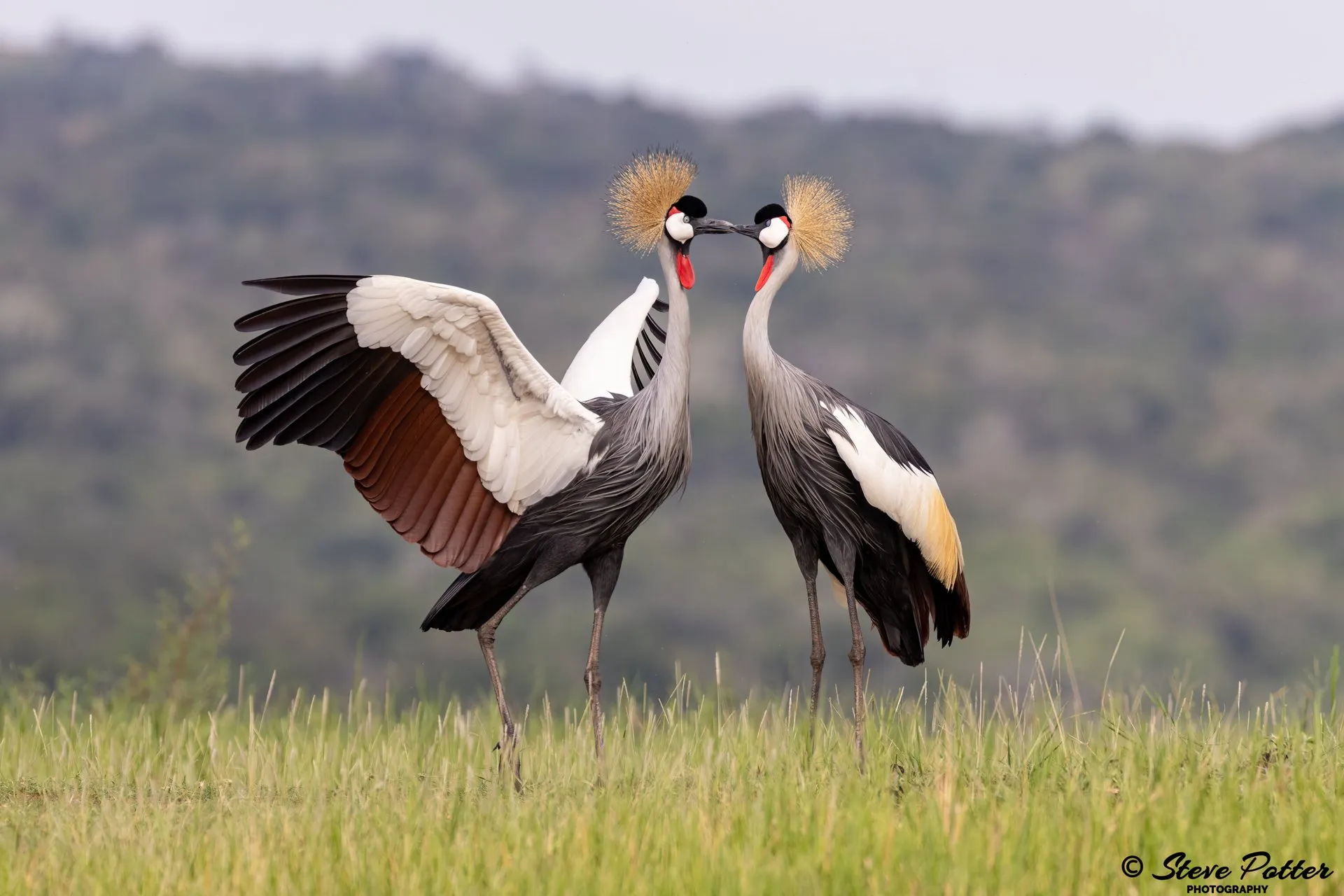
Rwandan vet Olivier Nsengimana remembers how devastating it was to realise that cranes were easier to spot in hotel lobbies than in the wild. In 2015 fewer than 300 grey crowned cranes were left in Rwanda’s wild landscapes. The tenth national census, released by his association in August 2026, counts 1,438.
That turnaround has won the Rwanda Wildlife Conservation Association (RWCA) the BBVA Foundation’s Biodiversity Award for Africa, announced on 17 November and worth €250,000. The jury called it “one of the most remarkable recoveries of a threatened species in Africa”. The figure comes from RWCA’s own census.
Hand over the crane, avoid the courts
The problem was cranes being captured and kept in hotels and private homes, often with clipped wings. In 2015 Nsengimana started a programme with the government that let owners surrender their birds voluntarily before facing prosecution. Most of them, he says, turned out to be genuinely fond of the birds.
Each crane was ringed, treated by vets and quarantined. Those fit to return to the wild were released in Akagera National Park; the rest went to the Umusambi Village sanctuary. According to the BBVA Foundation, the trade has now been eliminated.
Former poachers on watch
The association, formally set up in 2018, has trained local residents as conservation “champions”, former poachers among them, to monitor the birds and report threats. When poisoned baits killed 17 cranes, community members helped find and remove baits from 185 sites.
In the Rugezi wetland, a Ramsar site, more than 130,000 native trees have been planted with a 95% survival rate, according to the BBVA Foundation. RWCA’s next step is to take its model to other East African countries.
Sources
- BBVA Foundation · XXI Biodiversity Awards announcement (17 Nov 2026, Spanish)
- EFE via Infobae · From Rwanda's cranes to Borneo's forests: the BBVA Foundation rewards conservation (17 Nov 2026, Spanish)
- Top Africa News · RWCA wins BBVA Foundation's Biodiversity Africa Award (18 Nov 2026)
- Rwanda Wildlife Conservation Association and BBVA Foundation · photograph (email to the newsroom, 19 Nov 2026)