Seabirds return to 27 of 31 lost colonies on Mexico's Pacific islands
The Mexican group Grupo de Ecología y Conservación de Islas (GECI) has won the BBVA Foundation's Biodiversity Award for Latin America for almost three decades of work: it has restored some 60,000 hectares of islands and documented the recovery of at least 13 threatened or near-threatened seabird species. It also moved black-footed albatrosses from Midway to Guadalupe Island; about 60 have already come back to the island.
“Birds on islands are the most fragile of the fragile,” says Alfonso Aguirre, director emeritus of the Grupo de Ecología y Conservación de Islas (GECI). Since 1998, this Mexican non-profit has worked to give them back their place on the country’s Pacific islands. Seabirds have now returned to 27 of the 31 colonies that had disappeared, or 87%, and breeding colonies have risen from 96 to 129.
That work has earned GECI the BBVA Foundation’s Biodiversity Award for Latin America, announced on 17 November and worth €250,000. According to the Foundation, the group has restored some 60,000 hectares of islands and documented the recovery of at least 13 threatened or near-threatened seabird species. The jury called it “a scalable and replicable model” for conserving islands worldwide. Mexico is home to a third of the world’s seabird species.
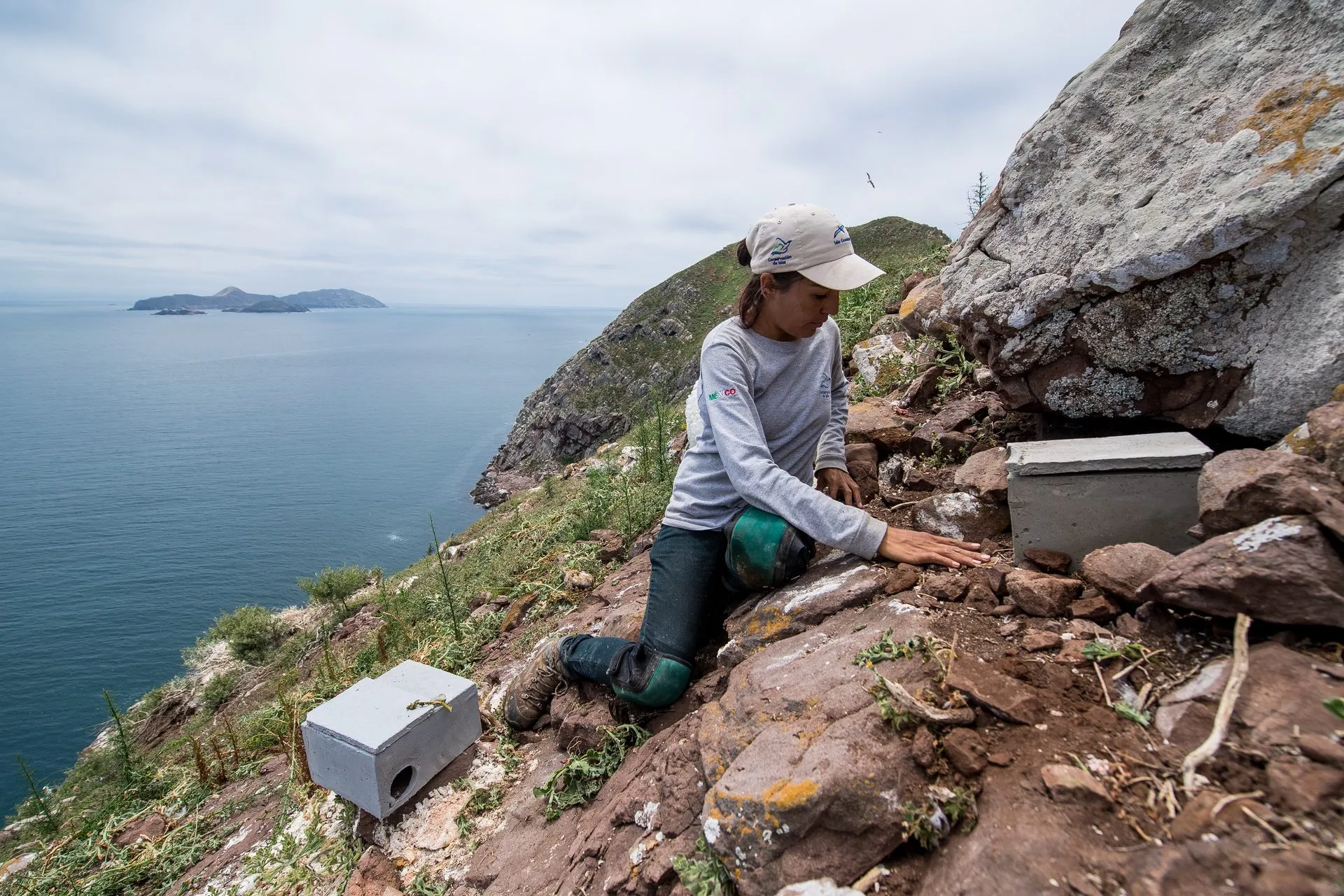 Installing artificial burrows on Coronado Norte Island. Photo: © GECI / J.A. Soriano.
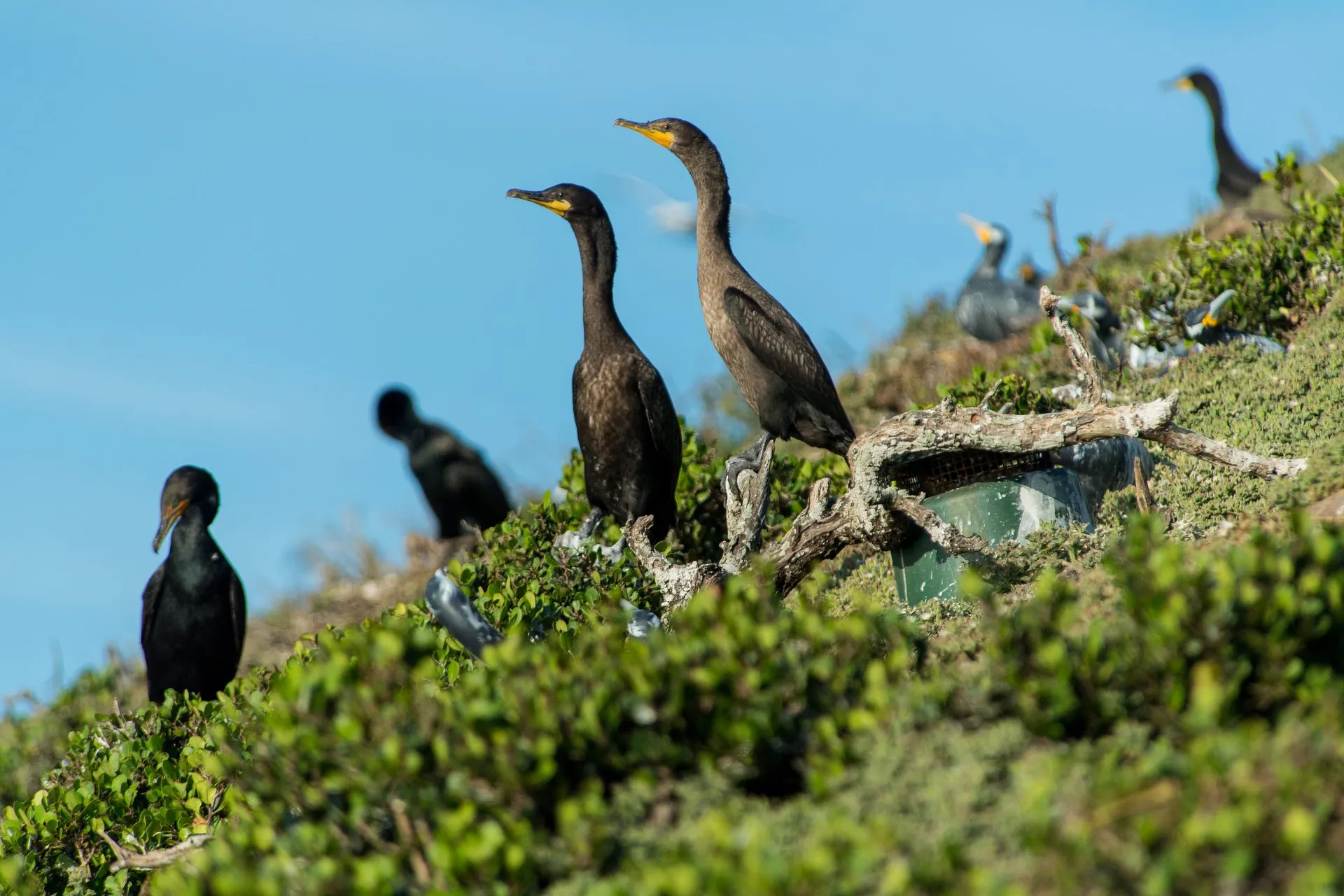 Social attraction systems for cormorants on Todos Santos Island. Photo: © GECI / J.A. Soriano.
Albatrosses moved away from rising seas
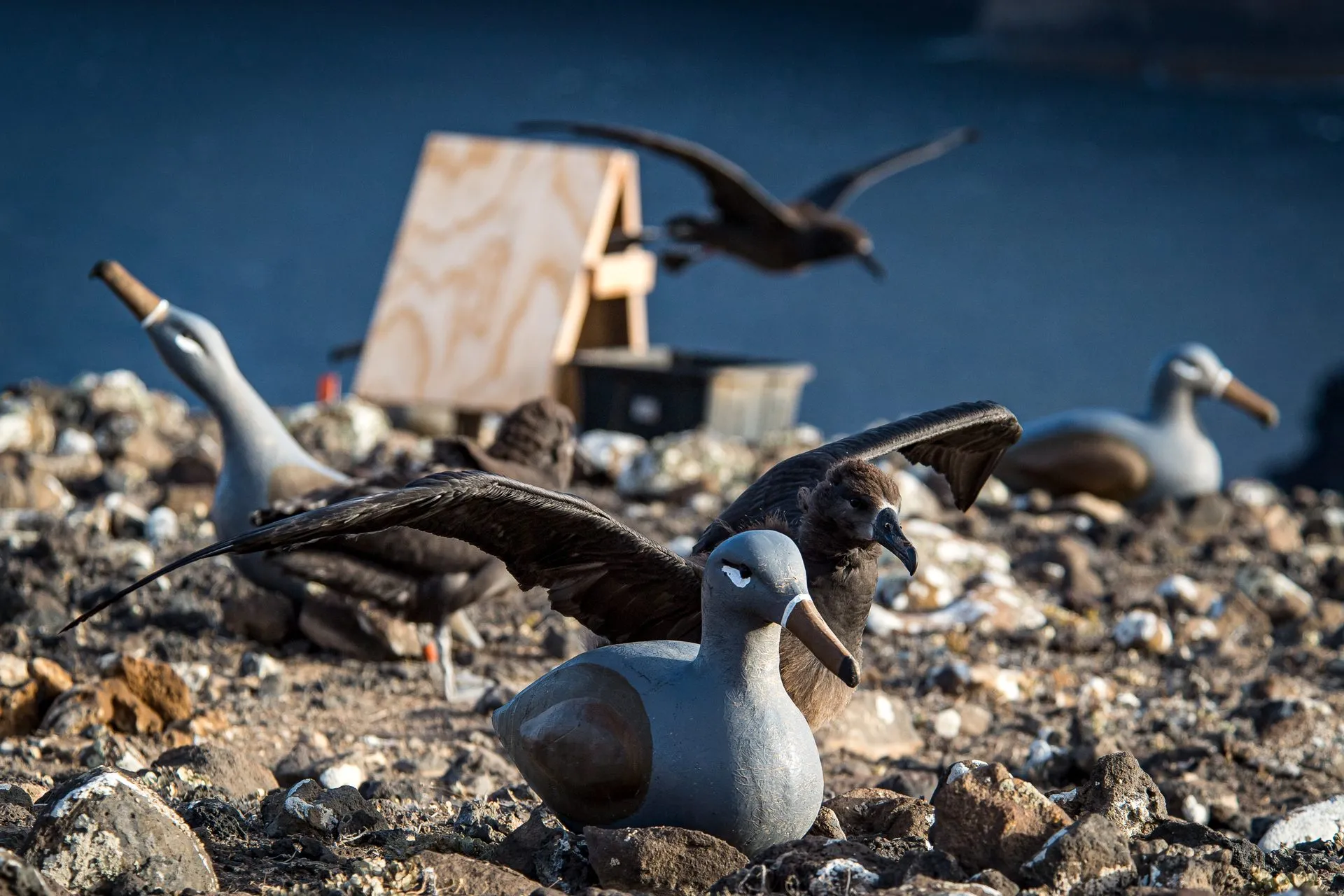
Between 2021 and 2024, GECI and the US group Pacific Rim Conservation took 127 black-footed albatross eggs and chicks from Midway Atoll (Hawaii), which is exposed to rising sea levels, and raised them on Guadalupe Island in Mexico. “Almost half, about 60, have come back to the island in recent years,” says Federico Méndez Sánchez, GECI’s current director.
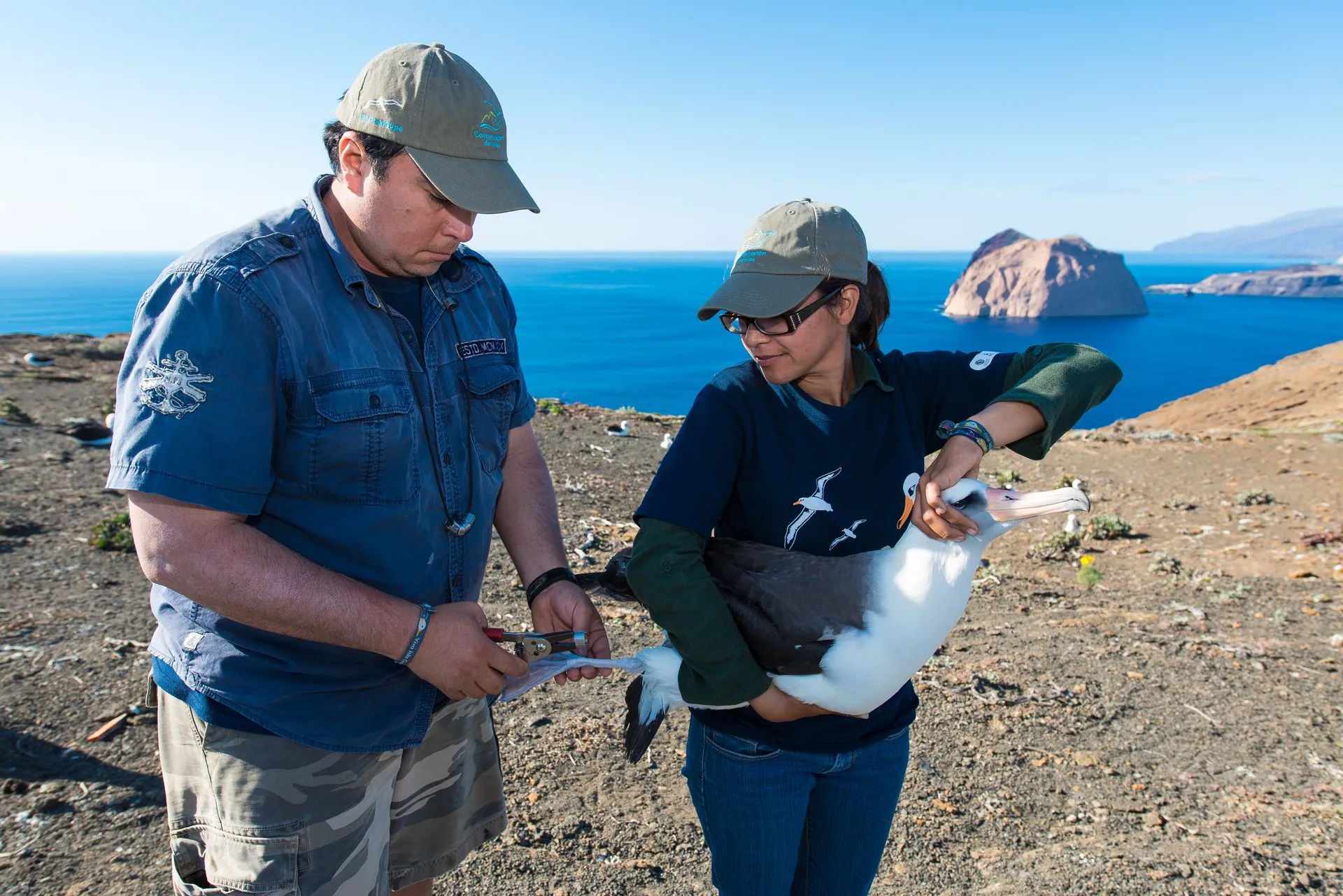 Monitoring Laysan albatross breeding success on Guadalupe Island. Photo: © GECI / J.A. Soriano.
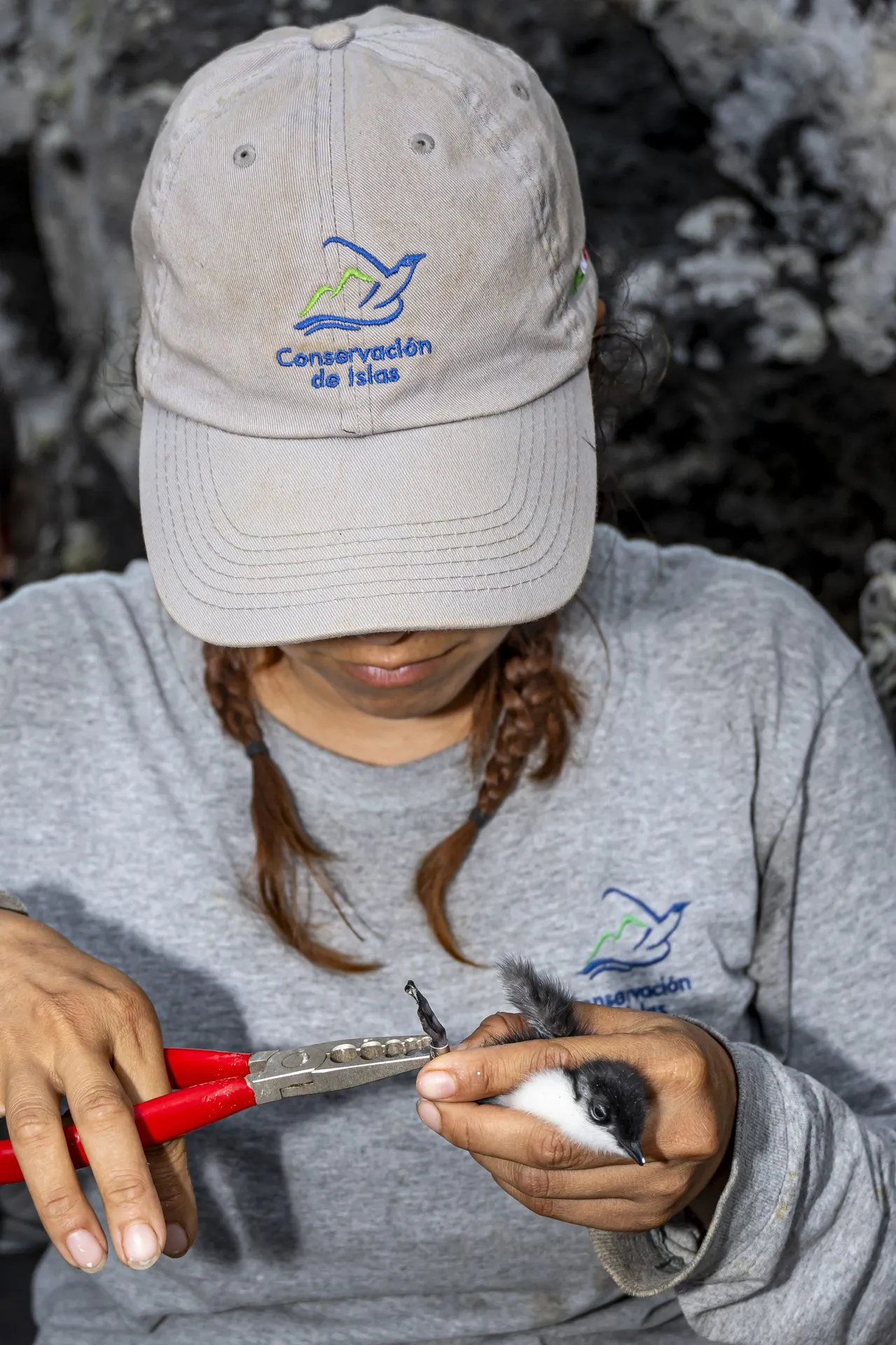 Ringing a Guadalupe murrelet chick two days before it leaves the nest. Photo: © GECI / J.A. Soriano.
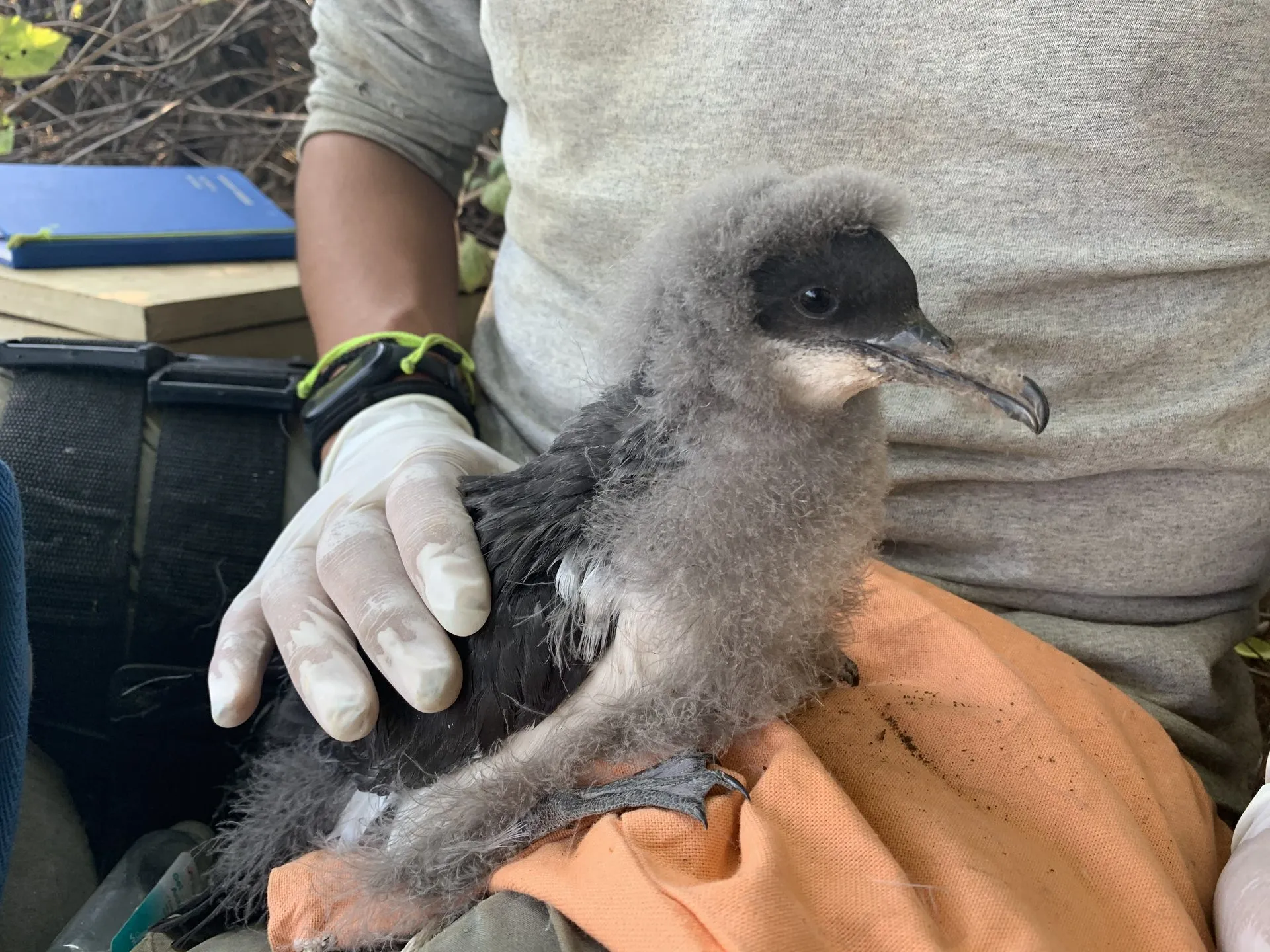 A Townsend’s shearwater fledgling during breeding monitoring. Photo: © GECI.
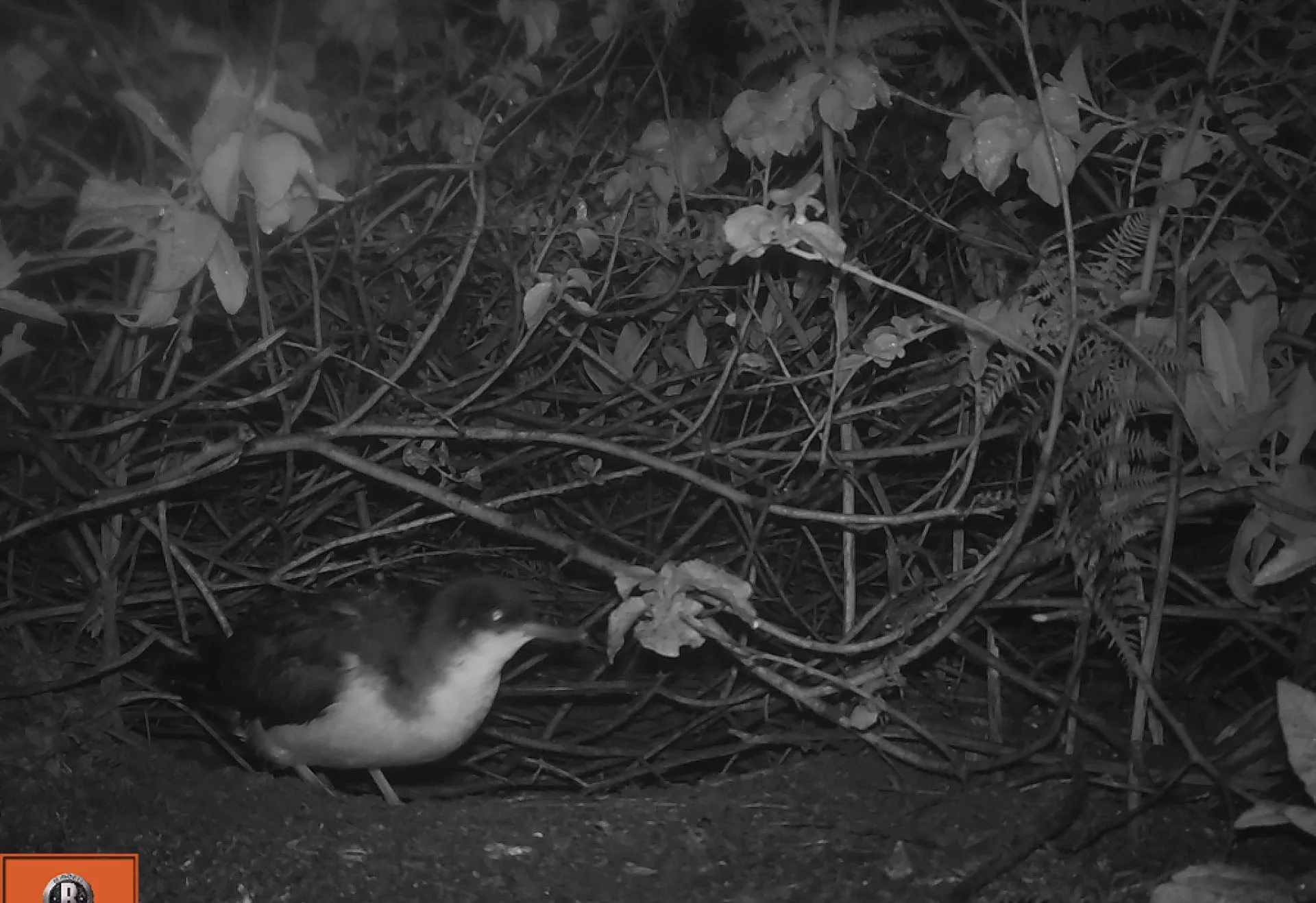 A Townsend’s shearwater leaves its burrow, caught on a camera trap. Photo: © GECI.
A team with universities in three countries
GECI works with public institutions in Mexico and the United States and with academic centres including UNAM, CICESE, CIBNOR, the Cornell University laboratory, the University of Giessen and the University of Barcelona.
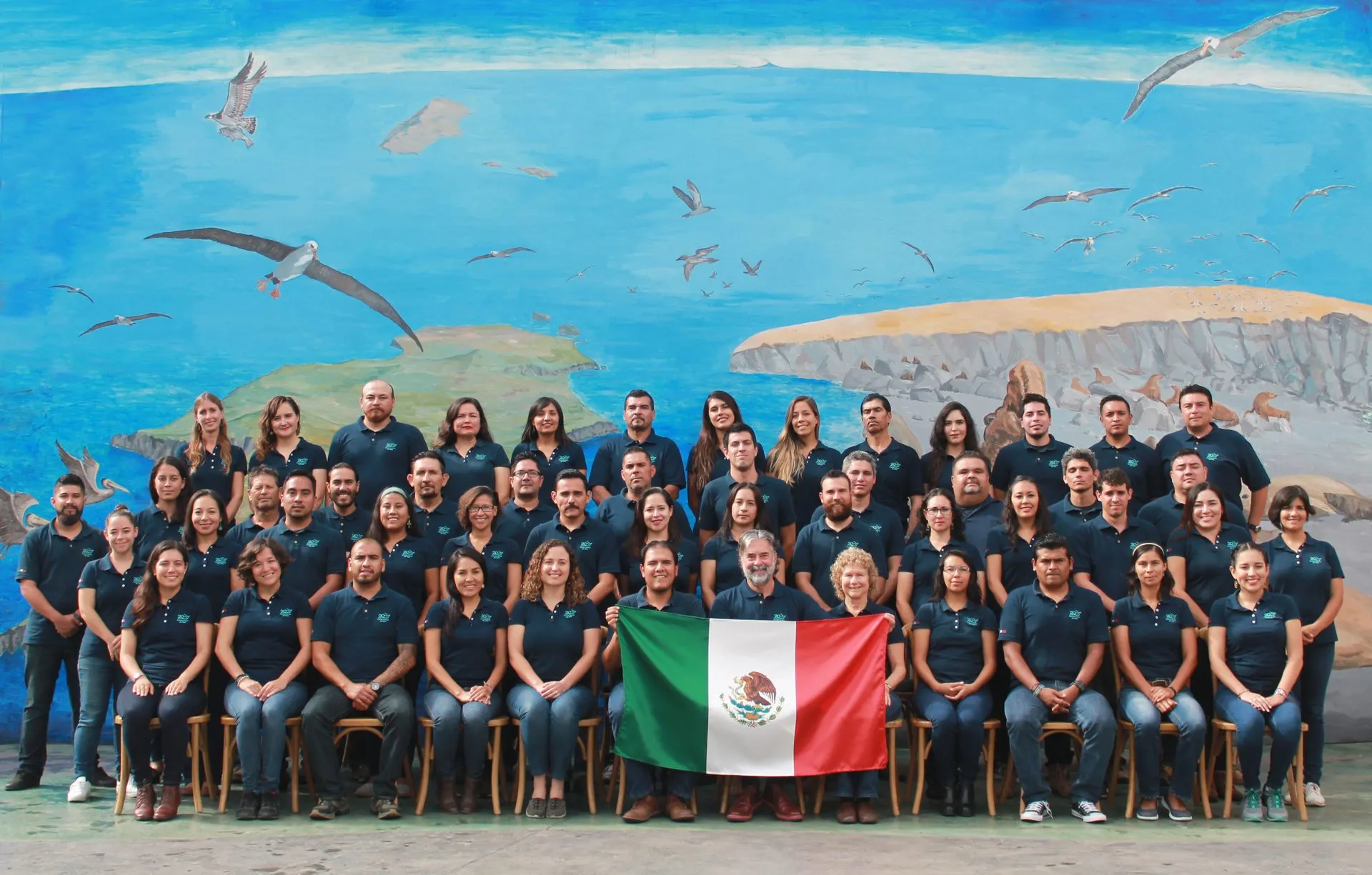 The GECI team. Photo: © GECI / J.A. Soriano.