First takahē chick hatches at its new home on New Zealand's Farewell Spit
A pair of takahē, a bird once presumed extinct for nearly 50 years, has raised its first chick at Onetahua/Farewell Spit, five months after eight birds were moved there. The Department of Conservation says the chick is still in a vulnerable phase and asks visitors to watch the birds from a distance.
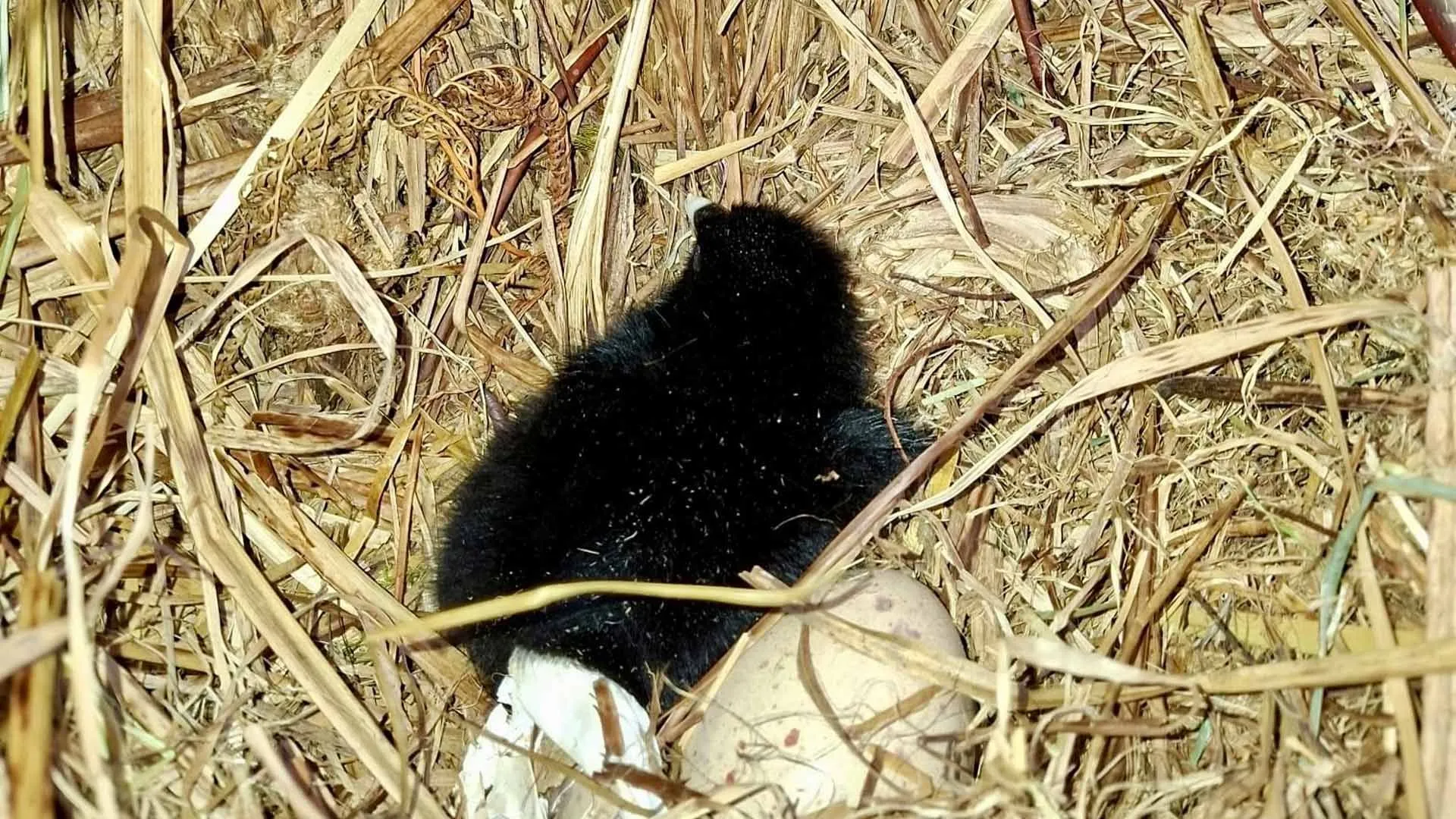
The parents were not a breeding pair when they arrived. In May, New Zealand’s Department of Conservation (DOC) moved eight takahē from Gouland Downs, on the Heaphy Track, to Onetahua/Farewell Spit, the sand spit at the northern tip of the South Island. Two of them formed a new pair there, and in early October their first chick hatched, DOC has announced.
It is still early days. “The young chick is still in a vulnerable phase,” says Ross Trotter, DOC’s Golden Bay operations manager, who is asking summer visitors to enjoy any takahē sightings from a distance so the birds are not disturbed.
A bird that came back from extinction
The takahē is the world’s largest living rail: flightless and ground-dwelling. It was presumed extinct for nearly 50 years until 1948, when physician Geoffrey Orbell found the last wild population in the Murchison Mountains, in Fiordland. That rediscovery launched New Zealand’s longest-running endangered species programme. According to DOC, there were around 500 birds as of October 2023. Each pair breeds once a year, raising one or two chicks.
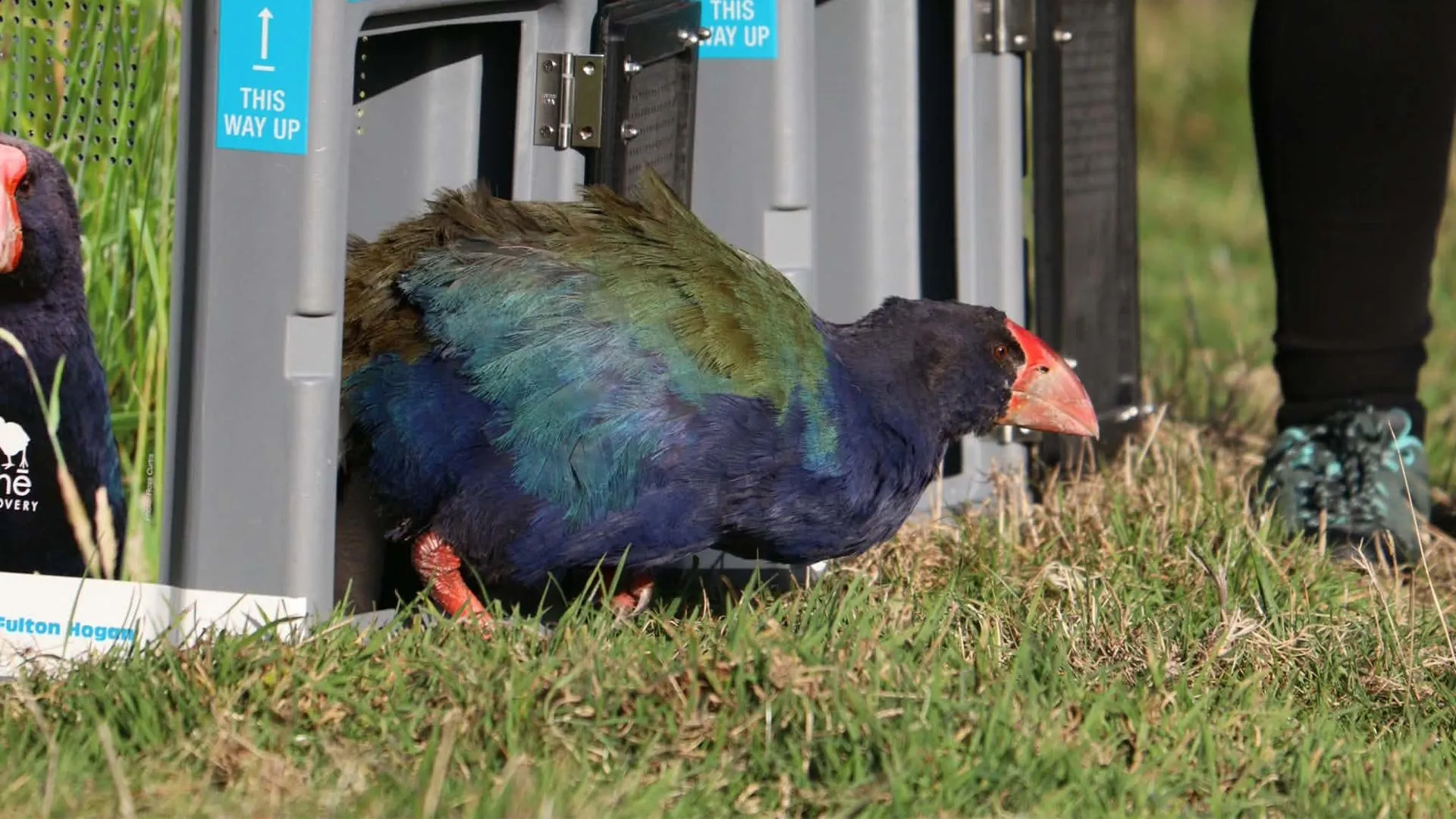 One of the eight takahē released at Onetahua/Farewell Spit in May 2026. Photo: Department of Conservation (DOC).
Traps, a fence and volunteers
The hatching follows years of work by several groups. Pest Free Onetahua has built a network of traps for possums, rats and other introduced predators, and is now running targeted stoat control. A new four-kilometre predator-resistant fence protects some 2,000 hectares of the restoration project, which covers about 12,000.
“There’s been a huge amount of work put into getting this place ready for takahē,” says Corey Mosen, Pest Free Onetahua’s project lead. HealthPost Nature Trust volunteers spent hundreds of hours modifying water troughs and building a fence to keep the birds away from vehicles, and a crowdfunding campaign helped finish the predator fence in time. For Margie Little, chair of Manawhenua ki Mohua, the chick “restores the wairua and mauri” of this taonga species to Onetahua.
The next few months are critical for the chick. The project also plans to control feral cats in the area.