Rare greater one-horned rhino calf born at Chester Zoo, caught on camera
CCTV at Chester Zoo filmed rhino Asha giving birth and her calf's first wobbly steps. It is her fourth calf with Beni, the zoo's male, who died earlier this year. The calf has no name yet and its sex has not been announced. The species is listed as vulnerable, with around 4,000 left in the wild in India and Nepal, and the calf is part of a European breeding programme that keeps a back-up population in zoos.
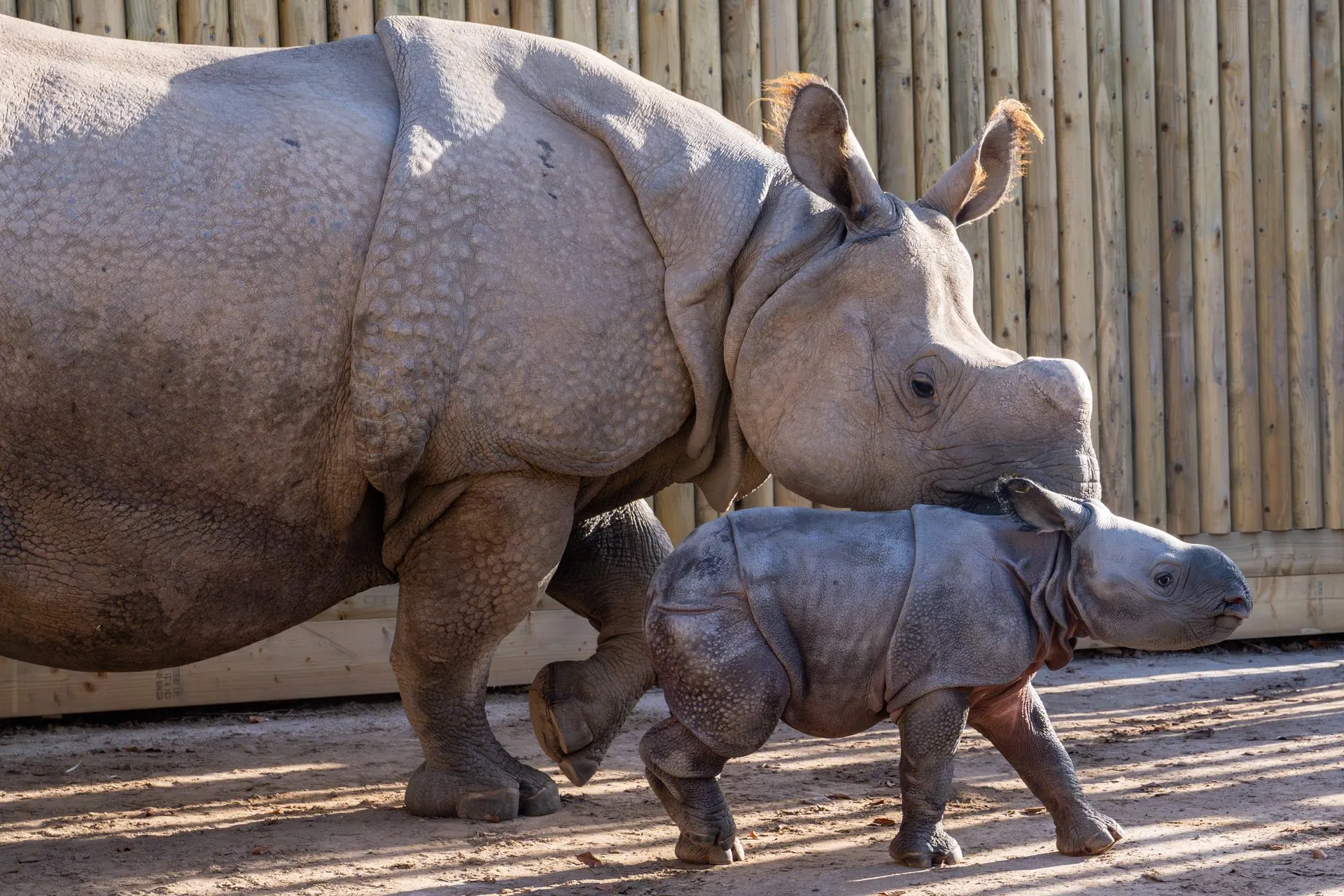
It weighed roughly 45kg and was on its feet within an hour. CCTV cameras at Chester Zoo, in north-west England, filmed greater one-horned rhino Asha giving birth, then caught her calf’s first wobbly steps as it grew in confidence and bonded with its mother.
According to the zoo, the calf was born on the evening of 11 October after a pregnancy of about 15 months, and both are in good health. The pair stayed indoors for the first few days to keep warm and have now ventured out into a behind-the-scenes paddock. The calf’s sex, weight and name have not been announced.
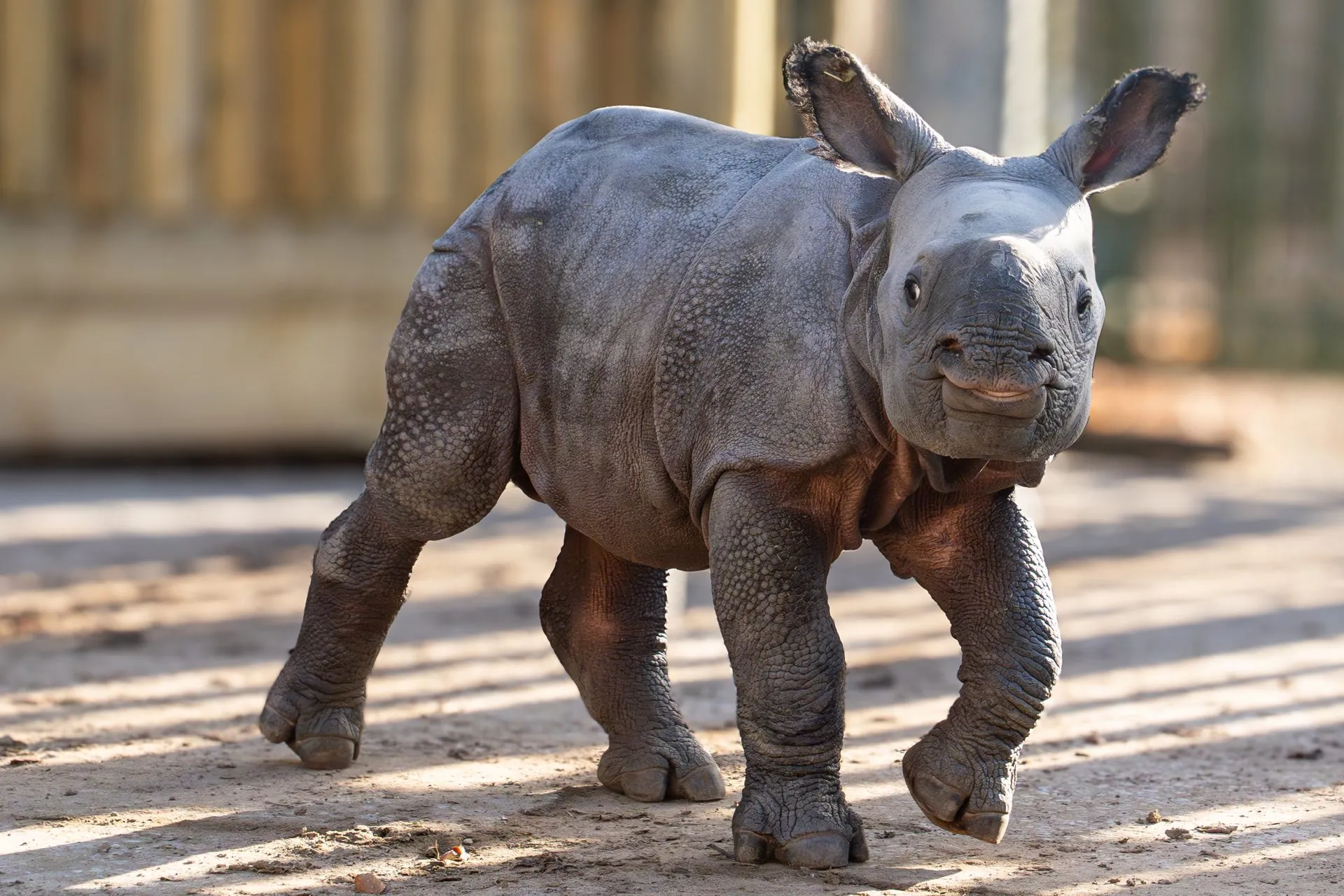
The calf on one of its first trips into the outdoor paddock. Photo courtesy of Chester Zoo.
Beni’s last calf
The youngster is the fourth calf born to Asha and Beni, the zoo’s male, who died earlier this year after a short and sudden illness. “Beni was a lovely rhino. He was calm and approachable,” said Tom Garland, assistant manager of the rhino team. “It’s lovely to know that his legacy lives on through this calf.”
“Any birth can be risky, even for an experienced mum, but fortunately everything went smoothly,” said team manager Emma Evison. “The calf was up and about within an hour and feeding shortly afterwards.”
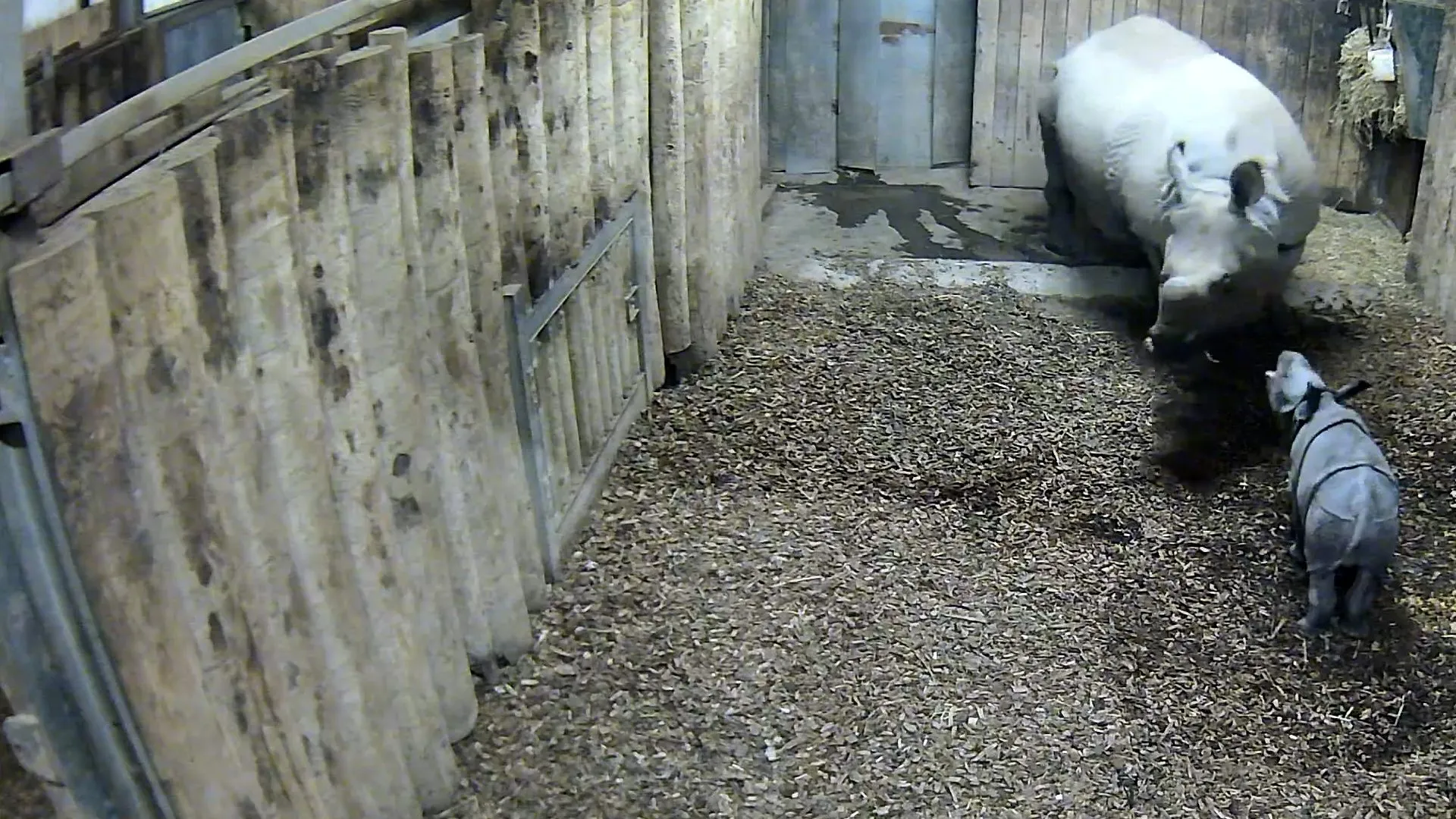
Asha and her calf in the rhino house, seen on the zoo’s CCTV. Photo courtesy of Chester Zoo.
Dung samples to plan the pregnancy
The zoo’s on-site lab regularly tested Asha’s dung. By tracking her hormone levels, scientists could follow her cycle and spot when she was most likely to be receptive to Beni; later tests confirmed the pregnancy. Conservation scientist John O’Hanlan said Asha is one of relatively few greater one-horned rhinos breeding in Europe.
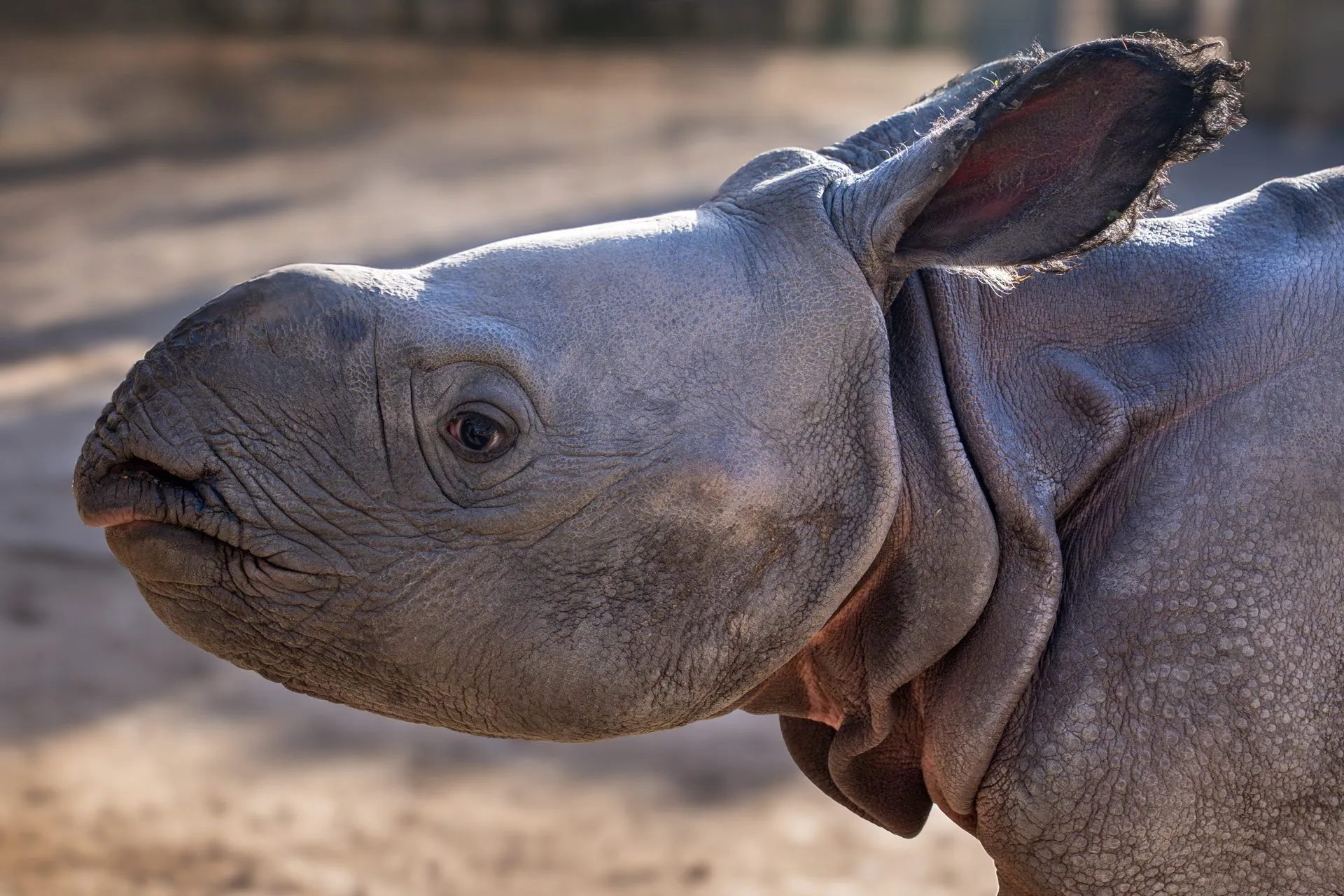
The calf does not have a name yet. Photo courtesy of Chester Zoo.
A recovery story that is not over
Hunting and habitat loss pushed the greater one-horned rhino close to extinction in the early 1900s. Around 4,000 now live in India and Nepal, according to the zoo, and the IUCN lists the species as vulnerable. Many are concentrated in a small number of protected areas, which leaves them exposed to disease and environmental change.
The calf is part of a Europe-wide conservation breeding programme that keeps a healthy, genetically diverse population of greater one-horned rhinos in zoos. Once it is more confident, mother and calf will move into the main paddock, where visitors can see them.