Scientists read humpback whale genomes from their blow, no dart needed
A drone flew through the blow of 26 humpback whales off northern British Columbia, Canada, and collected enough DNA to study their genomes without the biopsy dart used until now. The caveat: the nuclear genomes are low-coverage and it is a single population, but the results matched biopsies from the same animals.
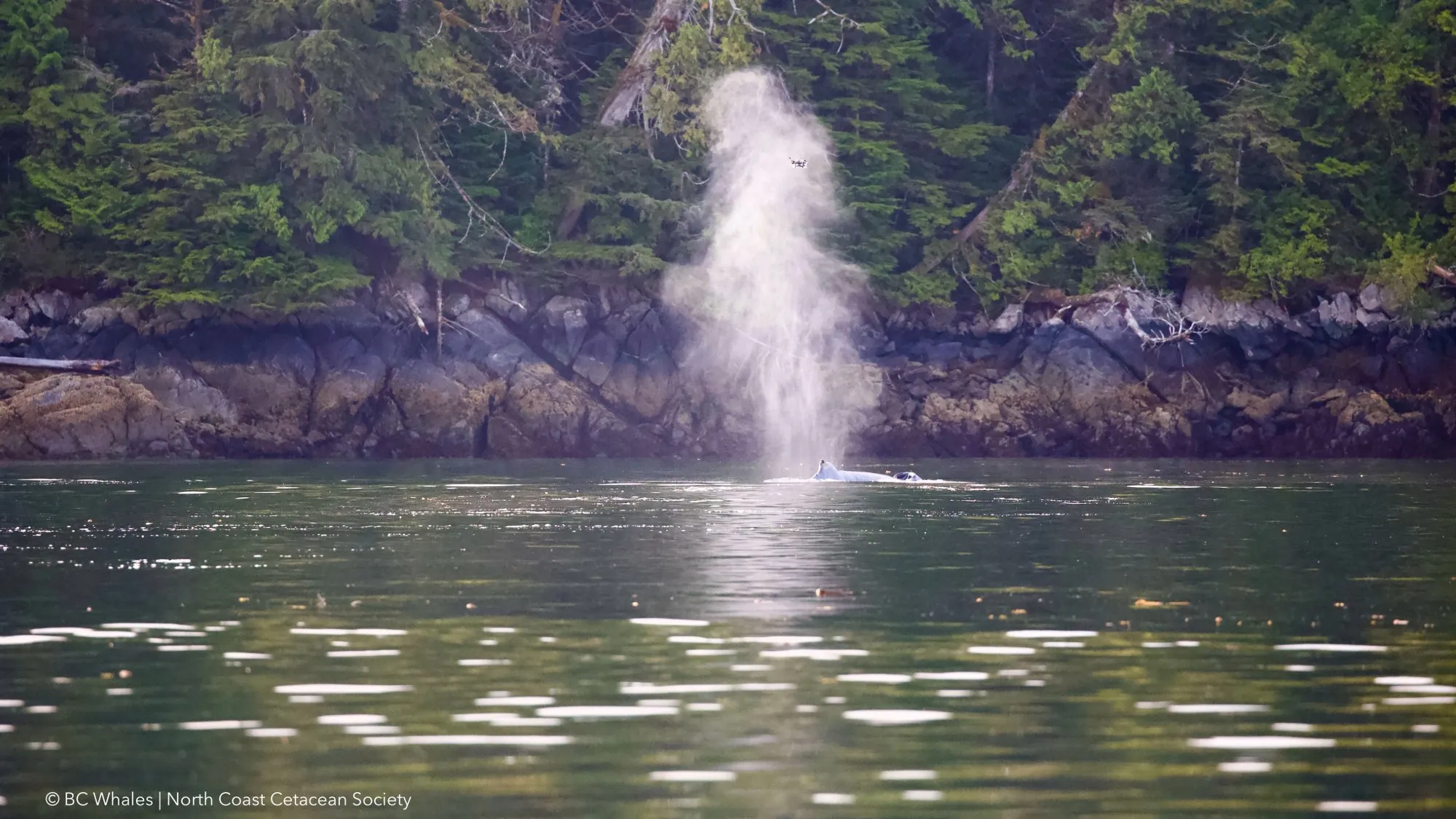
When a humpback whale surfaces to breathe, it sends a column of vapour into the air. That blow carries its DNA. A team from the University of St Andrews in Scotland collected it with a drone off the north coast of British Columbia, Canada, and studied the genomes of 26 whales without approaching them with a dart.
The study, published on 17 November in Molecular Ecology Resources, was led by marine ecologist Éadin O’Mahony, with the University of Copenhagen, Fisheries and Oceans Canada and the local group BC Whales (North Coast Cetacean Society). The caveat: the nuclear genomes are low-coverage, and all the whales belong to one population.
Petri dishes through the blow
The drone, a small off-the-shelf model, carries sterile Petri dishes. It flies through the whale’s blow, usually one to six breaths in a row, and comes back with the droplets. Over two years the team gathered 58 samples in the Kitimat fjord system, in the territory of the Gitga’at First Nation.
According to the university, the team targeted the most upwind whale in each group, never sampled resting whales and stopped the flight if an animal reacted. More than a third of the samples were taken by flying from land, with no boat.
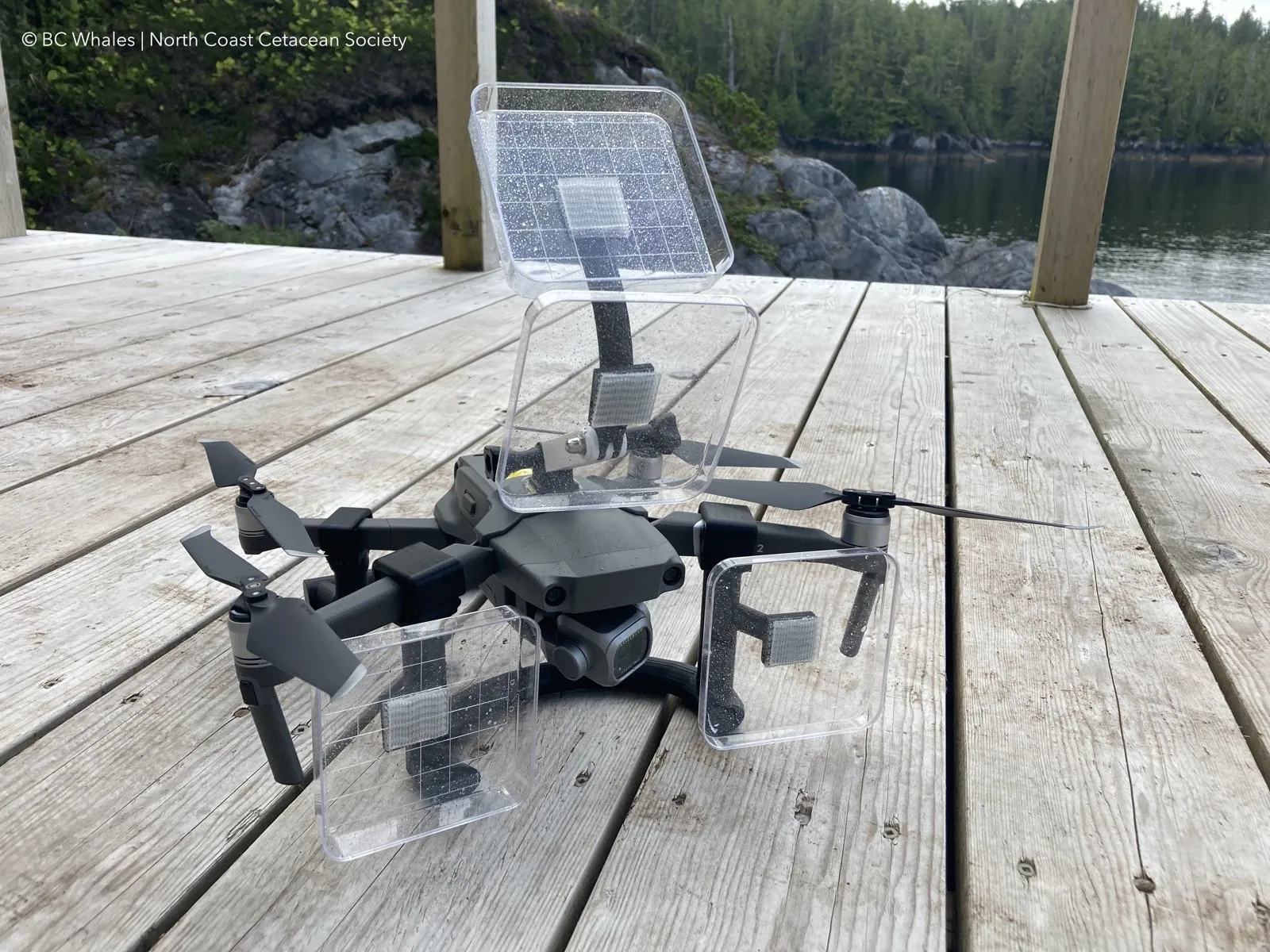 The drone comes back with its dishes covered in droplets of blow. Photo: BC Whales | North Coast Cetacean Society (used with permission).
As good as a biopsy
About 84% of the DNA in each sample came from the whale itself. The team read nuclear genomes and complete mitochondrial genomes, and found they matched biopsies from the same animals. It identified the sex of every whale and found three mitochondrial variants that had not been described before.
Until now, reading a whale’s genome required a biopsy dart, a stranded animal or a museum specimen. According to St Andrews, only one North Pacific humpback whole genome was publicly available before this study.
The population shows little sign of recent inbreeding. Most of the remaining 16% of the DNA comes from airway microbes, which could help monitor the whales’ health.
Next, O’Mahony says, the team will use the genomes to study kinship among whales that feed together in the area: “Are the whales that forage together family, or long-term friends?”
Sources
- Molecular Ecology Resources · O'Mahony et al., Breath to genome: Whole Genome Sequencing of Large Whales from Blow Sampling (17-11-2026)
- University of St Andrews (EurekAlert) · Whole genome sequencing using whale snot (17-11-2026)
- Janie Wray (BC Whales | North Coast Cetacean Society) · photo permission (email to the newsroom, 25-11-2026)