Hatchlings from the US West Coast's first sea turtle nests return to the ocean
The 54 olive ridley hatchlings that emerged at the Aquarium of the Pacific in Long Beach, California, from a nest laid at Seal Beach were released on that same beach before dawn on 14 November 2026. They come from the first confirmed natural sea turtle nests on the US West Coast. The eggs had been dug up to save them from Hurricane Polo's surf. The caveat: according to NOAA Fisheries, only about one in 1,000 hatchlings survives to adulthood.
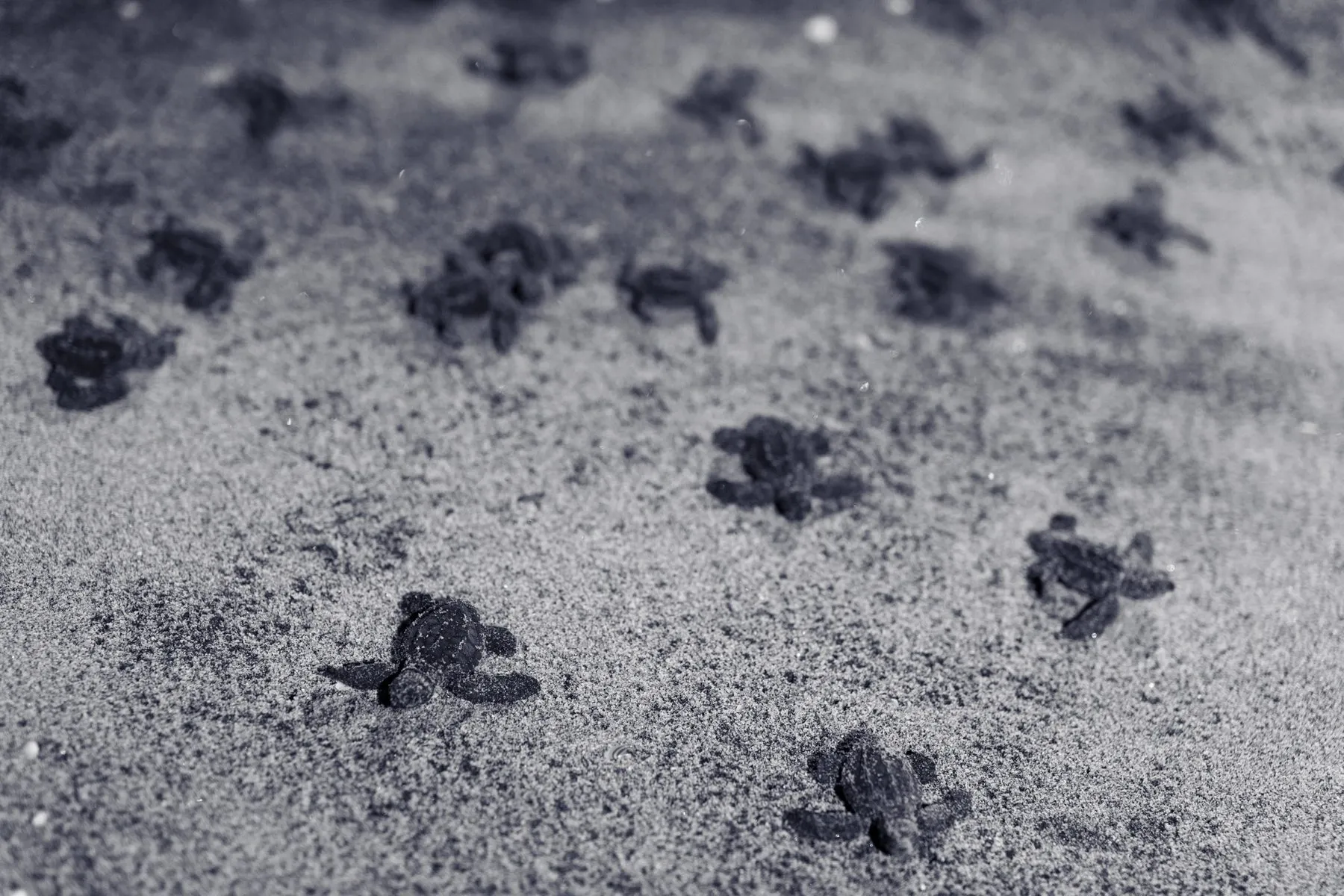
The first hatchling poked through the sand at the Aquarium of the Pacific in Long Beach, California, at about 7:15 p.m. on Friday 13 November. Dozens more followed within two hours. In the early hours, before dawn, all 54 olive ridley hatchlings were back at Seal Beach, where their mother had laid her eggs, and crawled into the Pacific.
It was an ending nobody could have counted on three months ago. The two nests, found on 16 September near Seal Beach National Wildlife Refuge and on 19 September near Huntington Beach Pier, are the first confirmed natural sea turtle nests on the US West Coast, according to the U.S. Fish and Wildlife Service (USFWS). NOAA Fisheries estimates that only about one in 1,000 hatchlings reaches adulthood.
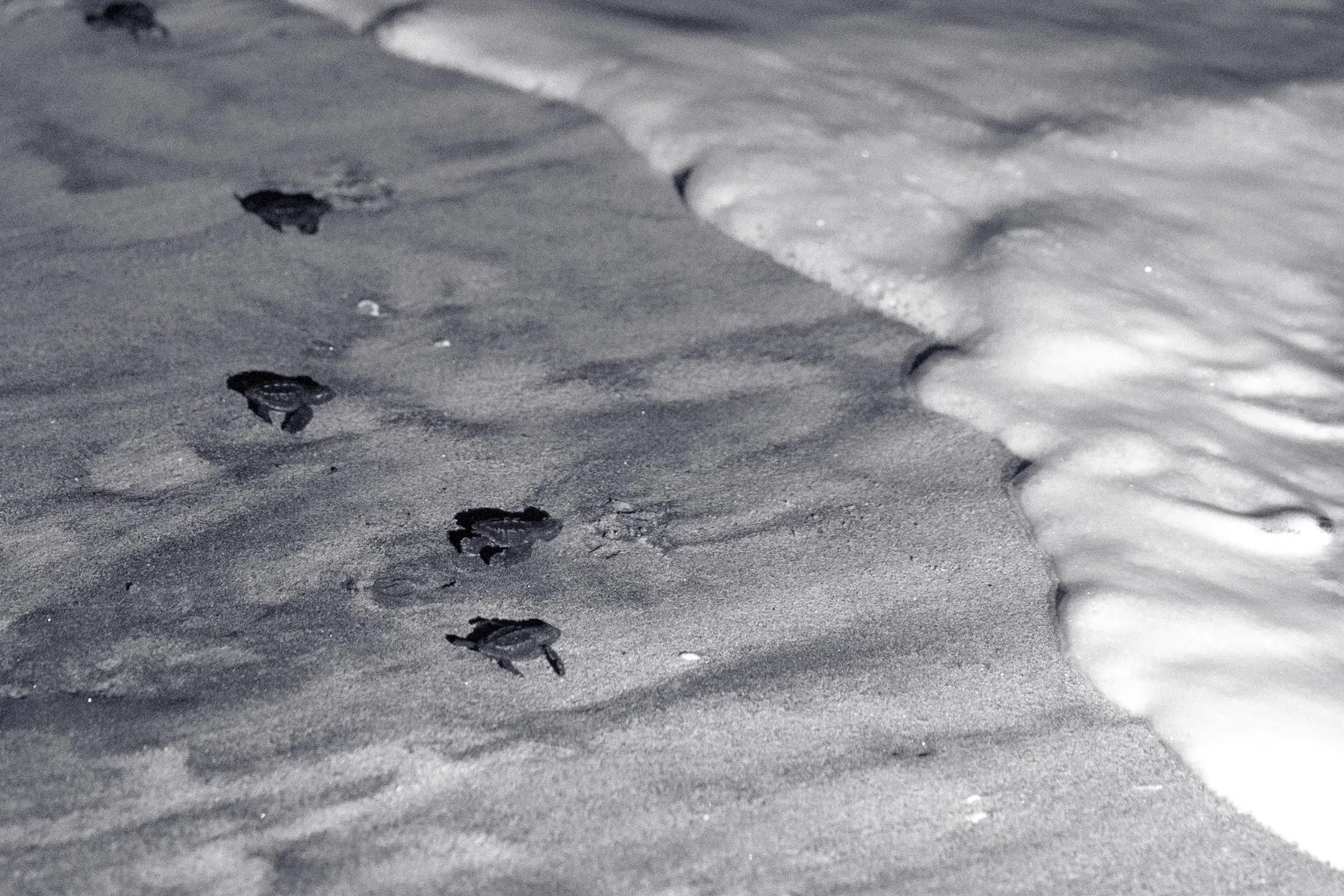
Hatchlings reach the water’s edge at Seal Beach. Photo: Robin Riggs / Aquarium of the Pacific.
Rescued from Hurricane Polo
As Hurricane Polo approached with heavy surf and high tides, federal and state officials decided to dig up the eggs. At dawn on 25 September, two teams removed 104 eggs at Seal Beach and 100 at Huntington Beach. “Within 24 to 48 hours, we had to move really quickly,” says Jonathan Snyder of the USFWS. Flooding “would have killed the eggs”, according to Aquarium CEO Jeffrey Flocken.
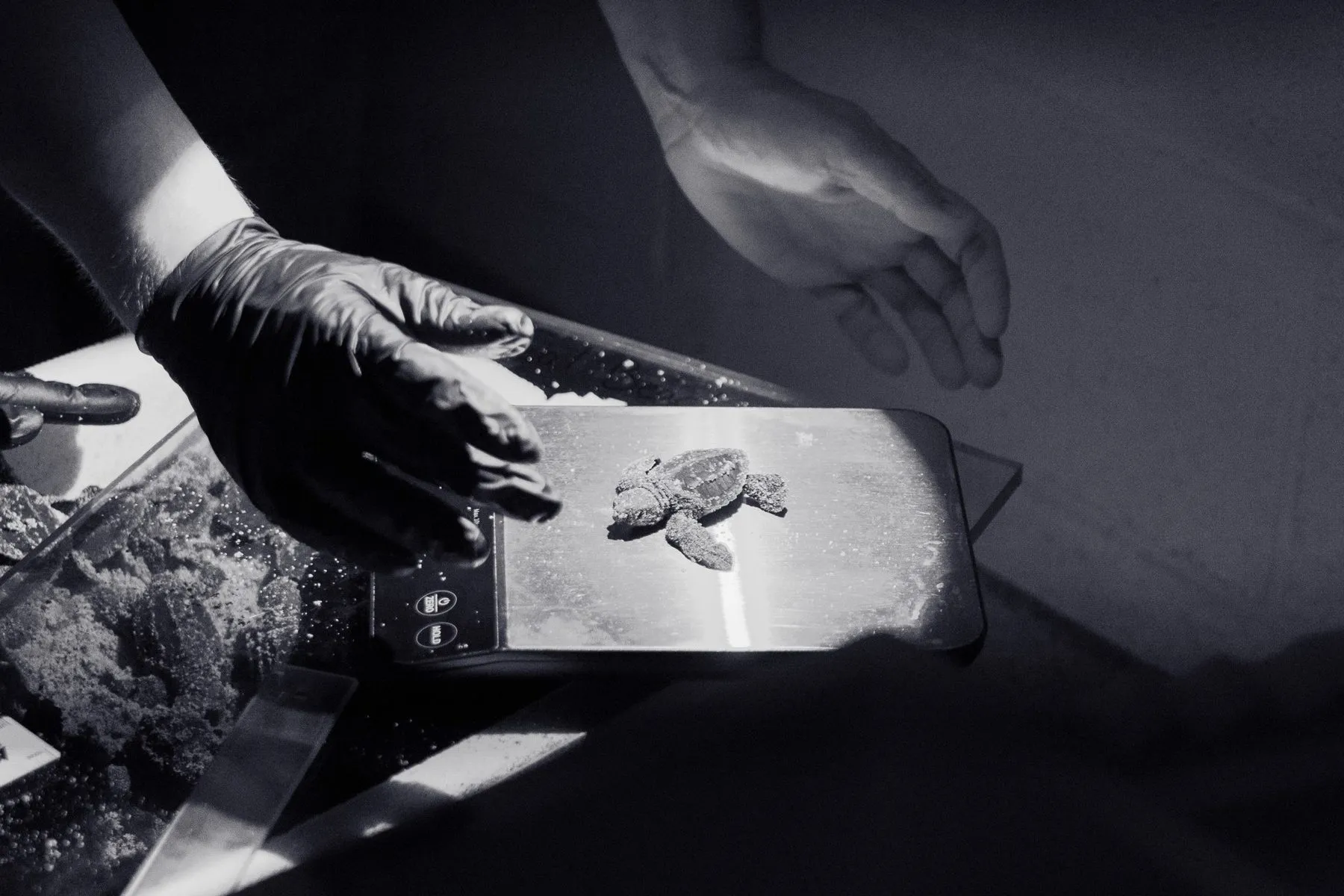
A hatchling is checked before release. Photo: Robin Riggs / Aquarium of the Pacific.
The eggs spent 58 days in incubators with controlled temperature and humidity. The 104 Seal Beach eggs produced 54 hatchlings; it is not yet known whether the rest are viable. The Huntington Beach hatchlings emerged later and were released on their own beach early on Sunday 15 November.
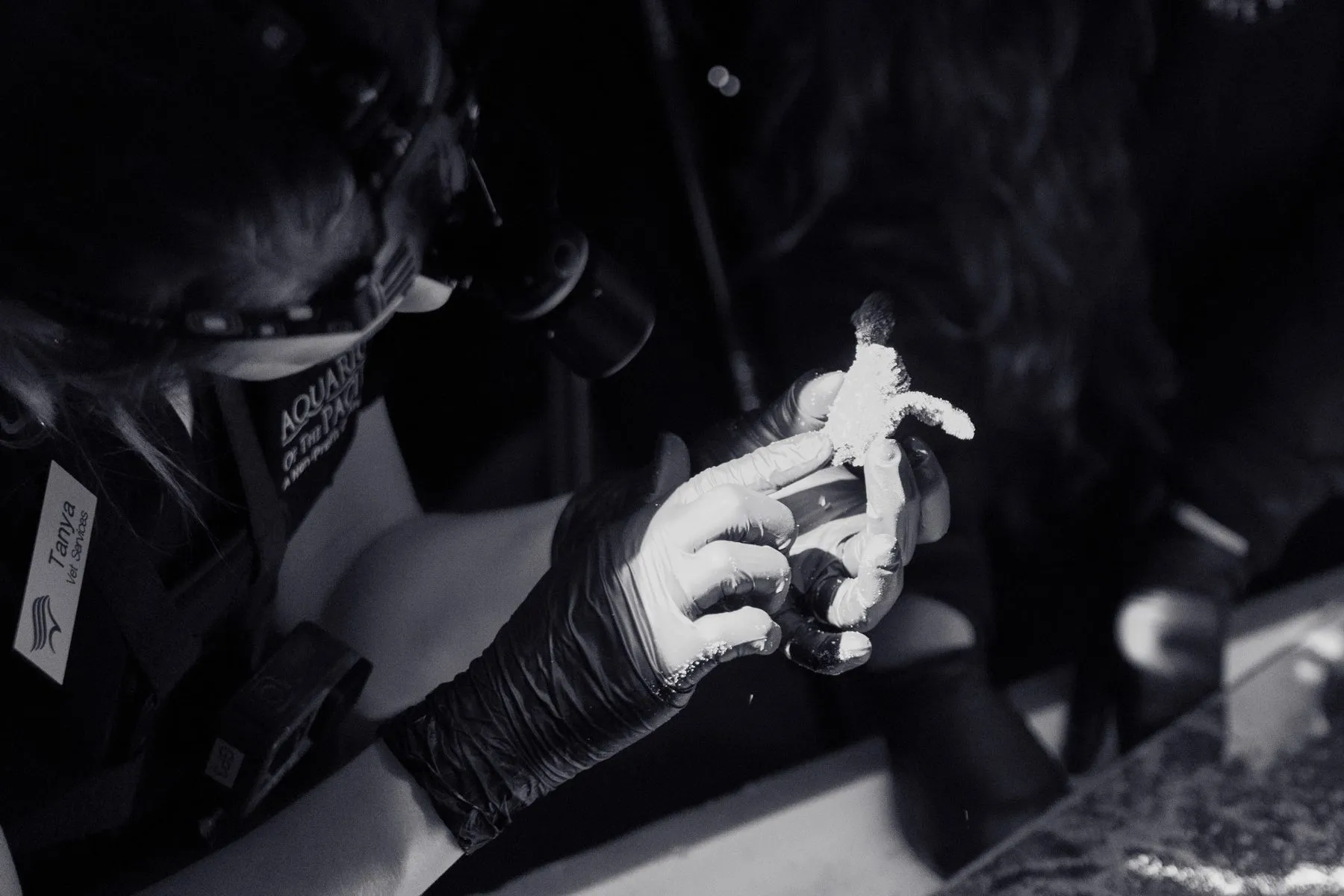
Aquarium staff with one of the hatchlings. Photo: Robin Riggs / Aquarium of the Pacific.
In the dark, so they don’t get lost
Hatchlings navigate by moonlight, so the release took place at night, under red or infrared light and with minimal disturbance. Ahead of them lie 24 to 48 hours of non-stop swimming, fuelled by their yolk sac.
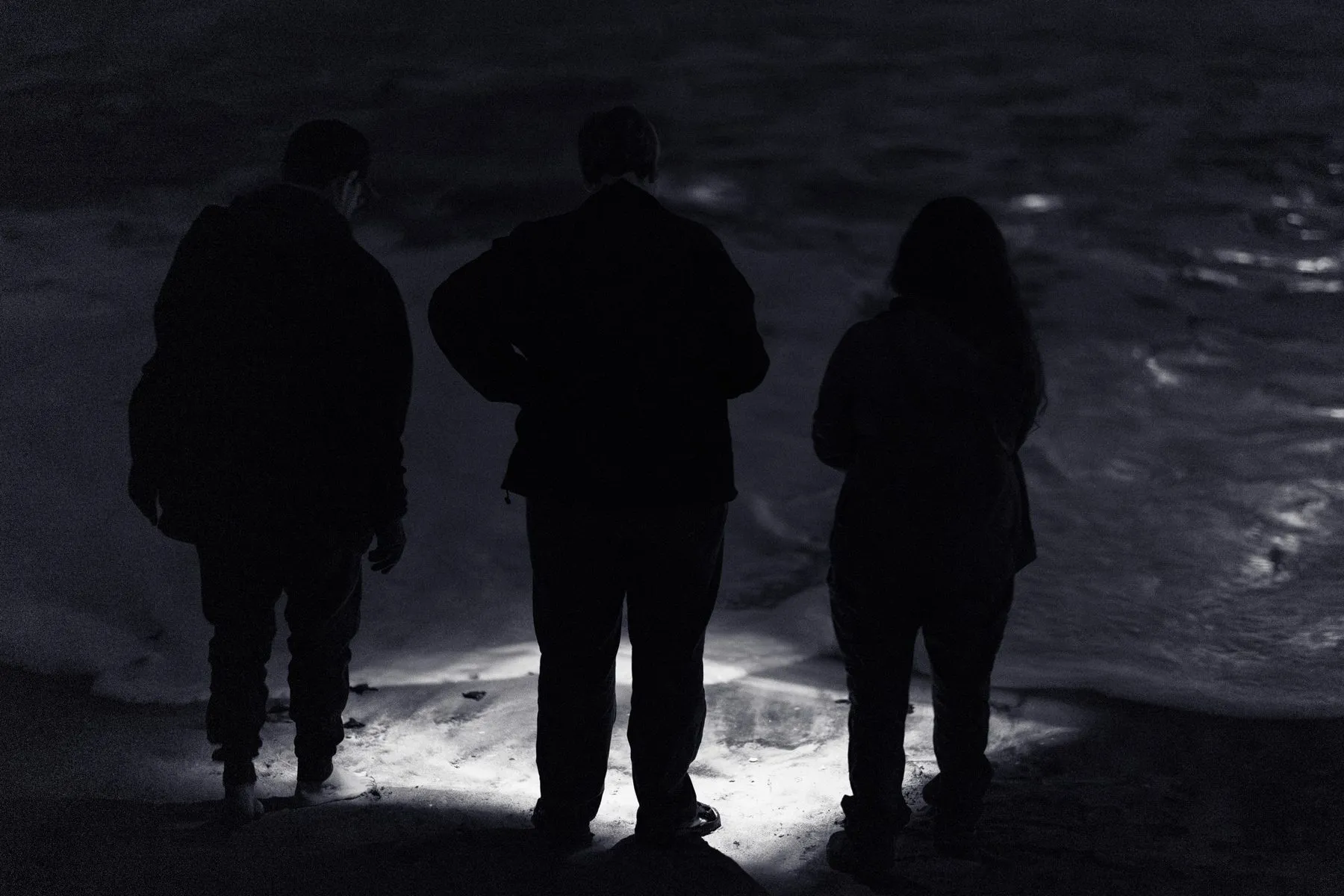
The team watches the release from the shore. Photo: Robin Riggs / Aquarium of the Pacific.
Why the turtles nested so far north is not clear. The USFWS says warm El Niño waters may have played a part, and Snyder also credits decades of conservation: olive ridley populations “have increased substantially”.
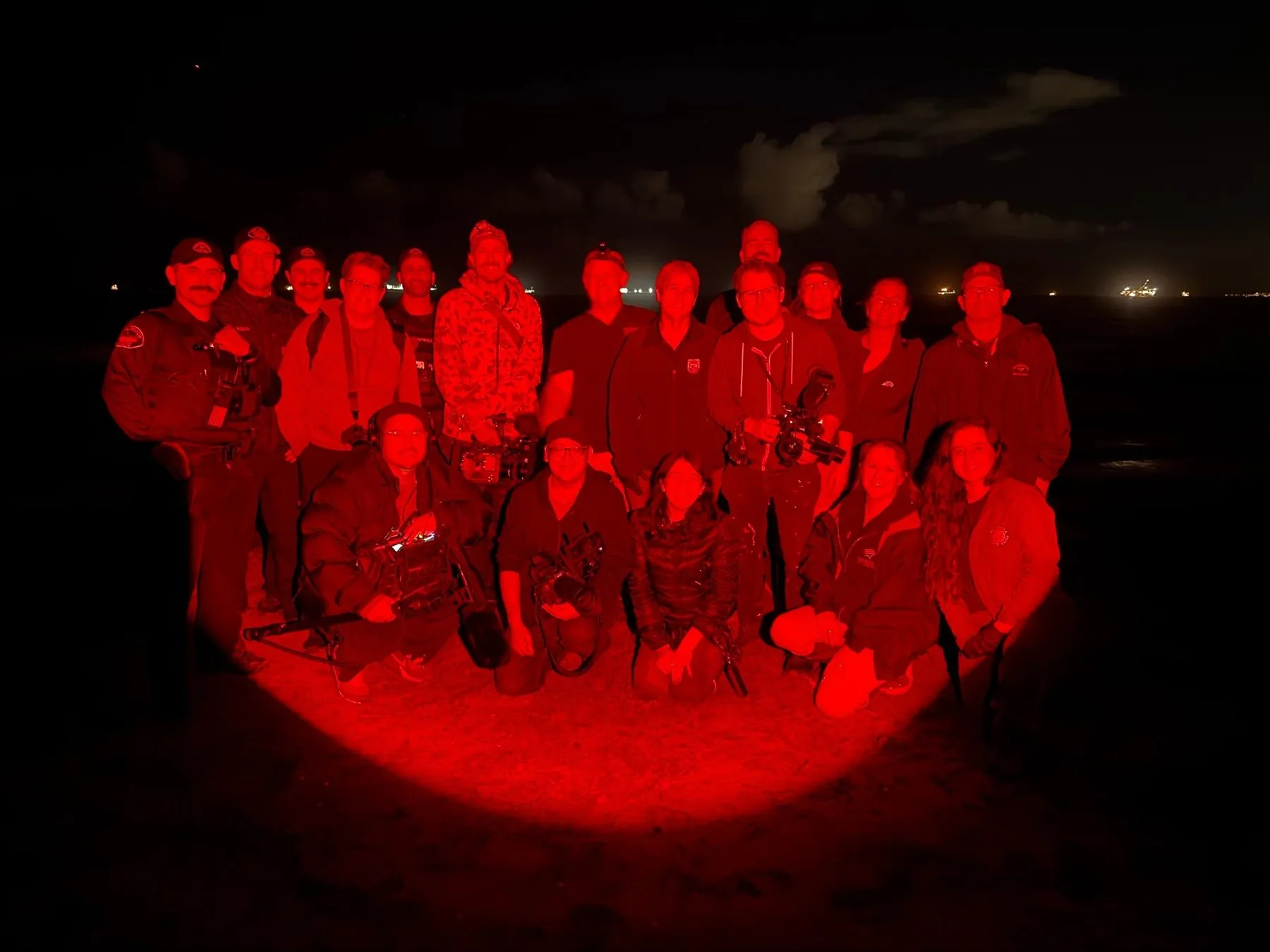
The team that took part in the release. Photo: Aquarium of the Pacific.
Anyone who sees a stranded sea turtle on the California coast can alert a lifeguard or call NOAA’s stranding hotline on 562-506-4315.
Sources
- U.S. Fish and Wildlife Service · Historic olive ridley sea turtle nesting on the U.S. West Coast (13 Oct 2026)
- NBC Los Angeles · Sea turtle eggs hatch, hatchlings released at Seal Beach (14 Nov 2026)
- NBC Los Angeles · Second batch of sea turtles released in Huntington Beach (15 Nov 2026)
- Smithsonian Magazine · These adorable hatchlings are from the U.S. West Coast's first known natural sea turtle nests
- Chelsea Quezada (Aquarium of the Pacific) · photo and video permission (email to the newsroom, 23 Nov 2026)