Seville university to host 300 endangered fish found only in Andalusia
The regional government of Andalusia has authorised the transfer of 300 Andalusian toothcarps, or salinetes (Aphanius baeticus), a small fish found only in Andalusia and listed as endangered, to Pablo de Olavide University (UPO) in Seville. They will live in two restored ponds on campus, and any young born there will be available for release into the wild. The caveat: surveys have found only 10 wild populations, and the species is still declining.
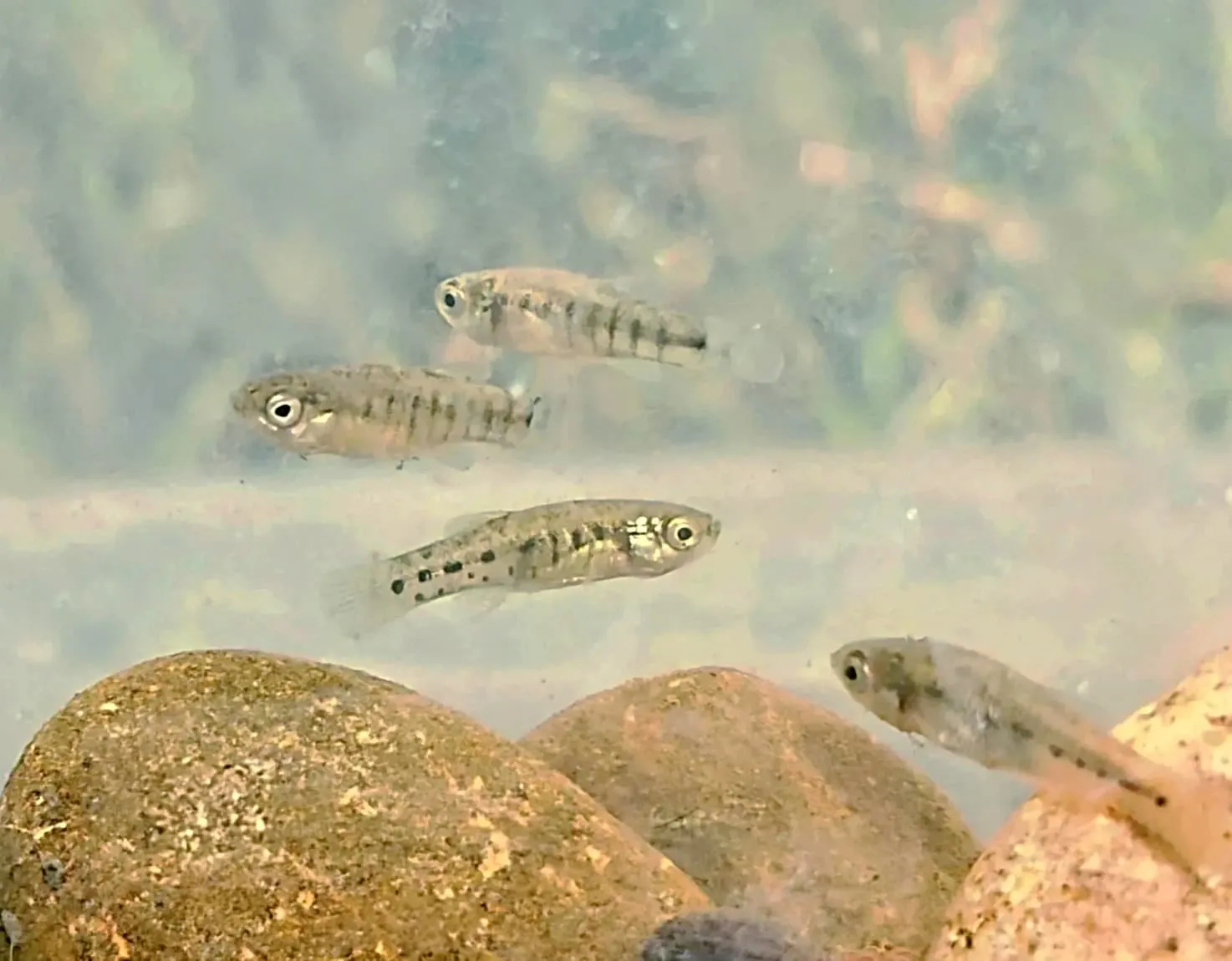
It is only a few centimetres long, lives in salty streams that dry out for part of the year and exists nowhere else on Earth. The salinete (Aphanius baeticus) is listed as endangered, and 300 of them will soon have a new refuge: the campus of Pablo de Olavide University (UPO) in Dos Hermanas, near Seville.
Andalusia’s Department of Sustainability and Environment has authorised the transfer, the university announced on 20 November. The fish will come from the Los Villares breeding centre for threatened fish and from several wild populations. The challenge is real: the regional programme has found only 10 wild populations, all on Andalusia’s Atlantic side, across Huelva, Seville and Cádiz, including Doñana.
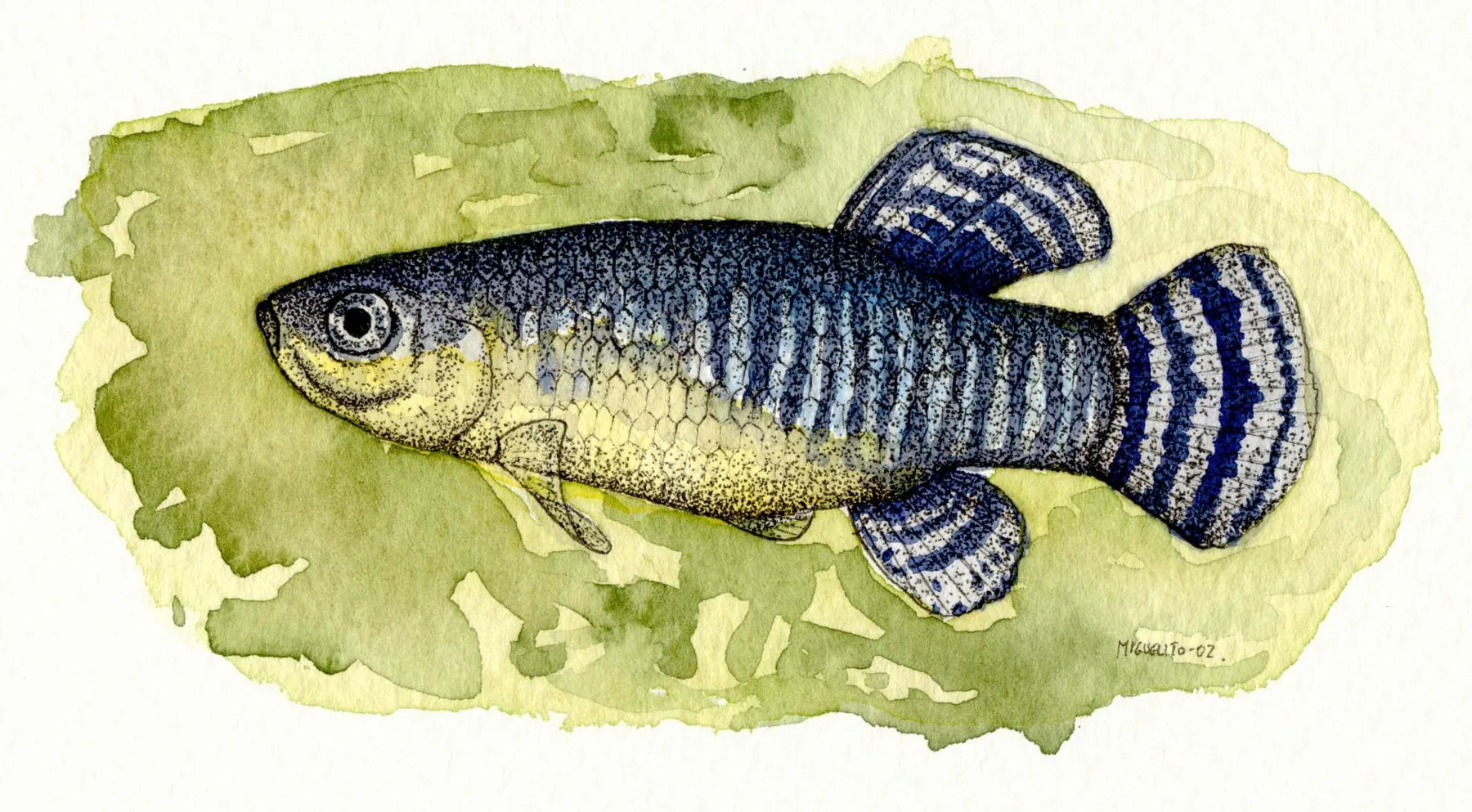
Drawing of a salinete. Artist: Miguel Clavero / Pablo de Olavide University.
A species described in 2002
Until two decades ago, scientists thought the only fish of its kind in Andalusia was the Spanish toothcarp, or fartet. Genetic and anatomical studies set the western populations apart, and in 2002 they were described as a new species. The salinete copes with sharp swings in salinity, temperature and oxygen, but not with losing its habitat. According to the regional government, its streams are being taken over by farming and suffer from water shortages, pollution and invasive species.
“Conserving the salinete matters because small, little-known species also play a role in ecosystems,” says Professor Luis Villagarcía, who leads the project with Professor Martina Carrete of the Ecology department and the student group Aula de la Naturaleza.
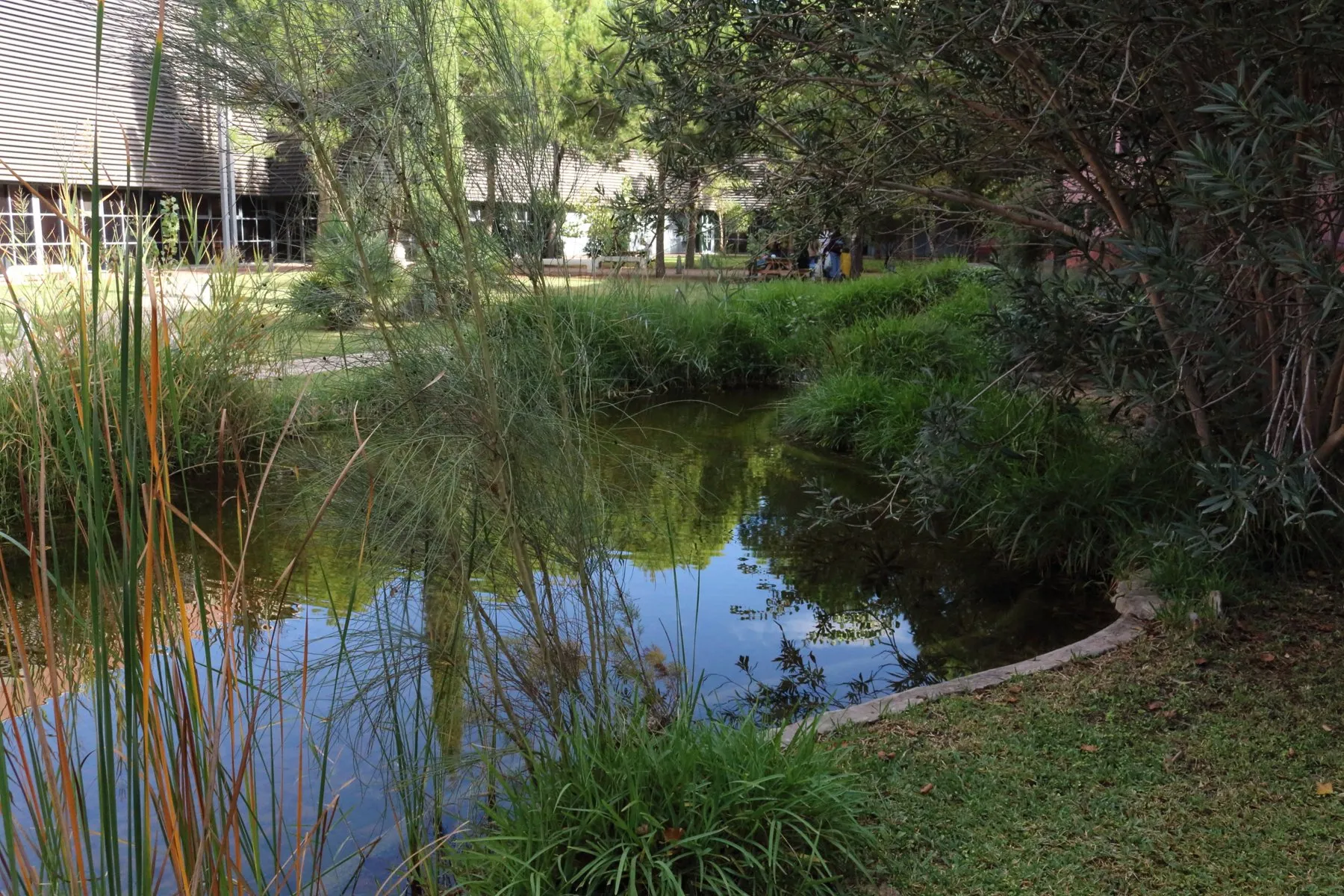
The pond between buildings 22, 23 and 24, restored for the fish. Photo: Pablo de Olavide University.
Two ponds and a living classroom
The fish will live in two ponds restored so that they can breed: one between buildings 22, 23 and 24, and another in the campus garden of aromatic, medicinal and culinary plants. Any young born there will be available to the regional government for reintroductions, to reinforce existing populations or to keep breeding stocks, under the supervision of the species’ recovery plan staff.
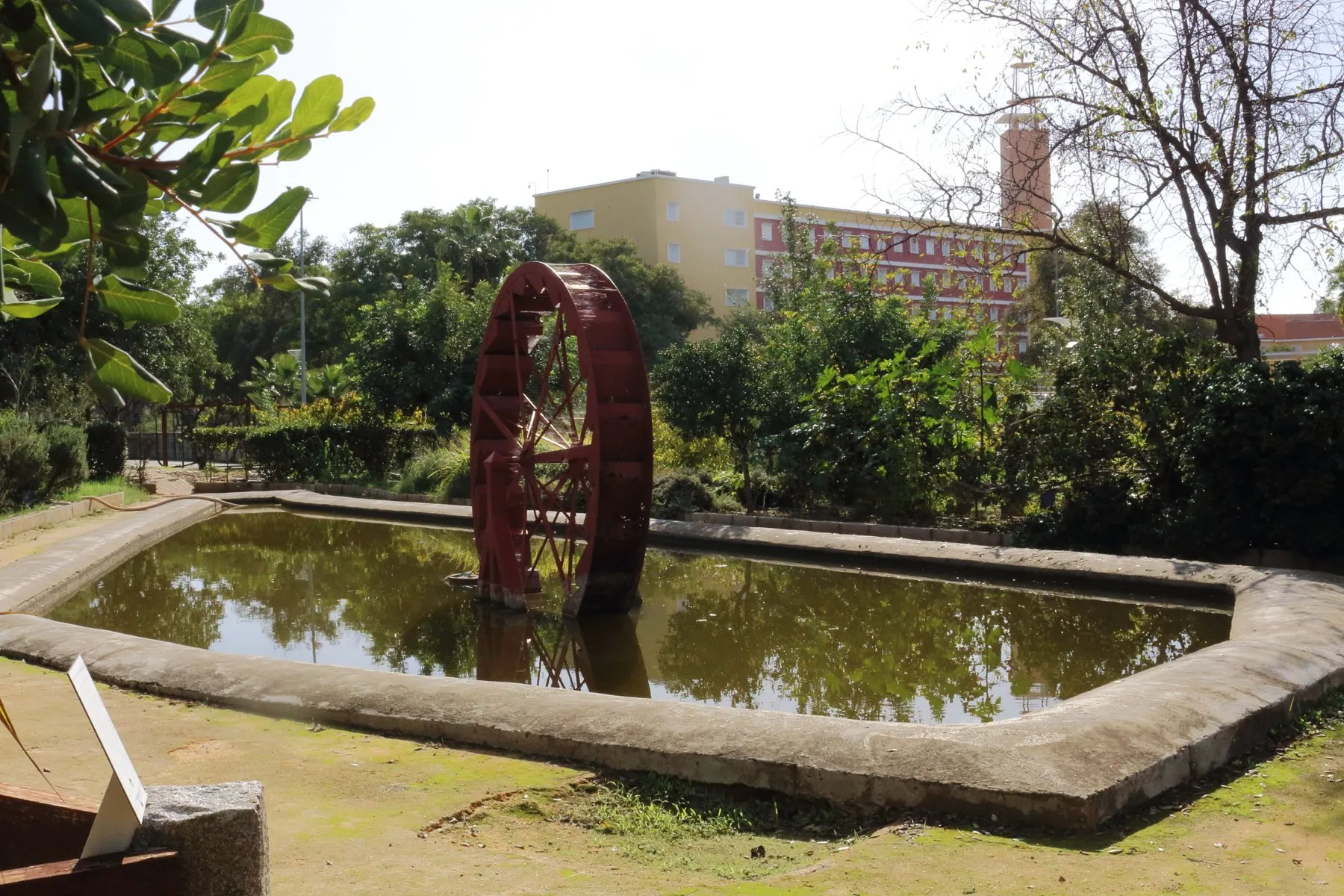
The pond in the aromatic, medicinal and culinary plant garden. Photo: Pablo de Olavide University.
Environmental Sciences students and Aula de la Naturaleza members will monitor the fish’s numbers and health. “It lets us put research and teaching at the service of conserving a species unique to Andalusia,” says Carrete.
Sources
- DUPO (Pablo de Olavide University) · La UPO acogerá 300 salinetes para contribuir a la conservación de este pez endémico de Andalucía (20 Nov 2026, in Spanish)
- Junta de Andalucía · Salinete and fartet conservation programme (in Spanish)
- Mila Infante (UPO press office) · image permission (email to the newsroom, 24 Nov 2026)