Ethiopian water mouse feared extinct is found again after almost 100 years
It was known from a single specimen, caught in 1927 in a stream in northern Ethiopia, and was feared extinct. Now ecologist Mengistu Wale of the Ethiopian Biodiversity Institute has found it again in the Yayu Coffee Forest Biosphere Reserve, in the south-west of the country, during a wildlife survey backed by the German conservation group NABU. The caveat: the identification is based on its features, and the genetic tests that should confirm it are still under way.
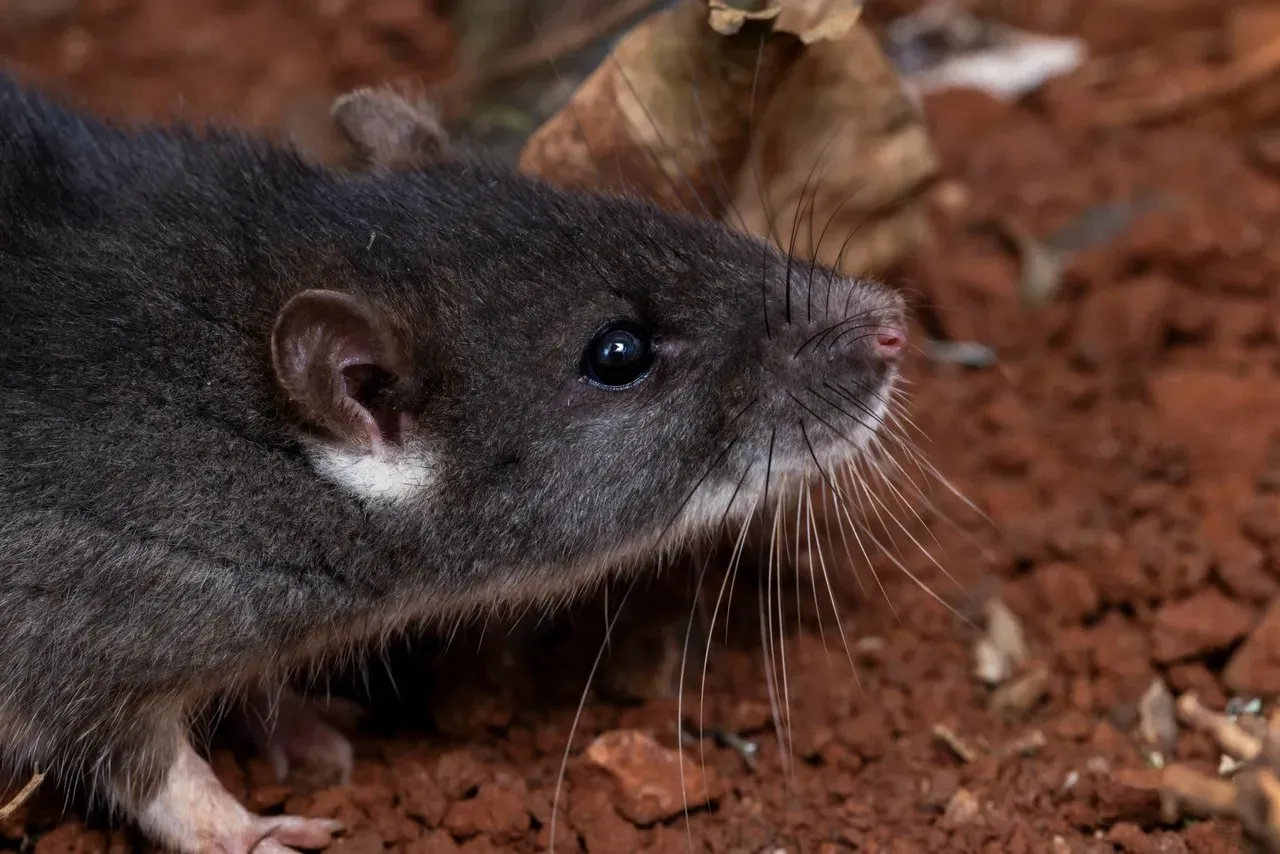
Mengistu Wale lured it with peanut butter. When he saw the animal in one of his traps, by a stream where villagers wash their clothes, he was “95 percent sure” of what he was looking at, he told National Geographic: an Ethiopian water mouse (Nilopegamys plumbeus), a species no one had recorded for almost a century.
Until now it was known only from one specimen, caught in 1927 by an American zoologist in a mountain stream in northern Ethiopia and described in 1928. Later searches there, in an area largely turned over to farmland, found nothing, and the International Union for Conservation of Nature (IUCN) lists the species as critically endangered and possibly extinct.
A white patch behind the ear
Wale, an ecologist at the Ethiopian Biodiversity Institute, found it in mid-October in the transition zone of the Yayu Coffee Forest Biosphere Reserve, hundreds of kilometres from the 1927 site. It was during a wildlife survey that also involves mammalogist Alena Fornůsková of the Czech Academy of Sciences. According to National Geographic, he later caught two more.
The team compared the animals with the 1928 description. The white spots behind the ears were one of the keys. “This is an extraordinary find,” Wale said, according to the Austrian news agency APA.
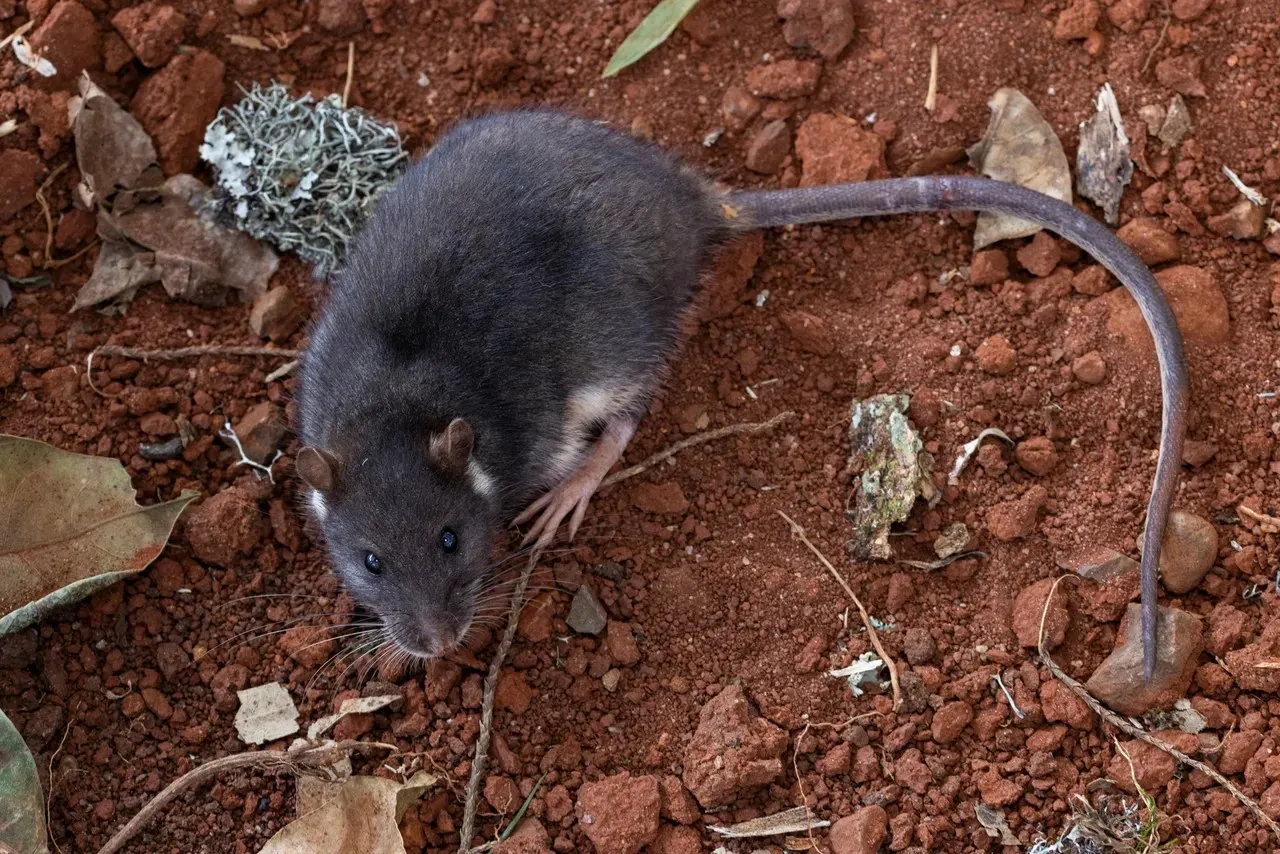
Its large hind feet may work as paddles. Photo: Bruno D’Amicis / NABU.
An animal that lives in the water
Very little is known about it. Scientists think it hunts insects, and perhaps fish, in murky water, that its dense, silky fur helps it float and that its whiskers and muzzle help it find prey underwater.
“Our entire knowledge of this species was based on practically a single animal,” said Katharina Kühnert, who leads the Yayu project for NABU, the German conservation group behind the survey.
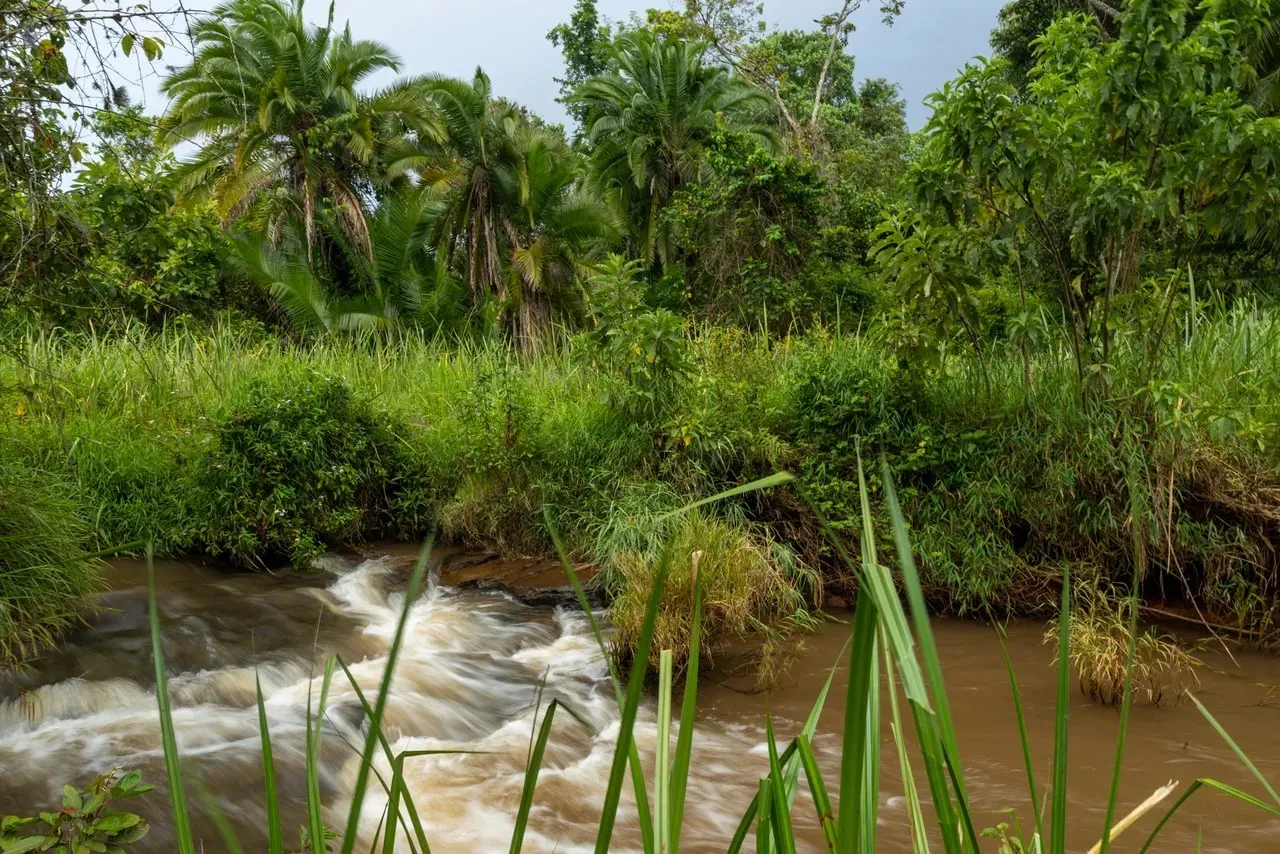
A river in the Yayu Biosphere Reserve, south-west Ethiopia. Photo: Bruno D’Amicis / NABU.
What still needs confirming
The genetic tests that should confirm the identification are still under way. In 2021 mammalogist Thomas Giarla, who was not part of the survey, extracted DNA from the 1927 specimen, so there is something to compare it with.
NABU kindly shared Bruno D’Amicis’s photos with us.
Sources
- National Geographic · Scientists thought this amphibious mouse was extinct. After almost a century, it's reappeared (9-11-2026)
- Salzburger Nachrichten (APA/dpa) · Verschollene Äthiopische Wassermaus entdeckt (10-11-2026)
- Artensterben.de · Ethiopian amphibious rat rediscovered after nearly 100 years (10-11-2026)