Frogs wiped out by a fungus in Brazil's Atlantic Forest have bounced back, 40 years on
Between 1979 and 1982 the frogs at Boracéia field station in São Paulo, Brazil, crashed. A study by the Smithsonian's National Zoo and Penn State points to chytrid fungus and finds that most species have recovered: 12 of the 17 studied are still there. The other five have not been found, and the authors stress the result applies to that site, not the whole Atlantic Forest.
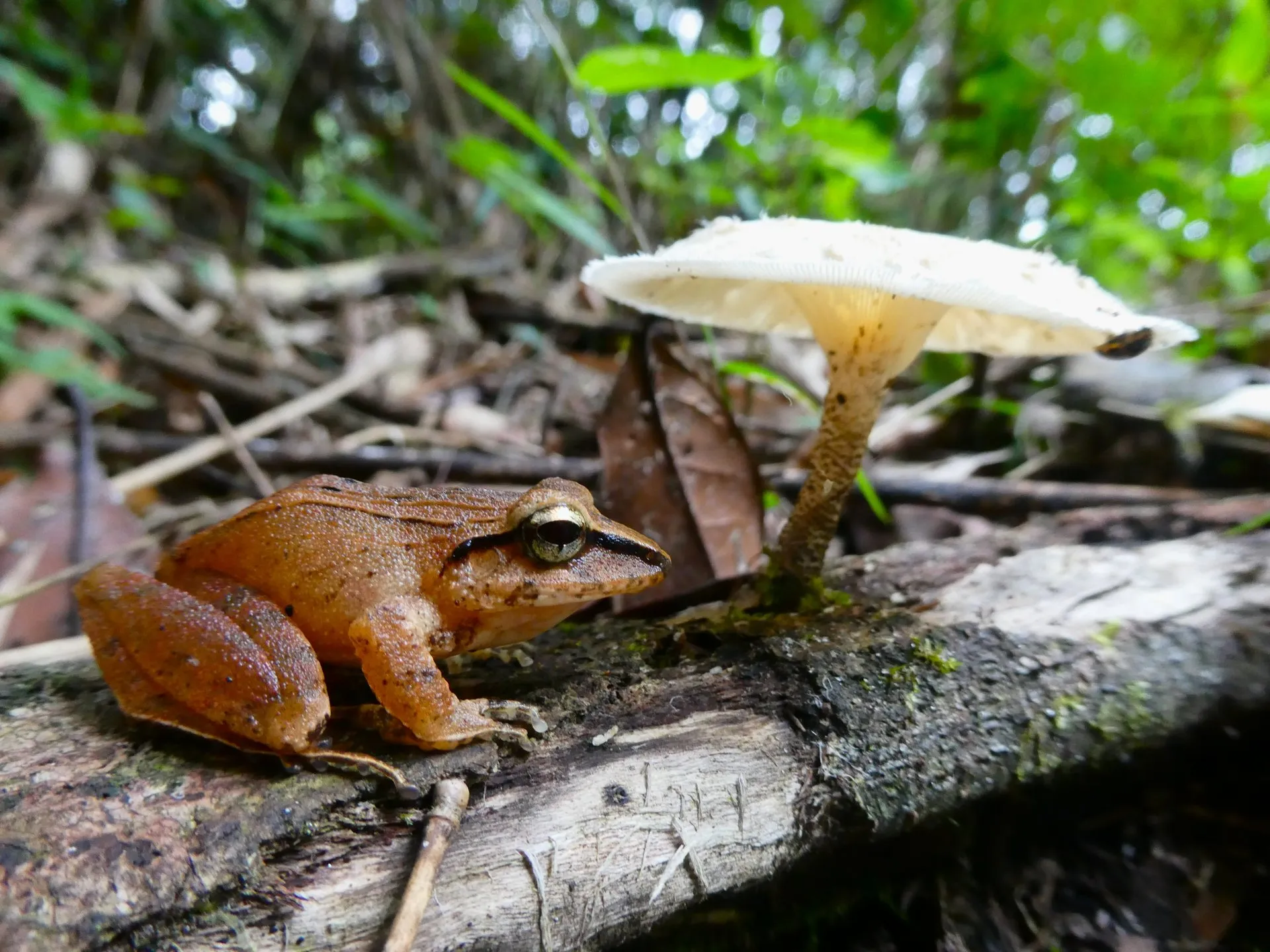
Between 1979 and 1982, at Boracéia Biological Station in the Atlantic Forest of São Paulo, many frogs simply stopped turning up. For decades nobody was sure why: some blamed the climate, others extreme weather. A study in Molecular Ecology by the Smithsonian’s National Zoo and Conservation Biology Institute (NZCBI) and Penn State now points to chytrid fungus, and brings good news with it: most of those species have recovered.
Museum frogs, 50 years on
The team, led by doctoral candidate Jack Boyette, analysed more than 370 specimens of 17 species collected at Boracéia by herpetologist William Ronald Heyer and held at the Smithsonian’s National Museum of Natural History. They come from two field campaigns in the 1970s, before the crash, and three in the 1980s, after it.
None of the frogs collected before 1979 carried the fungus. More than half of those from the 1980s did. “Our findings most directly implicate the chytrid fungus,” Boyette said in the Smithsonian’s release.
Survivors and comebacks
The most striking result ran the other way from what you might expect: the species that declined most showed no detectable infection, while species that never declined were heavily infected. The authors think the first group died before anyone could collect them, and the second tolerated the fungus.
Between 2022 and 2024 the team went back to Boracéia six times with researchers from the University of São Paulo. They found 12 of the 17 species. According to the study, tolerance to the fungus seems to have spread among species that had crashed too. The fungus is still there.
Five species still missing
Not every story is a comeback. Five of the 17 species have not been seen again, and the authors fear they have been lost from the area. They also stress that what holds for Boracéia cannot be extended to the whole Atlantic Forest.
“Without them, we would never be able to detect pathogens that went unnoticed for decades,” said NZCBI geneticist Michael Campana of the museum collections. The team is now using DNA from museum specimens to work out how some frogs learned to live with the fungus.