Three new species of bone-eating worms discovered in the deep sea around Spain
Researchers at Spain's National Museum of Natural Sciences and Spanish Institute of Oceanography (both CSIC) have described Osedax emmae, O. teoi and O. martini after leaving cow and pig bones as bait on the seabed of the Cantabrian Sea, the Mediterranean and the Gulf of Cádiz. Until now, 34 species of the genus were known worldwide.
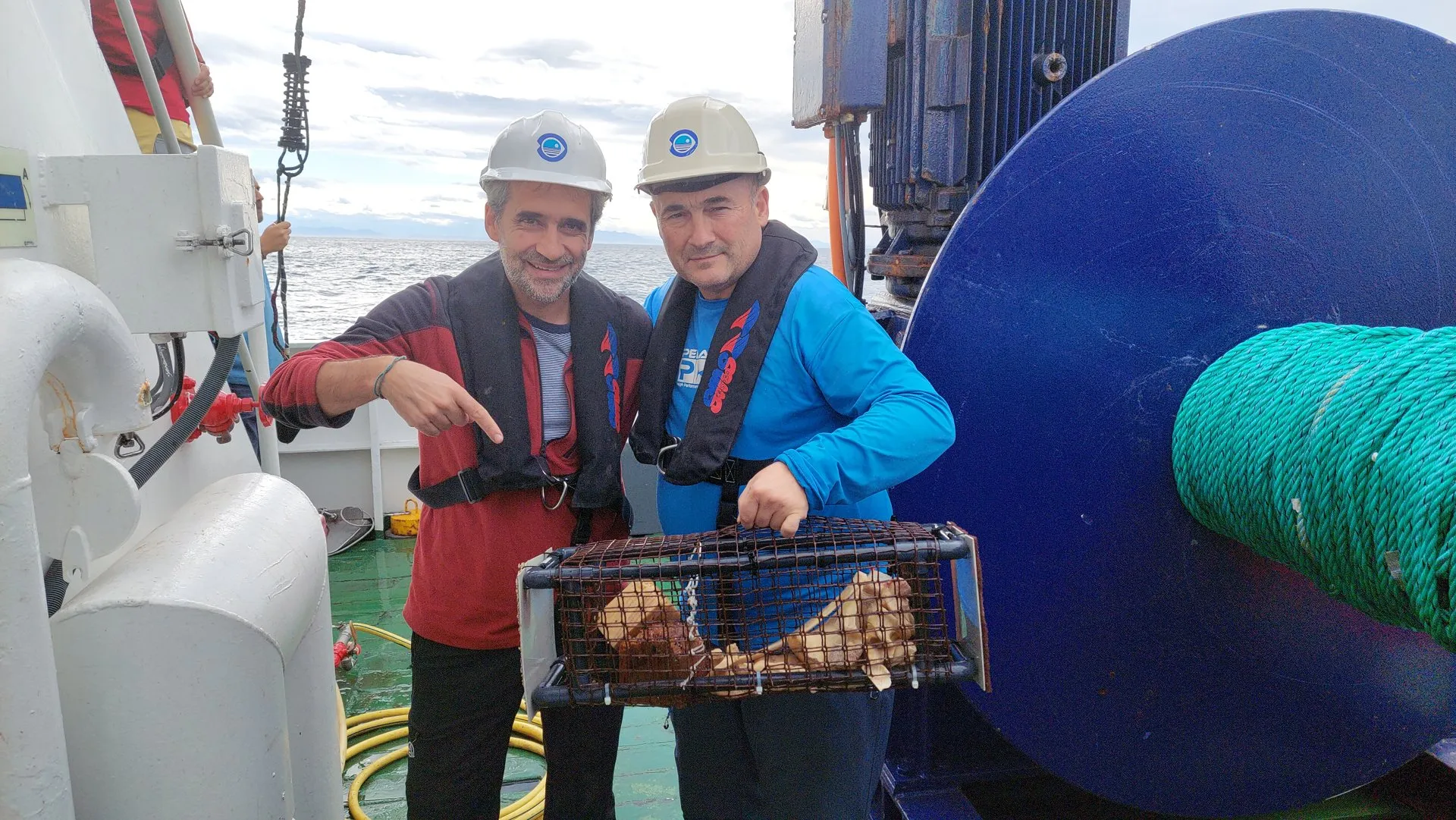
For months, metal frames called landers, designed by the Spanish Institute of Oceanography (IEO-CSIC), sat on the seabed with cow and pig bones as bait. When ships hauled them back up, the bones had tenants: worms of the genus Osedax, which live on skeletons. Studying them, Spain’s National Museum of Natural Sciences (MNCN-CSIC) and the IEO have described three species new to science: Osedax emmae, O. teoi and O. martini. The work was published in October in the Zoological Journal of the Linnean Society.
From El Cachucho to the Gulf of Cádiz
The researchers left the bait at nine sites in the waters around the Iberian peninsula. O. emmae turned up at El Cachucho, in the Cantabrian Sea, at about 540 metres; O. teoi on the Mazarrón escarpment off Murcia, at more than 1,200 metres. O. martini is the most widespread: it lives in the Mediterranean (off Blanes and Mazarrón) and in the Gulf of Cádiz, between 50 and 715 metres deep. The landers were recovered between 2022 and 2024 on cruises of the research vessels Ángeles Alvariño and Ramón Margalef.
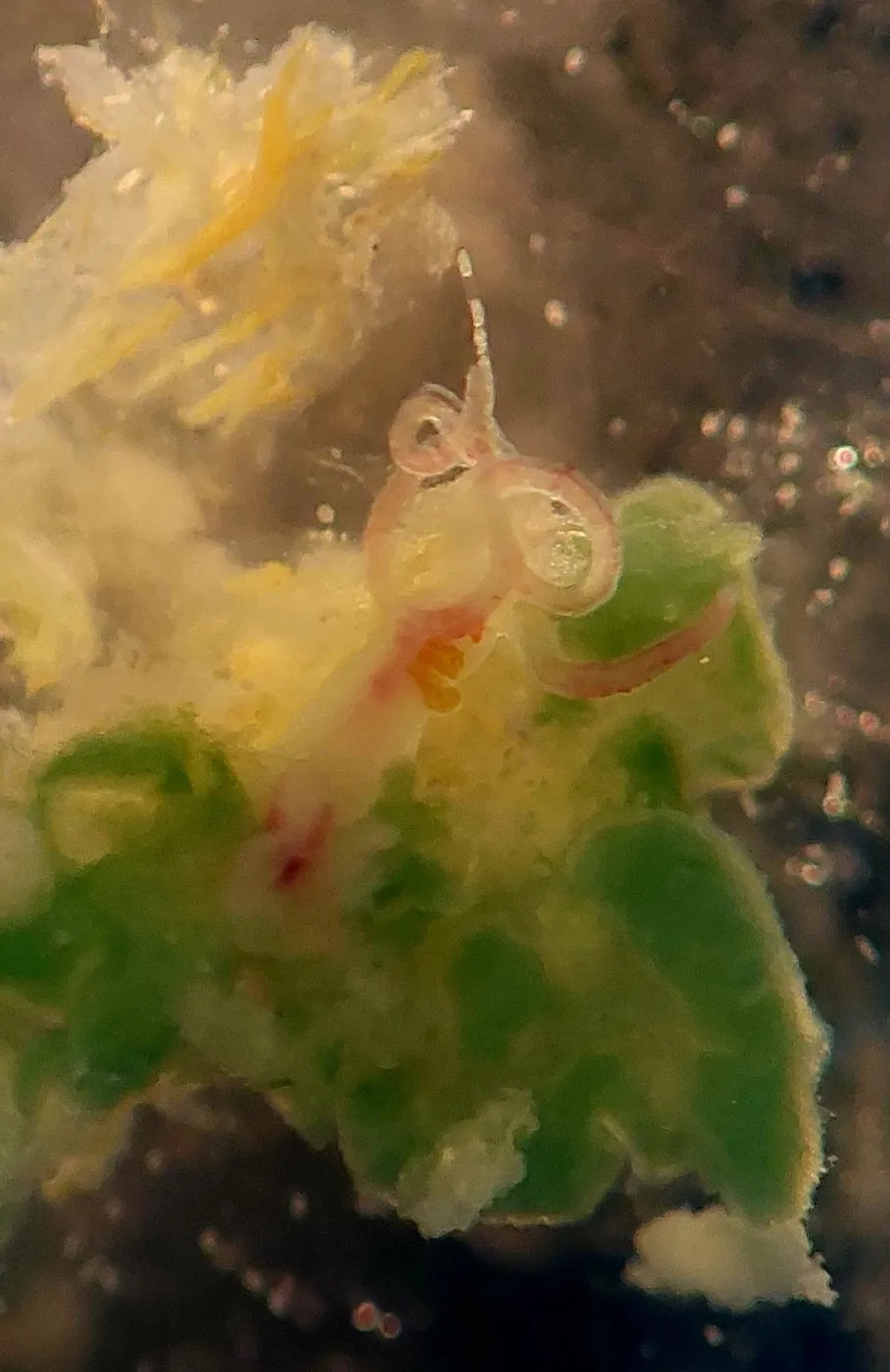
Osedax worms on a piece of bone, seen under a microscope. Image: MNCN-CSIC.
Five genes and a microscope
At the MNCN, the team led by Sergio Taboada and Teresa Alonso compared the worms’ anatomy, analysed five genetic markers and sequenced the bacteria living with them. “The three species have distinct features, a sign that they were new to science,” says Alonso. They think deep ocean currents may help O. martini spread between such distant areas.
These worms have no mouth or gut: they anchor themselves in bone and, with the help of bacteria, feed on its nutrients. In doing so they help return what is left of whales and other dead animals to the sea. The genus was discovered in 2002 on a grey whale skeleton nearly 3,000 metres down in the Pacific; before this study, 34 species had been described worldwide.
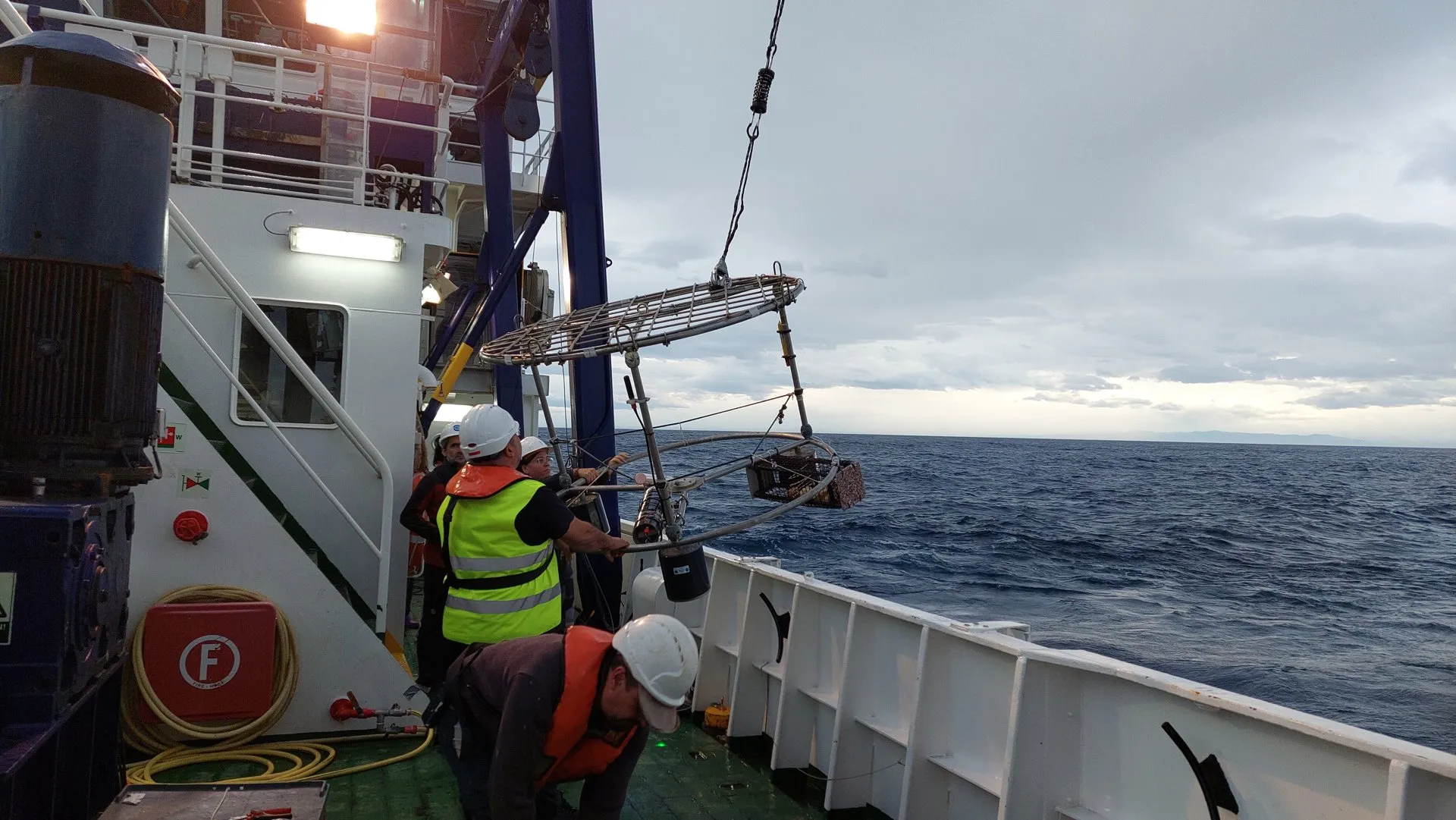
A lander hanging from the ship’s crane during one of the cruises. Image: MNCN-CSIC.
Sources
- National Museum of Natural Sciences (MNCN-CSIC) · Three new worm species discovered in Iberian waters (October 2026, in Spanish)
- Don Porqué · Descubren tres nuevas especies de gusanos comehuesos en España (20 October 2026, in Spanish)
- elDiario.es · Descubren tres nuevas especies de gusanos devorahuesos en la península ibérica (22 October 2026, in Spanish)