A 2,500-year-old bone reveals Andalusia's oldest known mule
Researchers from Pablo de Olavide University (UPO) and the Andalusian Institute of Historical Heritage (IAPH) have identified a mule toe bone about 2,500 years old, from the Iron Age, at Lebrija, near Seville in southern Spain. It is the oldest biomolecular evidence of mule breeding in the south of the Iberian Peninsula. The study is published in the Journal of Archaeological Science. It is a single bone, but the method, which reads ancient proteins, can tell horses, donkeys and mules apart when the bones alone cannot.
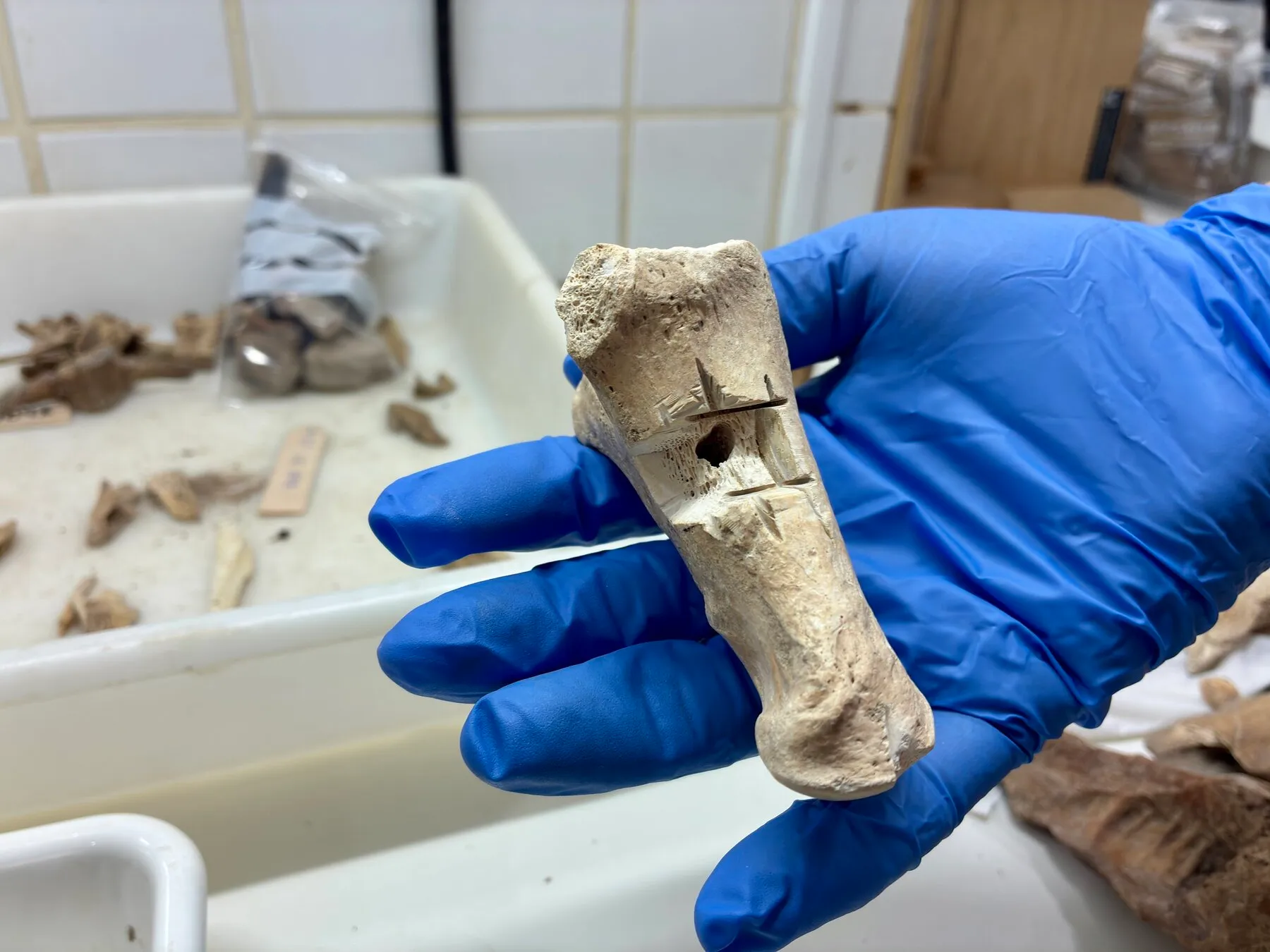
It fits in the palm of a gloved hand. It is a toe bone from an equid, and it spent about 2,500 years buried at the Calle Alcazaba archaeological site in Lebrija, near Seville. Now a team from Pablo de Olavide University (UPO) and the Andalusian Institute of Historical Heritage (IAPH) has confirmed it belonged to a mule: the oldest in Andalusia identified with biomolecular techniques.
The study, published in the Journal of Archaeological Science, is led by Bruno Martínez Haya, professor of physical chemistry at UPO, and Eloísa Bernáldez Sánchez, head of the IAPH’s Palaeobiology Laboratory. It is a single, radiocarbon-dated specimen, but according to UPO it is the oldest evidence of mule production in southern Iberia.
Proteins show what the bone cannot
The skeletons of horses, donkeys and their hybrids look so alike that a fragment often cannot be told apart. So the team used palaeoproteomics, the analysis of ancient proteins preserved in bone. In the Lebrija toe bone they found protein sequences typical of both horse and donkey in the same animal: the molecular fingerprint of a mule.
“We began exploring proteomics as a tool to identify possible hybrids, until we finally found the Lebrija specimen,” says Carmen Domínguez Castillo, a UPO researcher studying these equids for her PhD. She calls the find “very exciting”.
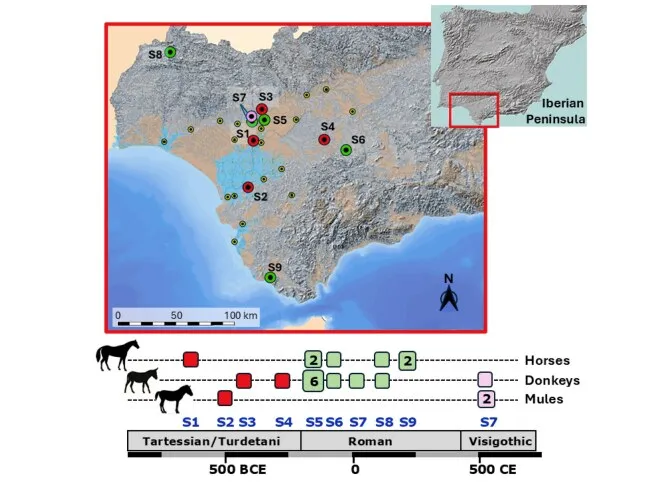 The nine sites studied and the timeline of the horse, donkey and mule remains identified. Image: Domínguez-Castillo et al. / Pablo de Olavide University.
A donkey from across the Mediterranean, and a mare
Mules cannot breed: a donkey has to be deliberately crossed with a mare. And donkeys are not native to Iberia; they arrived with Mediterranean contacts in the first millennium BCE, starting with the Phoenicians. That is why the Lebrija bone says so much about the people who bred it. “Mule breeding was already practised in southern Iberia in the second half of the Iron Age,” says Martínez Haya.
The study analysed equids from nine sites in western Andalusia, with remains from between about 2,800 and 1,400 years ago.
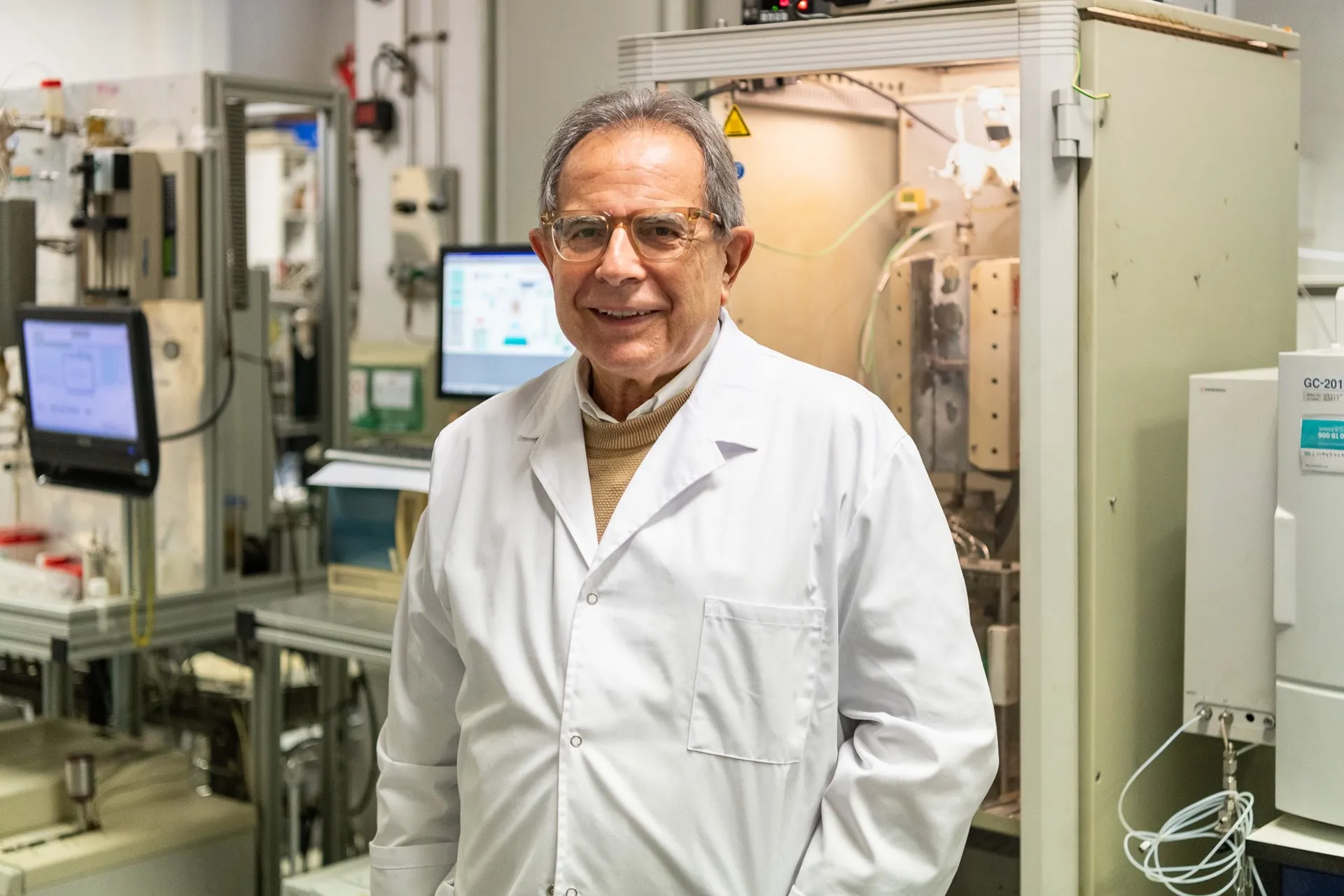
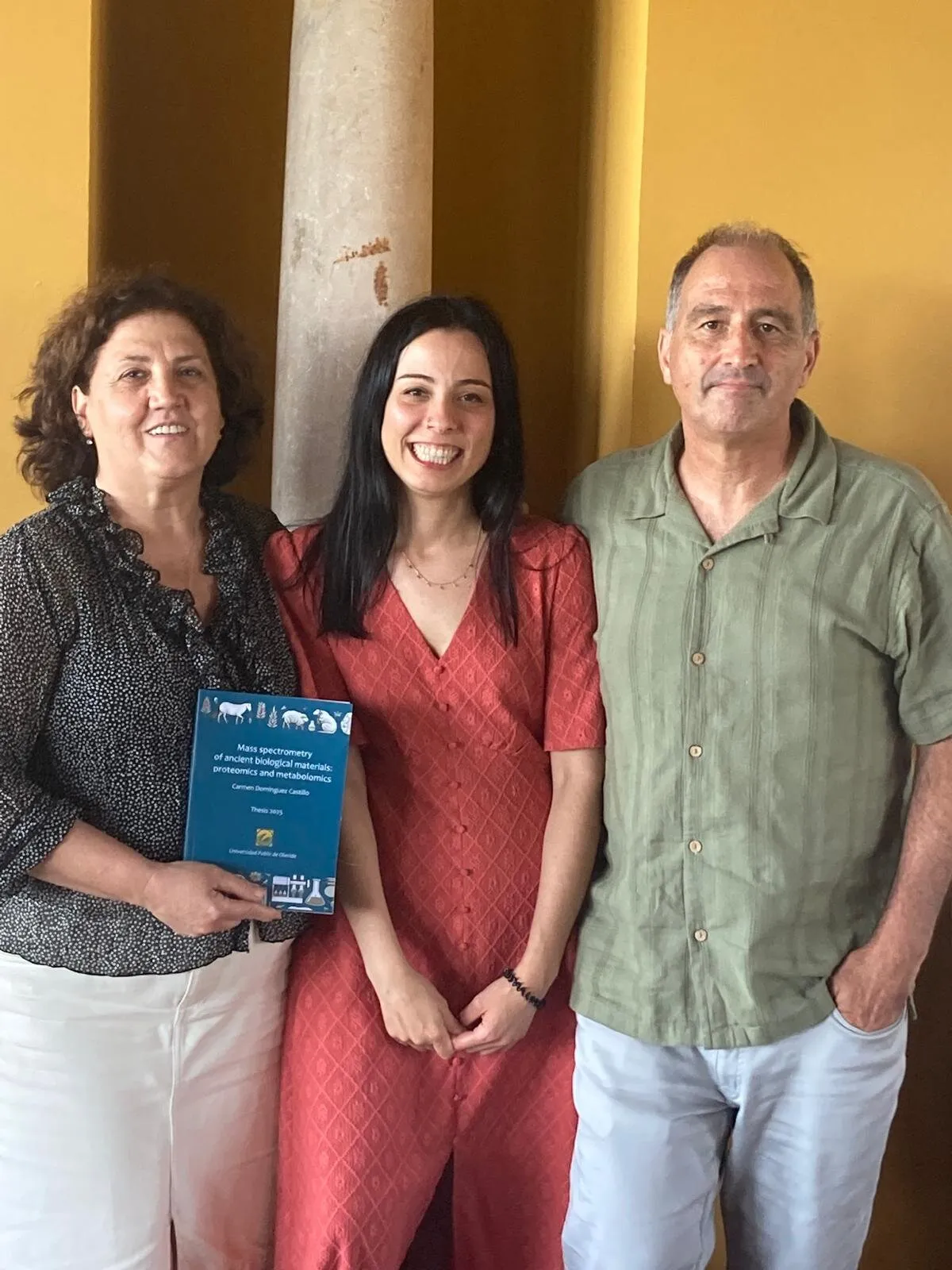 From left: Eloísa Bernáldez Sánchez (IAPH), Carmen Domínguez Castillo and Bruno Martínez Haya (UPO). Photo: Pablo de Olavide University.
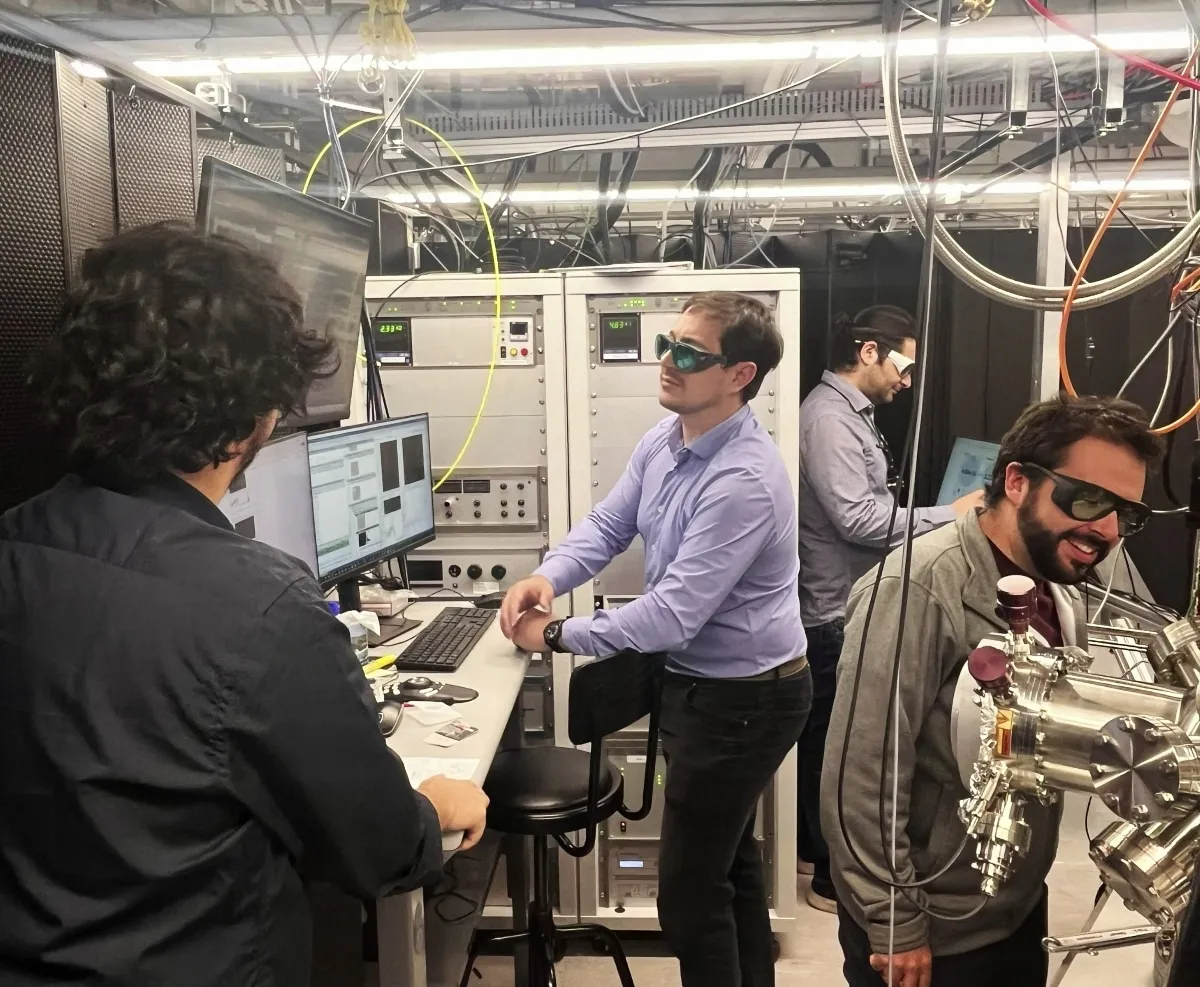
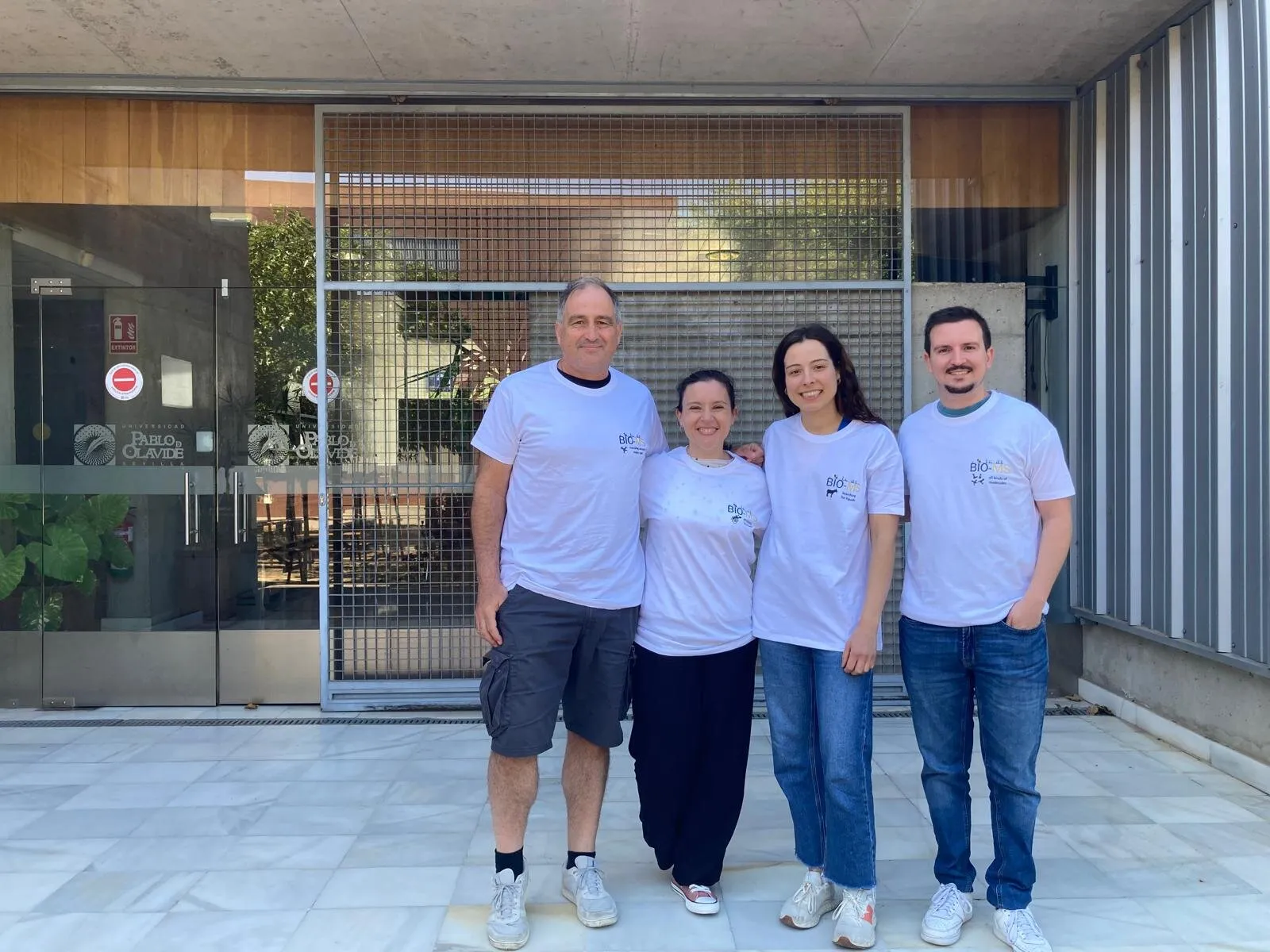 UPO’s Biomolecular Mass Spectrometry Laboratory, which ran the analyses: Bruno Martínez Haya, Ana Rodríguez Hortal, Carmen Domínguez Castillo and José López Gámez. Photo: Pablo de Olavide University.
Humanities and the lab, together
The research, funded by the regional government of Andalusia through the IAPH’s Arqueomemes project (2020-2024), also involved the Andalusian Centre for Developmental Biology (CABD), the universities of Seville, Huelva and Salamanca, and Spain’s National Accelerator Centre. According to Bernáldez, these techniques “open up new possibilities for reconstructing the history of the domestication, breeding and use of animals in past societies”.