Edible red seaweed releases a blood-sugar-friendly compound when digested, study finds
Hokkaido University researchers found that dulse seaweed releases a small peptide, EVYR, during digestion that blocks the enzyme DPP-IV, the same target as some type 2 diabetes drugs. It is a lab study using simulated digestion: animal and human tests are still needed to see whether eating the seaweed is enough.
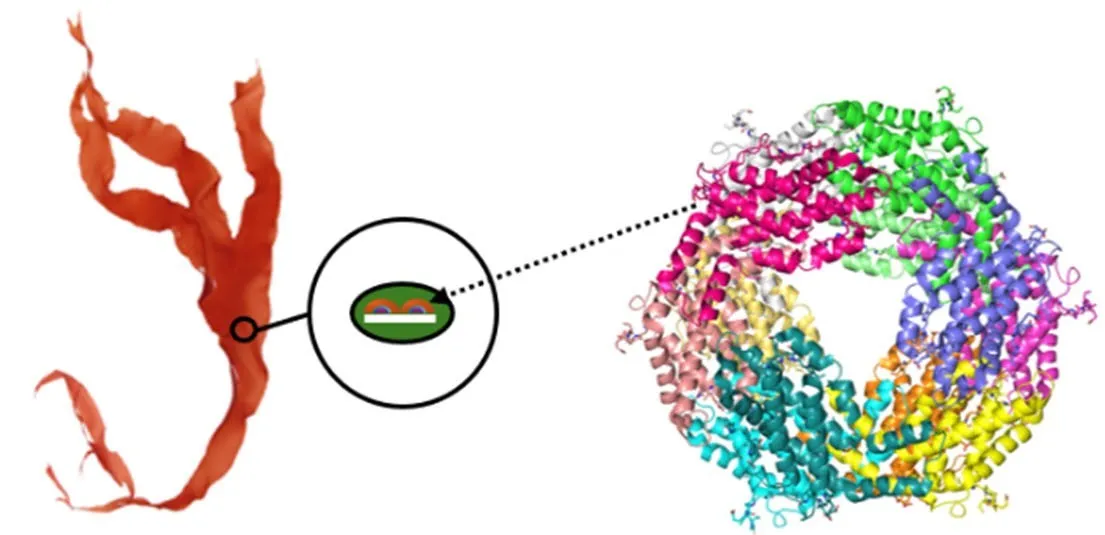
Dulse is a red seaweed harvested off Hakodate in northern Japan. When it is digested, its main protein releases a tiny four-amino-acid fragment, EVYR, that blocks a key enzyme in blood sugar control. The finding comes from Yuya Kumagai’s team at Hokkaido University’s Faculty of Fisheries Sciences, in a study published in Food Bioscience.
The caveat: this is lab work, using a digestion that mimics the stomach and small intestine. It has not yet been tested in animals or people.
The same target as some drugs
The enzyme is called DPP-IV. It breaks down hormones called incretins that help keep blood sugar in check after a meal, and some type 2 diabetes medicines work by blocking it. Peptides that inhibit it were already known from milk, soy and fish, but hardly any from seaweed.
The team extracted dulse’s protein, phycoerythrin, and broke it down with pepsin and trypsin, two digestive enzymes. Its ability to block DPP-IV rose two to three times compared with the undigested protein. Separating the result, they found EVYR, confirmed with a synthetic version that it blocks the enzyme, and measured it in digested dulse powder.
According to the university, it is the first time a peptide of this kind produced by digesting a red seaweed has been quantified.
Found in a hundred red seaweeds
The EVYR sequence appears in the phycoerythrin of 100 species of red algae, so many others could release it the same way. The peptide also holds up fairly well against chymotrypsin, another gut enzyme.
Why this is good news
Type 2 diabetes keeps rising worldwide, and controlling blood sugar after meals helps prevent it. An everyday food that naturally supplies a compound with this effect would be a simple help. The team’s next step is testing in animals and people.
Image courtesy of Hokkaido University.