Scientists map the switch that wakes a dangerous hospital bacterium, a lead for new drugs
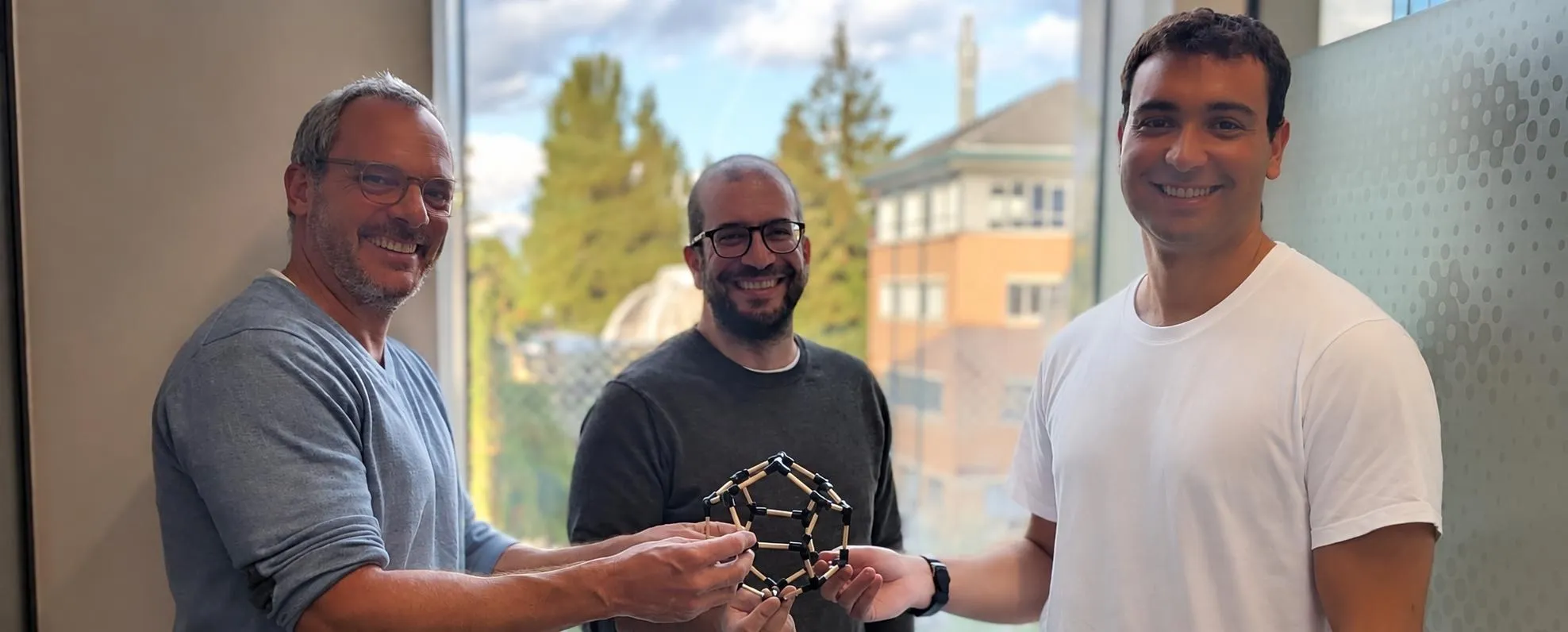
A team from Spain's Blas Cabrera Institute of Physical Chemistry (IQF-CSIC) and the University of Notre Dame has seen for the first time the machinery that makes Clostridioides difficile spores germinate. This is basic research: there is no medicine yet, but the finding shows where one could strike.
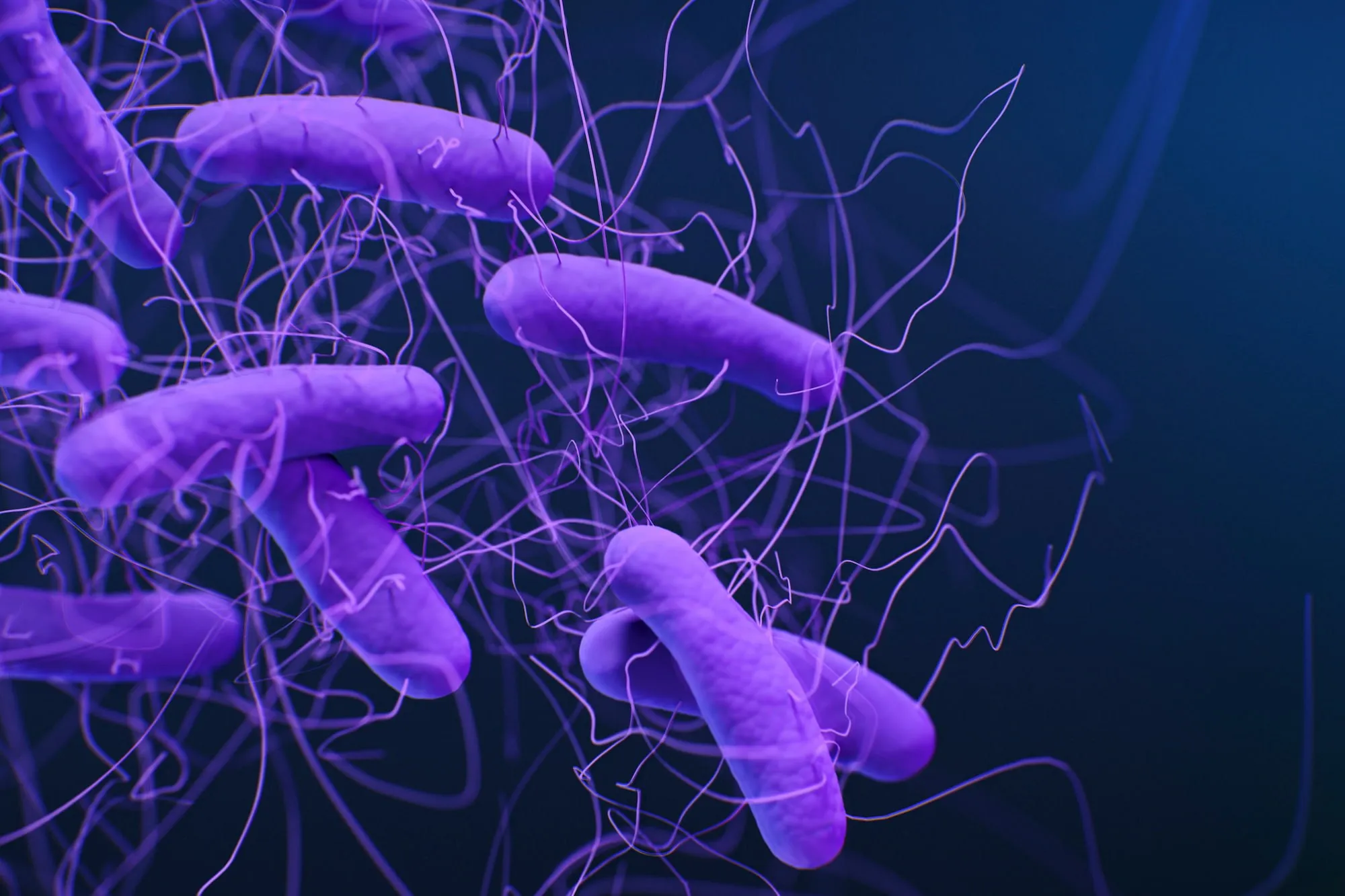
Clostridioides difficile spores can survive for long periods in the environment, dormant and resistant to antibiotics and routine disinfection. A team led by Spain’s Blas Cabrera Institute of Physical Chemistry (IQF-CSIC) and the University of Notre Dame in the US has found out what wakes them up.
The work, published in Nature Communications, is basic research: it describes a molecular part, not a treatment. But its authors say it shows what would need to be blocked to stop the bacterium causing infection in the first place.
A bacterium that bides its time
C. difficile, often called C. diff, infects the colon and can cause anything from diarrhoea to potentially fatal colitis. According to the CSIC, it is behind hundreds of thousands of hospital admissions every year, and cases are rising. The risk goes up while people take antibiotics, shortly afterwards, or when their immune system is weak.
To attack, a spore has to detect certain chemical signals in the gut and germinate: only then does it become the active bacterium that produces toxins. Until now, nobody knew how that step worked.
The sensor that recognises bile
Using X-ray crystallography and cryo-electron microscopy, the team worked out the 3D structure of three proteins, CspA, CspB and CspC, and of the complex that CspA and CspC form when bound to taurocholate, a bile salt in the human gut that acts as the start signal.
The study shows that CspA binds taurocholate directly and that, together with CspC, it forms a very stable complex that recognises the molecule at several specific sites.
“For the first time we have been able to see the molecular machinery that recognises the chemical signal that triggers spore germination,” says study author Juan Hermoso. “Preventing germination is a particularly attractive therapeutic strategy.”
What stands between this and a medicine
Those binding sites are now targets for designing molecules that stop spores waking up. “The structures we obtained make it possible to plan rational strategies to develop molecules that interfere with spore activation before the bacterium can cause harm,” says co-author Martín Alcorlo of IQF-CSIC. The next step is to find such molecules and test them; the study does not include any yet.
Official image and video provided to Happy News of the Day by IQF-CSIC.