Plastic with built-in enzymes almost fully breaks down on the deep seabed in five months
A Japanese team mixed tiny amounts of enzymes into biodegradable plastics and left them in the sea at depths of up to 5,503 metres.
So-called biodegradable plastics break down nicely in a compost heap, but in the sea, and especially on the cold, microbe-poor seabed, they can last for years. A Japanese team including researchers from the University of Tokyo has found a way to speed things up: build the enzymes into the plastic itself.
What they did
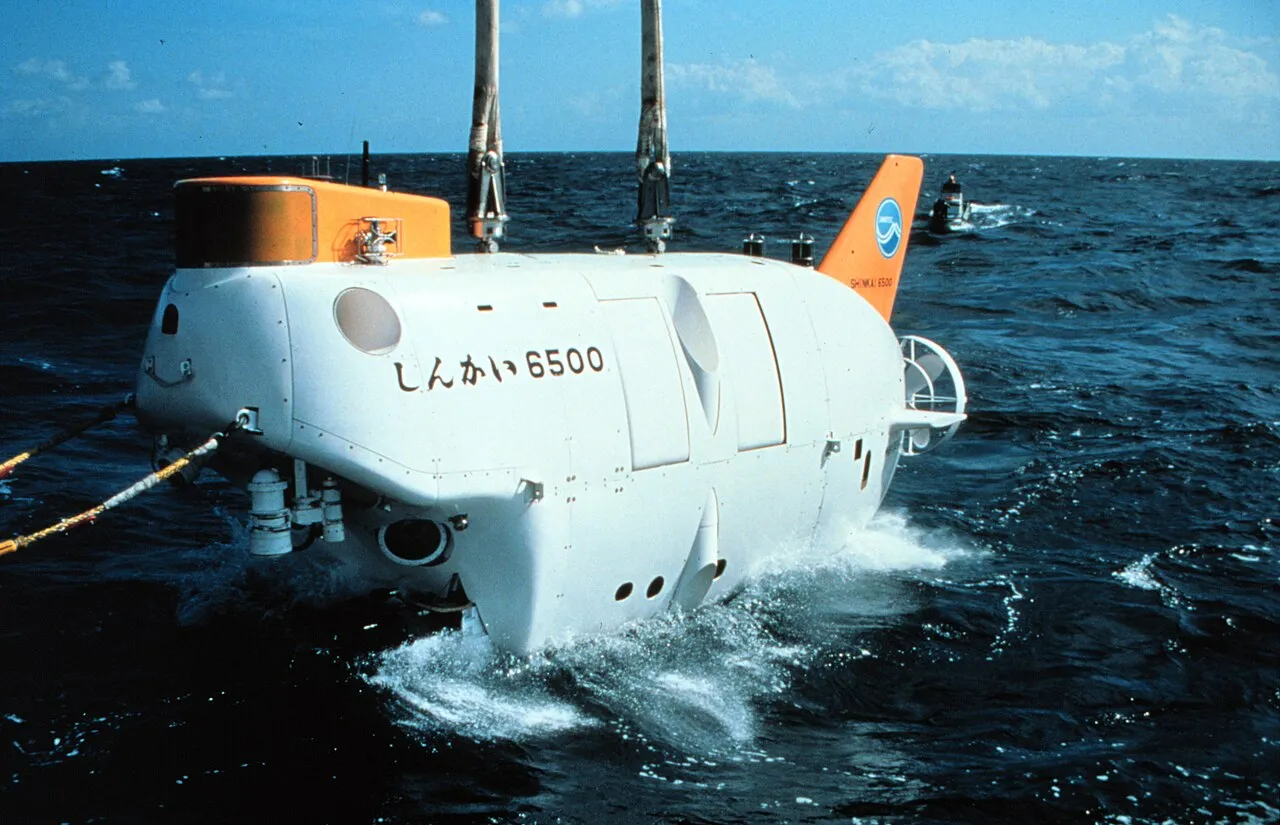
They mixed enzymes that cut polyester bonds into four biodegradable plastics, at 0.1% to 3% of their weight, and left samples in the sea from a few metres off the coast down to 5,503 metres. Deep samples were recovered with the Shinkai 6500 submersible and a remotely operated vehicle.
The results
At 757 metres, three of the enzyme-loaded plastics broke down almost completely within five months. Near the coast they degraded faster than the same plastics without enzymes, and at 5,503 metres the breakdown was moderate. At 0.1% enzyme the plastics kept their strength, so they can still be used to make things.
Still to do
The study, published in Nature, is a first step: the team still has to test shelf life and commercial use. And the best fix remains keeping plastic out of the sea in the first place.