New sky-blue and white flower found in the Andes of Peru is named after Lionel Messi
Botanists from the Natural History Museum of San Marcos University in Lima and an Argentine colleague have described Salvia messii, a shrub known from just six sites in Lima and Ica. Its petals echo Argentina's football shirt, and the team wants it protected as endangered.
On the slopes of the Andes in Lima and Ica grows a shrub that science had never described. Its petals are white and sky blue, the colours of Argentina’s national football shirt, so its discoverers have called it Salvia messii, in honour of Lionel Messi.
A new species found only in Peru
The plant was described by Paúl Gonzáles, a researcher in the dicotyledons department of the Natural History Museum at the National University of San Marcos (UNMSM) in Lima, Rolando Uría, an independent researcher from Argentina, and Jean Capcha of the Huarango Nature association. Their study was published on 2 October in the scientific journal Phytotaxa.
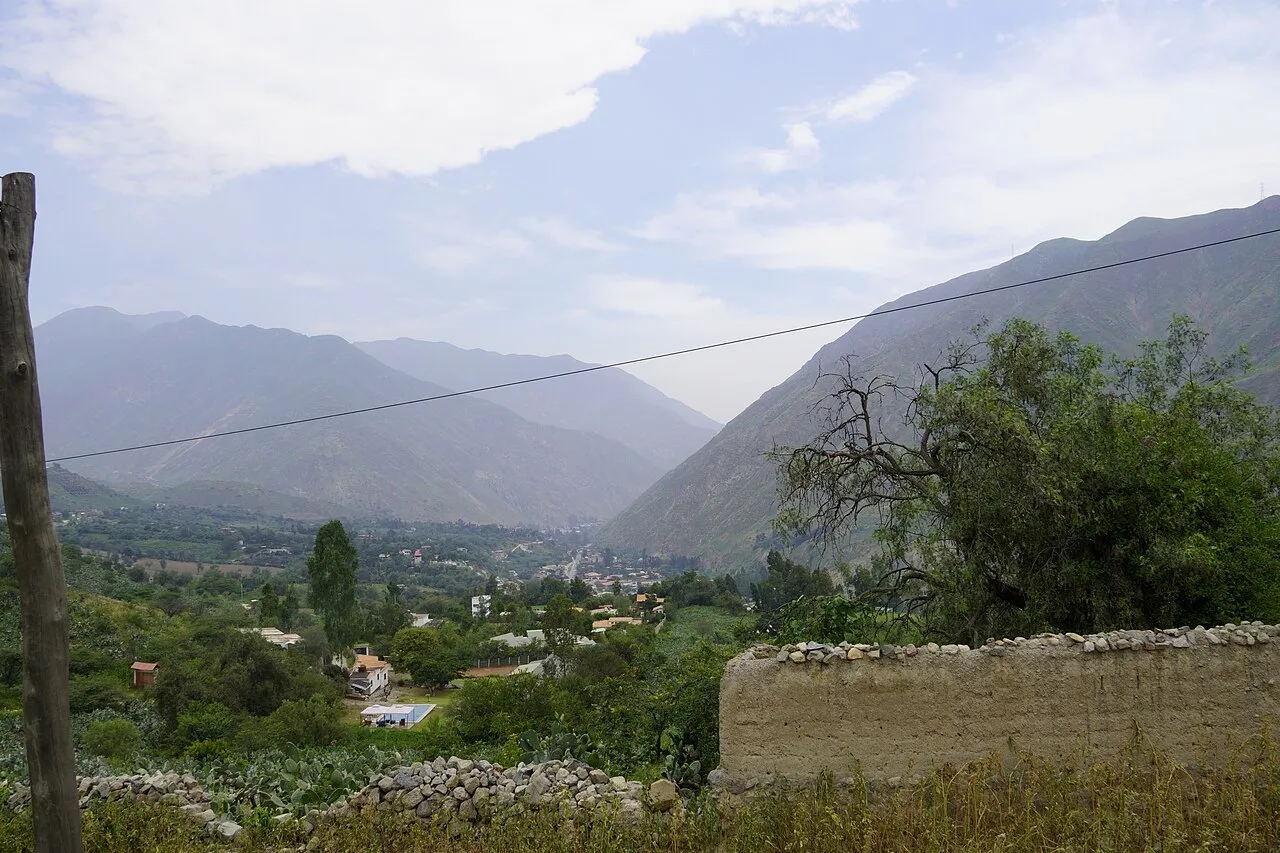
It followed fieldwork and collecting trips between 2023 and 2025 and a detailed study of the plant’s features. The species is endemic to Peru: it lives nowhere else on Earth. It grows in the central and southern western Andes, between 2,000 and 2,400 metres.
Why Messi
The authors say they chose the name because of the white and sky-blue colours of its petals, “similar to the shirt of the Argentina national team”. It is not the first time science has honoured the footballer, but it may be the prettiest.
A treasure that needs protecting
It is known from just six sites, so the researchers have given it a preliminary rating of Endangered. The threats include repeated fires, new roads and tracks, unregulated tourism, droughts made worse by climate change, and habitat degradation.
The find also highlights a little-studied landscape: the scrublands around the small relict forests of the western Andes. The authors say these could be important cradles of unique species, and call for more exploration and for them to be included in conservation plans.
Why it matters
Naming a species is the first step towards protecting it. Peru has the second-highest number of sage species in the Americas, and every discovery is a reminder of how much life in the Andes is still waiting to be found.