UN honours Ethiopia's Desa'a forest revival as 23,000 hectares come back under restoration
The United Nations has named the work of the NGO WeForest and local communities in Ethiopia's Desa'a forest, between Tigray and Afar, a World Restoration Flagship. More than 23,000 hectares are under restoration and nearly 16,000 job opportunities have been created, 60% of them for women. The caveat: the forest once covered about 154,000 hectares, and the 2030 target is 38,000.
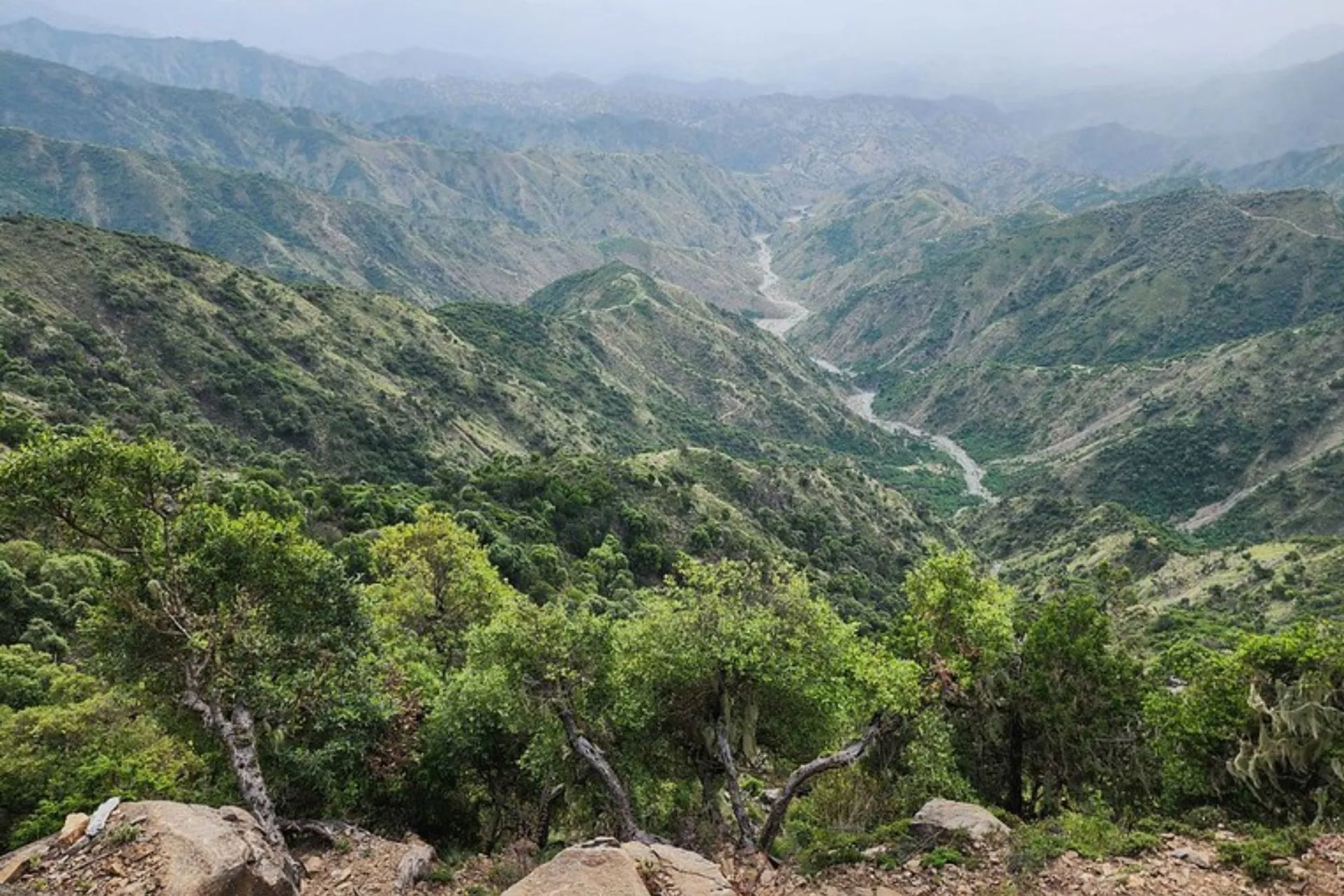
Women with hoes dig trenches into the red soil so the rain does not run off down the slope. That work, repeated for years in northern Ethiopia, has just been recognised by the United Nations.
The Great Rift Valley Renaissance, led by the NGO WeForest and local communities in the Desa’a forest between the Tigray and Afar regions, became one of the UN’s World Restoration Flagships on 29 October. The award was announced in Yerevan, Armenia, during the UN biodiversity summit (COP17), alongside projects in China, Colombia, Italy and the United States. UNEP and FAO grant it under the UN Decade on Ecosystem Restoration.
Rain that stays in the ground
According to WeForest, more than 23,000 hectares are under restoration, through planting and regenerating native trees and building structures that hold soil and water. The work retains an estimated 500,000 tonnes of soil and captures about 1.9 million cubic metres of rainwater a year, enough to fill around 760 Olympic swimming pools.
At least 104 tree species grow in the area, including the endangered Nubian dragon tree, and wildlife such as the African leopard has returned.
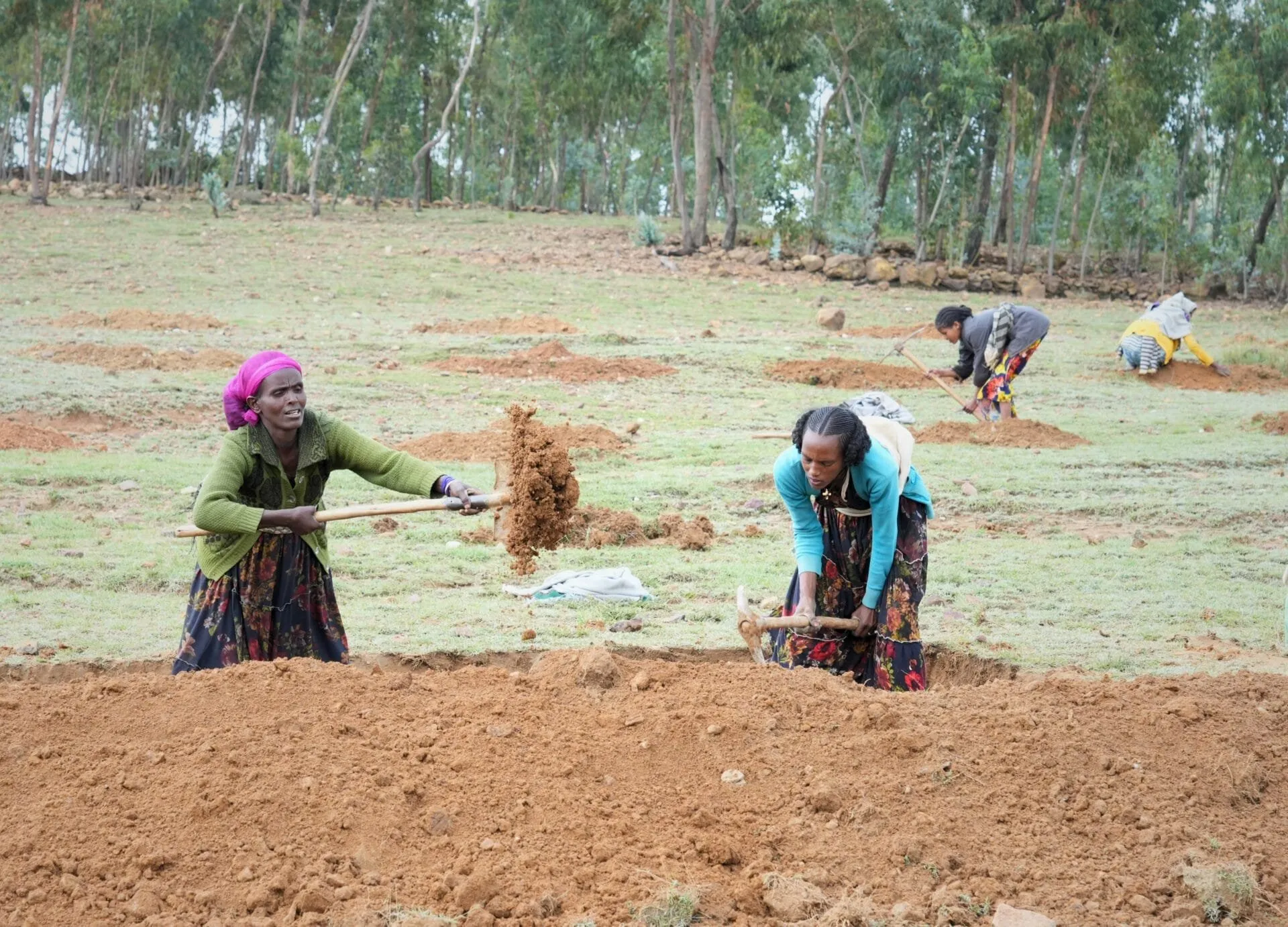
Local women dig structures to hold rainwater in Desa’a. Photo: © WeForest, used with permission.
Jobs, mostly for women
The project has created nearly 16,000 job opportunities, close to 60% of them for women, and 6,693 households now earn a living from forest-related work. Forest stewardship groups are running in 11 villages.
“Communities nurturing their ecosystem invest not only to improve their livelihood” but also to look after it for future generations, says Mitiku Haile, professor of soil science at Mekelle University in Tigray.
What is still to be restored
Desa’a once covered about 154,000 hectares, and changes in land use degraded around 70% of it. The goal is to have more than 38,000 hectares under restoration by 2030. The UN notes that Decade projects take part voluntarily and that UNEP does not monitor their work on the ground.