Off-grid solar now powers 149 million people, up 26% since 2023
Lamps, kits and solar home systems that do not depend on the power grid now serve 149 million people, 26% more than in 2023, according to the 2026 market trends report by ESMAP (World Bank) and the industry association GOGLA. 95% of surveyed systems still work four years after purchase. The caveat: for at least 398 million people without power this is still the cheapest option, and reaching them would cost about $11.4 billion between 2027 and 2030.
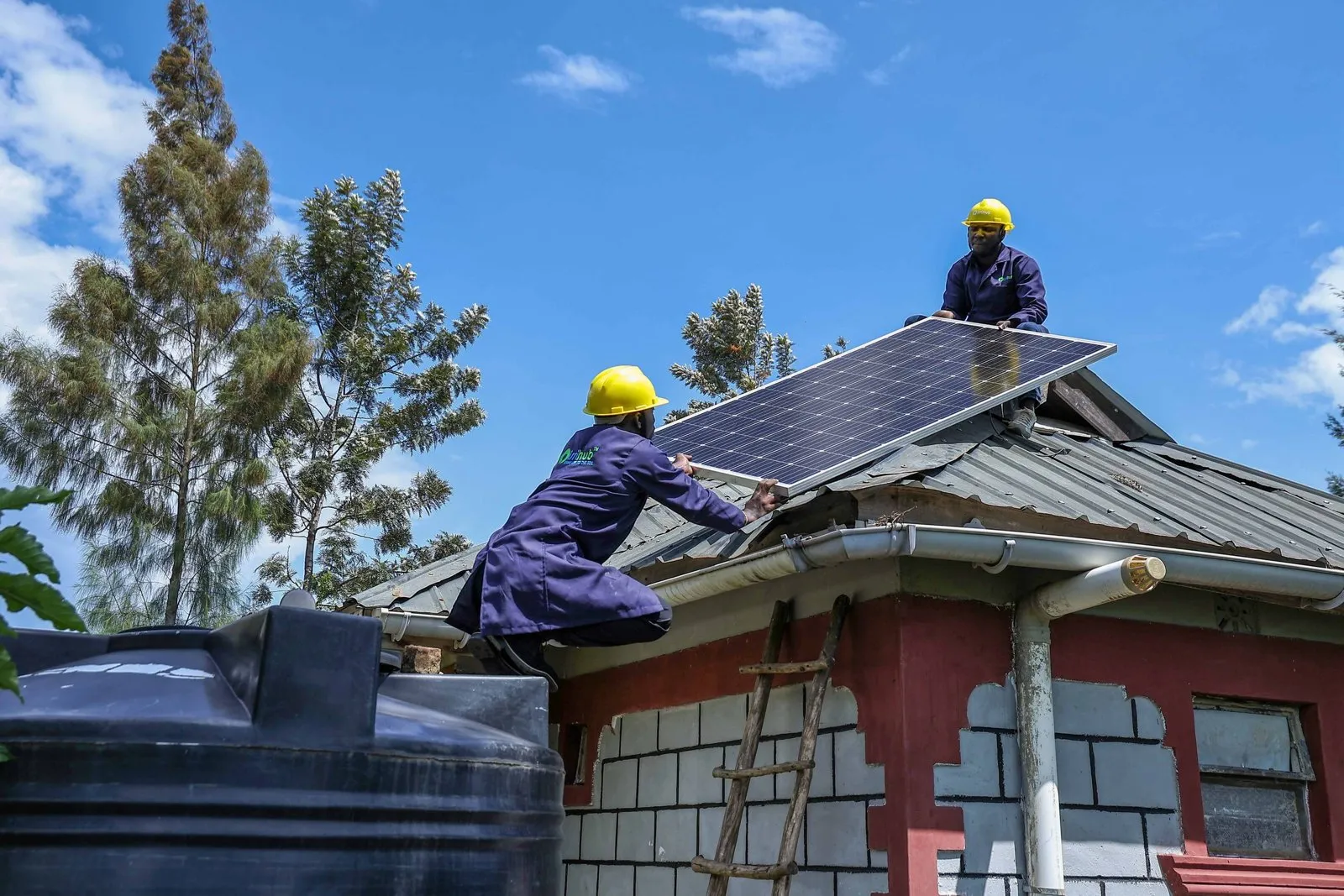
A seamstress who keeps sewing after sunset, a shop that charges phones, a well pumped by a single panel. Behind those scenes is one number: 149 million people now use solar products that do not depend on the power grid, 26% more than in 2023.
The figure comes from the Off-Grid Solar Market Trends Report 2026, published every two years by ESMAP, the World Bank’s energy programme, and GOGLA, the global off-grid solar industry association. It only counts products from companies that report to GOGLA, so the real number may be higher.
From a single lamp to a whole-home kit
Not everyone has the same thing. Of those 149 million, 98 million reach at least the first tier of energy access used by the World Bank: several hours of light and enough power to charge a phone. The rest have smaller products, such as a solar lantern.
According to the report, over 15 years these products have generated about $28 billion in extra income and savings for their users, largely from what they no longer spend on kerosene, candles or batteries. And they last: 95% of surveyed pay-as-you-go customers say their system still works four or more years after purchase. The sector employs about 219,000 people.
What it would take to reach everyone else
For at least 398 million people who have no electricity today, off-grid solar is the cheapest way to get it. Reaching all of them would cost about $11.4 billion between 2027 and 2030, the report says: around $1.3 billion a year in subsidies to make products affordable and $1.6 billion a year in investment.
That money is not yet committed. The next ESMAP-GOGLA report, due in two years, will show how much progress has been made.