Spain protects 11,000km of ancient droving routes so shepherds can keep moving their flocks
Spain's government has approved a royal decree setting out its National Network of Drove Roads: about 11,393km of ancient livestock routes that are now mapped and better protected as public land, with priority given to moving herds and to transhumance. Day-to-day management stays with Spain's regions; the decree organises and coordinates the network.
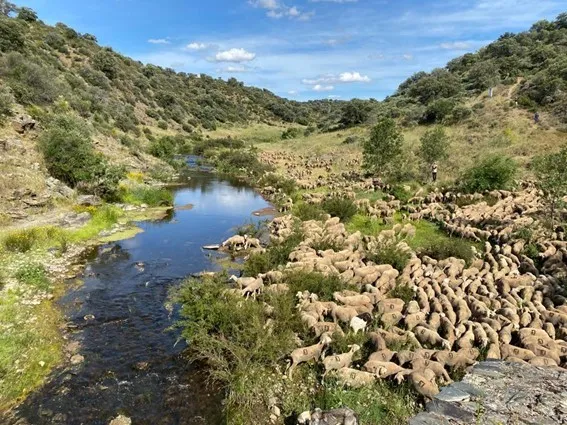
Every spring and autumn, flocks still walk Spain’s cañadas reales, the great royal drove roads. On 27 October the Spanish cabinet approved a royal decree, proposed by the Ministry for the Ecological Transition (MITECO), that sets out the National Network of Drove Roads: about 11,393km of livestock routes, now identified section by section. It was published in the Official State Gazette on 29 October and takes effect 20 days later.
According to the ministry, the priority is to “guarantee the passage of livestock and encourage the practice of transhumance”, the seasonal movement of herds between summer and winter pastures. Day-to-day management of the routes remains with Spain’s regional governments: the decree organises the network and coordinates the authorities.
Harder to encroach on
Drove roads have been public land under Spanish law since 1995, but many have narrowed over the years or been cut. The decree strengthens their protection and pushes for surveyed sections to be entered in the land registry and the cadastre. Any new boundary survey or change must be reported to both.
An archive, a plan and a committee
The decree creates an archive of documents, maps and records for every route; an action programme for the national network, to be agreed by central and regional governments; and a Drove Roads Committee to coordinate all the authorities involved.
The ministry also highlights what these routes offer beyond livestock: they link natural areas, support biodiversity, act as firebreaks and are part of Spain’s cultural heritage.
Transhumance in Spain has been on UNESCO’s list of the Intangible Cultural Heritage of Humanity since 2023. The next step is the action programme, which will set out what work is done on the network and where.