Used coffee grounds could become biodiesel, prebiotics and crop nutrients
A team at the University of Granada in Spain has designed a biorefinery that turns spent coffee grounds into three products: oil for biodiesel, carbohydrates with prebiotic effects and compounds that help crops take up micronutrients. A mid-sized plant would pay for itself in about four years. The caveat: for now this is a computer simulation, not a working plant.
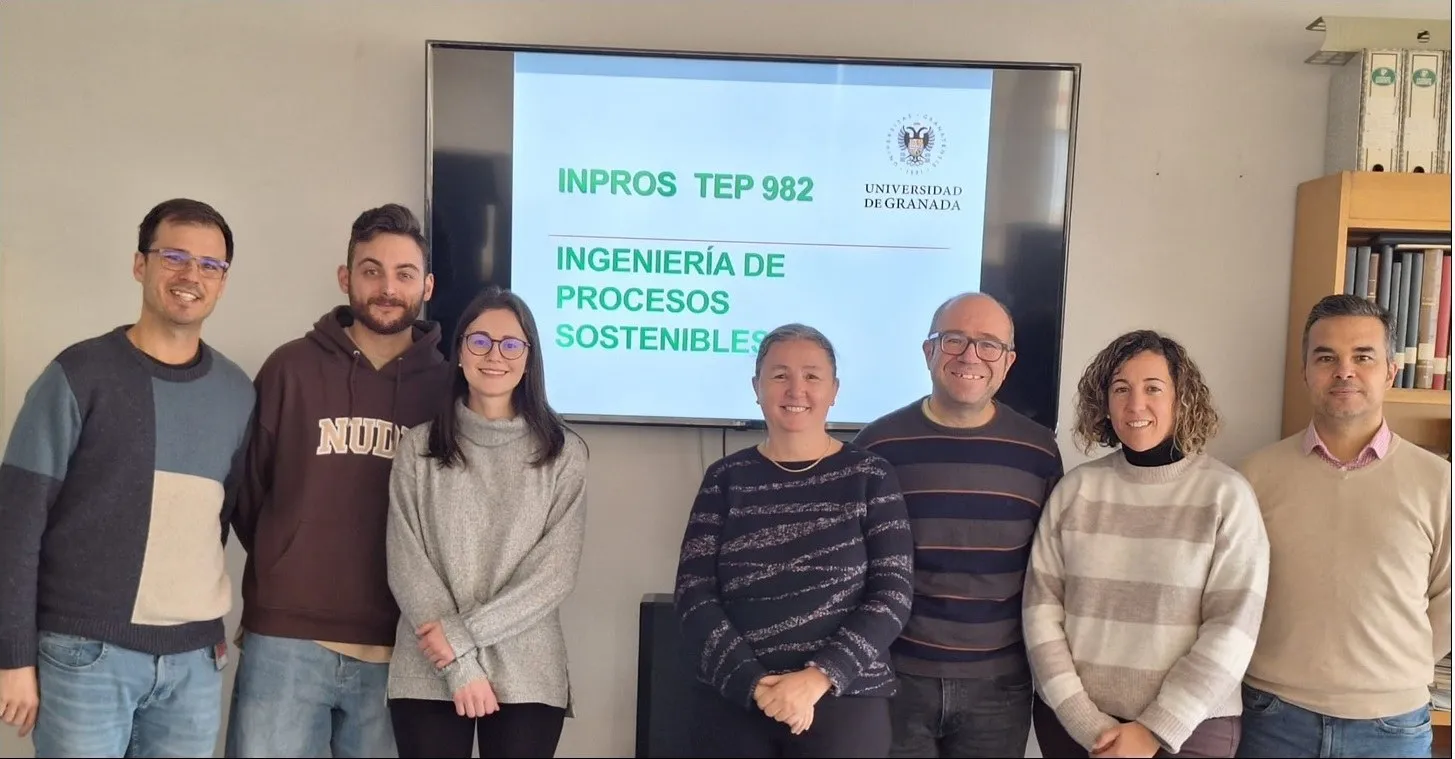
The world throws away around six million tonnes of spent coffee grounds every year, and most of it is landfilled or burned. A team from the University of Granada’s chemical engineering department has designed a biorefinery to put that waste to use, the university announced on 26 October. The study is published in the journal Bioresource Technology.
The caveat: the figures come from an industrial simulator, not a plant that has been built. The authors themselves say they are not equivalent to results from a working industrial facility.
Three products from one waste stream
The core of the process is hydrothermal carbonisation: the grounds are treated with hot, pressurised water and split into a liquid and a solid fraction. Three products come out of it:
- Oil, which can be used as a feedstock for biodiesel.
- Carbohydrates with prebiotic activity, for food and supplements.
- Biochelates, compounds that help plants take up micronutrients from the soil and make crops more nutritious.
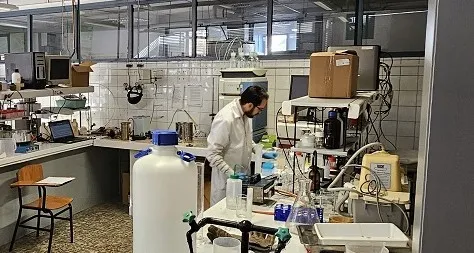
The TEP-982 group’s lab at the University of Granada’s Faculty of Science. Photo courtesy of the INPROS group.
Profitable at mid-size
The work, part of Anderson Valencia Isaza’s PhD and led by Professor Alejandro Fernández Arteaga, goes beyond the idea: it models costs and revenues in the industrial simulation software SuperPro Designer. At 10 tonnes per batch, the plant would pay back its investment in about four years, with a net present value of $108m and an internal rate of return of 18.5%.
The key, the team says, is selling several products at once. Economic viability is favourable at intermediate capacities; at other sizes it depends on how the plant is run.
What still needs work
A life-cycle assessment, carried out with the university’s environmental technology unit, flags two weak spots: the steam the process uses and its solvents. The authors say both need to come down before the process can go industrial.
The group is also working on FERTCAFE, a project to make a biofertiliser from coffee grounds, and is part of Coffee Cube, a network of University of Granada research groups (chemical engineering, nutrition and food science, and soil science) studying how to reuse coffee waste.
Coffee Cube, the University of Granada’s collaborative network on coffee waste. Courtesy of the INPROS group.
Sources
- University of Granada (via Nova Ciencia) · Coffee grounds as raw material for biodiesel, prebiotics and farm products (26-10-2026)
- Canal UGR · Study announcement (26-10-2026)
- Bioresource Technology · Research paper (DOI 10.1016/j.biortech.2026.134533)
- ECOticias · UGR studies how to turn coffee grounds into oil, prebiotics and farm products (28-10-2026)