Nature restoration hits a record 252 million hectares worldwide, UN report finds
Some 252 million hectares are under restoration in 149 countries, creating more than one million green jobs, according to the Nature's comeback report by FAO, UNEP and the Convention on Biological Diversity, launched on 29 October in Yerevan. The report also warns that the pace is not enough to meet 2030 commitments, and that rivers, seas and coasts lag far behind.
Across 149 countries, 252 million hectares of nature are being restored, mostly on land but also in rivers, wetlands and coastal waters. It is the largest documented restoration effort to date, according to Nature’s comeback, a report by FAO, UNEP and the Secretariat of the Convention on Biological Diversity (CBD), launched on 29 October in Yerevan, Armenia, at the UN Biodiversity Conference (COP17).
The same report carries the caveat: at the current pace, the 2030 commitments will not be met, and restoration of rivers, seas and coasts lags far behind restoration on land.
More than a million green jobs
Restoration has already created more than one million green jobs, the report says, and more investment could generate up to an estimated 32 million new jobs by 2030. AFP compares the total area to the size of Argentina or Algeria.
“Today, we are witnessing the makings of one of the largest movements for nature in recorded history,” said Inger Andersen, Executive Director of UNEP.
Gorillas, jaguars and river dolphins
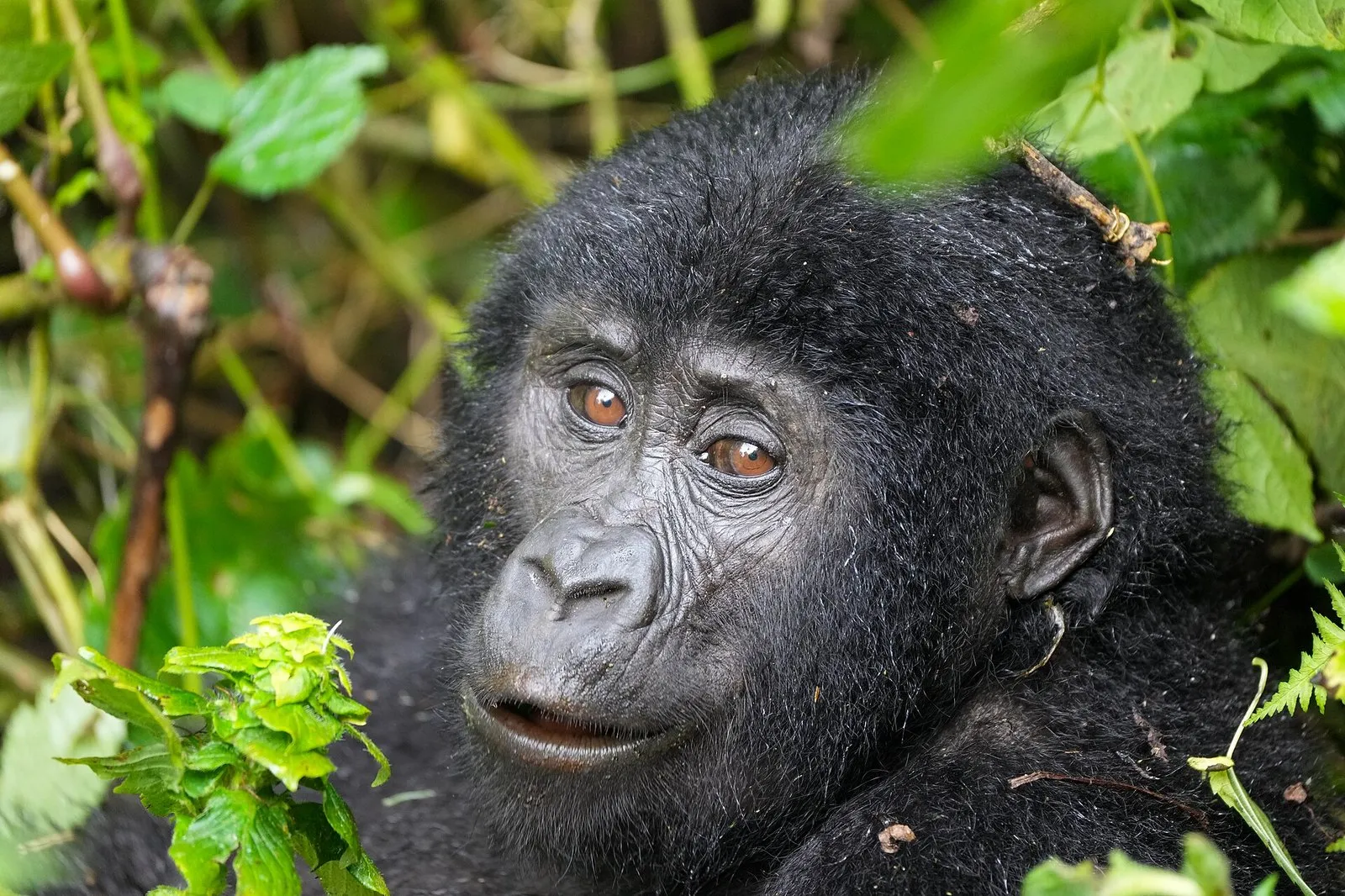
Documented successes among the UN World Restoration Flagships include the recovery of mountain gorillas in East Africa, jaguars in Brazil, snow leopards in Kyrgyzstan and Ganges river dolphins in India.
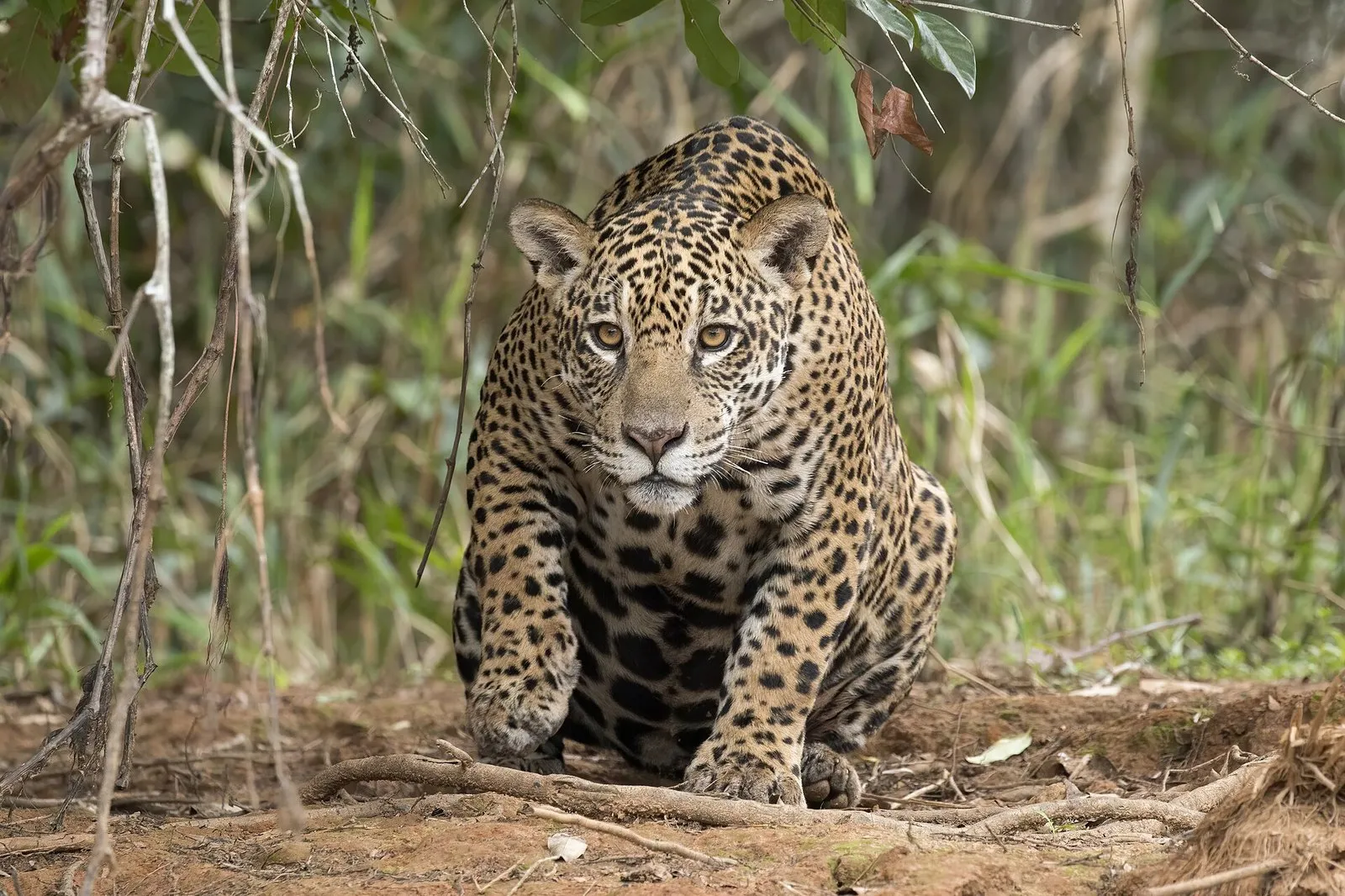
A female jaguar by the Piquiri River in the Pantanal, Brazil, in 2015. File photo: Charles J. Sharp / Wikimedia Commons (CC BY-SA 4.0).
By region, Asia accounts for 192.2 million hectares, Africa 36.3 million, Europe 9.1 million, North and Central America 5.8 million, South America 5.4 million and Oceania 3.2 million. China reports the largest area under restoration on land (127.4 million hectares). The report stresses that this is not a ranking: the figures also reflect each region’s size and its capacity to monitor and report.
Why it’s good news
Land restoration has already reached nearly half of the global target of having 30% of degraded terrestrial ecosystems under restoration by 2030. And every hectare matters: research cited in the report indicates that restoring just 15% of the world’s priority areas could help avoid 60% of species extinctions and capture 30% of the CO₂-equivalent emitted since the Industrial Revolution.
Rivers and seas far behind
Only 11 million hectares of freshwater ecosystems, in 62 countries, and 5.7 million hectares of marine and coastal ecosystems, in 46, are documented as under restoration, even though these are degrading fastest. To meet 2030 goals, annual restoration finance would need to rise more than fourfold, from US$64 billion to US$296 billion.
“We cannot expect to fix nature with one hand while we destroy it with the other one,” said Astrid Schomaker, Executive Secretary of the CBD. The deadline remains 2030, the end of the UN Decade on Ecosystem Restoration.