Two drugs given around surgery cut the risk of death by 42% in advanced bladder cancer
The international VOLGA trial, with 695 patients at 229 hospitals in 25 countries and published in the New England Journal of Medicine, shows that adding durvalumab and enfortumab vedotin before surgery, and durvalumab after it, raises two-year survival from 69.4% to 78.4% in people who cannot receive cisplatin. The caveat: serious side effects were more common, the trial was funded by AstraZeneca, and a three-drug version has not yet been shown to extend life.
Nearly half of people with bladder cancer that has invaded the muscle cannot have cisplatin, the chemotherapy usually given before surgery, because of kidney problems, hearing loss, nerve damage or other conditions. Until now their main option has been surgery alone. The VOLGA trial offers them another.
The results, published in the New England Journal of Medicine and presented at the European Society for Medical Oncology (ESMO) congress, show that two drugs before surgery and one after it cut the risk of death by 42% compared with surgery alone.
What was tested
The study enrolled 695 patients at 229 hospitals in 25 countries, all of whom could not receive cisplatin or declined it. They were split into three groups:
- Durvalumab, an immunotherapy, plus enfortumab vedotin, a targeted drug that delivers treatment to tumour cells, before surgery, and durvalumab afterwards.
- The same combination plus a third drug, tremelimumab.
- Surgery alone, removing the bladder.
The results
At two years, 78.4% of those who received the two drugs were alive, against 69.4% of those who only had surgery, according to UCLA Health, which co-led the trial. And 63.5% were free of cancer returning or progressing, against 45.1%.
In 45.1% of patients treated with the combination, no detectable tumour was left in the removed bladder; with surgery alone, the figure was 9.6%.
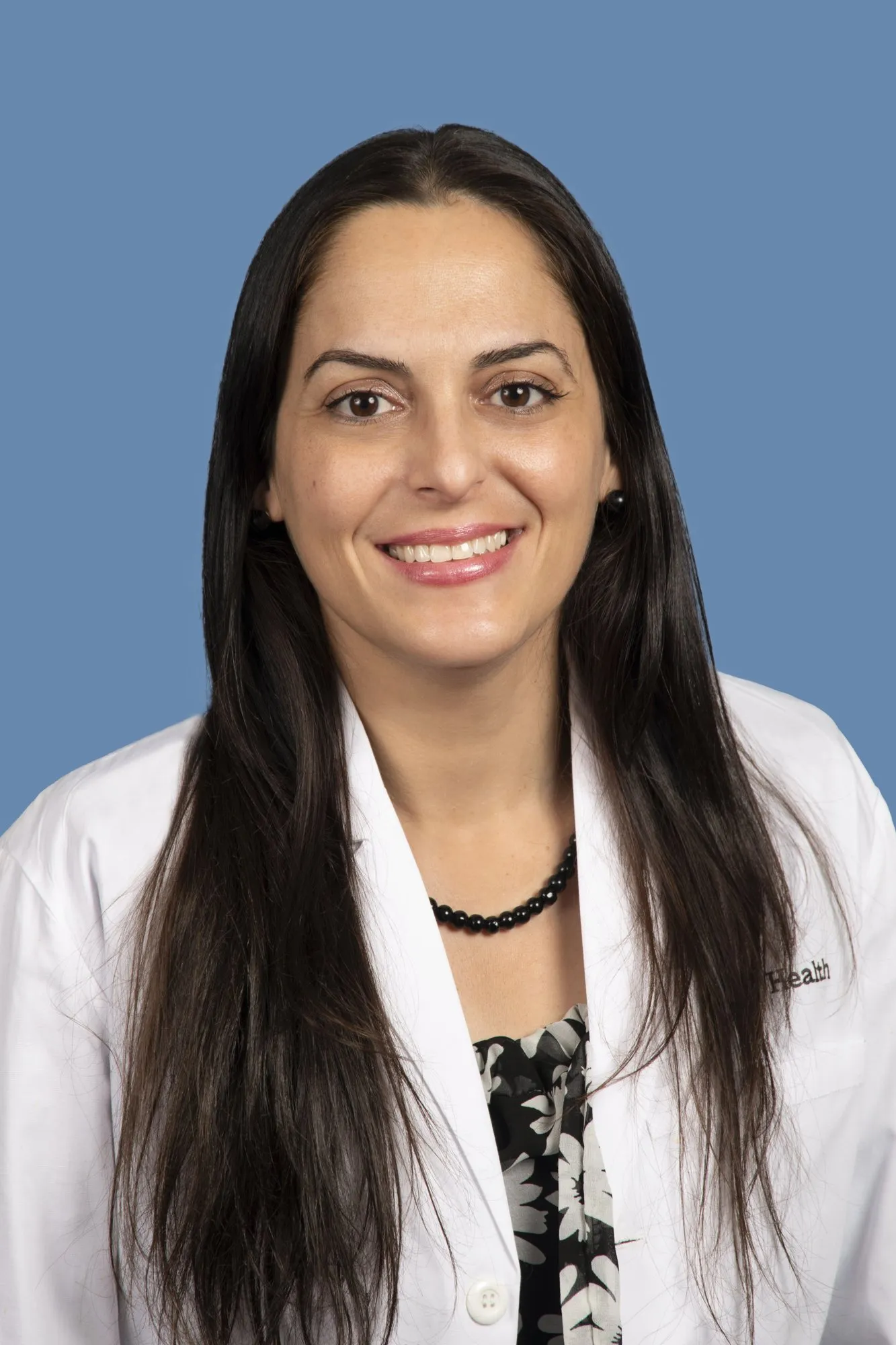
“These findings give us an opportunity to offer these patients an effective treatment before surgery,” said Dr Alexandra Drakaki, professor of medicine and urology at UCLA and senior author of the study.
The caveat
The treatment comes at a cost. Serious adverse events from any cause affected 71.1% of the two-drug group, against 50.2% of the surgery-only group, and there was one treatment-related death, according to The ASCO Post.
The three-drug group had fewer relapses but has not yet been shown to extend life; follow-up continues. The trial was funded by AstraZeneca, which makes durvalumab and tremelimumab.
UCLA Health kindly shared the portrait of Dr Drakaki with us.