A single CAR-T infusion helps people with stiff person syndrome walk again
Mayo Clinic has published in JAMA Neurology the first results of a CAR-T therapy for stiff person syndrome, a rare disease that locks up the muscles and causes spasms and falls. In the phase 2 trial of 26 patients, led from CU Anschutz, people took a median 49% less time to walk 25 feet after a year, 8 of the 12 who used a cane or walker no longer needed one, and 24 of 26 had stopped immunosuppressants. The caveat: it is a small study with no comparison group, funded by Kyverna, the company that makes the therapy.
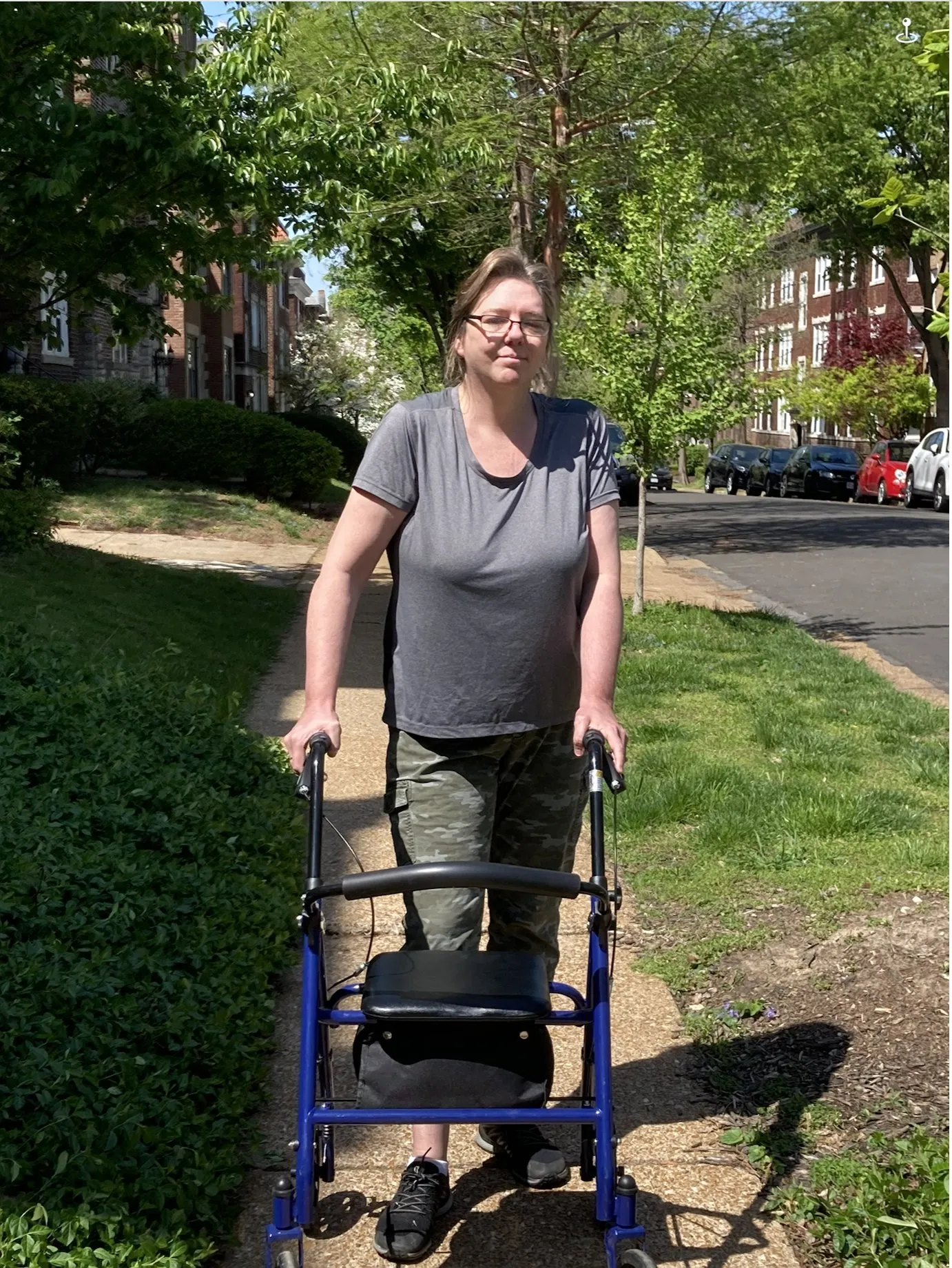
Before she fell ill, Shari St. Germain walked about seven miles a day. In 2021 she began to get severe leg cramps and found walking hard, and by 2024 standard treatments were no longer controlling her symptoms. Months after receiving a CAR-T therapy at Mayo Clinic, she managed seven minutes on a treadmill. “I couldn’t believe it,” she said.
She has stiff person syndrome, a rare autoimmune disease, first described at Mayo Clinic in 1956, that gradually stiffens the muscles and causes painful spasms and falls. There is no approved treatment.
Resetting the immune system
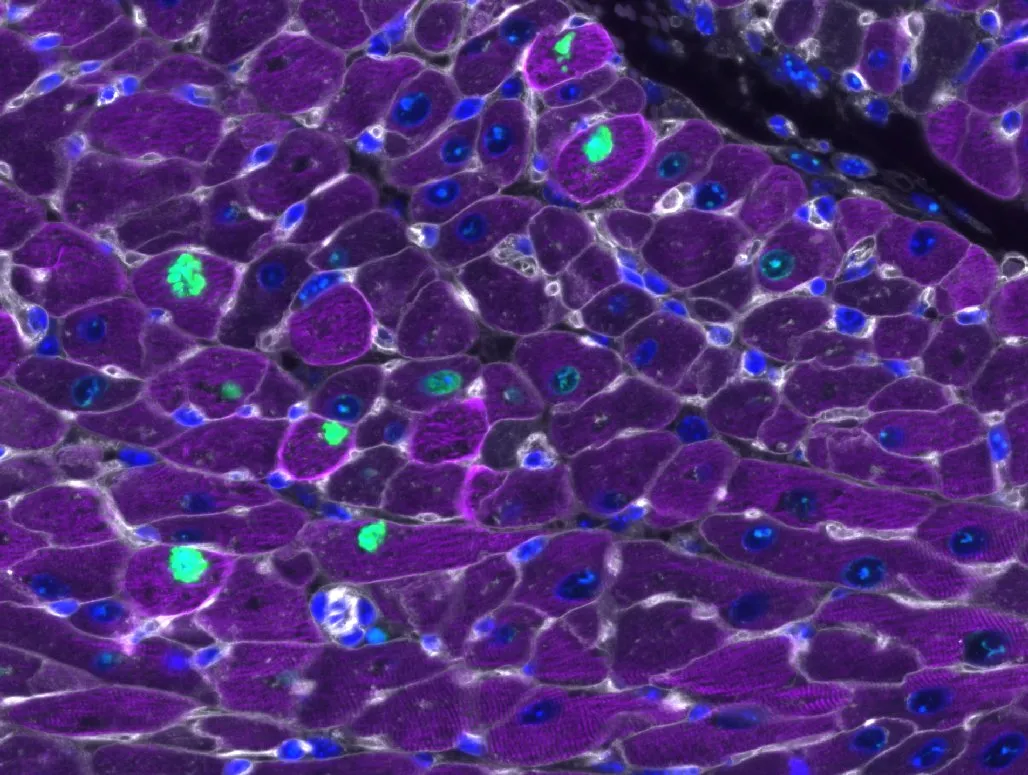
CAR-T therapy takes a patient’s own T cells, re-engineers them in the lab to target the cells driving the disease, and puts them back. This trial used a single infusion of the experimental product mivocabtagene autoleucel (miv-cel), made by Kyverna, with the aim of “resetting” the immune system.
Mayo Clinic, one of three sites in the trial, published the first results in JAMA Neurology on 9 November. “The results in stiff person syndrome offer tremendous hope,” said Dr Sean Pittock, chair of neurology at Mayo Clinic in Rochester.
What changed after a year
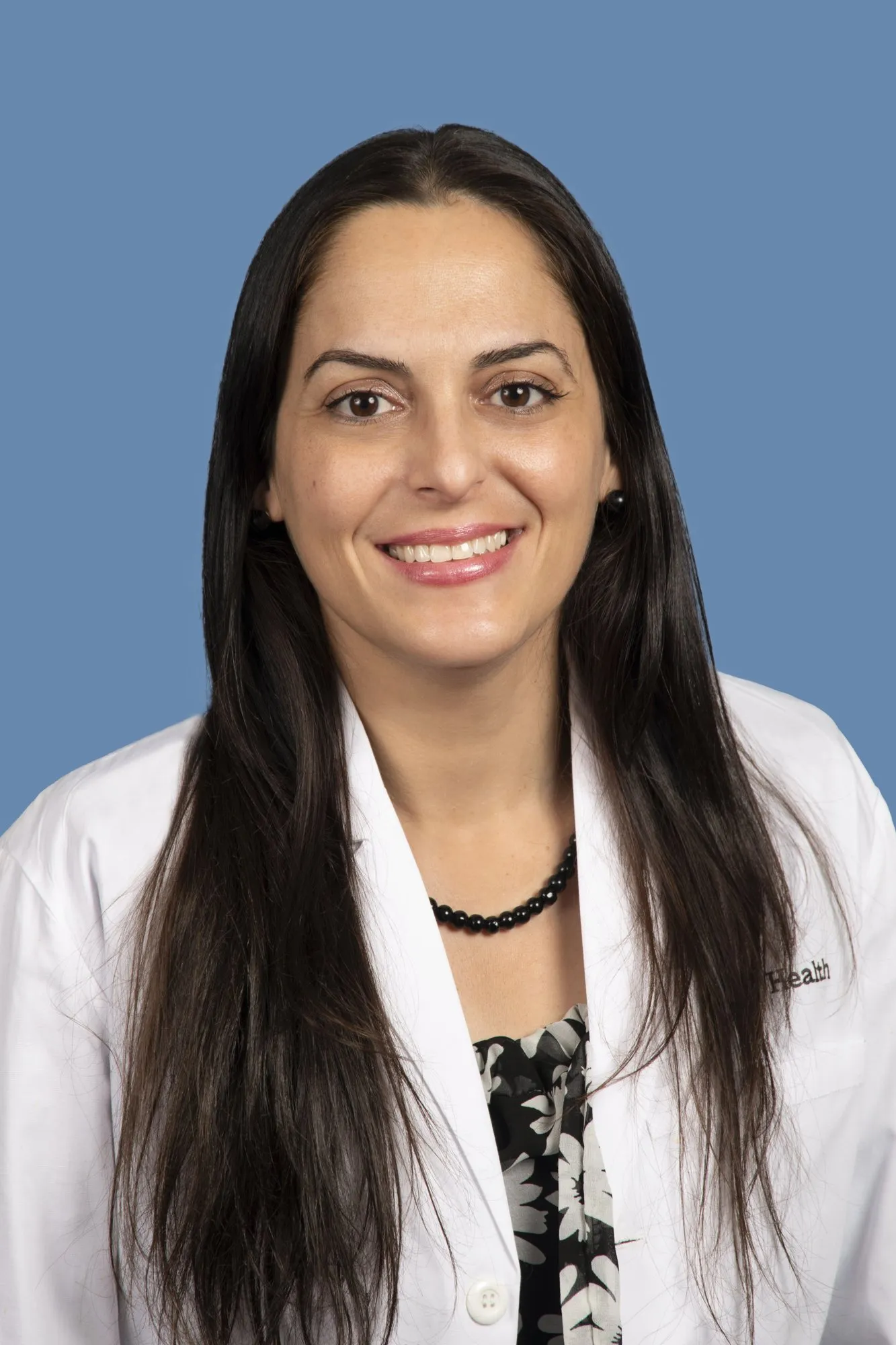
These are the one-year results for the 26 patients in the phase 2 trial, led by Dr Amanda Piquet at CU Anschutz in Colorado:
- They took a median 49% less time to walk 25 feet.
- Of the 12 who needed a cane or walker for the test, 8 no longer used one.
- 24 of the 26 were no longer taking drugs that suppress or modify the immune system for the disease.
Another Mayo patient, Jonathan Walden, needed his family’s help with the most basic tasks and some days stayed in bed. Today he works every day, hunts and fishes. “I have not had one episode since receiving treatment,” he said.

Shari St. Germain on a glacier in 2018, before she fell ill. Photo courtesy of Shari St. Germain via Mayo Clinic.
The caveat
It is a small study with no comparison group, funded by Kyverna, which plans to complete its application for US FDA approval in the last quarter of 2026. “The key question now is whether those improvements will be sustained over time,” said neurologist Anastasia Zekeridou of Mayo Clinic. If approved, it would be the first treatment for the disease and the first CAR-T therapy cleared for an autoimmune condition.
Mayo Clinic and Shari St. Germain kindly shared these photos with us.