Ultrasound helps a new treatment reach brain tumours, slowing glioblastoma in mice
A UVA Health team at the University of Virginia uses focused ultrasound and microbubbles to briefly open the barrier that protects the brain, letting through nanoparticles carrying microRNAs that switch off several tumour genes at once. In mice it slowed tumour growth and extended survival. It has not yet been tested in people.
Glioblastoma hides behind a wall. The blood-brain barrier, which protects the brain, also keeps out many anti-tumour drugs. A team at UVA Health, the University of Virginia’s medical centre, has tested in mice a way to open it briefly and slip in a treatment that hits several cancer genes at once.
The caveat comes first: the work, published in the Journal of Clinical Investigation (JCI), was done in animal models and has not yet been tested in people. The authors say more research is needed before clinical trials.
Three parts to cross the barrier
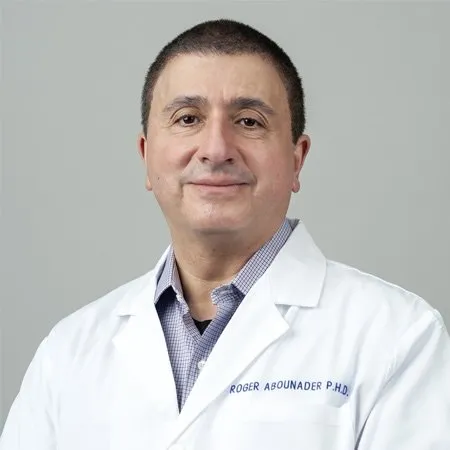
Roger Abounader’s team at the School of Medicine looked for microRNAs, tiny pieces of genetic material that can rein in several faulty genes driving the tumour at the same time. According to the paper’s abstract, they selected two tumour-suppressor microRNAs (miR-340 and miR-382) and one cancer-promoting microRNA (miR-17).
To get them into the brain they used brain-penetrating nanoparticles, microbubbles and MRI-guided focused ultrasound. Vibrating under the ultrasound, the microbubbles briefly open the barrier and let the nanoparticles through. In mice with glioblastoma, the treatment slowed tumour growth and extended survival, UVA Health says; its release gives no figures.
Why hitting several genes matters
Standard care today is surgery, radiotherapy and chemotherapy. Combining drugs against several targets is hard because toxicity rises, and many of the molecules involved have no drug that targets them, the university explains. Glioblastoma is the most common and aggressive malignant brain tumour in adults, killing more than 13,000 people a year in the United States alone.
“We are hoping to translate our findings into future clinical trials for patients with glioblastoma and other brain tumors,” Abounader said. Funders include the US National Cancer Institute and the Focused Ultrasound Foundation.