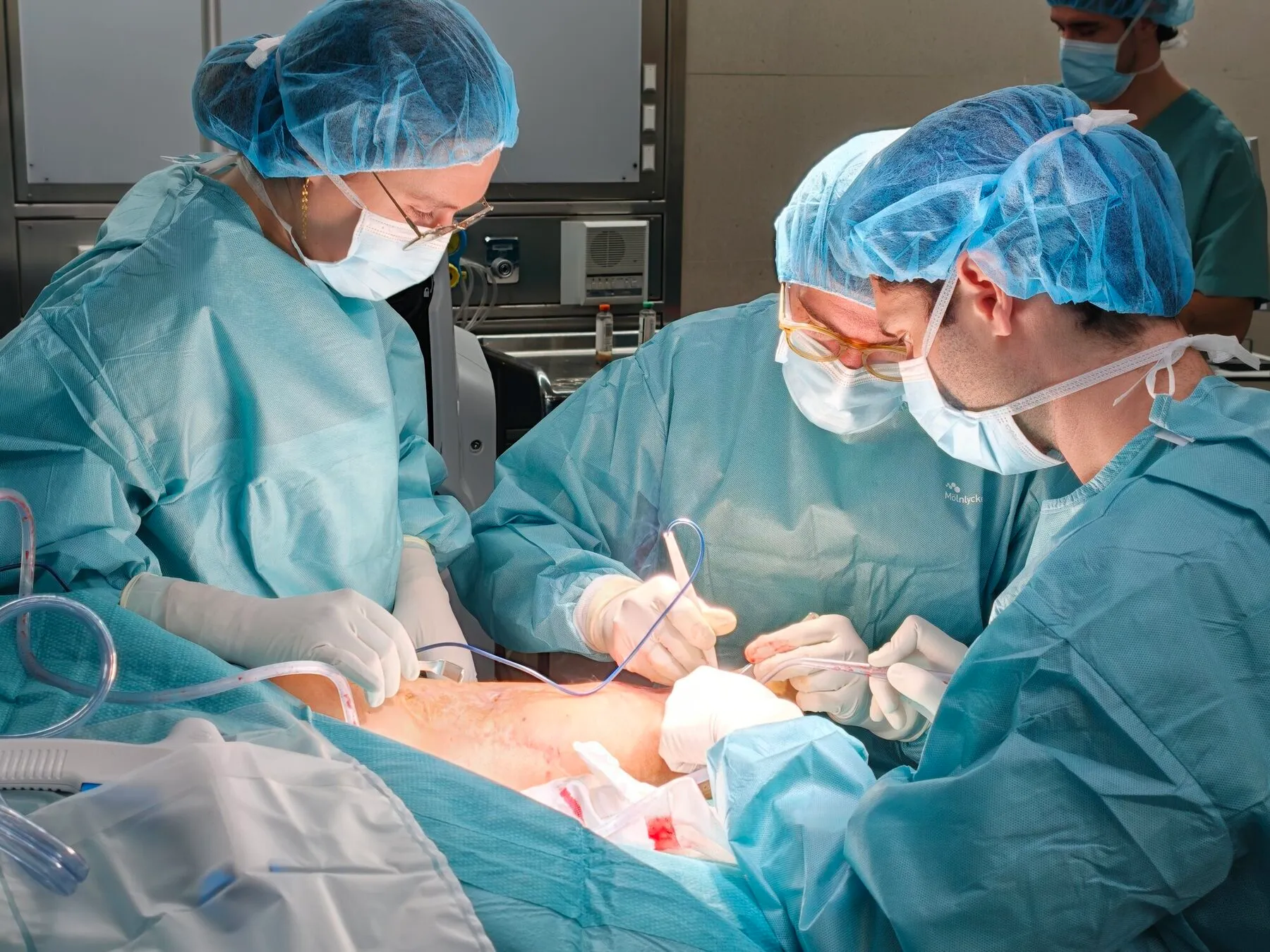
Single iron infusion boosts exercise capacity in a common form of heart failure
In the IRONMET-HFpEF trial at Mass General Brigham in Boston, 65 people with heart failure with preserved ejection fraction and iron deficiency received a single 1,000 mg iron infusion or a placebo. After 12 weeks, peak oxygen uptake, a key measure of fitness, rose by about 10% with iron and did not change with placebo; patients on iron also walked further in a six-minute test. The study was published in Circulation and presented at the American Heart Association meeting. The caveat: it is a small trial, only 12 weeks long, and it is not yet known whether iron reduces hospital stays or extends life.
Climbing stairs or walking to the shops can leave people with heart failure with preserved ejection fraction, the most common form of the condition in older adults, out of breath. In a trial at Mass General Brigham in Boston, a single iron infusion was enough for these patients to perform better on an exercise bike three months later.
The study, called IRONMET-HFpEF, was published in Circulation and presented at the American Heart Association’s 2026 Scientific Sessions. It is small, with 65 people, and only measured the effect at 12 weeks: it does not yet show whether iron keeps people out of hospital or helps them live longer.
One 1,000 mg infusion
All participants had this type of heart failure and were iron deficient. Their median age was 68 and 72% were women. Forty-four received a single 1,000 mg dose of intravenous ferric derisomaltose; 21 received a placebo.
The team chose intravenous iron because iron tablets have not helped in other forms of heart failure, probably because the gut absorbs them poorly.
More oxygen, more metres
After 12 weeks, peak oxygen uptake, the measure cardiologists use for heart and lung fitness, had risen by about 10% in the iron group and was unchanged in the placebo group. Patients on iron also walked further in the six-minute walk test and improved their functional class, the scale of how much the disease limits daily life. No serious side effects were linked to the iron.
What did not change significantly was the patients’ own score on a quality-of-life questionnaire.
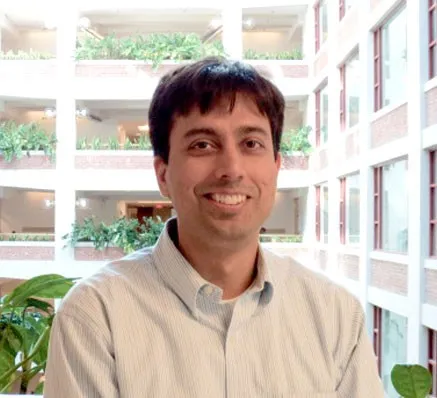 Rajeev Malhotra, a cardiologist at Mass General Brigham and the study’s senior author. Photo courtesy of Mass General Brigham.
Next: longer trials
“Patients living with HFpEF are burdened with severe limitations in exercise tolerance,” says lead investigator Gregory Lewis. “The next step is to determine whether IV iron can improve long-term clinical outcomes in patients with HFpEF,” adds senior author Rajeev Malhotra.
The authors call for longer studies in more diverse groups, as most participants were white. The trial was funded by the US National Heart, Lung, and Blood Institute; Lewis and Malhotra have advised Pharmacosmos, which makes this type of iron.
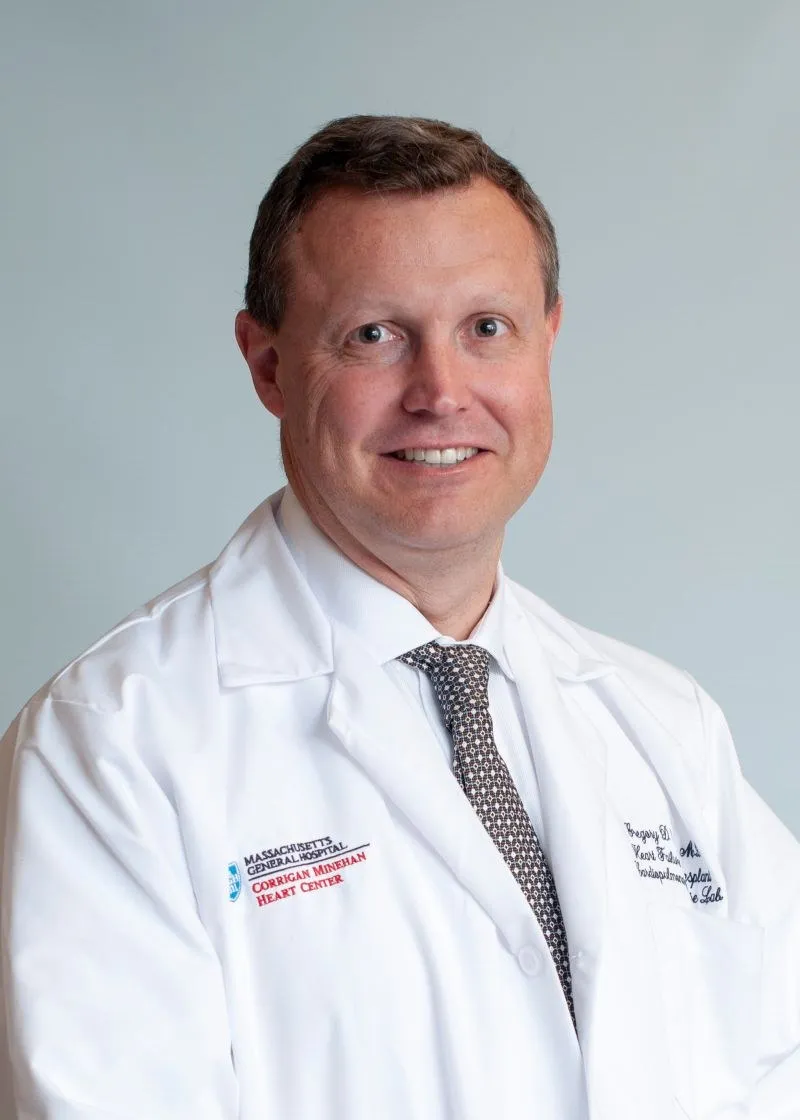
Mass General Brigham kindly shared the portraits of both authors.