Gene therapy cuts epileptic seizures by more than 90% in three patients
Researchers in China have tested in people, for the first time, a therapy that switches off on demand the neurons that trigger seizures. In three adults whose epilepsy did not respond to drugs, seizures fell by an average of 92.6% about two months later. The study is in The New England Journal of Medicine. It was very small, had no control group and was designed mainly to test safety: larger trials are needed.
Three adults had lived with epilepsy for 10 to 25 years. None responded to medication, and each had about four seizures a month. Two months after an experimental treatment, two of them were down to one seizure every two months and the third had none at all. Overall, 92.6% fewer, according to a study published on 4 November in The New England Journal of Medicine.
It is the first time this technique, called chemogenetics, has been tested in people.
A switch for misfiring neurons
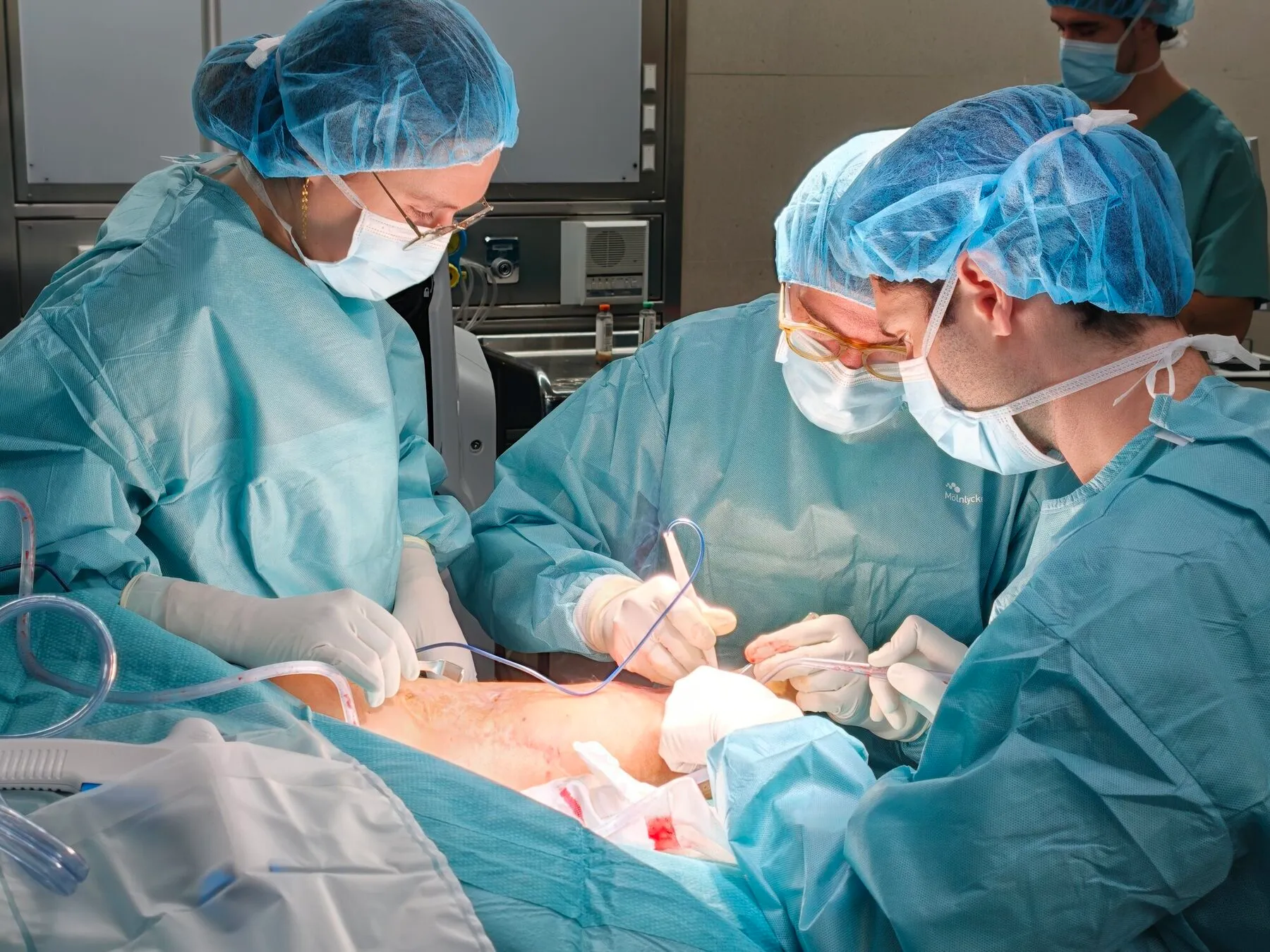
During surgery, doctors use a modified virus (AAV9) to deliver a gene into neurons in the part of the brain where seizures start. The gene makes those neurons respond to clozapine, an existing drug. Taken in low doses every eight hours, clozapine turns down the activity of those neurons and stops the bursts that cause seizures. All three patients had scarring of the hippocampus on one side.
No serious side effects were seen during the study period.
Why caution is needed
There were only three people, no comparison group, and the trial was designed mainly to test safety. It is not yet known whether the effect lasts for years, and high doses of clozapine have been linked to heart problems.
“It’s exciting that there’s such a dramatic effect, and that they see very few side effects,” said Matthew Walker, a neurologist at University College London who was not involved. The next step is trials with more patients and longer follow-up.