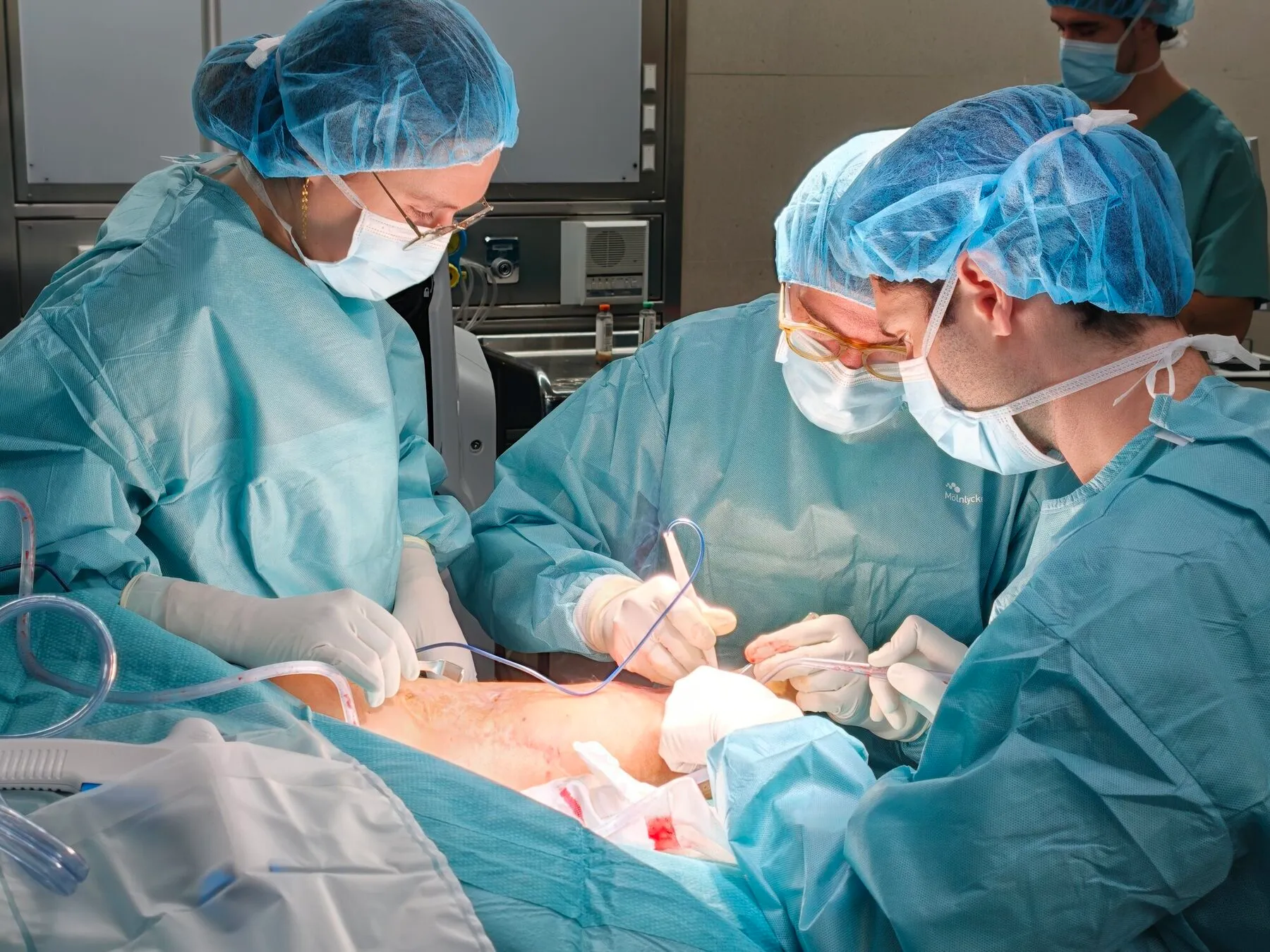
Gene therapy for a rare liver disease is still working four years on
Three people with Crigler-Najjar syndrome, a genetic disease that can mean many hours a day under phototherapy lamps, still have their bilirubin under control four years after a single dose of the gene therapy GNT0003. Two no longer need phototherapy. The results, from Papa Giovanni XXIII Hospital in Bergamo, Italy, and Généthon, are in The New England Journal of Medicine. It is only three people: a larger trial is under way.
People with Crigler-Najjar syndrome spend much of their lives under blue light. Their liver cannot clear bilirubin, a substance that damages the brain when it builds up, and the only way to keep it down is phototherapy: many hours a day, often while they sleep. Until now, the other way out was a liver transplant.
Three patients treated at Papa Giovanni XXIII Hospital in Bergamo, Italy, with a single dose of gene therapy still have bilirubin below the danger level four years later, according to a letter published on 5 November in The New England Journal of Medicine. Two of them have stopped phototherapy. The third has a partial response and needs less of it.
A healthy copy of the gene
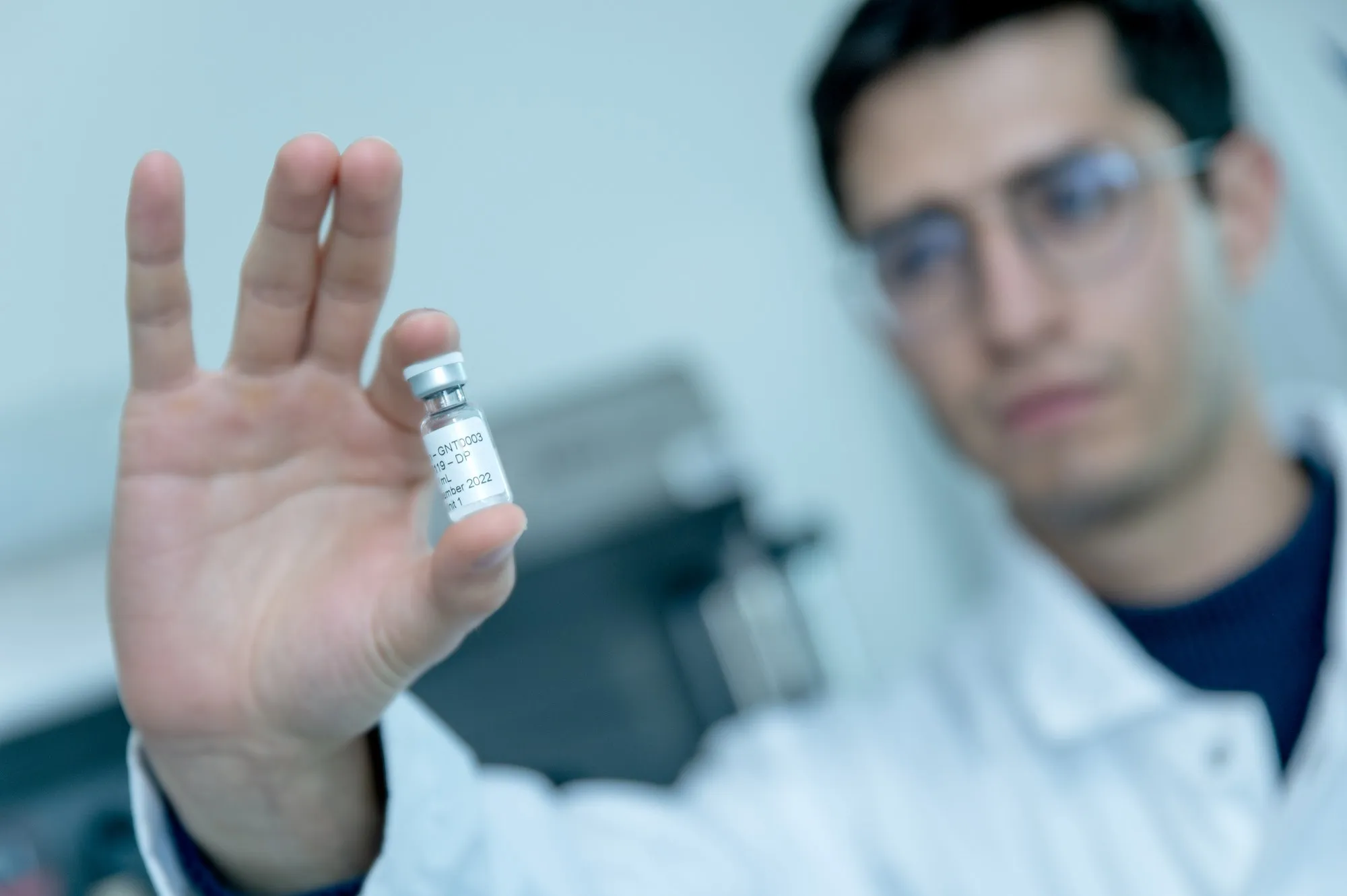
The therapy, called GNT0003 and developed by the French non-profit lab Généthon, uses a modified virus (AAV8) to deliver a working copy of the faulty gene to the liver. One of the patients has also had an uncomplicated pregnancy and a healthy baby.
“The results of this clinical trial open a new path toward the correction of genetic liver diseases,” says Lorenzo D’Antiga, head of paediatrics at the Bergamo hospital and principal investigator.
What is still needed
It is only three people. Since January 2023 the decisive phase of the trial has been running, with more patients including children aged 10 and over, to confirm the effect before the treatment can be approved.