Months of treatment keep blood pressure down for two years in hormonal hypertension
A team led by Queen Mary University of London reports in the New England Journal of Medicine that 14 patients with primary aldosteronism, treated for 6 to 12 months with an aldosterone synthase inhibitor, still had aldosterone markers 99% below baseline and blood pressure about 25 mmHg lower up to two years after stopping; nearly a quarter now have normal blood pressure without medication. This form of hypertension accounts for 5% to 10% of cases. The caveat: it is just 14 people with no comparison group, and a larger trial, ELIXIR, will have to show whether this is a cure.
Fourteen people whose high blood pressure came from their adrenal glands took one pill a day for 6 to 12 months. Then they stopped. Two years later, their blood pressure was still on average about 25 mmHg lower than before treatment, and nearly a quarter now have normal readings without any medication.
The results come from a team led by Queen Mary University of London, in a letter published in the New England Journal of Medicine. It is a follow-up study of patients treated at eight clinical centres in the United States. It involves only 14 people and had no comparison group, so it is too early to call this a cure.
Too much of one hormone
Primary aldosteronism happens when cells in the adrenal glands make too much aldosterone, a hormone that makes the body hold on to salt and water. The result is high blood pressure that is hard to control. According to Queen Mary, it lies behind 5% to 10% of hypertension cases worldwide, and many patients do not know they have it.
Today it is treated with lifelong drugs that block the hormone’s effect or, when only one gland is involved, with surgery.
Switching off the hormone factory
The drug in the study is an aldosterone synthase inhibitor, which blocks the enzyme the body uses to make aldosterone. After patients stopped taking it, markers of excess aldosterone remained 99% below their starting level, the university says.
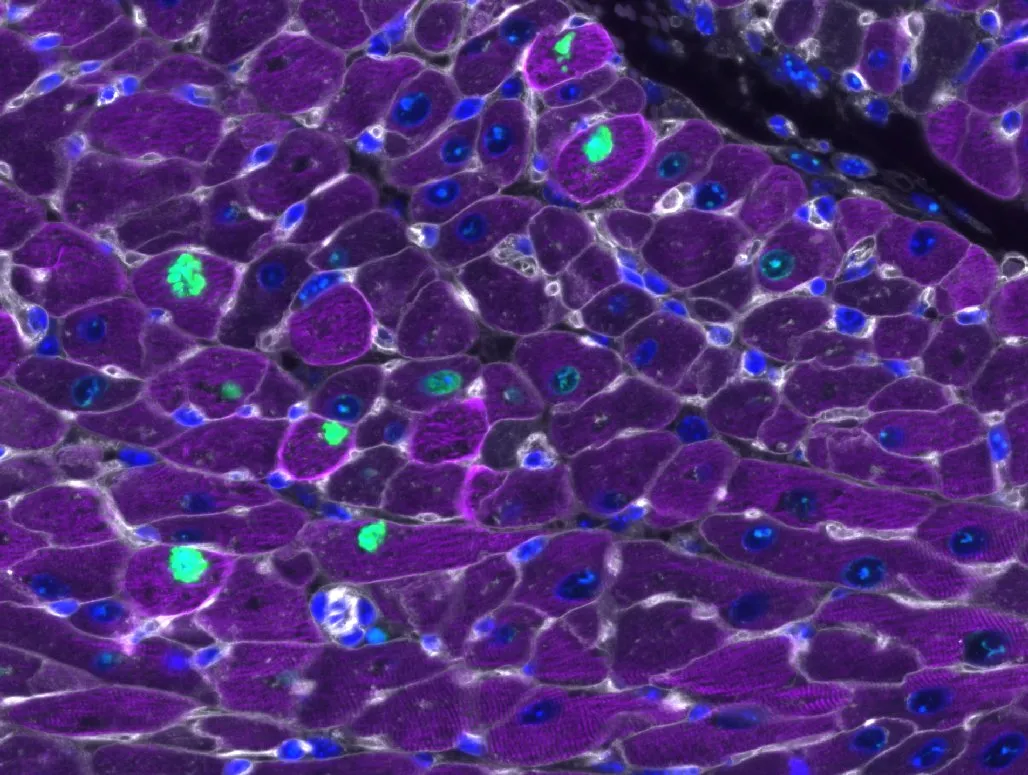
The researchers think that months of treatment cause the cells overproducing the hormone to shrink away. That explanation still has to be tested.
What ELIXIR needs to show
The team is setting up a larger trial, called ELIXIR, which will use molecular imaging of the adrenal glands to see whether those cells really disappear and whether the effect lasts. If it holds up, a few months of treatment could replace lifelong medication for many people with this form of hypertension.
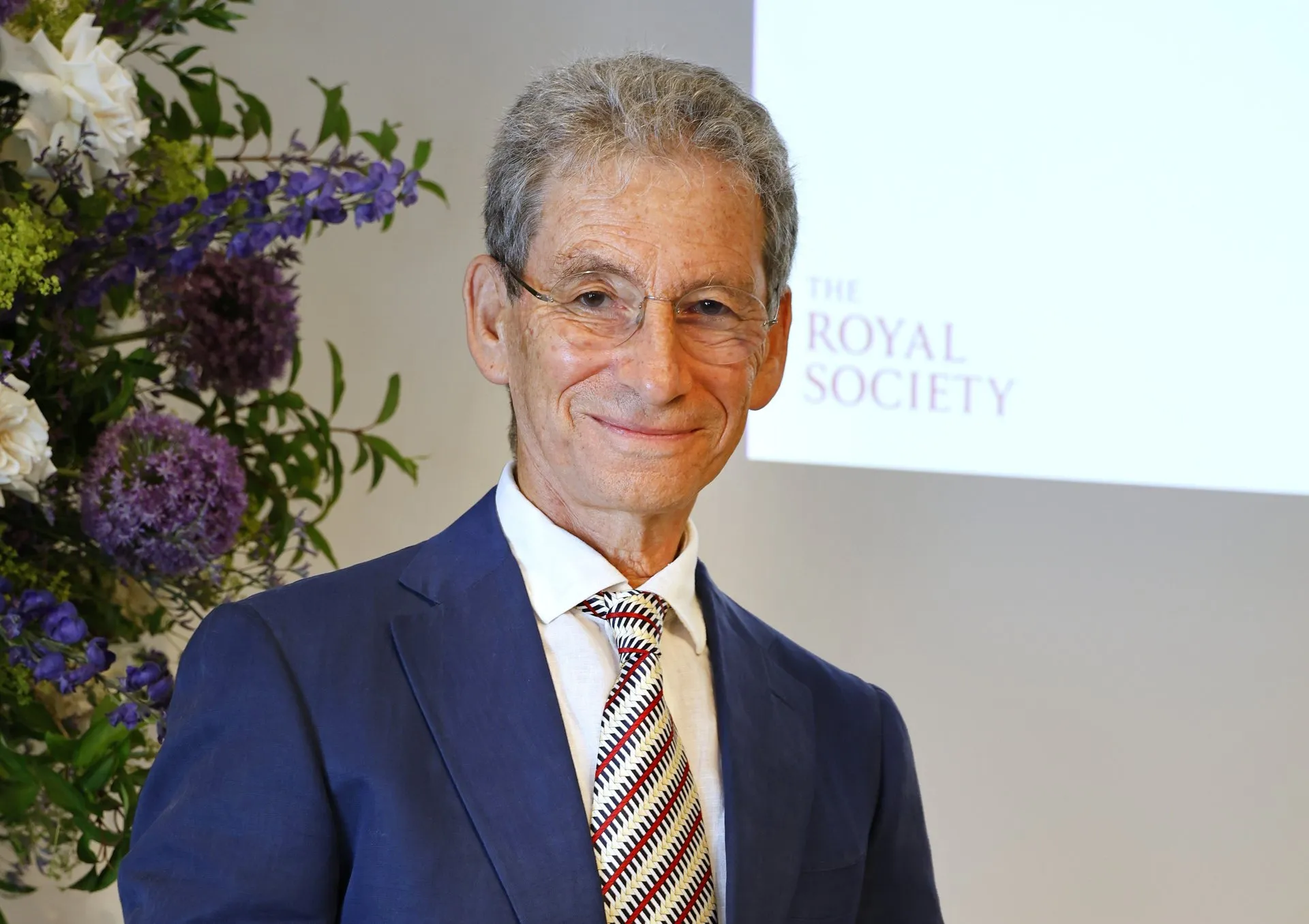
Queen Mary University of London kindly shared this portrait of Professor Morris Brown, an author of the study.
Sources
- Queen Mary University of London · New treatment may cure common hormonal cause of high blood pressure (9-11-2026)
- New England Journal of Medicine · Hyperaldosteronism Remission after Extended Aldosterone Synthase Inhibition, doi:10.1056/NEJMc2611265
- Open Access Government · Novel drug therapy may cure common hormonal cause of high blood pressure (11-2026)