Newborn deaths halve in Flint after families get cash during pregnancy and infancy
A study published on 3 November in JAMA Pediatrics compares Michigan birth and death records from 2021 to 2025. In Flint, deaths in the first 28 days of life fell from 10.2 to 5.1 per 1,000 live births in 2025, with the Rx Kids cash programme up and running, and first-week deaths fell by 74%. In the rest of the state the rate barely moved (4.0 to 3.9). The caveat: this is an observational study of a single city with one year of data after the change, and it comes from the team that runs the programme, which calls the results “early findings”.
Between 2021 and 2024, 10.2 babies in every 1,000 born in Flint died before they were a month old, more than double the rate in the rest of Michigan (4.0). In 2025 the figure was 5.1. The rest of the state stayed almost flat at 3.9, and for the first time in the study period the gap between the city and the state was no longer statistically significant.
Those are the findings of a study by paediatrician Mona Hanna and colleagues, published on 3 November in JAMA Pediatrics and based on official birth and death records for the whole state. The fall is even steeper in the first week of life: from 7.9 to 2.0 per 1,000 live births, down 74%.
$1,500 in pregnancy, then $500 a month
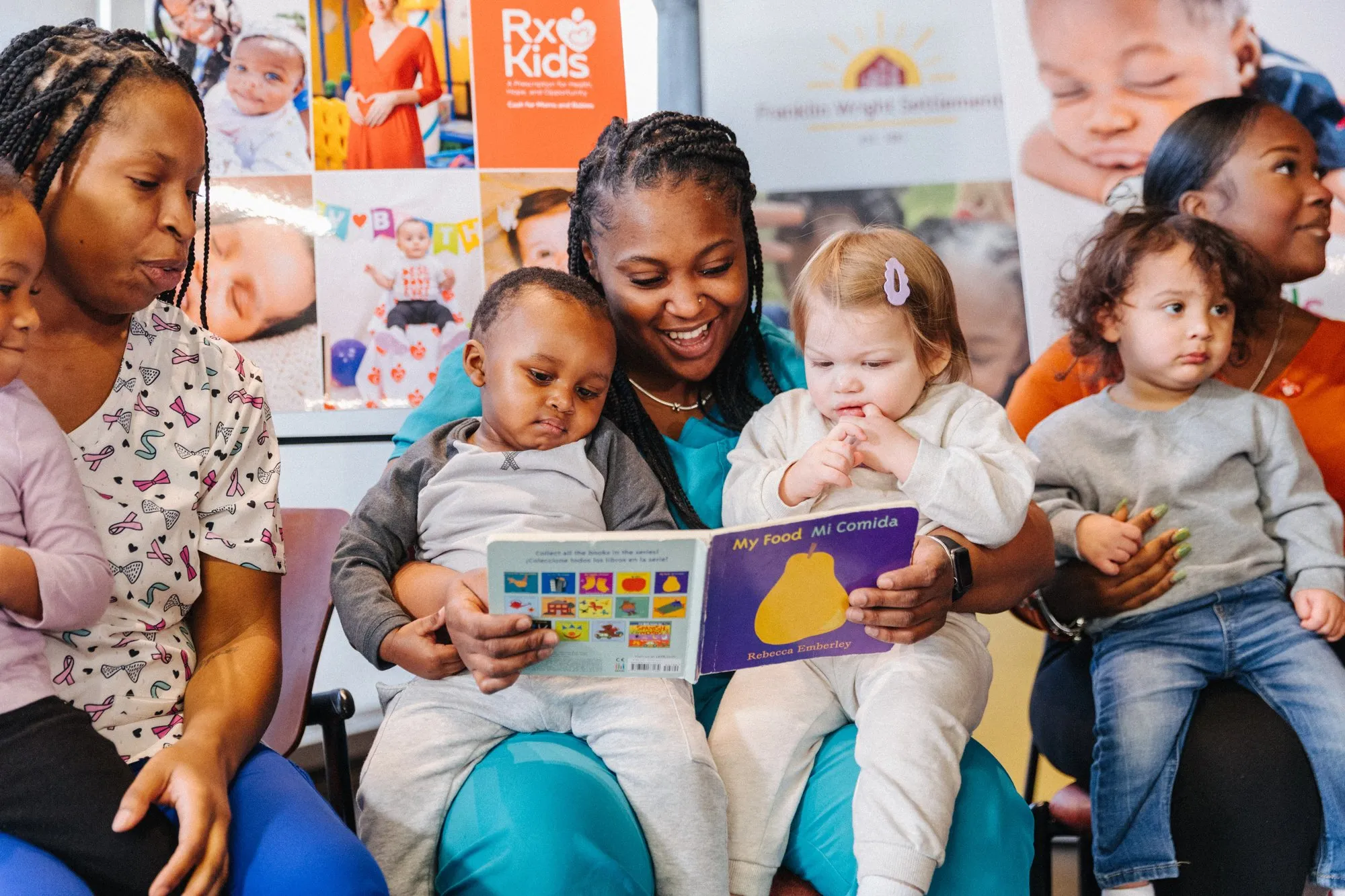
Rx Kids started in Flint in January 2024. It gives families $1,500 during pregnancy and $500 a month during the baby’s first year, with no strings attached. It is led by Michigan State University, run by the charity GiveDirectly and backed by the State of Michigan. It has since spread from Flint to dozens of communities.
“Behind every statistic is a baby who celebrated their first month of life,” says Hanna, who directs the programme and is associate dean for public health at the university’s College of Human Medicine.
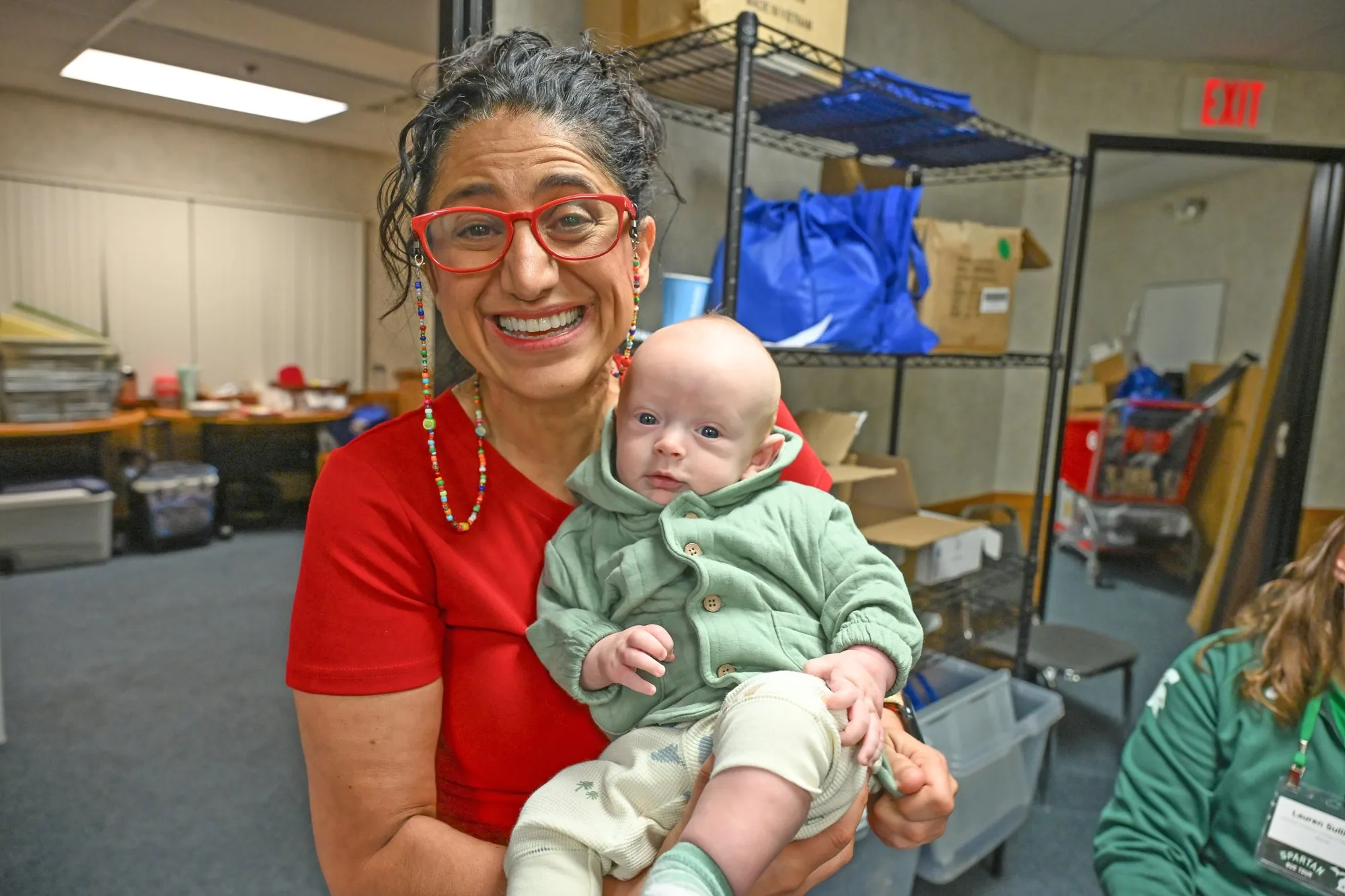
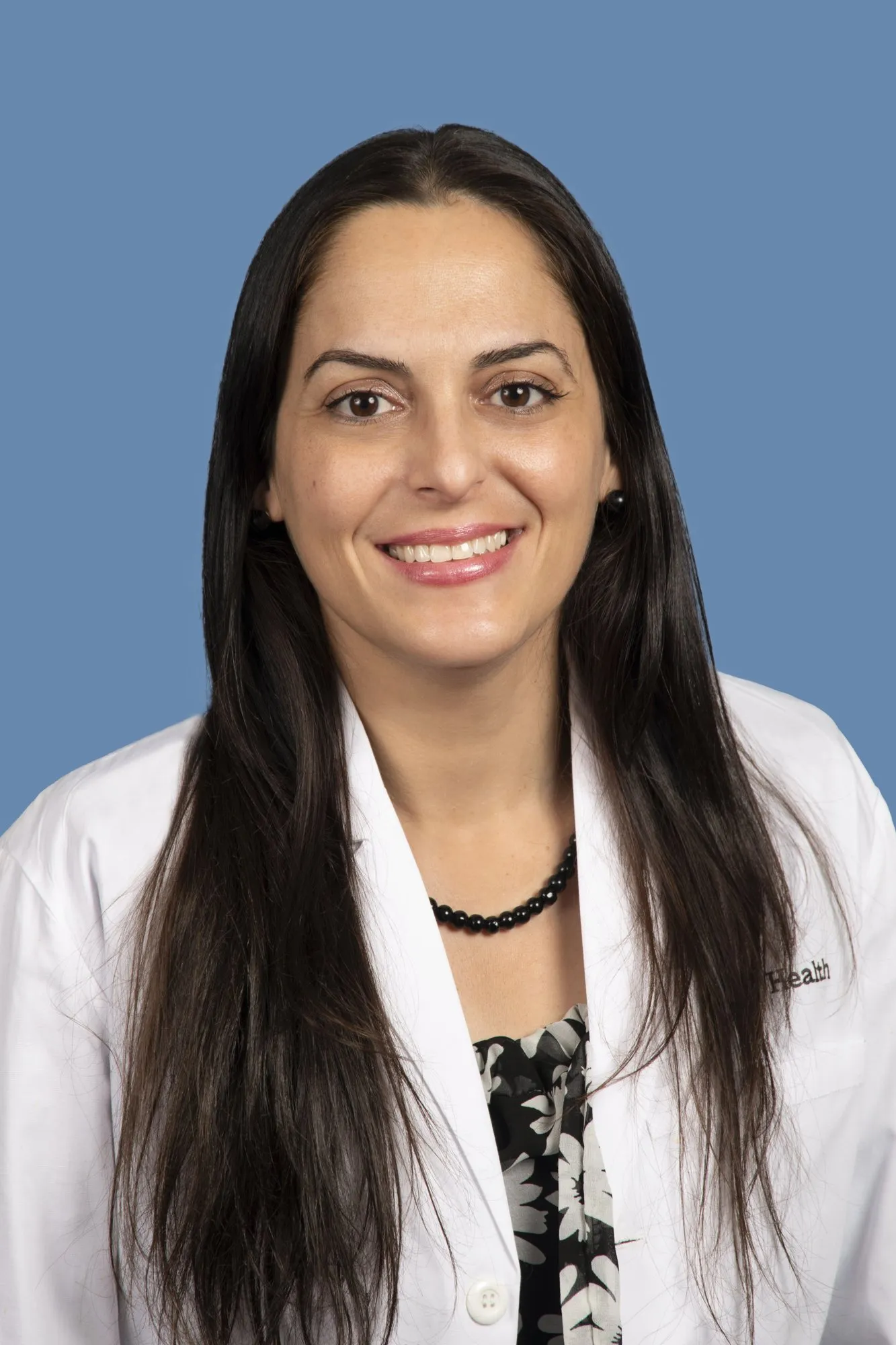
Dr Mona Hanna, director of Rx Kids, during a Michigan State University tour of southern Michigan in 2026. Photo courtesy of Michigan State University.
A strong link, not yet proof
The study is observational: it compares one city with the rest of the state and has only one year of data after the change. Its lead author runs the programme, and the team calls for more research to see whether the improvement lasts and can be repeated elsewhere.
It does fit what had already been measured in Flint. An earlier study in The Lancet Public Health linked the programme to 18% fewer preterm births, 27% fewer low-birth-weight babies and 29% fewer admissions to neonatal intensive care. Sumit Agarwal, a physician and health economist at the University of Michigan, puts it simply: when more babies are born healthy, fewer die in their first month.
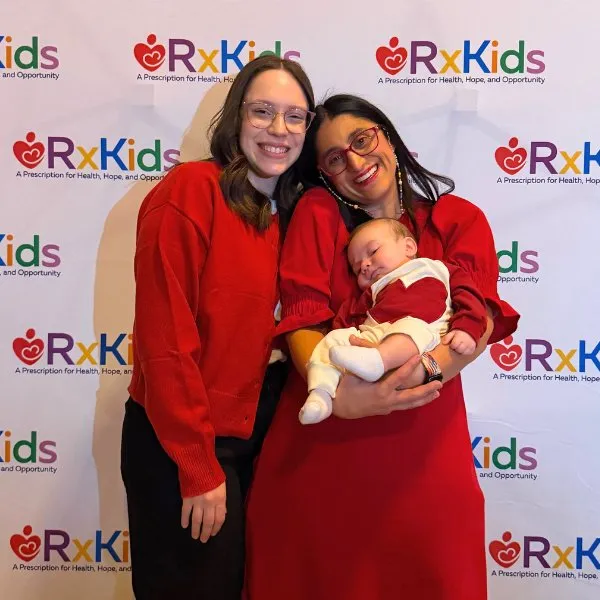
Mona Hanna (right) at an Rx Kids event. Photo courtesy of Michigan State University.
Families often spend the money on things like cribs and bassinets, according to the team, which is now studying why the support improves the health of mothers and babies.
Sources
- News-Medical · Flint newborn deaths fall 50% after launch of cash support program (3 Nov 2026), on Hanna et al. in JAMA Pediatrics
- Michigan State University, College of Human Medicine · Neonatal Deaths Cut in Half in Flint Following Rx Kids Implementation
- EurekAlert! · Michigan State University news release