DR Congo starts trial to find the first vaccine against Bundibugyo Ebola
The first participant in Tumaini, a Congolese-led trial that will test several vaccines at once on contacts of Ebola patients, was vaccinated in Bunia on 23 October. It comes at a grim moment: this is the largest Bundibugyo outbreak on record, with 9,552 confirmed cases and 4,602 deaths as of 21 October, and no vaccine is yet approved against this species.
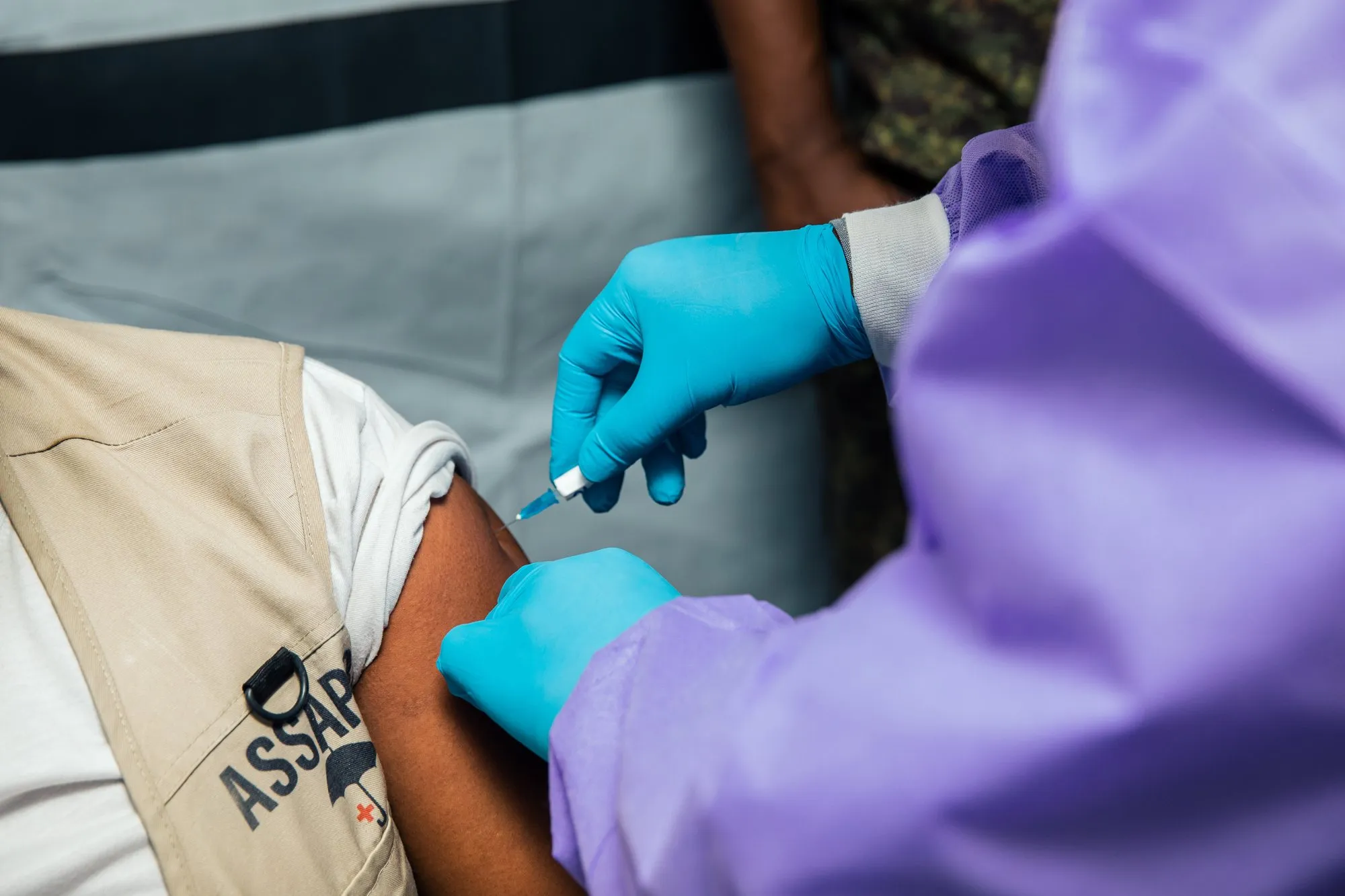
On Friday 23 October in Bunia, capital of Ituri province and the epicentre of the outbreak, a contact of an Ebola patient received the first dose in the Tumaini trial, Swahili for “hope”. It is the first vaccine trial of an outbreak declared on 15 May, and it is looking for something that does not yet exist: an approved vaccine against the Bundibugyo species of the virus.
One familiar vaccine and two made to measure
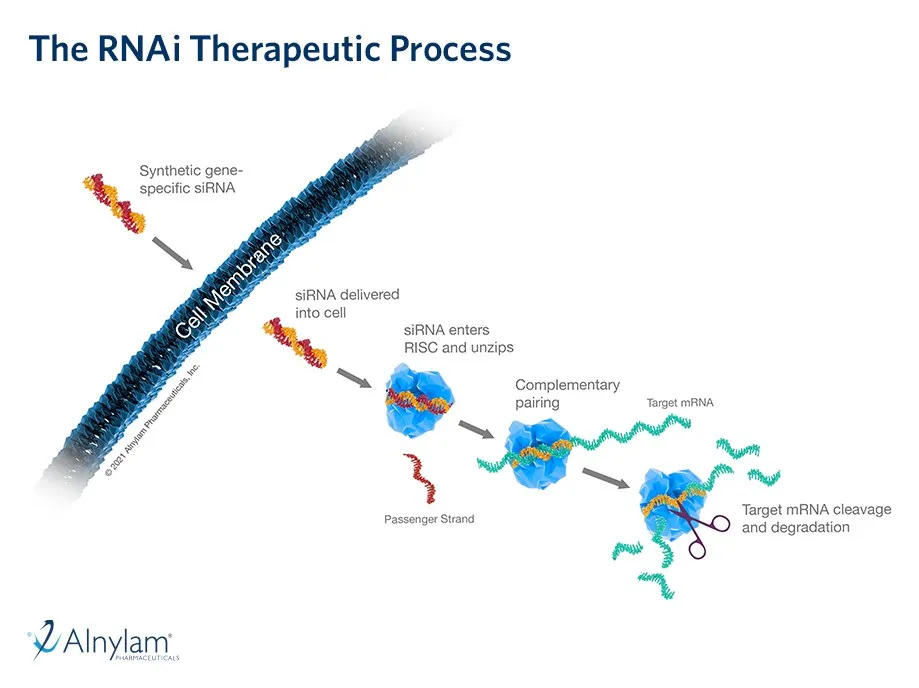
The trial starts with Ervebo, the vaccine already used against the Zaire species of Ebola. The question is whether it also protects against Bundibugyo, for which there is no approved vaccine or treatment. According to CEPI, the coalition funding the trial, two candidates designed for this species will join shortly: an mRNA vaccine from Moderna and one from the University of Oxford with the Serum Institute of India.
It uses ring vaccination, offering shots to the contacts of each confirmed case, who are the people most at risk. As an adaptive platform, it can compare several vaccines at once and add new ones along the way. Pregnant women and children aged 12 and over can take part, and children from one year old for Ervebo.
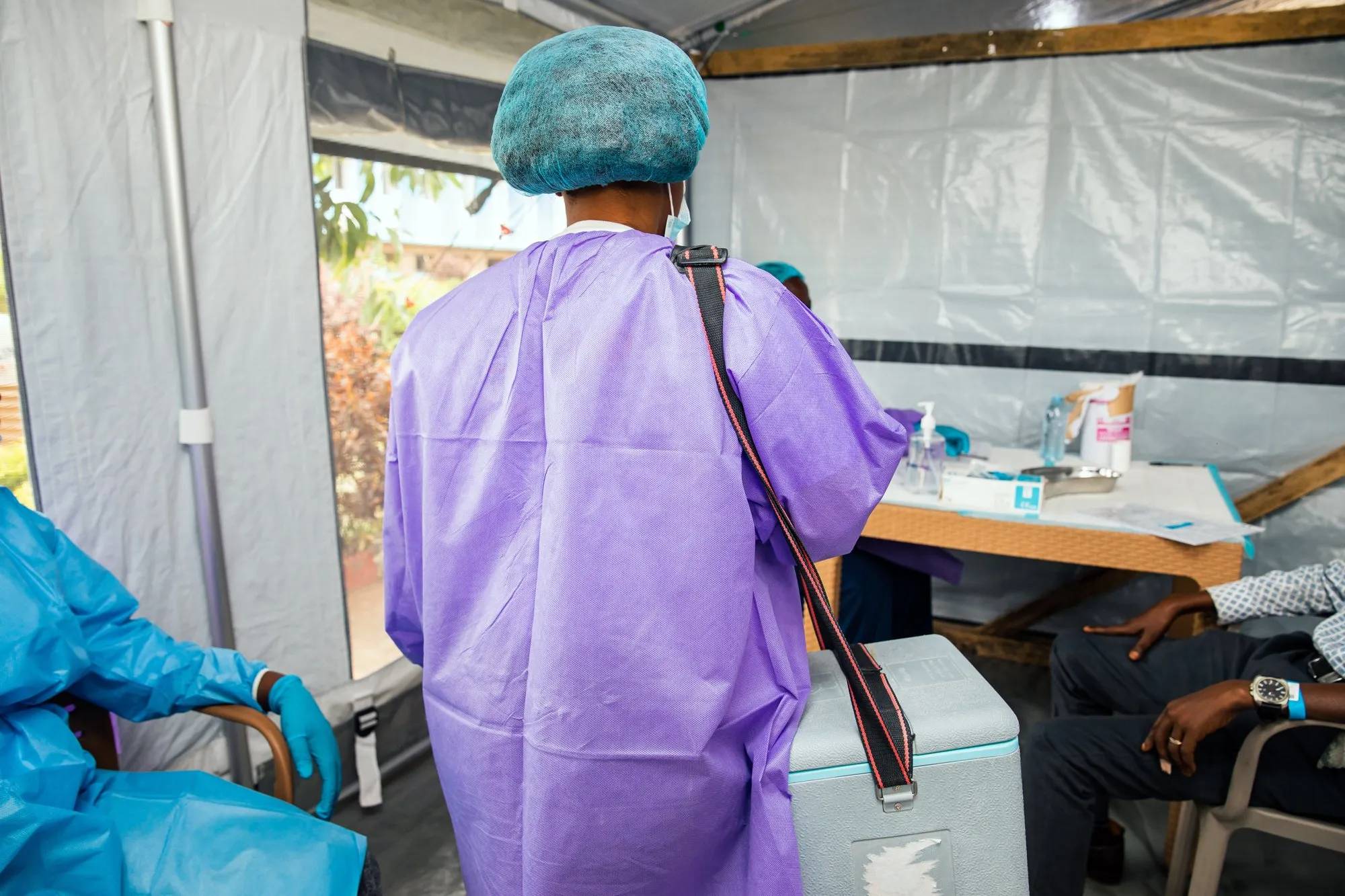
A vaccinator carrying the vaccine cool box in a tent in Bunia on 23 October. Photo: WHO.
Led from Congo
The trial is co-led by Congo’s National Institute for Biomedical Research (INRB) and the University of Antwerp, overseen by the Congolese health ministry, with WHO, Africa CDC, Epicentre, Médecins Sans Frontières and the Institute of Tropical Medicine Antwerp. “Much more than a research study,” said Chikwe Ihekweazu, head of WHO’s Health Emergencies Programme: if it works, it will be the first clear evidence that a vaccine protects against Bundibugyo.
An outbreak still growing
The context calls for caution. With 9,552 cases and 4,602 deaths confirmed as of 21 October, according to CEPI, this is the largest Bundibugyo outbreak on record and the second-largest Ebola outbreak ever; WHO has declared it a public health emergency of international concern. A trial will not stop an outbreak on its own, and results will take time.
Meanwhile, Gavi has committed up to $40 million so that any candidate that works can be manufactured in time. The next step is for the Moderna and Oxford vaccines to enter the trial.