Three blood markers could help tailor stroke rehabilitation, Spanish study finds
Researchers at Vall d'Hebron in Barcelona followed 62 people for six months after a first stroke, along with 43 people without a stroke (the SMARRTS study, published in Scientific Reports). Blood levels of endostatin, GDF-10 and uPAR were linked to how walking, strength and arm use improved. These are associations in a small group: they cannot yet predict an individual patient's recovery.
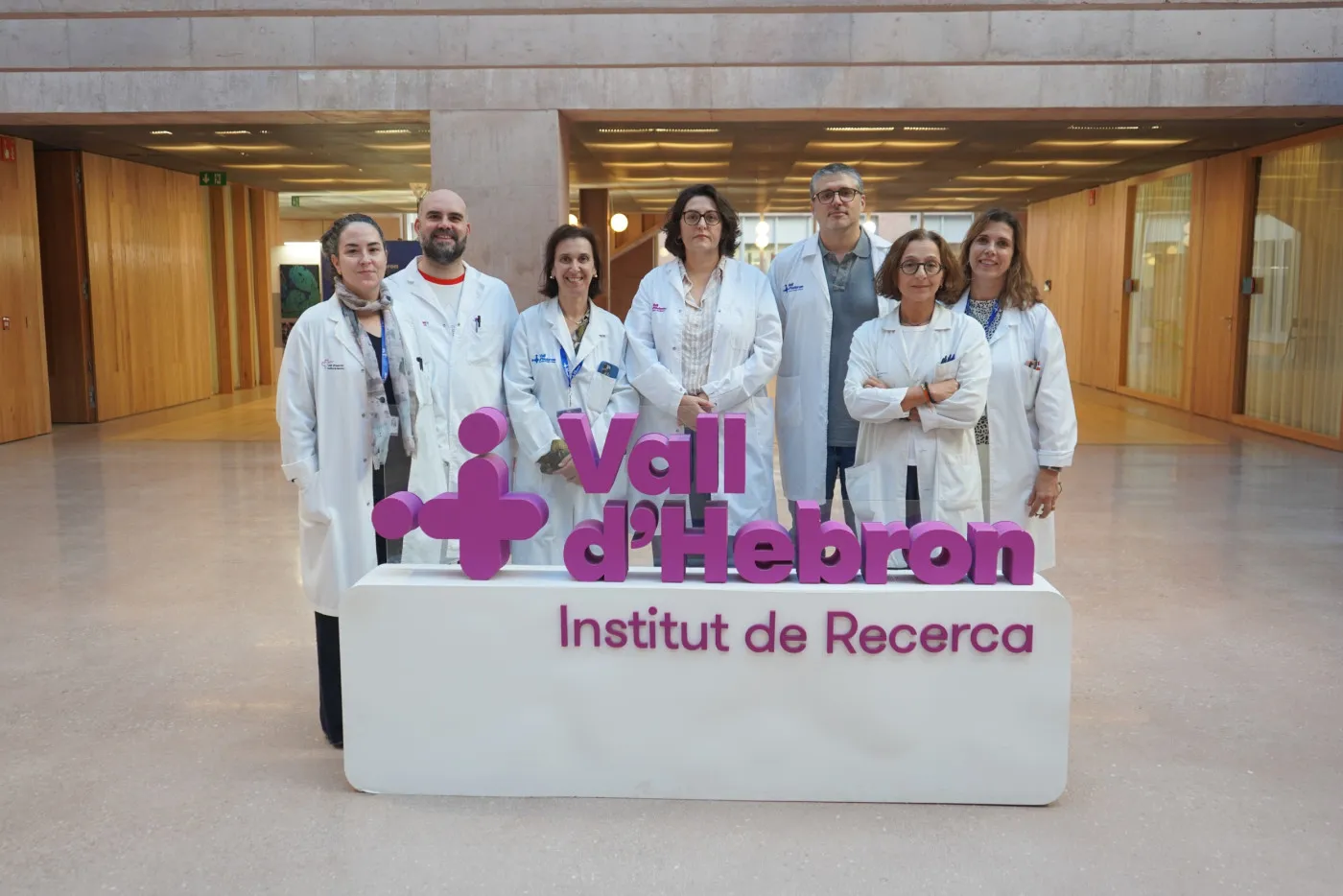
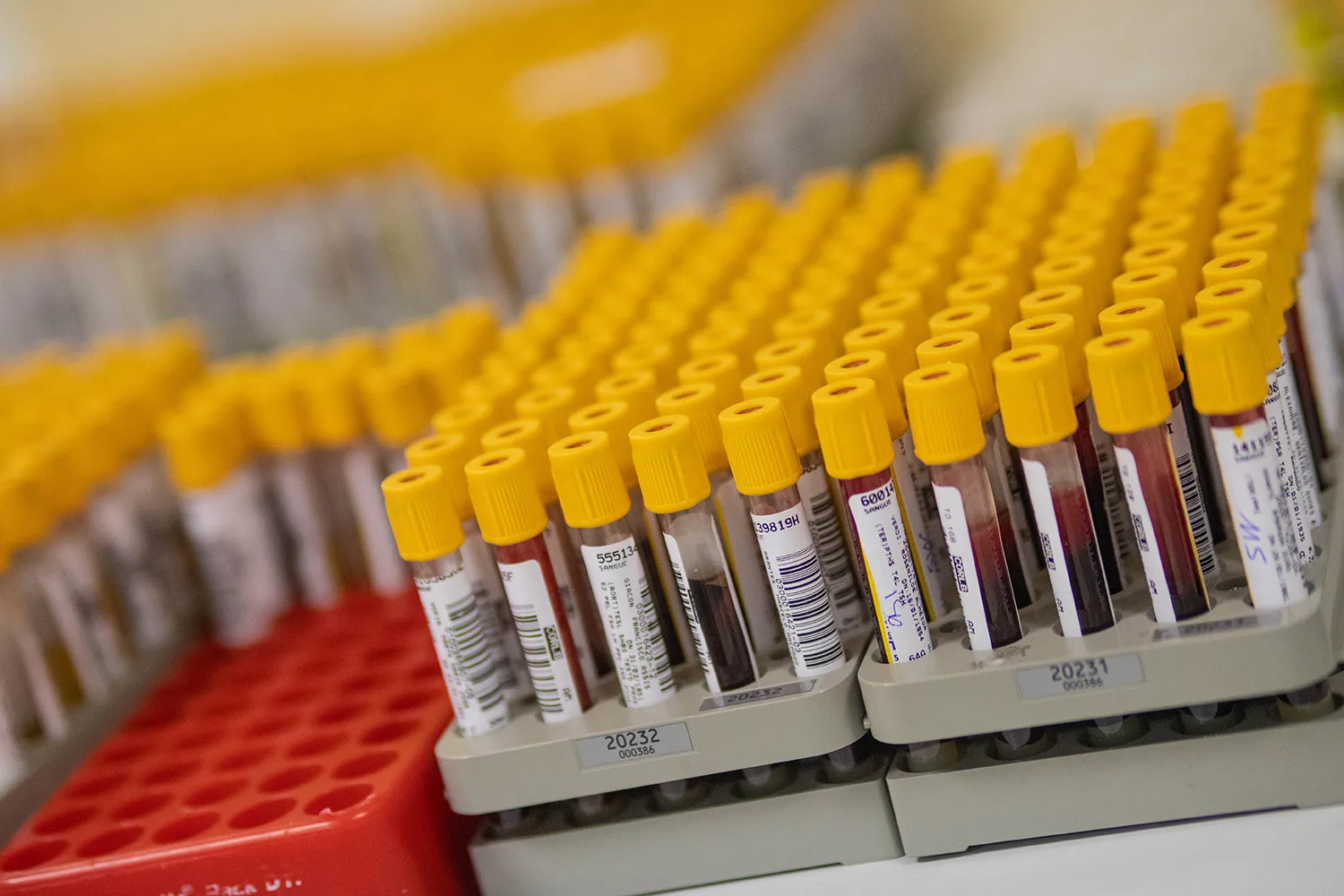
Sixty-two people who had just had their first stroke gave blood before starting rehabilitation, then again after one, three and six months. Each time they also did tests of walking, strength and arm movement. From that data, a team at Vall d’Hebron in Barcelona has found three substances in the blood whose levels track how well patients recover.
The work is the SMARRTS study, led by the Neurovascular Diseases Research Group at the Vall d’Hebron Research Institute (VHIR) and the hospital’s Neurorehabilitation and Brain Injury Unit, with other Spanish centres. It was published in Scientific Reports and presented at the national congress of the Spanish Society of Rehabilitation and Physical Medicine (SERMEF) in Barcelona, days before World Stroke Day on 29 October.
What endostatin, GDF-10 and uPAR showed
The researchers measured four molecules involved in brain repair and neuroplasticity, the brain’s ability to rewire its connections. Three stood out:
- Patients who started rehab with higher levels of GDF-10 and uPAR later had poorer results in walking speed, strength and arm movement.
- A bigger drop in endostatin during the first month was linked to more improvement afterwards in some motor and strength skills.
- When GDF-10 rose, arm function, walking and day-to-day independence were better.
The lead researchers, Dr Anna Rosell, head of VHIR’s Neurovascular Diseases group, and Dr Susana Rodríguez González, a physical medicine and rehabilitation specialist at Vall d’Hebron, say the long-term aim is to explore whether a simple blood sample could add information to the usual clinical assessment.
A help for doctors, not a replacement
The links do not prove that these substances cause a particular recovery, the researchers warn. The group is small and the study observational, so it cannot fully separate natural recovery from the effect of rehabilitation. The goal, they say, is not to replace the clinical assessment of the patient but to add a possible biological dimension to it in the future.
The next step is to test the findings in more patients and in independent groups. If they hold up, the markers could help identify who would benefit from more intensive rehabilitation or a different approach.
Sources
- ConSalud · Vall d'Hebron studies three blood biomarkers to understand recovery after stroke (27 October 2026, in Spanish)
- Infosalus (Europa Press) · Spanish study identifies three blood substances that could help understand stroke recovery (27 October 2026, in Spanish)
- Vall d'Hebron repository · Identifying new blood biomarkers of neuroplasticity associated with rehabilitation outcomes after stroke