Spanish scientist wins award for finding a gut molecule that drives clogged arteries and can be blocked
David Sancho of Spain's National Centre for Cardiovascular Research (CNIC) has received the 22nd Caja Rural Granada Foundation Health Sciences Award, worth €25,000, for identifying imidazole propionate, a molecule made by some gut bacteria that promotes artery plaque even when cholesterol is normal. Blocking it halted the disease in mice; in people, it is so far a possible early marker that still needs confirming.
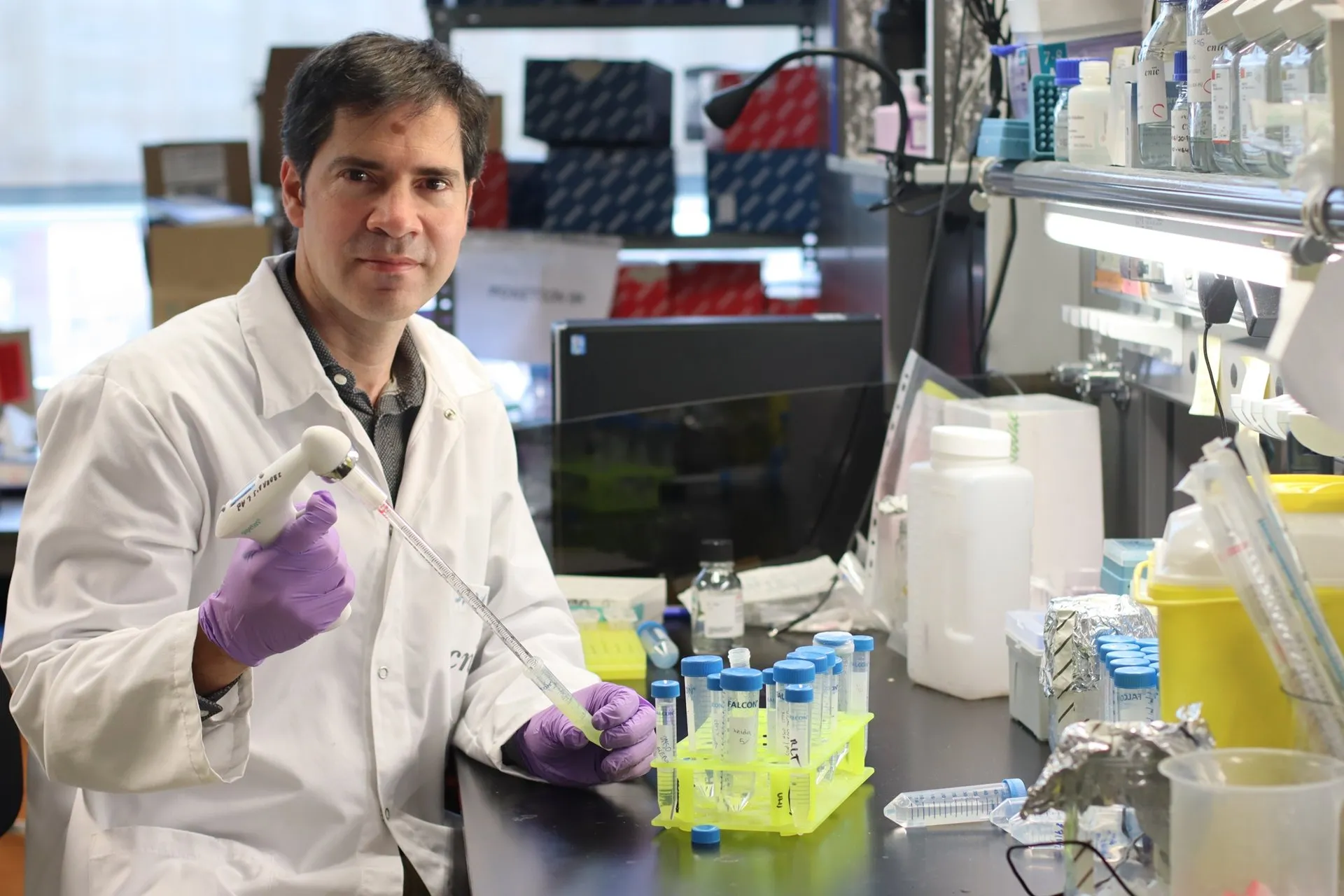
Some people’s arteries keep narrowing even though they don’t smoke, don’t have high blood pressure and have healthy cholesterol. The team led by David Sancho, head of the Immunobiology Laboratory at Spain’s National Centre for Cardiovascular Research (CNIC) in Madrid, found one of the missing pieces, and that work has just won the 22nd Caja Rural Granada Foundation Health Sciences Award, worth €25,000.
The piece is imidazole propionate, a molecule produced by some gut bacteria. According to the study, published in Nature, it promotes the build-up of plaque in the arteries independently of cholesterol, by switching on immune cells that inflame the artery walls.
High before symptoms appear
In people, the team found that levels of the molecule are raised in those with the earliest stages of atherosclerosis, even before they notice anything. In experiments with mice, they showed it is not a bystander: it directly contributes to the disease.
Then they tried blocking it. When the molecule was prevented from acting on inflammatory cells, atherosclerosis stopped progressing in those models and, in advanced cases, the damage to the blood vessels was partly reversed. All of this has been seen in animals: there is no treatment for people yet.
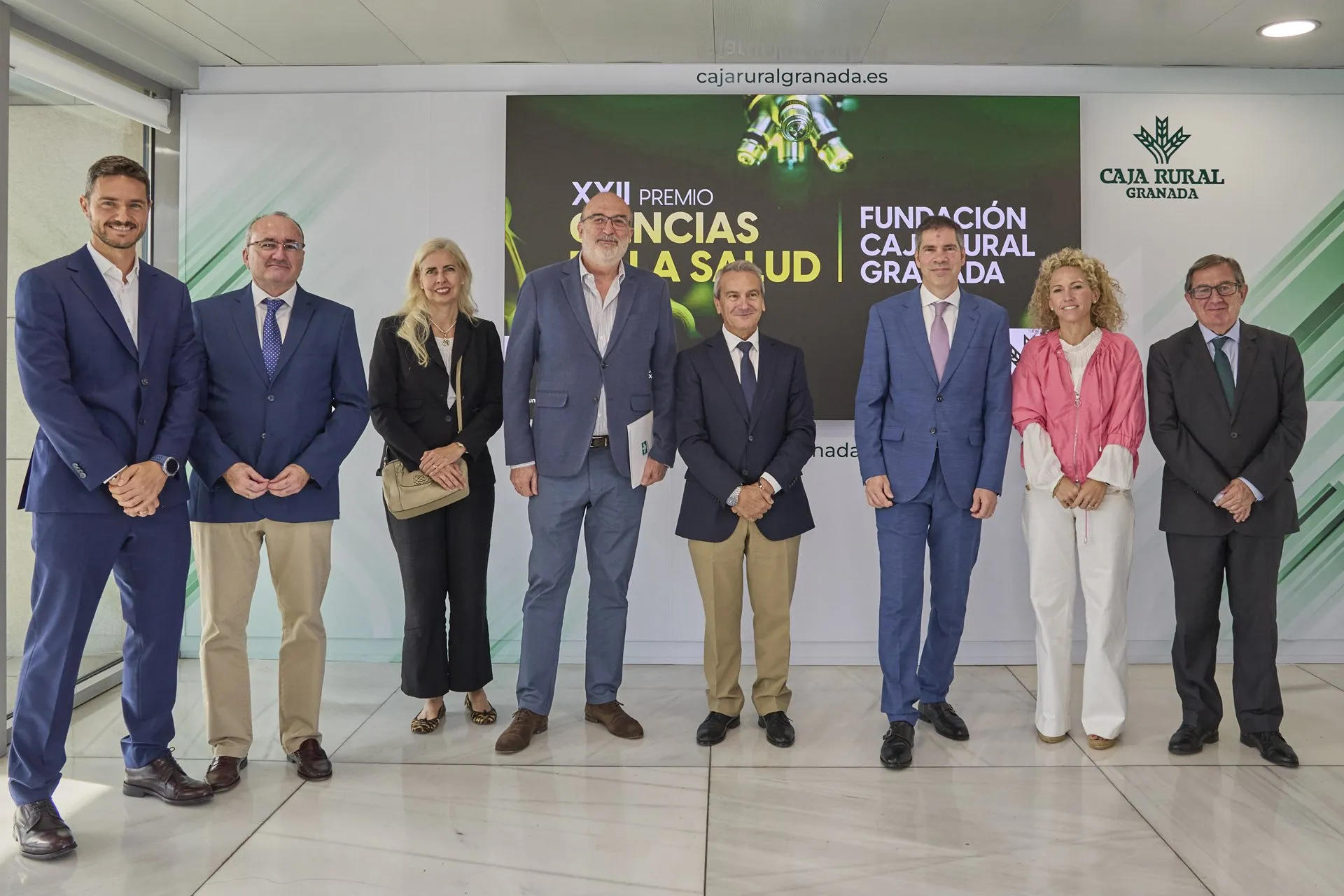
David Sancho (sixth from left) at the 22nd Health Sciences Award event in Granada. Photo: Fundación Caja Rural Granada.
A blood test and a possible drug
CNIC points to two paths. Measuring imidazole propionate in apparently healthy people could help spot early who is at risk of atherosclerosis, the disease behind many heart attacks and strokes. And a drug that blocks the molecule could help prevent or treat it.
Sancho shares the credit with his team, naming Annalaura Mastrangelo, whose metabolic profiling identified the molecule, and Iñaki Robles-Vera, a postdoc from the University of Granada who showed its causal role and looked for ways to block it. The award, he said, encourages them to keep studying new mechanisms of atherosclerosis in order to develop tools for early diagnosis and new treatment options for patients.
The prize is organised by the Caja Rural Granada Foundation and the Andalusian Health Technology Park Foundation, with support from the regional government of Andalusia, the University of Granada, Granada’s medical and pharmaceutical associations and Spain’s CSIC research council.