Ten-protein blood signature could flag pulmonary hypertension risk years early
Researchers at the Heart Institute of the University of São Paulo (InCor) screened about 5,000 blood proteins and found ten that, in data from around 500,000 people in the UK Biobank, were linked to the risk of developing pulmonary hypertension later. One of them, NOTCH3, could be a drug target. It is an association that is not ready for clinical use yet: it still has to be validated in other populations.
Pulmonary hypertension, high blood pressure in the arteries that carry blood to the lungs, is usually caught late. A team at InCor, the Heart Institute of the University of São Paulo Medical School, has found ten blood proteins that could signal the risk before the disease appears.
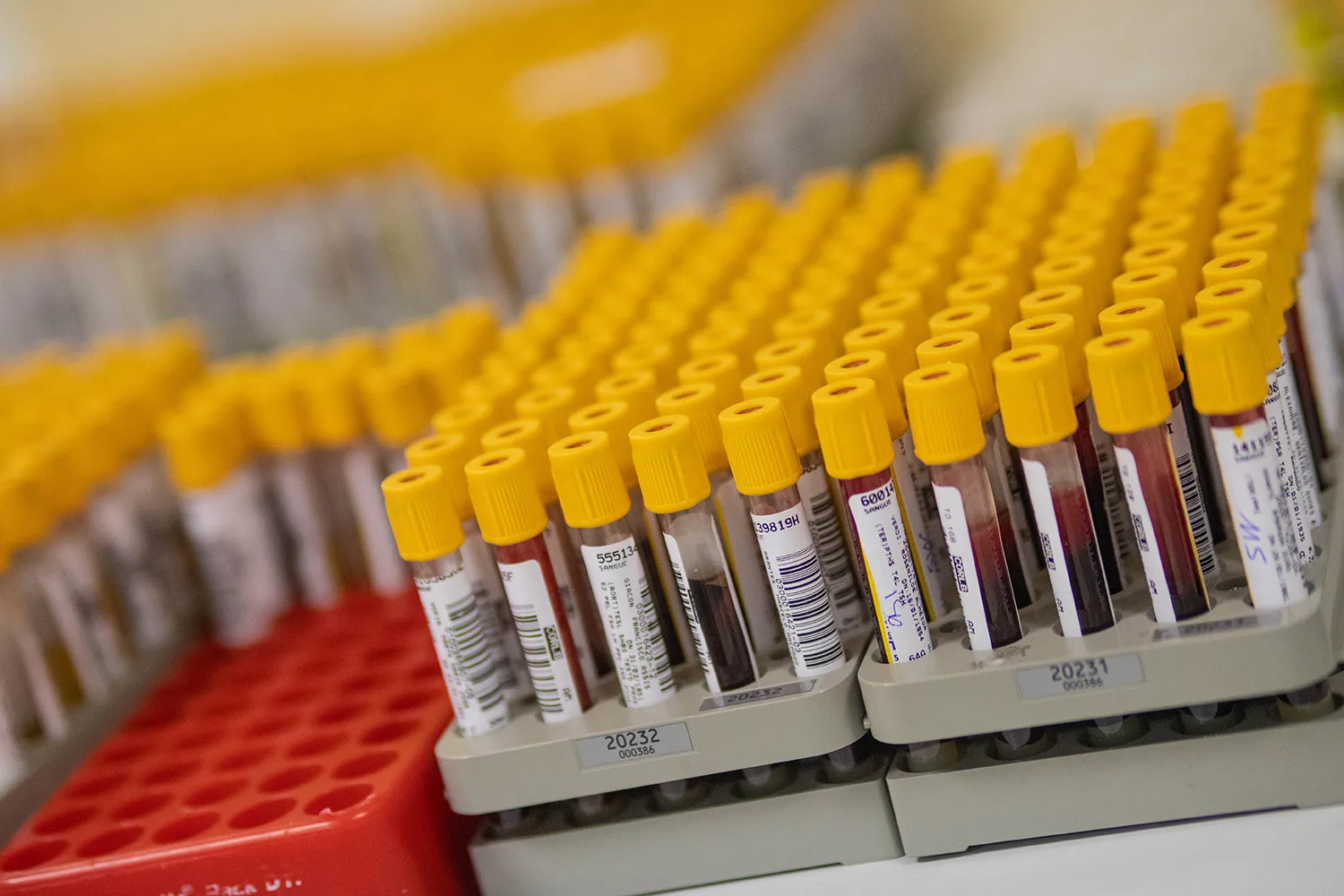
The study, published in Nature Communications, started without a prior hypothesis. The researchers measured about 5,000 proteins using proteomics and looked for those linked to lung pressure. Twenty-two stood out at first; 15 held up against right heart catheterisation, the reference test; and 10 were associated with the risk of developing the disease in the UK Biobank, a database of around 500,000 people in the UK. Nine were higher in the blood and one was lower.
NOTCH3, a possible target
Using a genetic method called Mendelian randomisation, the team found that one of those proteins, NOTCH3, appears to play a part in causing the disease rather than simply being a consequence of it. That makes it a candidate for new treatments.
Fernando Rabioglio Giugni, a researcher at InCor’s Laboratory of Genetics and Molecular Cardiology who did the work during a postdoc at UT Southwestern Medical Center in the US, says the next step is to turn the findings into something that can reach clinical practice.
Not a clinic test yet
The test is not in use with patients and the markers need validating in other populations. According to Agência FAPESP, pulmonary hypertension may affect 0.5% to 1% of people and almost 10% of those over 65, so an early warning could help doctors watch the people who need it most sooner.
The work was funded by FAPESP, the São Paulo Research Foundation.