Butterfly missing from Ontario since 1988 set to return next spring
A University of Guelph-led team will breed frosted elfins brought from New York and release them in Norfolk County, on Lake Erie. It has done it before: the endangered mottled duskywing, reintroduced about five years ago, now numbers several hundred at Pinery Provincial Park. The release depends on there being enough wild lupine, the only plant its caterpillars eat.
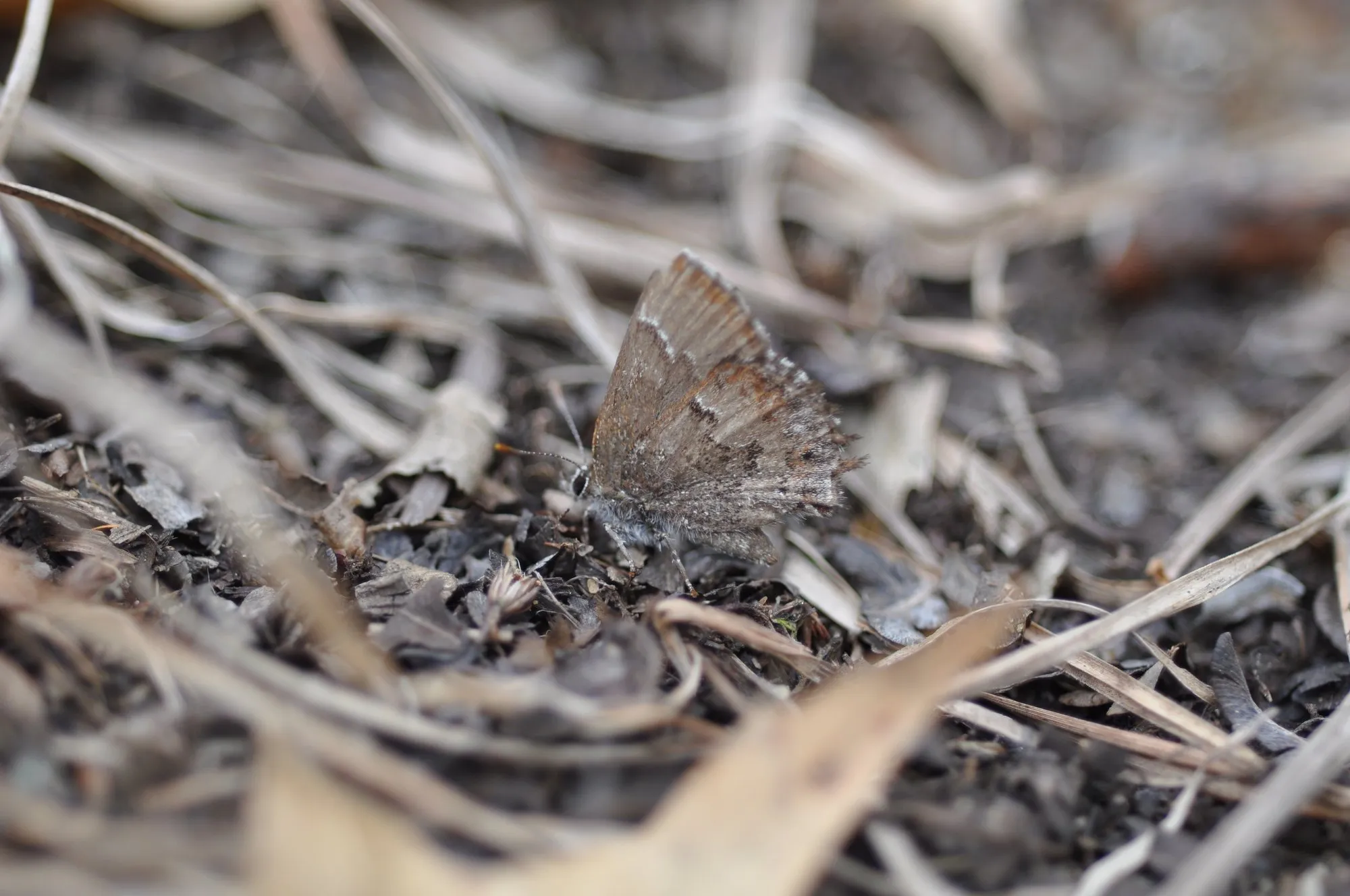
Nobody has seen a frosted elfin in Ontario since 1988. The small, brown, non-migratory butterfly vanished from the province as towns and farmland spread, and no survey has found it since, the latest in 2019, according to the Committee on the Status of Endangered Wildlife in Canada (COSEWIC).
A team led by Ryan Norris, a professor of integrative biology at the University of Guelph, wants to bring it back. The plan, reported by The Canadian Press, is to import butterflies and eggs from New York, breed them at the Cambridge Butterfly Conservatory and release them next spring in Port Rowan, Norfolk County, on the northern shore of Lake Erie. First they must confirm there is enough wild sundial lupine, the only plant its caterpillars eat.
From zero to several hundred at Pinery
The team has done this before. About five years ago it reintroduced the mottled duskywing, another endangered butterfly, at Pinery Provincial Park and protected areas in Norfolk County. There are now several hundred at Pinery and close to 100 at a second site. “They’re spilling over into campsites,” Norris said.
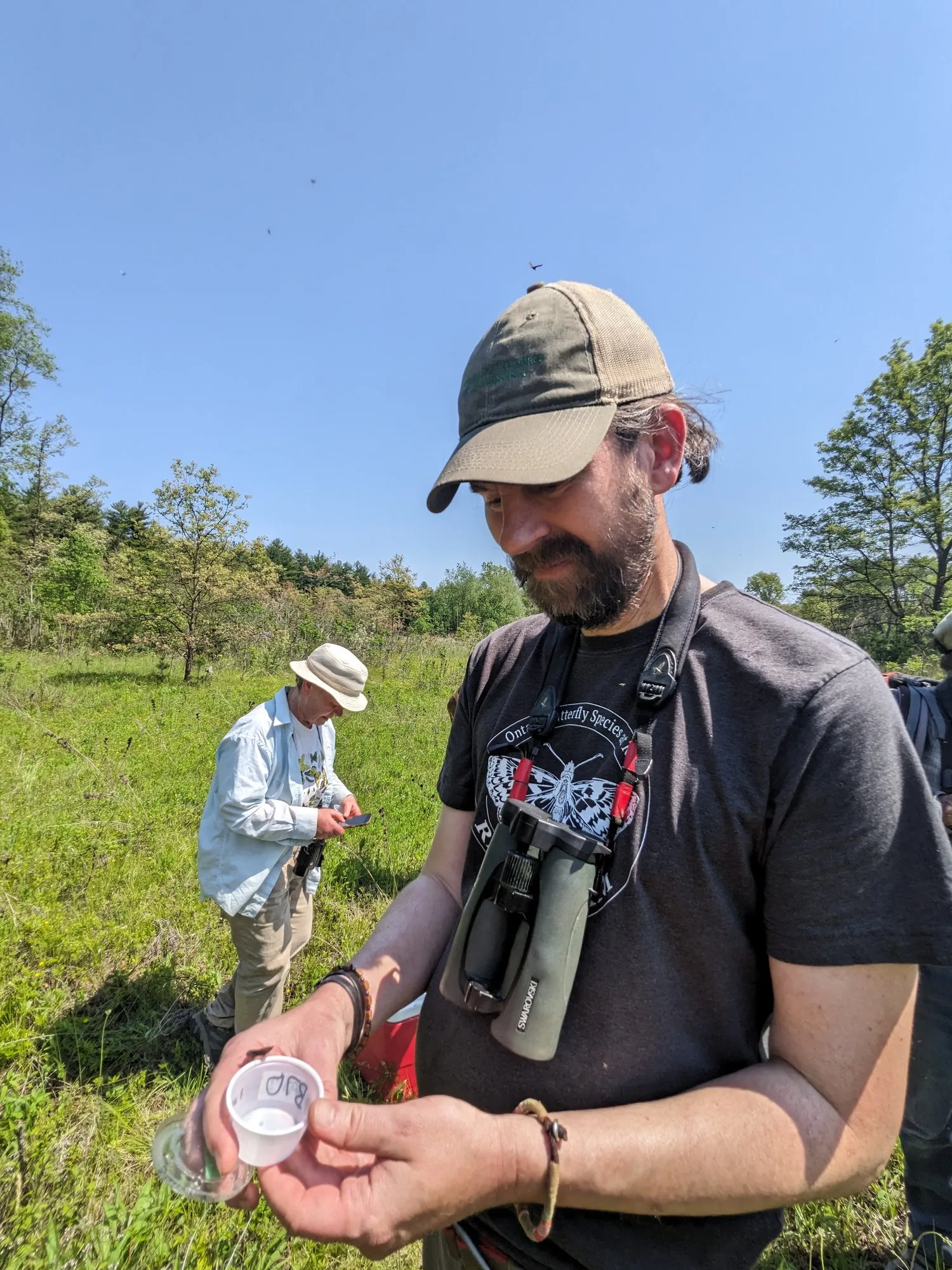
Ryan Norris releases a mottled duskywing in Norfolk County. Photo courtesy of the University of Guelph: Jessica Linton.
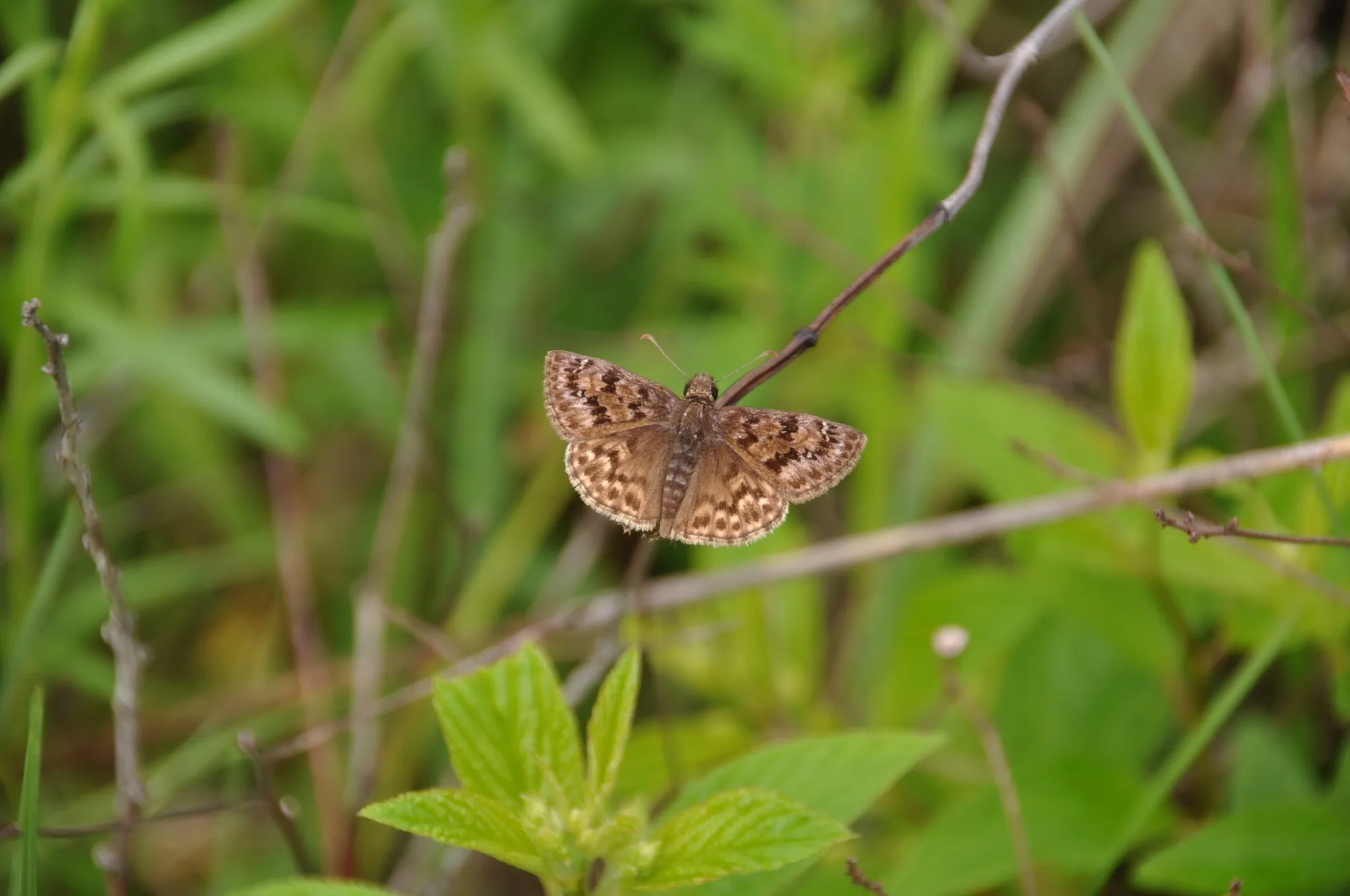
A male mottled duskywing at Pinery Provincial Park. Photo courtesy of the University of Guelph: Jessica Linton.
Three butterflies, $2.4 million
The federal government is contributing $2.4 million. As well as the frosted elfin, the project is considering moving or boosting the curiously isolated hairstreak, which survives in a single population in Waterton Lakes National Park, Alberta. The university says it could become Canada’s first multi-species framework for insect conservation.
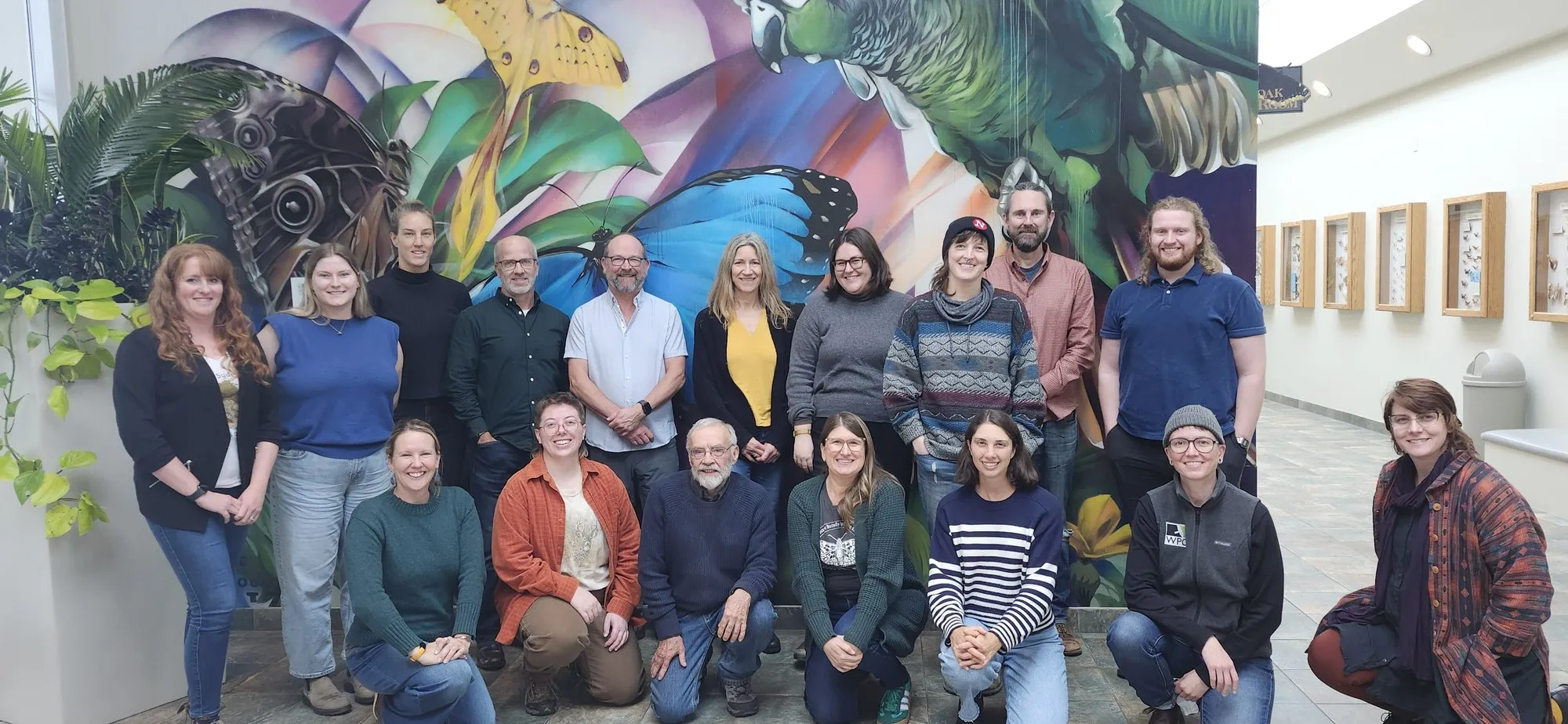
The recovery team at the Cambridge Butterfly Conservatory in 2025. Photo courtesy of the University of Guelph: Jessica Linton.
Experts stress that none of it works without habitat: some of the release sites are former tobacco fields restored to oak savanna.