Azores island of Corvo switches off its street lights so shearwater chicks can reach the sea
Every autumn, the smallest island in the Azores goes dark for several nights so that young Cory's shearwaters are not dazzled on their first flight. Residents pick up the ones that fall and release them the next day. The blackout doesn't stop every fall, but Portuguese media report that about 6,000 chicks have been rescued on Corvo since 2015.
The lights of Vila do Corvo, the island’s only village, go out and the houses disappear into the dark. That is what the video shared with Happy News of the Day by the Portuguese Society for the Study of Birds (SPEA) shows. On Corvo, the smallest island in the Azores, home to about 450 people, the blackout has a purpose: helping young Cory’s shearwaters find the sea.
Street lights going out in Vila do Corvo. Video: Tânia Pipa / SPEA.
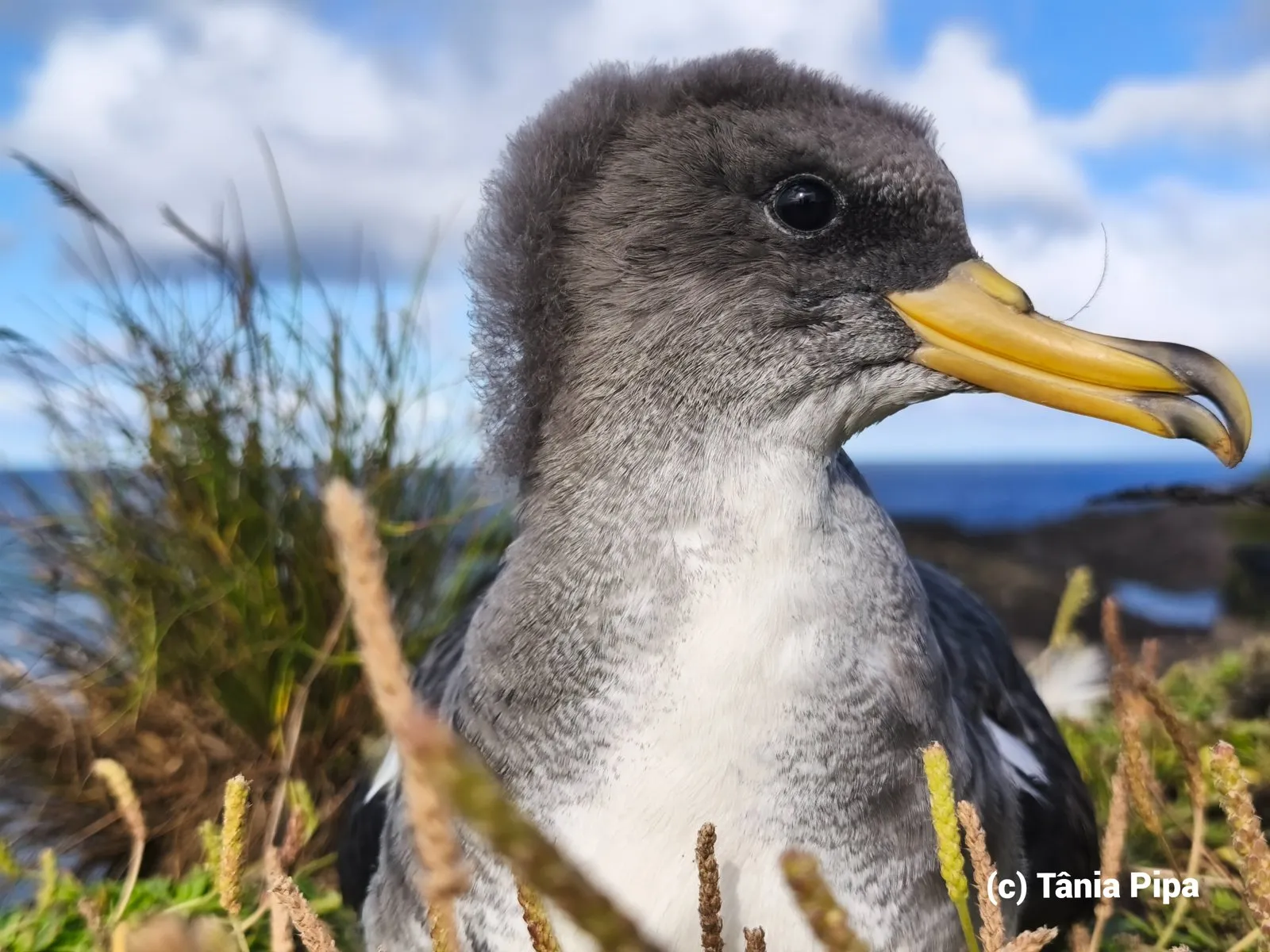
Cory’s shearwater (Calonectris borealis), known locally as the cagarro, is a seabird that spends almost its whole life at sea. According to SPEA, about 75% of its world population breeds in the Azores. Between 15 October and 15 November, the chicks leave their nests and fly out to sea at night, steering by the stars. Village lights dazzle them: many fall to the ground or crash into walls and lamp posts, where cats, dogs or dehydration kill them.
Almost three weeks without street lights
In 2025, according to SPEA, Corvo’s municipal council switched off the street lights from midnight to 5am on 21-24 October and from 31 October to 5 November. From 25 to 30 October, when most chicks fledge, the lights went off from 9pm.
“Corvo is still the only island that carries out a total blackout of its public lighting,” photographer Andrea D. Zanenga, who followed the initiative for two years, told Notícias ao Minuto.
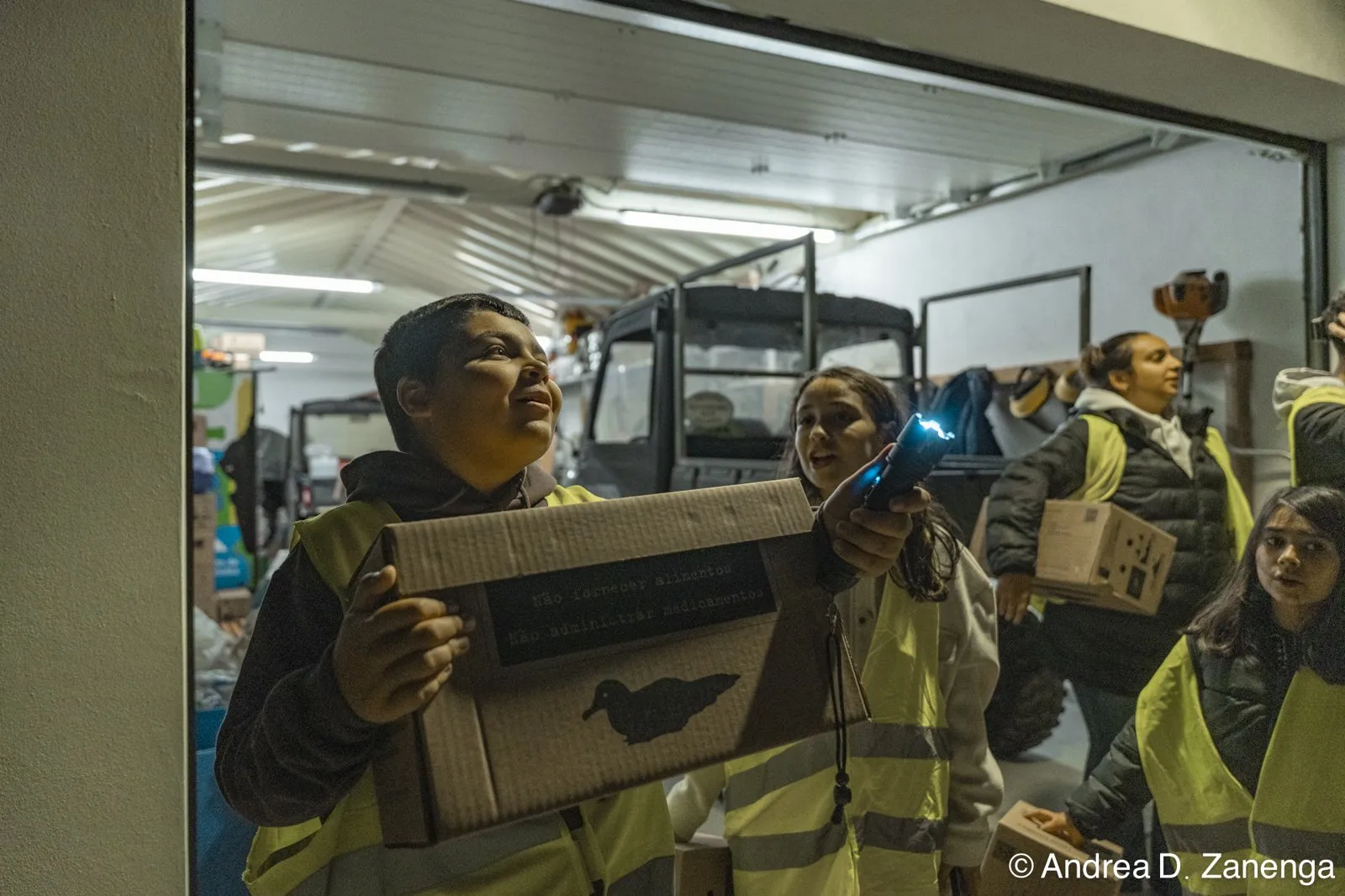
Corvo residents with boxes for rescued shearwaters. Photo: Andrea D. Zanenga / SPEA.
A cardboard box, and release the next day
Even in the dark, some chicks still fall: the moon, wind or fog can also disorient them, as experts told RTP Açores. So residents patrol at night, keep the birds they find in cardboard boxes and release them from a clifftop the following day.
It is part of the SOS Cagarro campaign, launched by the Azores government in 1995, with SPEA’s support. According to Notícias ao Minuto, about 30,000 chicks have been rescued across the archipelago since 2015, some 6,000 of them on Corvo. In 2025, 7,890 were picked up on all the islands and 7,577 released, according to regional director Rui Martins.
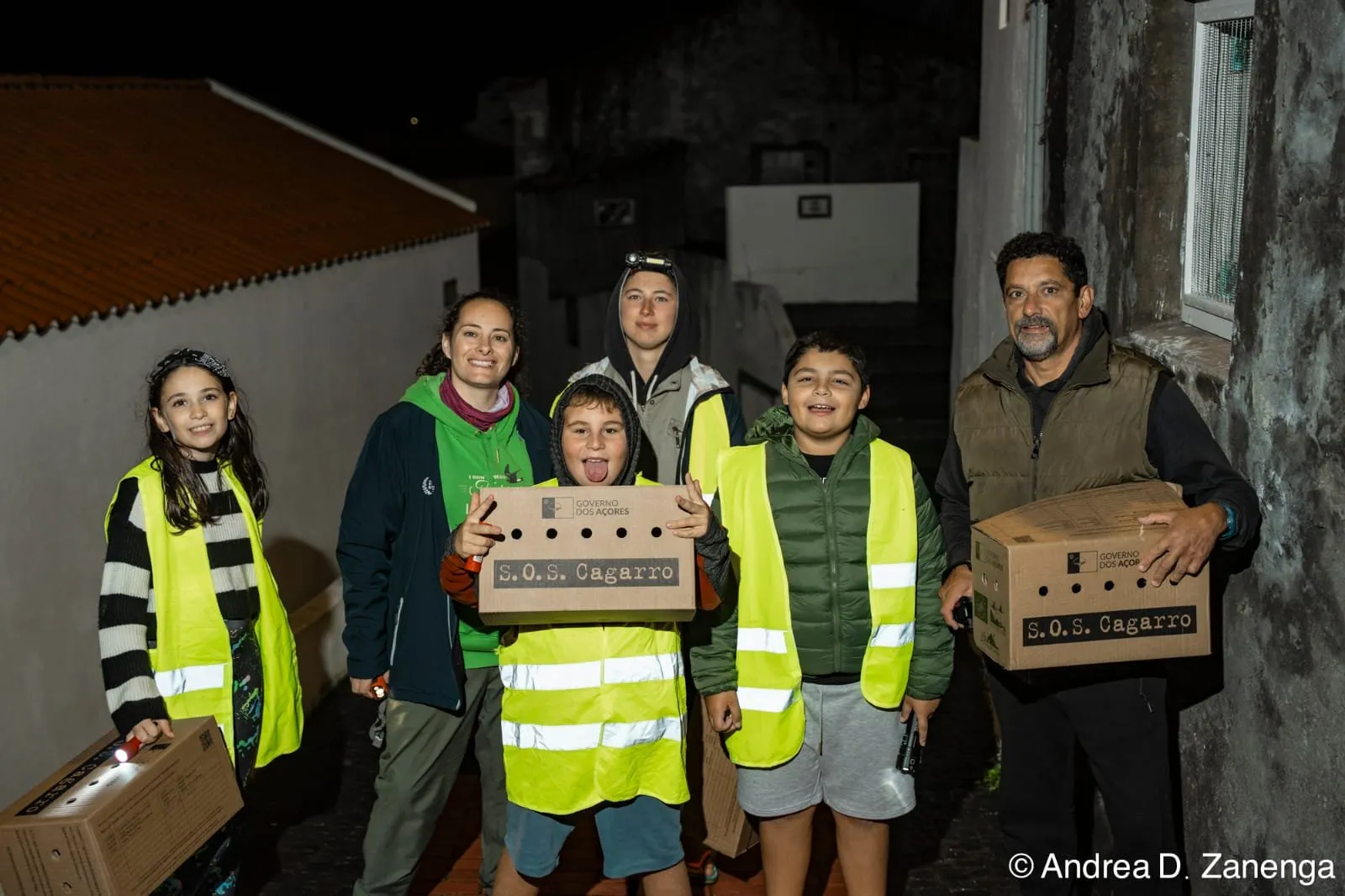
One of the SOS Cagarro night patrols on Corvo. Photo: Andrea D. Zanenga / SPEA.
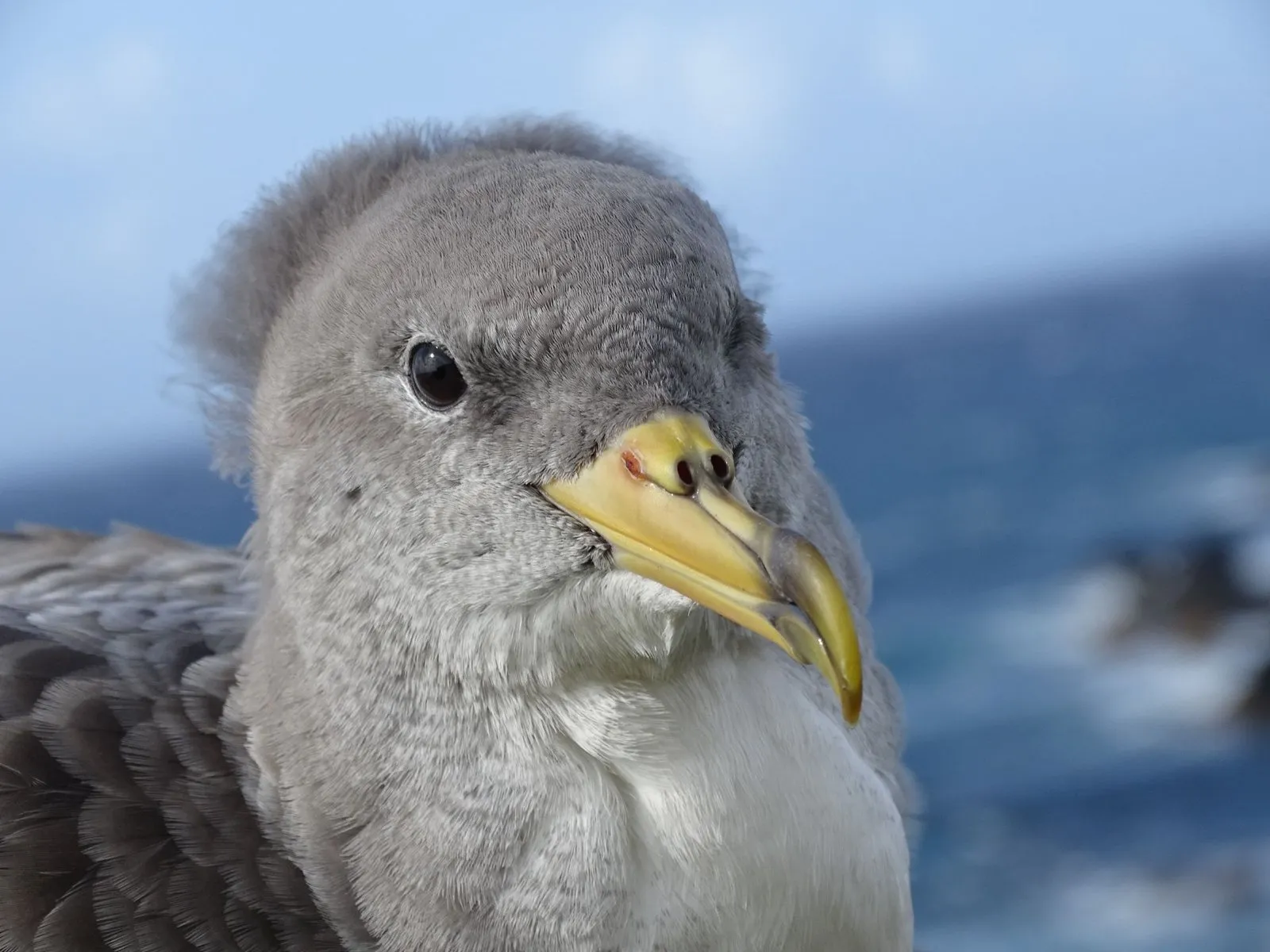
A Cory’s shearwater by the sea. Photo: Tânia Pipa / SPEA.
The last chicks leave in mid-November. Until then, SPEA asks people to switch off outdoor lights at night and, if they find a shearwater on the ground, to pick it up with a towel, put it in a box and log the rescue on the SOS Cagarro platform.
Sources
- SPEA · "Há muitas formas de salvar um cagarro" (October 2025, in Portuguese)
- Notícias ao Minuto · "Corvo, a ilha que fica às escuras no outono para salvar aves marinhas" (26 Oct 2026, in Portuguese)
- Notícias ao Minuto / Lusa · "Campanha aumenta recolhas e salva 7.890 cagarros nos Açores em 2025" (29 Dec 2025, in Portuguese)
- RTP Açores · "Apagão salva cagarros na ilha do Corvo" (2021, in Portuguese)