Diving petrels on Chile's Choros Island soar from 12,000 to nearly 90,000 pairs after rabbits removed
Introduced rabbits on Choros Island, off northern Chile, stripped the vegetation and wrecked the burrows where the Peruvian diving petrel nests. Since they were removed in 2013, breeding pairs have risen from about 12,000 to nearly 90,000 in 2024, according to a Universidad Católica del Norte study in Marine Ornithology. The figures come from the 2024 count, and the species still breeds on very few islands.
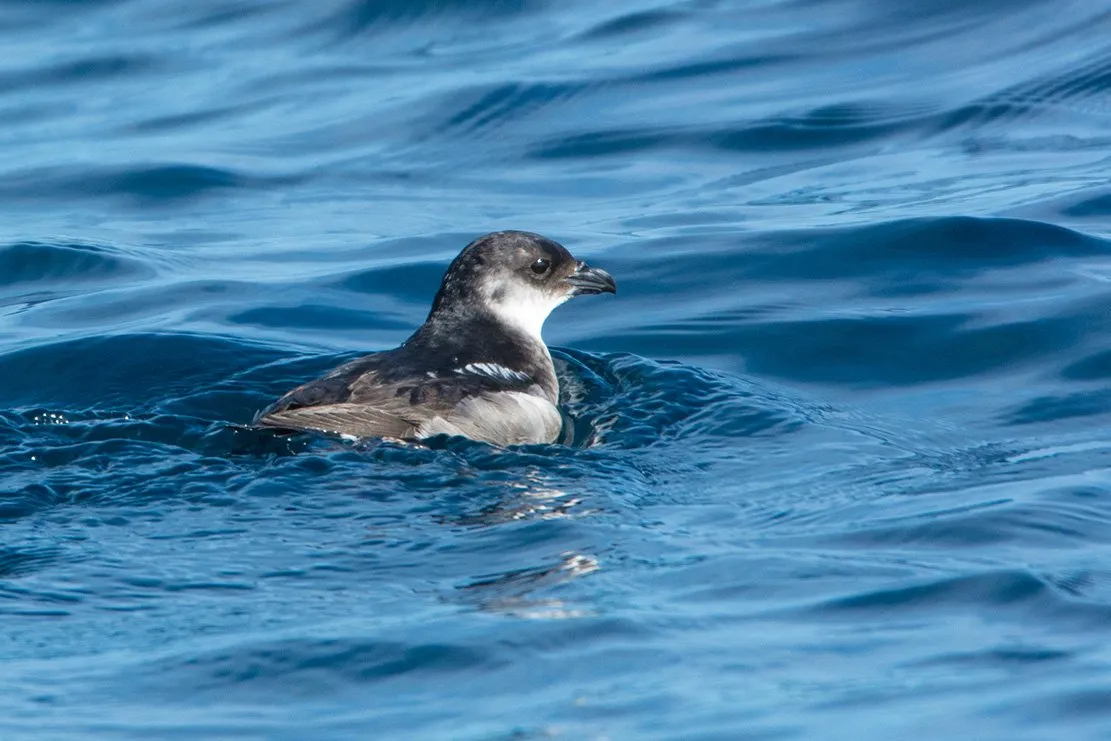
In 2013 there were about 12,000 pairs of Peruvian diving petrels left on Choros Island. By the 2024 count there were nearly 90,000. In between, one thing changed: the rabbits were gone.
The figures come from a study by Chile’s Universidad Católica del Norte, led by marine biologist Marián Méndez and published in the journal Marine Ornithology. The island lies off the Coquimbo region and is part of the Humboldt Penguin National Reserve, managed by Chile’s forest service, CONAF. The data are from 2024 and have only now been published, and the species still depends on very few islands to breed.
Wrecked burrows, stripped plants
The Peruvian diving petrel (Pelecanoides garnotii) is a small seabird of the Humboldt Current that nests underground, in burrows it digs into the island soil. European rabbits brought in by people stripped the vegetation and wrecked those burrows. “For decades, rabbits occupied a substantial portion of the breeding colony,” says Nicolás Luna, a researcher at Kiel University and co-author of the study.
In 2013 Island Conservation and its partners removed the rabbits. According to the study, the colony’s growth rate has more than doubled since then, and the nesting area has grown from 3.2 hectares in 2010 to more than 10 hectares in 2024.
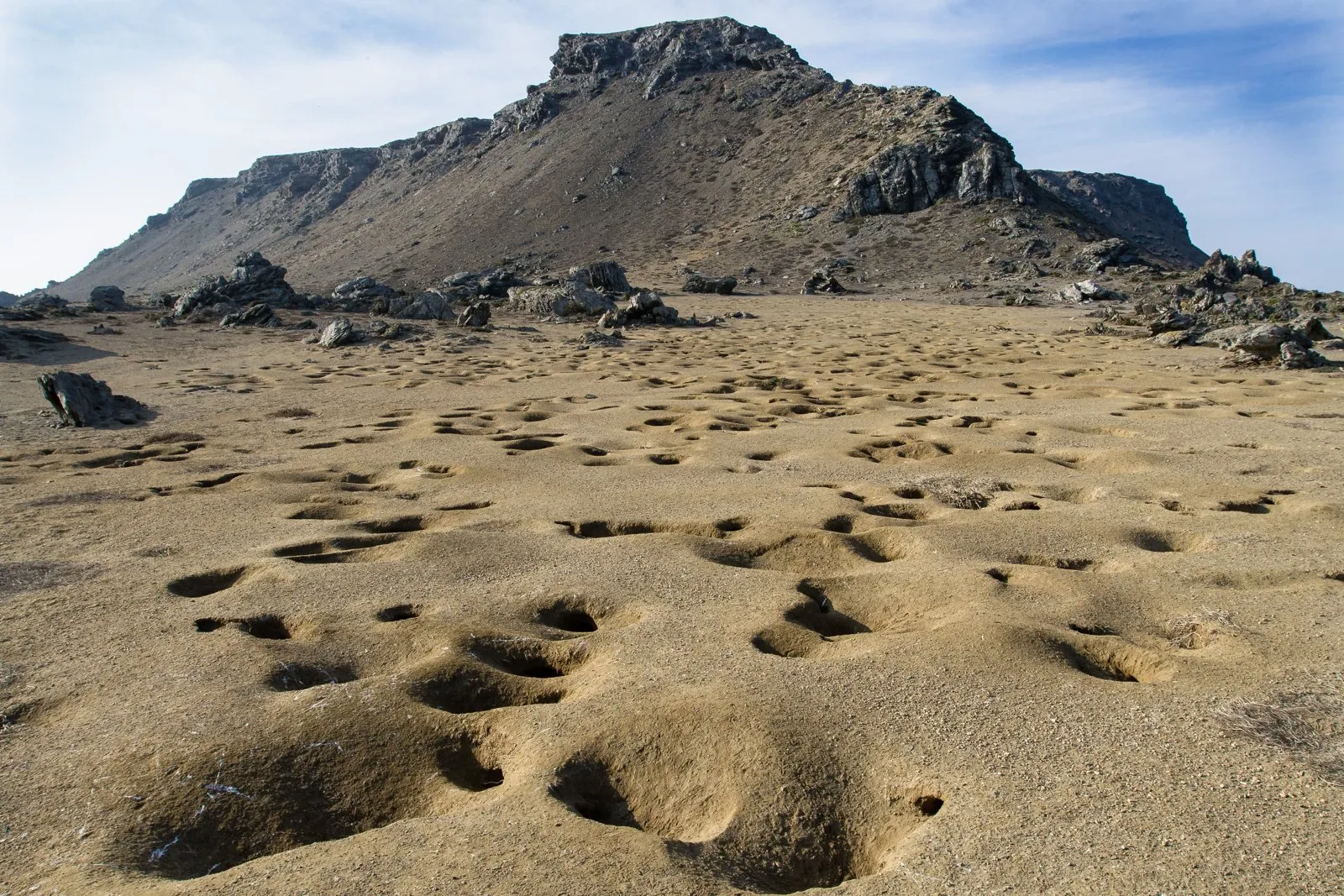 Diving petrel burrows on Choros Island. Photo: Tommy Hall / Island Conservation.
One island, almost all of Chile’s breeders
Earlier research found that about 95% of Chile’s breeding population nested on Choros, says María José Vilches, who leads the project at Island Conservation. “Removing invasive rabbits was the game-changer,” she says. In 2020 the IUCN had already moved the species from Endangered to Near Threatened.
Island Conservation describes a roughly 300-fold recovery since 1980, when only a few hundred pairs were left across the species’ range. Vilches points out that this figure reflects decades of conservation work, not just the years since 2013.
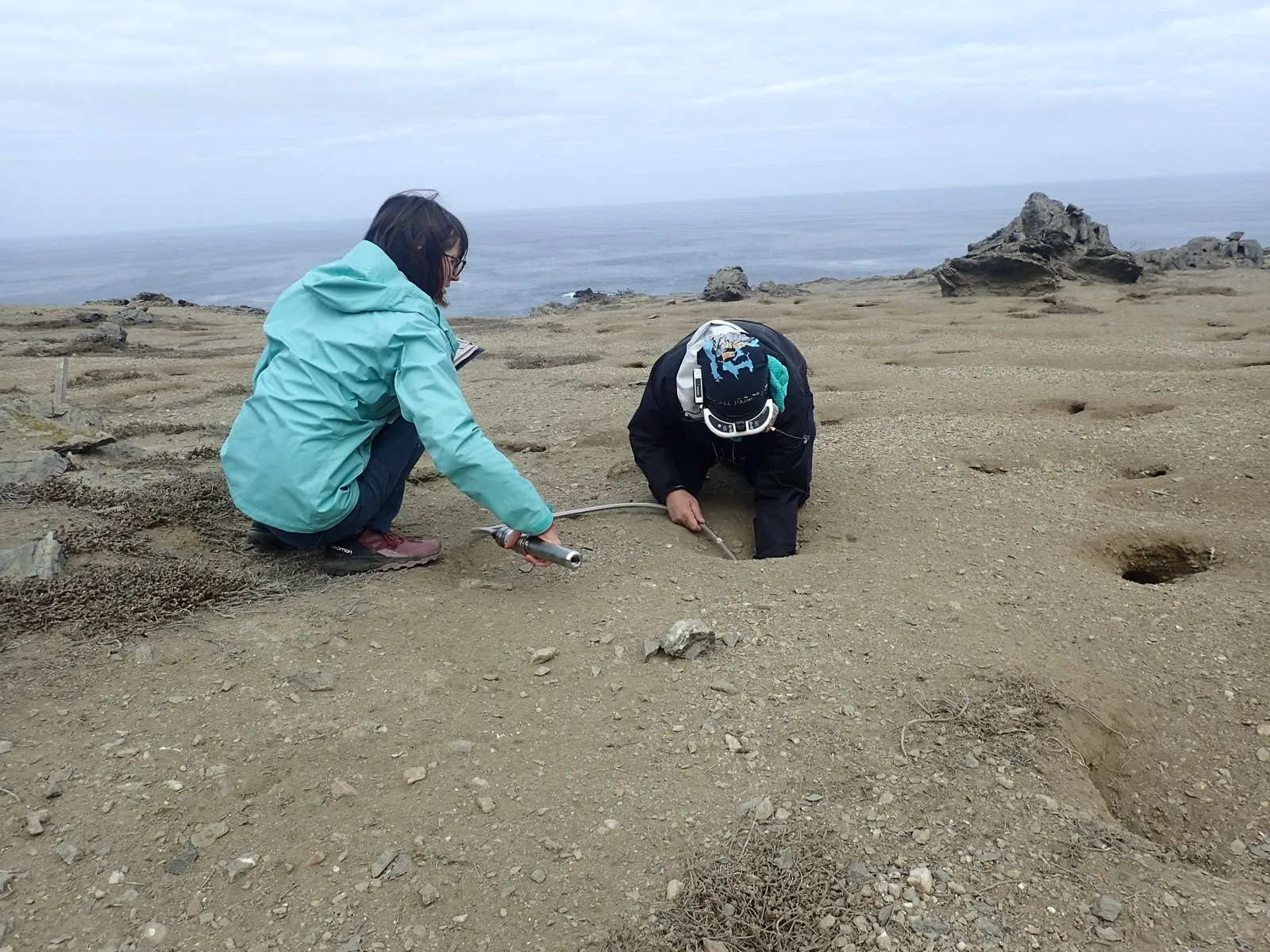 Surveying burrows on Choros Island. Photo: Coral Wolf / Island Conservation.
Next door, on Chañaral Island
On nearby Chañaral Island, the team uses artificial burrows and recorded calls to draw the petrels back to restored ground. For Vilches, Choros shows that “recovery isn’t just possible, it can happen far faster than many people imagine.”
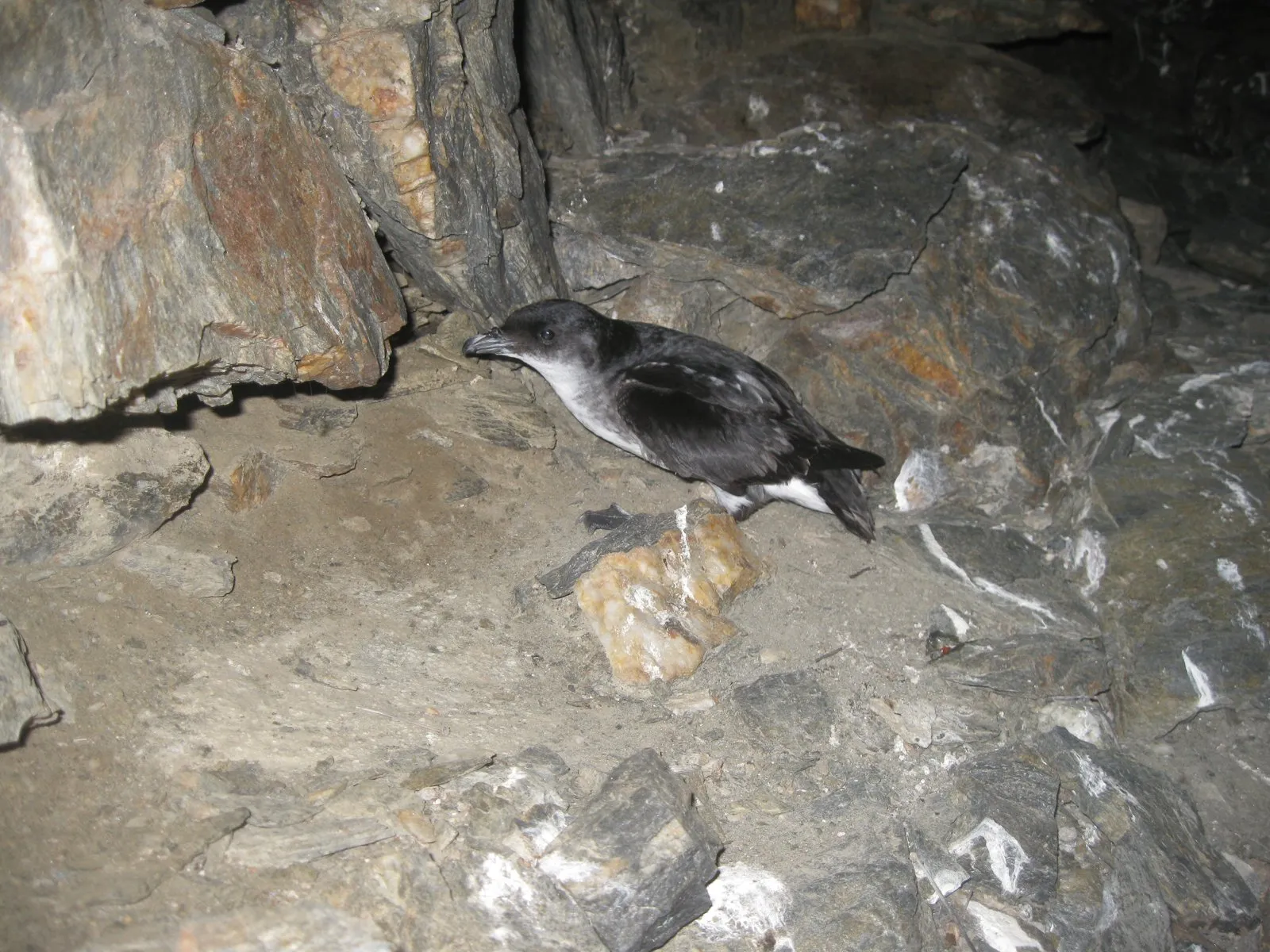 A diving petrel by its burrow on Choros Island. Photo: Island Conservation.