Tuvalu reef holds steady through 120 years of rising seas — and its island grew taller
Researchers from the University of Waikato revisited the spots surveyed by 1890s explorers on Funafuti Atoll: the island ridge rose 1.4 metres and the shoreline stayed put.
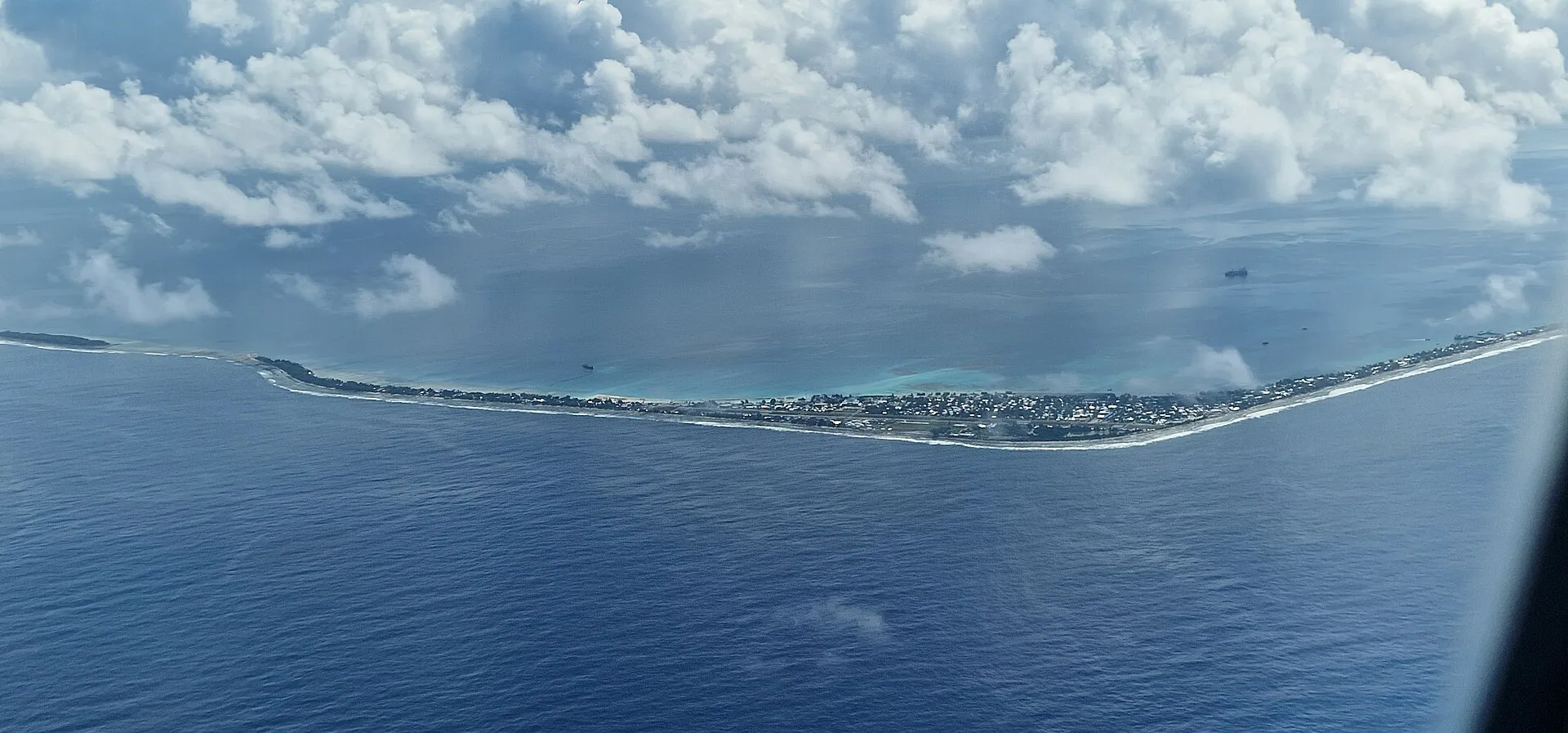
Few countries fear rising seas more than Tuvalu, which is why a finding from its capital matters: the reef of Funafuti Atoll has barely changed in about 120 years, and the ridge of one of its islands has grown 1.4 metres taller while the shoreline stayed in the same place.
A century of data
A team led by Professor Paul Kench of the University of Waikato in New Zealand went back to the exact spots surveyed by British explorers in the 1890s. “We had a data set that spanned over a century of precisely what the structure of the reef at Funafuti was like,” Kench told ABC Pacific. Compared with today’s measurements, the reef structure has held steady.
Why it matters
The study, published in Royal Society Open Science, shows that some reefs and their islands can adjust to rising seas, as waves pile up sand and coral rubble that build the island up. That is useful evidence for planning how to protect Pacific coastlines.
A note of caution
This is one atoll, and it does not mean climate change no longer threatens Tuvalu: warmer water, storms and king tides remain real risks. But it is good news backed by more than a hundred years of observations.