Kenya launches $160m plan to protect wildlife lands and create 7,800 jobs
The Thamani Asili programme will add 2.7 million hectares of protected land over ten years, with the money locked in from day one.
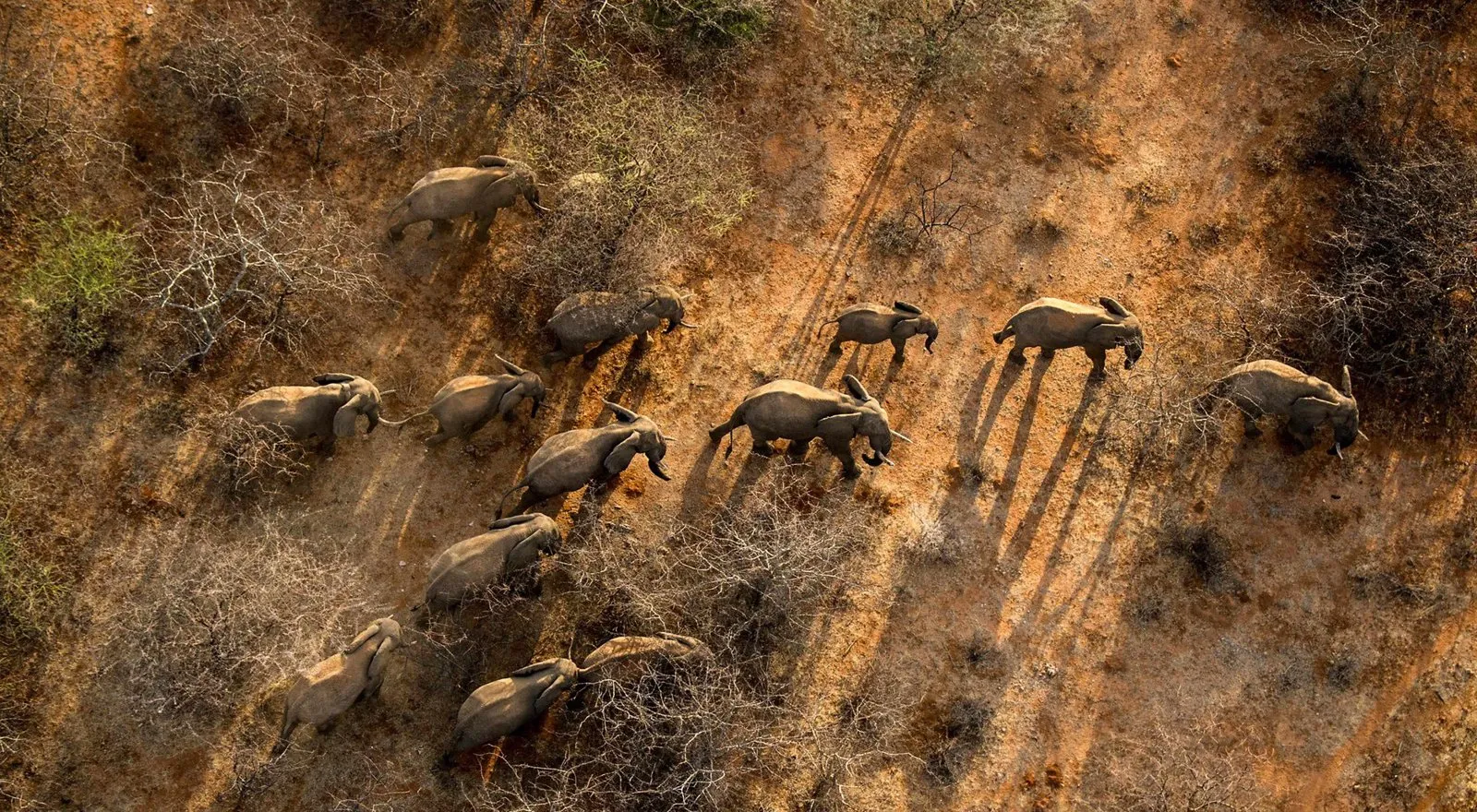
Kenya has secured the money to look after its wild places for the next decade. The Thamani Asili programme (“the value of nature” in Swahili), launched on Wednesday 21 October in Tsavo West National Park, brings together $160 million: half from the government and half from donors gathered by The Nature Conservancy and its Enduring Earth partnership.
What changes
Over ten years the plan will add 2.7 million hectares of new conservation areas, improve the management of another 11 million and place 6 million hectares under community management. It covers 31 counties and moves Kenya closer to its goal of conserving at least 30% of its land, inland waters and coast.
Jobs and water for people
The Kenya Wildlife Service (KWS) expects about 7,800 direct jobs and more than 15,000 indirect ones in ecotourism, sustainable grazing and other nature-based businesses. Around 1.6 million people should benefit directly, and 3.9 million more through better land and water management.
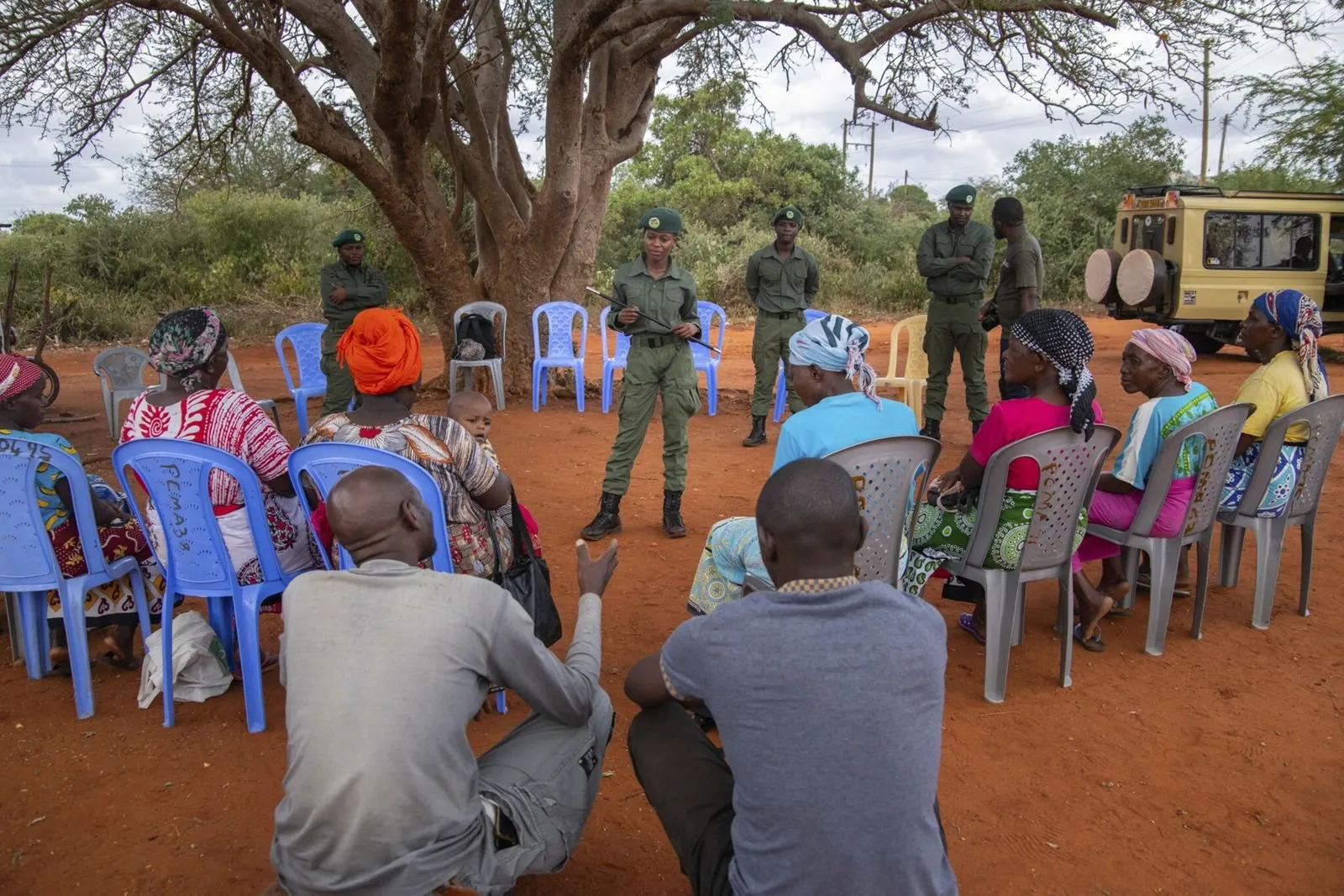
Residents of Kiteghe village (Taita Taveta) at a community meeting with Domitilah Wakesho, a ranger with the TTWCA conservancies association. Photo: Roshni Lodhia / The Nature Conservancy.
Money that doesn’t run out halfway
The deal uses a “project finance for permanence” model: funding for the whole plan is committed up front, rather than relying on grants renewed every few years. KWS called it “a significant milestone” for sustainable wildlife conservation funding.
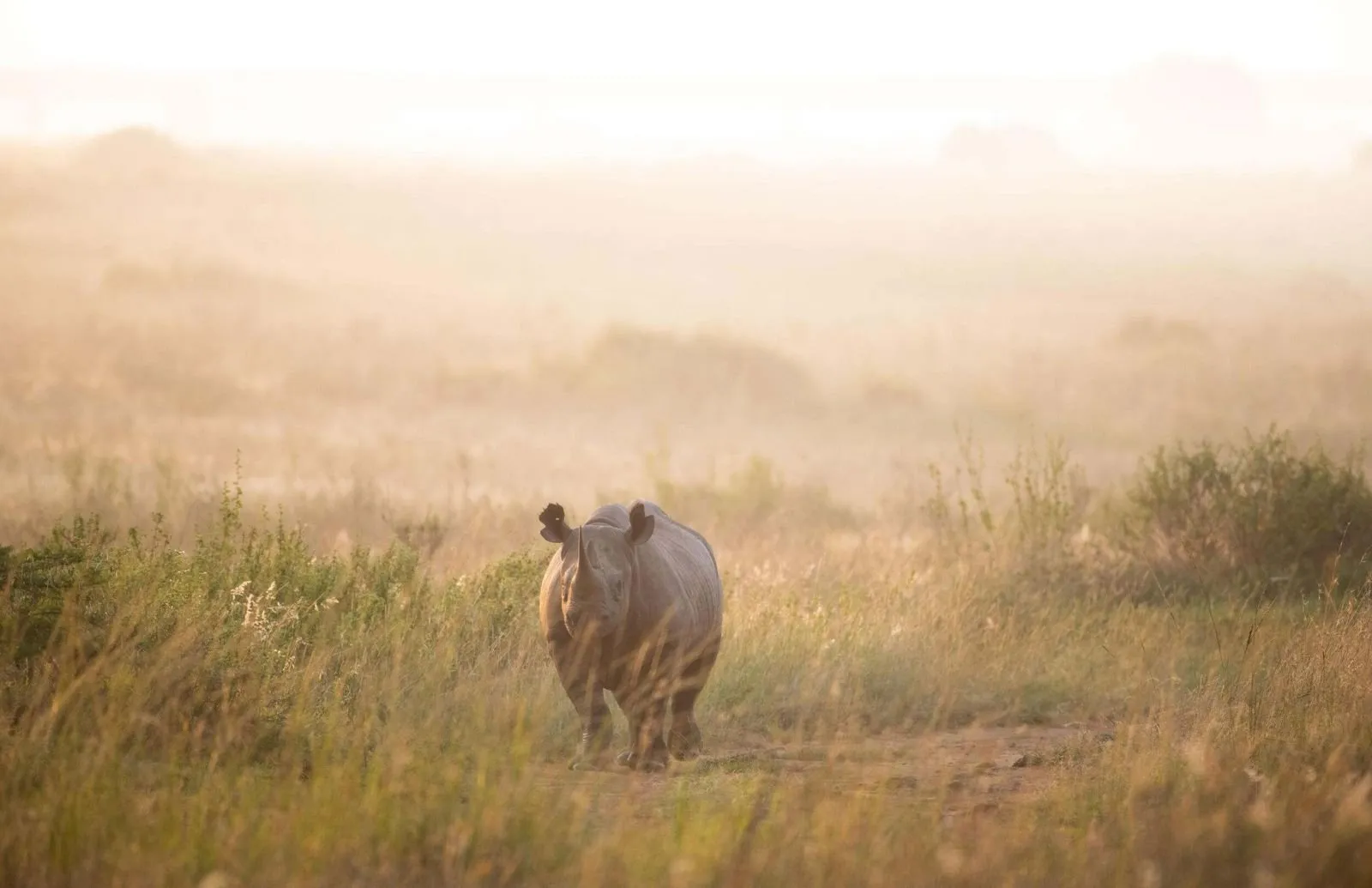
A black rhino at sunrise in Nairobi National Park. Photo: Roshni Lodhia / The Nature Conservancy.