Over 25,000 people help raise £30m to buy a vast English estate and give it back to nature
The Wildlife Trusts and Northumberland Wildlife Trust have completed the purchase of the 9,500-acre Rothbury Estate in northern England after the biggest fundraising appeal in their history: around £30m, more than £17m of it from the public. Some pledged money has yet to arrive, so the charities have taken out a bridging loan to complete the purchase of the whole estate.
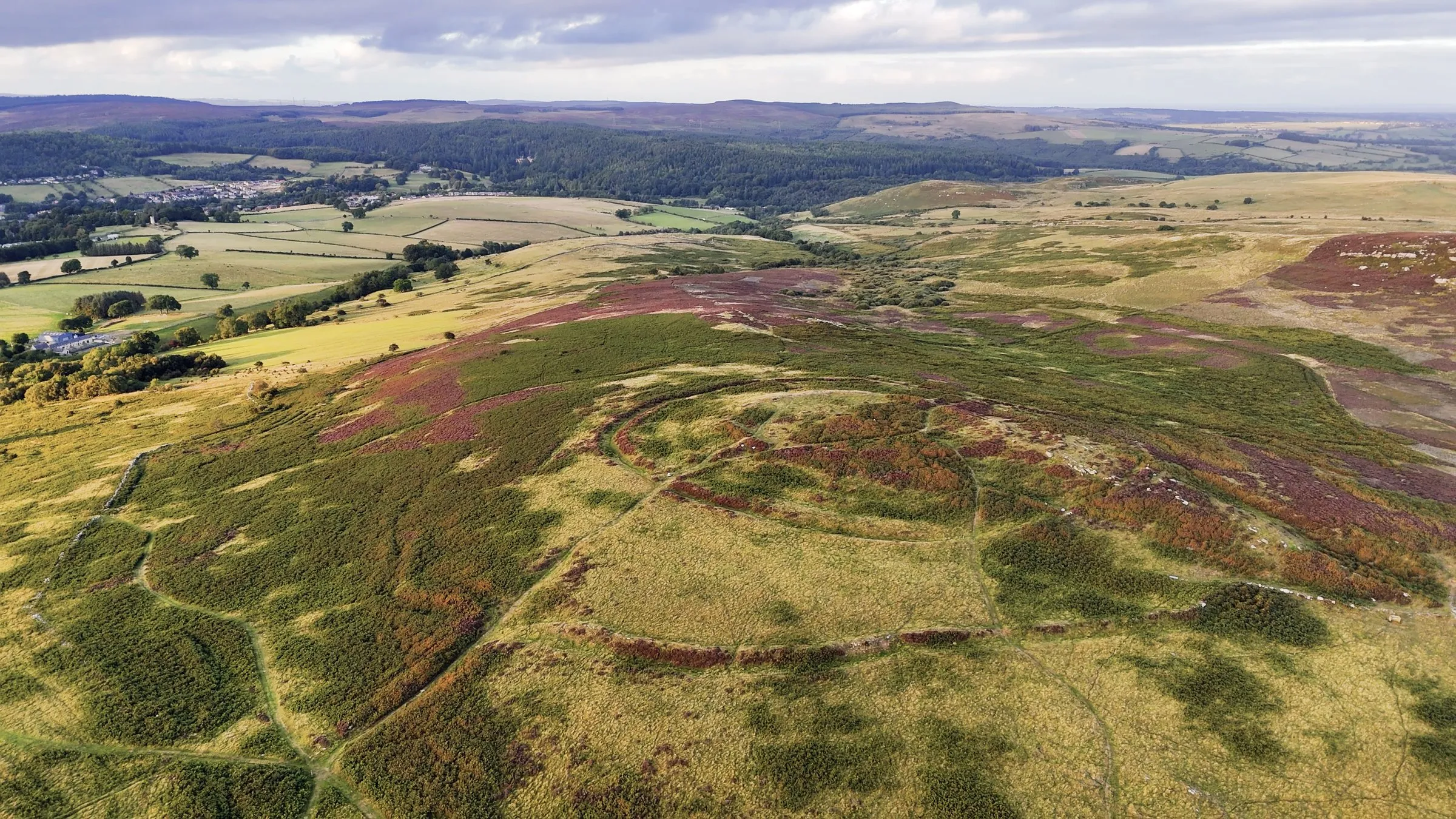
Some gave £5. Some gave £5 million. Between them, more than 25,000 people from the UK and over 50 other countries have helped hand 9,500 acres of Northumberland, an area the size of Athens, to wildlife charities. On 30 October, The Wildlife Trusts and Northumberland Wildlife Trust announced they had completed the purchase of the entire Rothbury Estate.
The caveat: not all the money is in yet. To complete the deal, the charities have taken out a low-interest loan to bridge the gap between donations pledged and funds actually received.
Heather, rivers and a dozen farms
The estate is a sweep of heather moorland, peat bog, woodland along the River Coquet and a dozen farms, mainly sheep. According to AFP, the Percy family, the Dukes of Northumberland, owned it for almost eight centuries and used it for grouse shooting until 2022. The charities bought a first section, including the Simonside Hills, in October 2024.
How £30m was found
It was the largest fundraising campaign the federation has ever run. The public gave more than £17m. The National Lottery Heritage Fund added £5m in March 2026, taking the appeal past halfway, and the Department for Environment, Food and Rural Affairs pledged £1.94m in October. Grants from foundations and gifts from anonymous philanthropists also played a big part. Donors were “some giving £5 and others £5 million”, Peter Batchelor, who manages the acquisition for The Wildlife Trusts, told AFP in August.
Sir David Attenborough’s backing brought in more than £1m in a single week. “The Wildlife Trusts called for your support and you answered in your thousands,” he said this week.
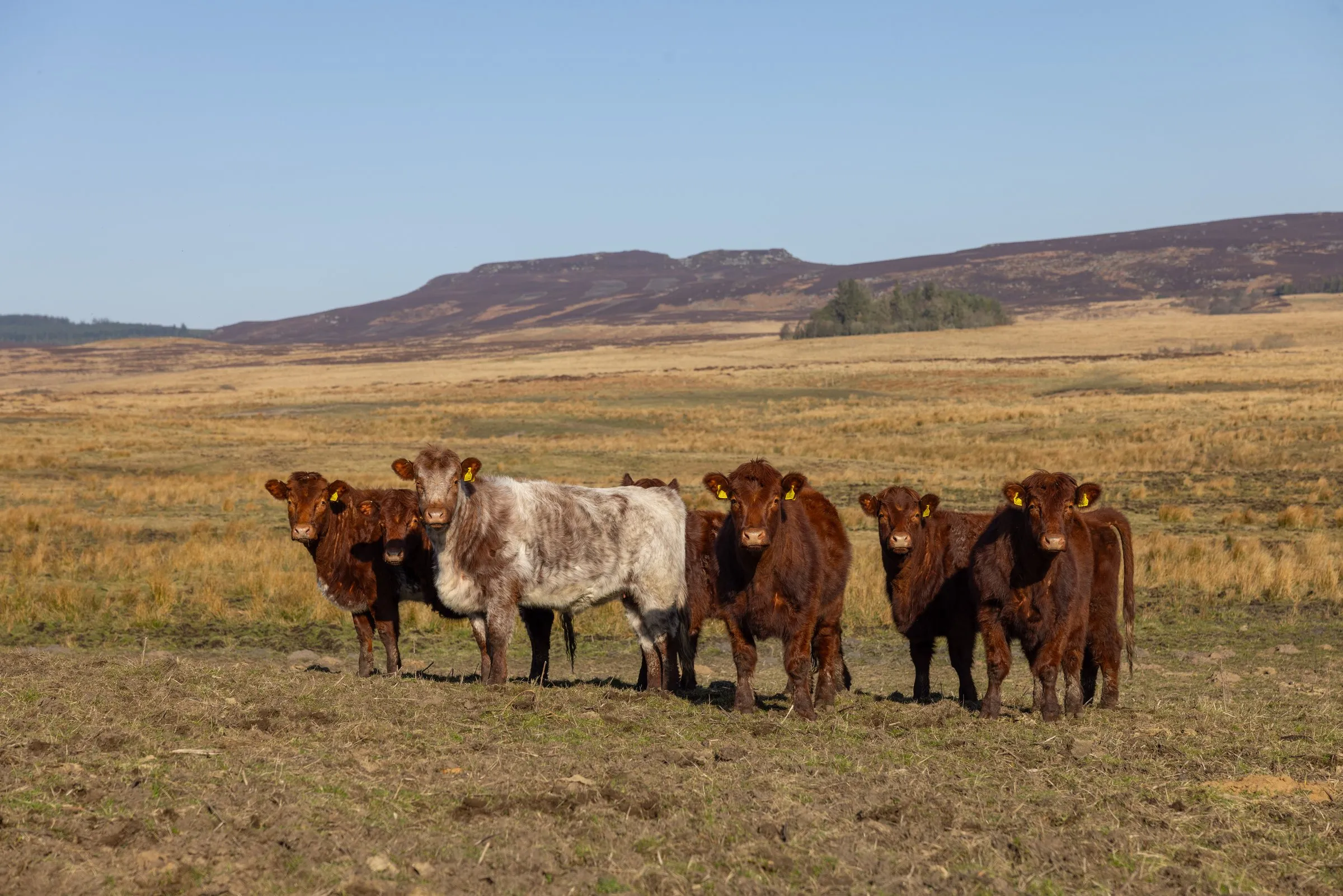
Luing heifers below the Simonside Hills, on the Rothbury Estate. Photo kindly provided by The Wildlife Trusts. Image: © John Millard.
Why it’s good news
The State of Nature 2023 report called the UK “one of the most nature-depleted countries on Earth”. Buying the estate whole stops it being broken up among several owners and lets habitats be restored at scale. The plan is nature-friendly farming alongside the tenant farmers, an old railway line turned into a path for walkers and cyclists, and a role at the heart of a 40-mile nature corridor from the Northumberland coast to Kielder on the Scottish border. The UK government named the estate at the COP17 biodiversity summit as part of its effort to protect 30% of land and sea by 2030.
Farmers ask not to be left behind
Not everyone locally is cheering without reservation. During the appeal, local magazine The Squirrel carried the plea “Don’t forget the farmers”, and the Tenant Farmers Association warned that those on short farm business tenancies are in “a more precarious position” than farmers with lifetime tenancies. The charities say they will work with local communities and farmers.
Next up: citizen-science projects start on the estate in November, including reptile surveys, soil health testing and acoustic monitoring.
Sources
- Inside Ecology · The Wildlife Trusts release: Future of The Rothbury Estate secured for nature and the nation (30-10-2026)
- AFP (via Kuwait Times) · Charity races to raise millions to buy historic English estate (August 2026)
- Farmers Weekly · Wildlife trusts acquire Rothbury Estate in landmark purchase