Cacao is booming in Brazil's Amazon, almost all of it on land cleared years ago
Mapping by Brazil's agricultural research agency Embrapa, with help from NASA and data from the space agency INPE, shows cacao in Pará grew by a third between 2022 and 2024, and that 96% of it sits on land deforested before 2020; in Rondônia the figure is 98%. Two caveats: the work is funded by CocoaAction Brasil, an industry initiative, and it was presented at a trade fair as a technical report, with no known peer review. Most of the new planting is also full-sun monoculture.
Whenever chocolate prices rise, the question in the Amazon is the same: how much forest will it cost? In Pará, Brazil’s biggest cacao-producing state, new mapping offers a reassuring answer. Cacao grew from 87,309 hectares in 2022 to 116,436 in 2024, up 33%, and 96% of the cacao on altered land is on ground that had already been cleared before 2020, mostly old pasture and secondary growth, according to Embrapa Amazônia Oriental. In Rondônia, mapped for the first time (5,340 hectares), the figure is 98%.
How it was measured
The work is led by Adriano Venturieri, a remote-sensing specialist at Embrapa, Brazil’s public agricultural research agency. It combines imagery from several satellites, some sharp enough to show 50-centimetre detail and tell full-sun cacao from cacao grown among other trees, with deforestation data from INPE, Brazil’s space agency, and field visits. Brazilian ecologist Naiara Pinto, at NASA, helped with the methods, Mongabay reports. In all, about 121,000 hectares have been mapped.
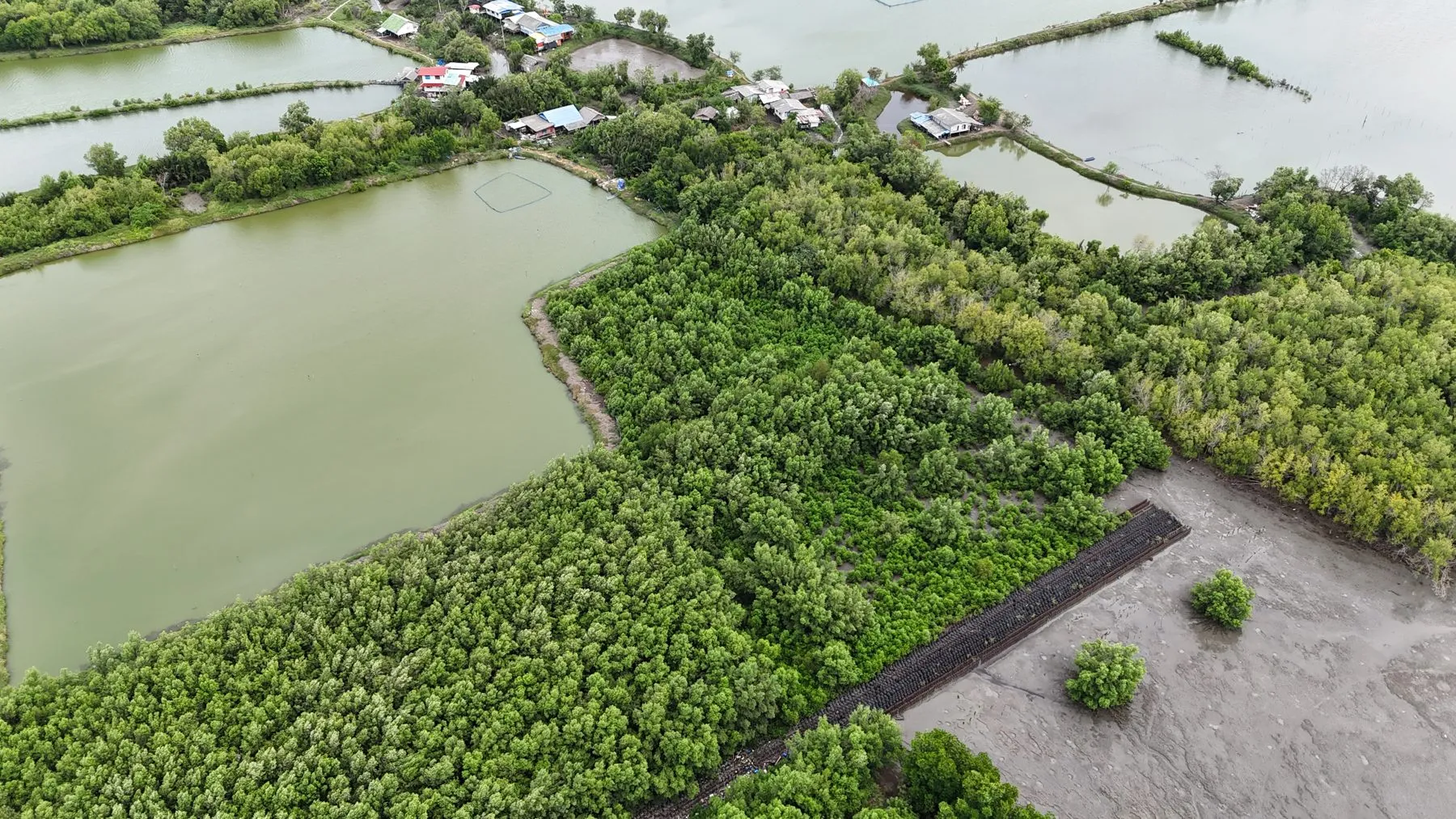
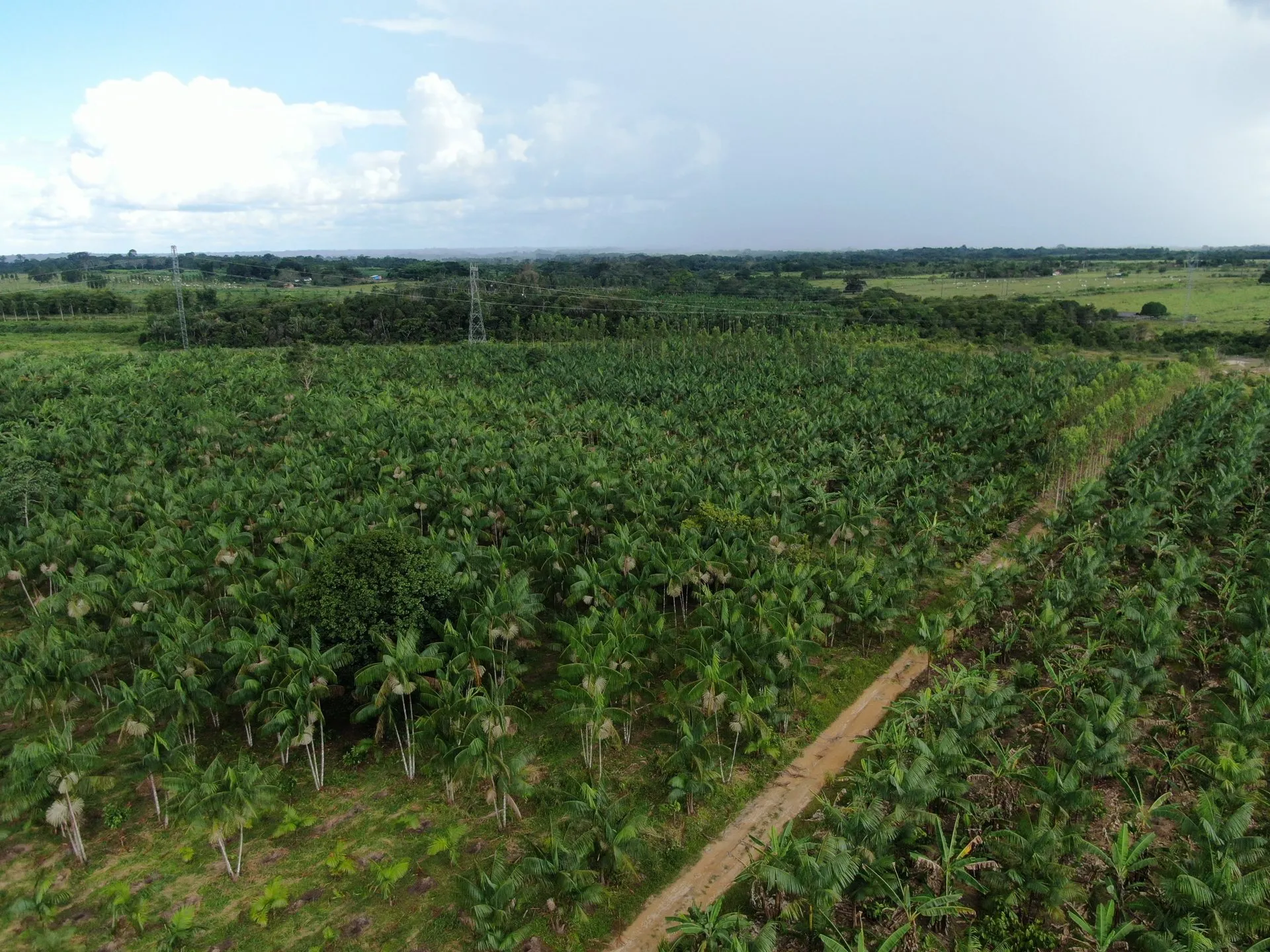 An agroforestry system combining cacao, açaí and bananas, from the air. Photo: Vinícius Braga / Embrapa (shared with Happy News of the Day).
Family farms, but more monoculture
Cacao in Pará is mostly grown by families: 84.6% of plots are 5 hectares or smaller. Venturieri estimates that 85% of the state’s cacao still grows in agroforestry, mixed with other trees. But the recent trend points the other way: of the cacao planted between 2022 and 2024, 63% is full-sun monoculture, which yields more beans but suffers more from pests. Venturieri is calling for stronger public incentives for agroforestry.
The maps also matter for the EU’s new deforestation rules, which bar cacao from land cleared after 2020. In Pará, 3.9% of the area falls in the risk zone; in Rondônia, 2%.
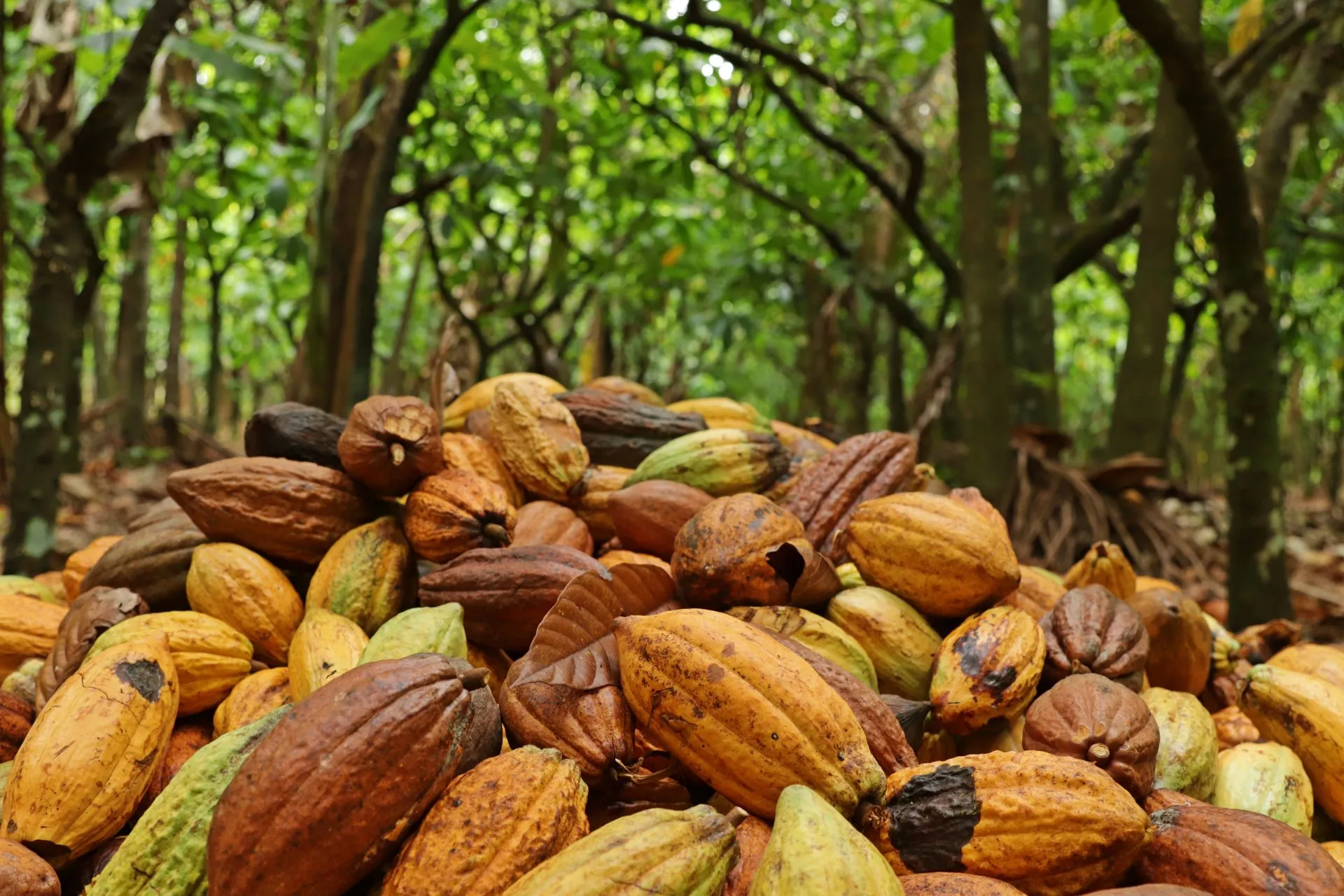
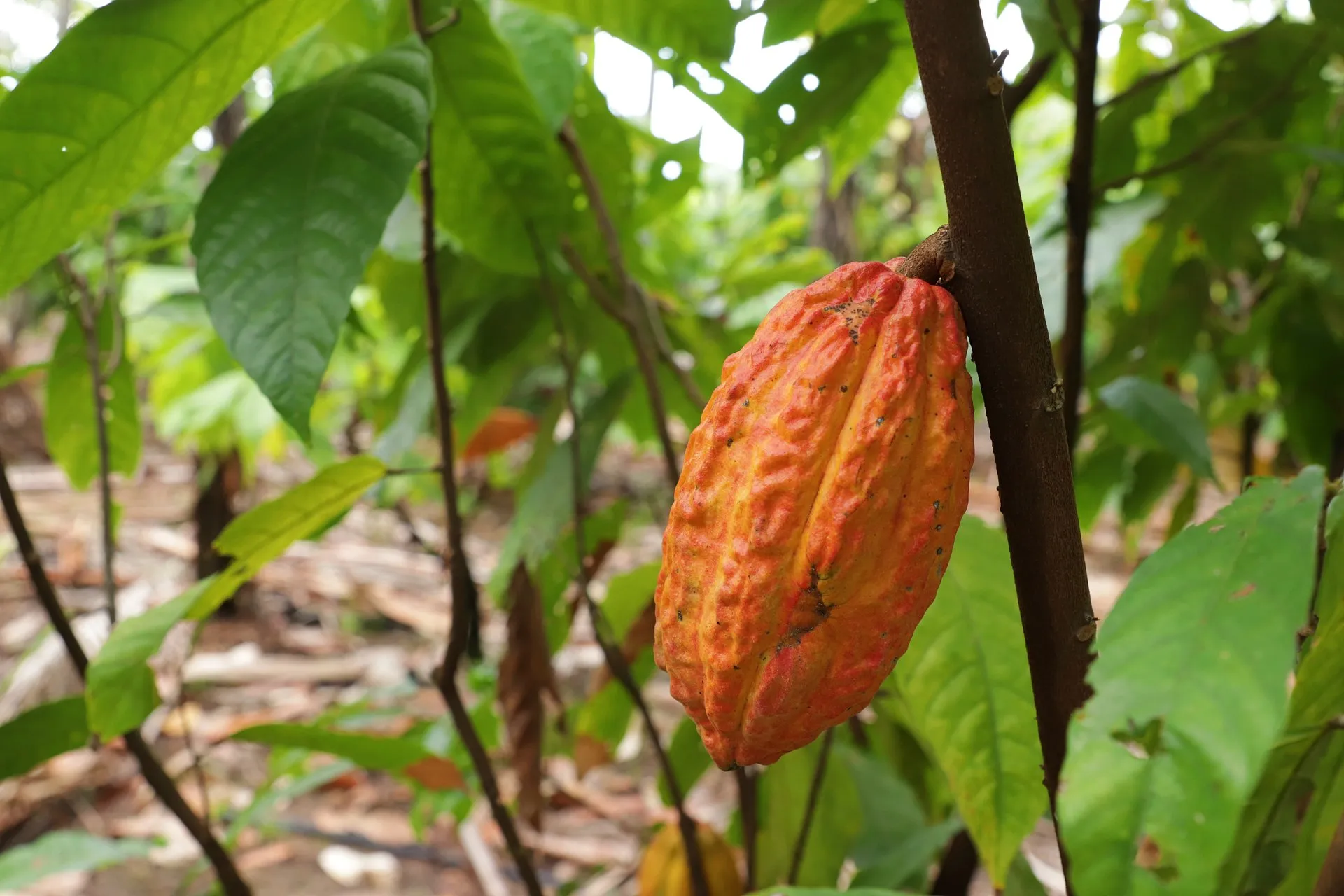 A cacao pod in an agroforestry plot. Photo: Ronaldo Rosa / Embrapa (shared with Happy News of the Day).
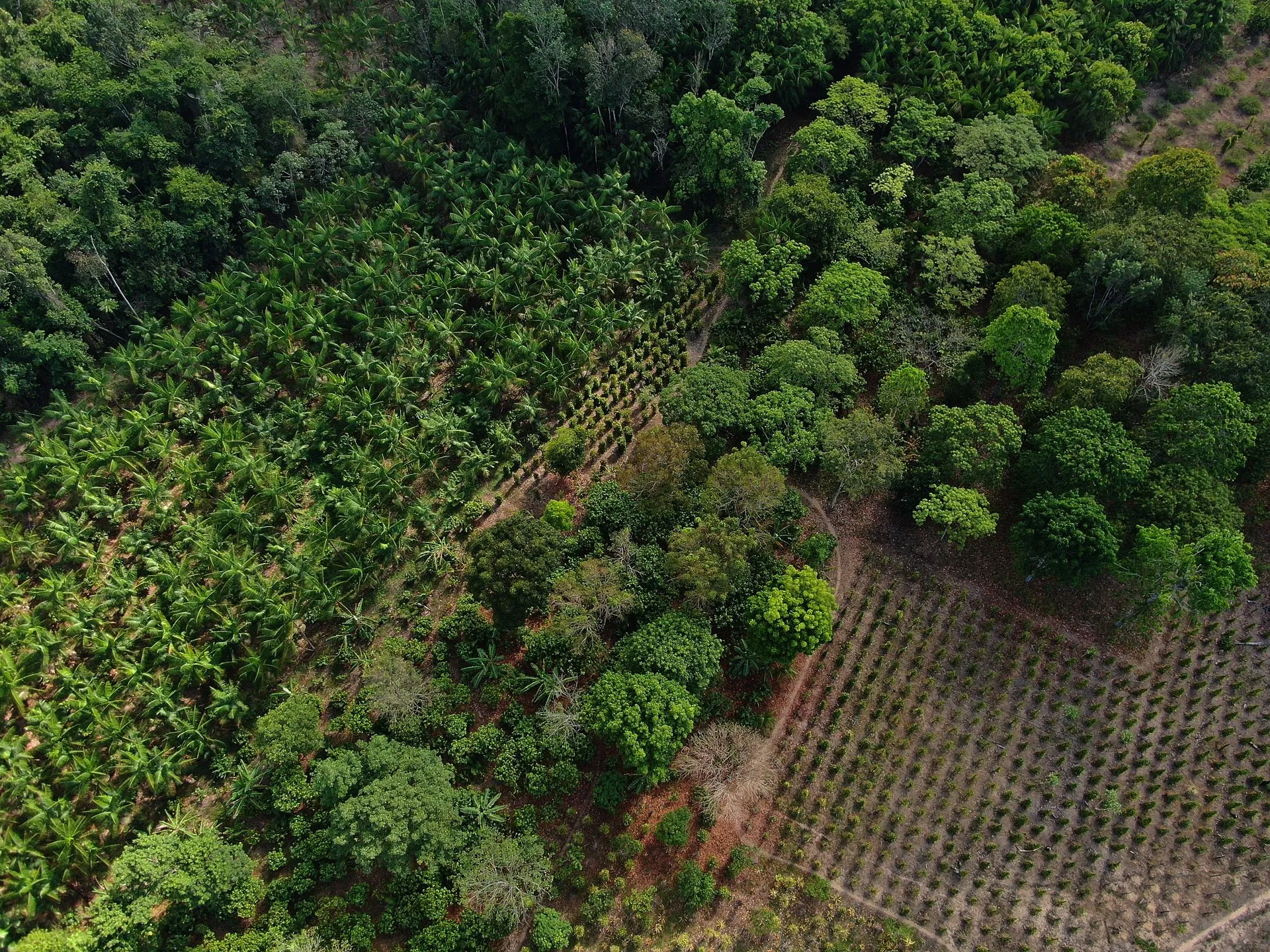 Cacao in an agroforestry system in Tomé-Açu, Pará. Photo: Ronaldo Rosa / Embrapa (shared with Happy News of the Day).
The study is funded by CocoaAction Brasil, an initiative of the World Cocoa Foundation, whose members are cocoa and chocolate companies. It was presented in August at the ExpoCacau 2026 fair in Bahia as a technical report.